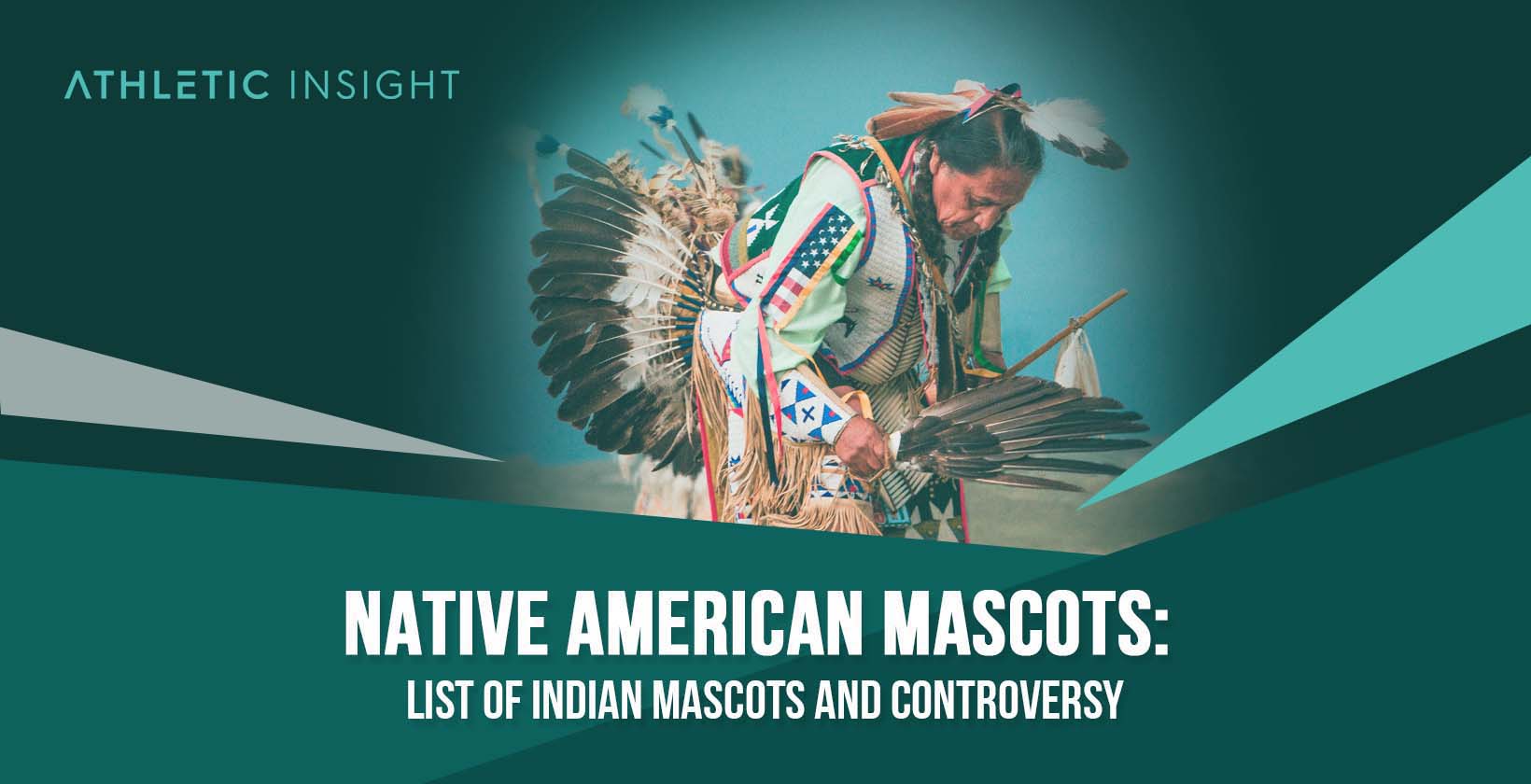
Beyond the Sidelines: Unpacking the Map of Native American Mascots Controversy
The American landscape, from bustling cities to quiet towns, is dotted with high school gymnasiums, university stadiums, and even professional sports arenas. Look closely, and you’ll often see a recurring theme: mascots depicting Native Americans. Warriors, Chiefs, Braves, Redskins, Savages – these names and their accompanying imagery are deeply ingrained in American sports culture. But what seems like harmless tradition to some represents a profound and ongoing controversy for others, particularly Native American communities. The "Map of Native American Mascots" is not just a geographical survey; it’s a visual confrontation, an educational tool that brings into stark relief the pervasive nature of these symbols and the complex history, identity, and harm they embody.
This map, often compiled by advocacy groups, academic researchers, and news organizations, isn’t a single, definitive entity, but rather a collective effort to chart the thousands of schools, colleges, and professional teams across the United States that utilize Native American imagery and names for their mascots. Each dot on these maps represents a community grappling, or often failing to grapple, with a legacy of misrepresentation. The sheer density of these markers across almost every state is astonishing, revealing that this isn’t an isolated phenomenon but a systemic issue deeply woven into the fabric of American popular culture. For anyone embarking on a journey through American history or seeking to understand its diverse communities, this map serves as a crucial starting point for a conversation that extends far beyond the playing field.
The Core Controversy: Why These Mascots Matter
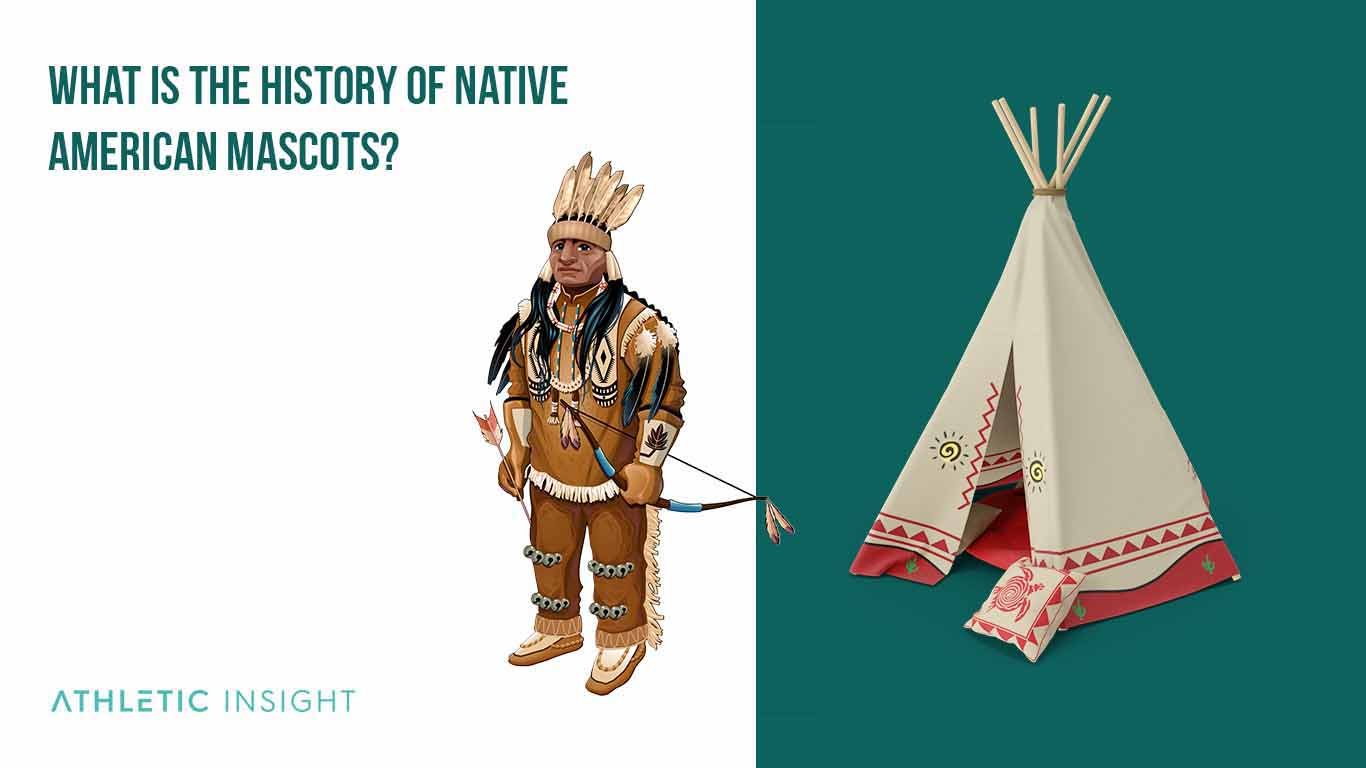
At the heart of the "Native American mascots controversy" lies a fundamental issue of respect, representation, and the perpetuation of harmful stereotypes. Proponents of these mascots often argue they are intended to "honor" Native Americans, symbolizing strength, bravery, and resilience. However, this perspective consistently overlooks the voices of the very communities these mascots purport to represent. For Native Americans, these images are not tributes; they are caricatures that dehumanize, trivialize sacred traditions, and reinforce a colonial narrative.
Firstly, most Native American mascots reduce incredibly diverse Indigenous cultures – each with its unique languages, customs, and spiritual beliefs – into a monolithic, often stereotypical, "Indian" figure. This figure is frequently depicted with exaggerated features, feathered headdresses, war paint, and aggressive stances, reducing complex human beings to simplistic, often violent, archetypes. Such imagery not only misrepresents but actively erases the true diversity and modernity of Native American peoples. It traps them in a romanticized past, denying their contemporary existence and contributions.
Secondly, the act of turning a human group into a mascot is inherently dehumanizing. Mascots are symbols, often fantastical or animalistic, designed to evoke team spirit. When a distinct racial or ethnic group is adopted as a mascot, it strips them of their individual humanity and agency, treating them as objects or symbols rather than living, breathing cultures. This objectification contributes to a broader societal tendency to dismiss or misunderstand Native American experiences, making it easier to overlook their ongoing struggles for sovereignty, land rights, and cultural preservation.
Perhaps most critically, these mascots have demonstrable negative psychological impacts on Native American youth. Studies have shown that exposure to these stereotypes can lead to lower self-esteem, increased rates of depression, and a diminished sense of community worth among young Indigenous people. When the dominant culture portrays your ancestors as cartoonish figures, or as noble savages frozen in time, it sends a powerful message that your identity is not valued or understood. Conversely, non-Native students exposed to these images may develop or reinforce prejudiced views, perpetuating a cycle of misunderstanding and disrespect. The controversy isn’t about political correctness; it’s about the very real and measurable harm inflicted upon a marginalized community.

A Shadow of History: The Roots of the Mascots
To understand the tenacity of these mascots, one must delve into the specific historical context from which they emerged. The proliferation of Native American-themed mascots largely coincided with the late 19th and early 20th centuries – a period marked by the brutal culmination of American expansionism and the systematic subjugation of Indigenous peoples. As Native Americans were dispossessed of their lands, confined to reservations, and subjected to forced assimilation policies, a peculiar cultural phenomenon took root: the "vanishing Indian" myth.
This myth, propagated through popular literature, art, and Wild West shows, presented Native Americans as a noble but doomed race, fading into history. Mascots, ironically, became a way for the dominant culture to "honor" this "vanishing" race, not as living people with contemporary claims, but as symbols of a conquered past. The imagery often drew heavily from Plains Indian cultures (headdresses, teepees, war paint), generalizing and misrepresenting the vast array of Indigenous nations. These symbols were then appropriated and recontextualized within the world of sports, often with a focus on perceived warrior prowess or stoicism, further entrenching the stereotype of Native Americans primarily as figures of conflict or historical relics.
This historical context is crucial. The mascots didn’t emerge from a place of genuine respect or understanding; they arose during a period of intense cultural genocide and land theft. Their continued existence, therefore, subtly reinforces the narratives that justified these historical injustices. They serve as a constant reminder of a power dynamic where the dominant culture dictates how a marginalized group is perceived, often against their will. Early Native American activists recognized this power imbalance decades ago. The National Congress of American Indians (NCAI) passed its first resolution condemning "derogatory Indian mascots" in 1968, underscoring that this is not a new grievance, but a long-standing demand for justice and self-determination. The sports arena, in this sense, became a microcosm of broader societal attitudes and prejudices, reflecting and perpetuating the colonial gaze.
Identity, Reclamation, and the Path Forward
The map of Native American mascots, therefore, is not merely a collection of names and logos; it is a testament to the ongoing struggle for Native American identity and sovereignty. For Indigenous communities, the fight against these mascots is intrinsically linked to reclaiming their narrative, asserting their modernity, and educating the broader public about their vibrant cultures and histories. Native Americans are not relics of the past; they are diverse, dynamic, and thriving nations with unique traditions, contemporary challenges, and profound contributions to American society.
The power of self-definition is paramount. When Native communities are able to define their own image, tell their own stories, and represent themselves, it not only fosters internal strength and pride but also educates non-Native audiences in a way that caricatures never can. This is why many tribes and organizations advocate for the removal of these mascots and, in their place, the adoption of symbols that reflect genuine community values or, simply, no mascot at all. The shift isn’t just about changing a logo; it’s about fundamentally altering how Native Americans are perceived and respected within the national consciousness.
For the traveler and history enthusiast, understanding this controversy offers a crucial lens through which to view American culture. It encourages critical thinking about the origins of symbols, the impact of historical narratives, and the importance of listening to marginalized voices. When visiting historical sites, national parks, or even local communities, this awareness prompts a deeper engagement: seeking out authentic Native American cultural centers, supporting Native-owned businesses, learning about the specific Indigenous nations whose ancestral lands you are on, and engaging with their contemporary realities. It transforms a superficial understanding of history into a meaningful encounter with living cultures.
The journey towards respectful representation is ongoing. While significant progress has been made with some professional teams and universities retiring their Native American mascots, thousands of schools across the country still cling to these problematic symbols. The "Map of Native American Mascots" serves as a powerful reminder of this persistent challenge. It calls upon all of us – educators, travelers, sports fans, and citizens – to engage with this history, challenge harmful stereotypes, and support the ongoing efforts of Native American communities to define their own identity and secure their rightful place in the national narrative, free from the confines of a caricatured past.