
Beyond the picturesque landscapes and vibrant cultural festivals, the lands across North America tell a deeper story – one etched with the enduring legal battles fought by Indigenous peoples. This isn’t just a history of conflict; it’s a living map of identity, sovereignty, and profound resilience. For the traveler seeking to understand the soul of a place, or the student eager for historical truth, tracing these legal skirmishes reveals the very foundations of Indigenous nationhood and the ongoing struggle for justice. This article will navigate this complex "map" of Native American legal battles, exploring their historical roots, their impact on identity, and their continuing relevance today.
The Genesis of Conflict: A Map of Contested Claims
The story begins not with legal documents, but with the arrival of European powers. Before colonization, North America was a mosaic of hundreds of sovereign Indigenous nations, each with its own intricate legal systems, governance structures, and deep spiritual connection to their ancestral lands. The concept of land ownership, as understood by Europeans, was alien. Land was not a commodity to be bought and sold, but a relative, a provider, a sacred trust.
The seeds of legal battles were sown almost immediately with the "Doctrine of Discovery" – a European legal concept that justified colonial powers claiming land inhabited by non-Christians. This doctrine, later enshrined in U.S. law through cases like Johnson v. M’Intosh (1823), asserted that Indigenous peoples had only a "right of occupancy," not full title, and that sovereignty resided with the discovering European nation (and later, the United States). This fundamental clash of worldviews – communal stewardship versus individual ownership, inherent sovereignty versus granted rights – laid the groundwork for centuries of legal and physical struggles.
The Era of Removal and Treaty-Making (and Breaking): Shifting Borders of Injustice
As the United States expanded westward, its "map" of Indigenous lands drastically shrank. The early 19th century saw the infamous "Indian Removal Act" of 1830, leading to the forced relocation of countless Southeastern tribes – Cherokee, Choctaw, Chickasaw, Creek, and Seminole – to Indian Territory (present-day Oklahoma). This was the "Trail of Tears," a horrific testament to federal policy, even in the face of Supreme Court rulings. In Worcester v. Georgia (1832), Chief Justice John Marshall famously affirmed the Cherokee Nation’s sovereignty and Georgia’s lack of jurisdiction over their lands. President Andrew Jackson, however, defiantly ignored the ruling, illustrating the brutal reality that legal victories often meant little without political enforcement.
The subsequent decades were marked by a flurry of treaty-making – solemn agreements between sovereign nations, often coerced under duress. These treaties, frequently violated by the U.S. government, established the boundaries of reservations, promised annuities, and guaranteed certain rights in exchange for vast swathes of land. Every reservation on the modern map is a product of these treaties, a stark reminder of both broken promises and the enduring legal framework of tribal-federal relations. The Black Hills of South Dakota, sacred to the Lakota Sioux, represent a perpetual legal battle stemming from the Fort Laramie Treaty of 1868, which guaranteed the Lakota these lands, only for the U.S. to seize them after gold was discovered. The Supreme Court in United States v. Sioux Nation of Indians (1980) acknowledged the illegal taking and awarded monetary compensation, which the Lakota have consistently refused, demanding the return of their land instead.
Allotment and Termination: Eras of Assault on Identity and Land Base

The late 19th and mid-20th centuries presented new legal challenges designed to dismantle tribal identity and land holdings. The Dawes Act (General Allotment Act) of 1887 sought to "civilize" Native Americans by breaking up communal tribal lands into individual parcels. "Surplus" land was then sold off to non-Native settlers. This policy resulted in the loss of two-thirds of the remaining Native American land base – from 138 million acres in 1887 to 48 million in 1934 – fragmenting reservations and further eroding tribal sovereignty. The checkerboard pattern of land ownership on many reservations today, with tribal, individual Native, and non-Native parcels interspersed, is a direct legacy of this act, creating endless jurisdictional complexities that fuel ongoing legal disputes.
Mid-20th century federal policy brought the "Termination Era" (1940s-1960s), a devastating attempt to assimilate Native Americans by ending the federal government’s recognition of tribal sovereignty and its trust responsibilities. Over 100 tribes were terminated, losing their lands, services, and legal status as distinct nations. This policy was a direct assault on Indigenous identity, severing the legal ties that protected their cultural distinctiveness and self-governance. The Menominee Tribe of Wisconsin, for example, fought for decades after their termination in 1961 to regain federal recognition, finally succeeding in 1973, a testament to the resilience of their identity and legal advocacy.
The Rise of Self-Determination and Key Legal Battlegrounds: Reclaiming the Map
The latter half of the 20th century ushered in the "Self-Determination Era," fueled by growing Native American activism (like the American Indian Movement, AIM, and the occupation of Alcatraz) and a series of landmark legal cases that began to affirm, rather than diminish, tribal rights. This period saw a shift from federal policies aimed at assimilation to those promoting tribal self-governance and economic development.

The "map" of legal battles in this era expanded to encompass critical areas:
-
Sovereignty and Jurisdiction: Cases like Oliphant v. Suquamish Indian Tribe (1978) and Montana v. United States (1981) unfortunately limited tribal criminal and civil jurisdiction over non-Natives on reservation lands, creating complex jurisdictional gaps. However, more recently, McGirt v. Oklahoma (2020) marked a monumental victory. The Supreme Court affirmed that a large portion of Eastern Oklahoma, including the city of Tulsa, remains Muscogee (Creek) Nation reservation land, meaning that for certain serious crimes committed by or against Native Americans on this territory, state courts lack jurisdiction, and federal or tribal courts must preside. This case fundamentally redrew the legal map of Oklahoma and has ripple effects for other states with unextinguished reservations.
-
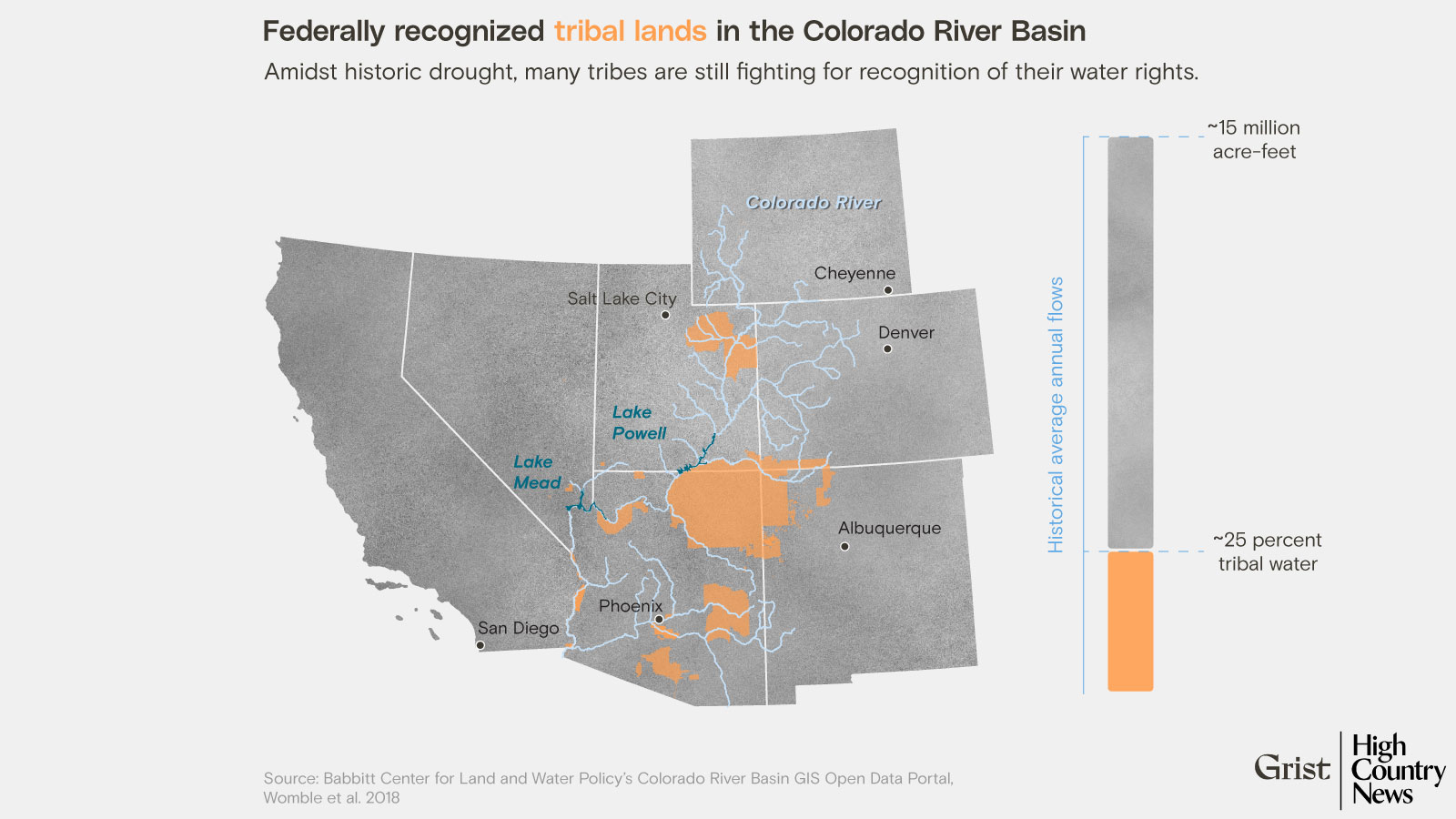
Water Rights: In the arid American West, water is life, and the struggle for water rights is existential. The Winters v. United States (1908) Supreme Court decision established the "Winters Doctrine," which holds that when reservations were created, tribes implicitly reserved enough water to fulfill the purposes of their reservation. These "reserved rights" are often senior to later non-Native water claims. Despite this legal precedent, tribes continue to engage in protracted and expensive litigation or negotiation to quantify and assert their water rights, particularly in river basins like the Colorado River or the Klamath Basin, where competing demands are intense.
-
Resource Extraction and Environmental Justice: Indigenous lands are often rich in natural resources, making them targets for mining, oil and gas drilling, and other extractive industries. These projects frequently threaten sacred sites, traditional ways of life, and environmental health. The Dakota Access Pipeline (DAPL) protests at Standing Rock (2016-2017) became a global symbol of this struggle. The Standing Rock Sioux Tribe, along with allies, fought a legal and spiritual battle against the pipeline’s route, which threatened their water supply and sacred burial grounds. While the pipeline was ultimately completed, the legal challenges raised crucial questions about tribal consultation, environmental impact assessments, and the protection of cultural heritage, demonstrating the interconnectedness of legal rights, identity, and environmental stewardship.
-
Cultural and Religious Freedom: The legal map also includes battles for the preservation of cultural practices and sacred sites. The Native American Graves Protection and Repatriation Act (NAGPRA) of 1990 was a landmark law requiring federal agencies and museums to return ancestral remains and cultural items to lineal descendants and culturally affiliated Native American tribes. This act, while not without its challenges in implementation, was a powerful affirmation of Indigenous identity and the right to care for one’s ancestors. Ongoing battles continue over the protection of sacred sites like Oak Flat in Arizona (Apache) or the San Francisco Peaks (Diné, Hopi, Zuni, and others) from development, highlighting the profound spiritual connection to land that defines Indigenous identity.
-
Gaming and Economic Development: The Indian Gaming Regulatory Act (IGRA) of 1988, spurred by the Supreme Court’s decision in California v. Cabazon Band of Mission Indians (1987), allowed tribes to operate casinos on their lands, generating revenue crucial for self-governance, infrastructure, and social services. This economic self-determination has been transformative for many tribes, yet it has also introduced new legal and political complexities, including disputes over state compacts, taxation, and jurisdiction within reservation boundaries.
Identity, Resilience, and the Future of the Map
The map of Native American legal battles is more than a historical record; it is a living document of enduring identity and profound resilience. Each legal victory, however incremental, reinforces tribal sovereignty and strengthens the ability of Indigenous nations to define and control their own futures. These battles are not merely about land or resources; they are about the right to exist as distinct peoples, to maintain cultural practices, to speak ancestral languages, and to pass on a rich heritage to future generations.
For the traveler and the history enthusiast, understanding this legal landscape is crucial. It transforms a static map into a dynamic tapestry woven with stories of resistance, adaptation, and unwavering spirit. It challenges simplistic narratives and reveals the ongoing impact of history on contemporary Indigenous communities. When you visit a tribal nation, recognize that its existence, its governance, and its ability to share its culture are often the direct result of hard-fought legal and political struggles.
The fight is far from over. New challenges emerge daily, from climate change impacts disproportionately affecting Indigenous communities to ongoing struggles for full federal recognition and equitable access to justice. Yet, the legal landscape is also continually reshaped by the strength of Indigenous advocacy, the increasing awareness of non-Native allies, and a growing understanding within the broader legal system of inherent tribal sovereignty.
In conclusion, the "Map of Native American Legal Battles" is not just a geographical illustration; it’s a testament to the enduring presence and powerful identity of Indigenous peoples across North America. It invites us to look beyond the surface, to learn the stories embedded in the land, and to acknowledge the profound resilience of nations who, against immense odds, continue to assert their rights, protect their heritage, and shape their own destinies. To truly understand this continent, one must understand this map – a map drawn not just with lines, but with sacrifice, sovereignty, and an unwavering hope for justice.

