Unveiling the Layers: A Journey Through the Map of Native American Land Sales and Purchases
The vibrant, often fragmented, map depicting Native American land sales and purchases is far more than a simple cartographic representation of transactions. It is a living, breathing document, a testament to centuries of shifting power dynamics, broken promises, enduring resilience, and the profound spiritual and cultural connection Indigenous peoples hold with their ancestral lands. For the curious traveler and the dedicated student of history, understanding this map is crucial to grasping the true narrative of North America – a story etched not just in deeds and treaties, but in the very identity of its First Nations.
To view this map is to witness the dramatic contraction of Indigenous territories, a visual chronicle of a continent transformed. What began as an unbroken expanse of Native sovereignty gradually receded, piece by piece, under the relentless pressure of colonial expansion and U.S. federal policy. Yet, within these lines and shaded areas lies not just loss, but also the unwavering spirit of survival and the ongoing struggle for recognition and self-determination.
The Dawn of Dispossession: Clash of Worldviews
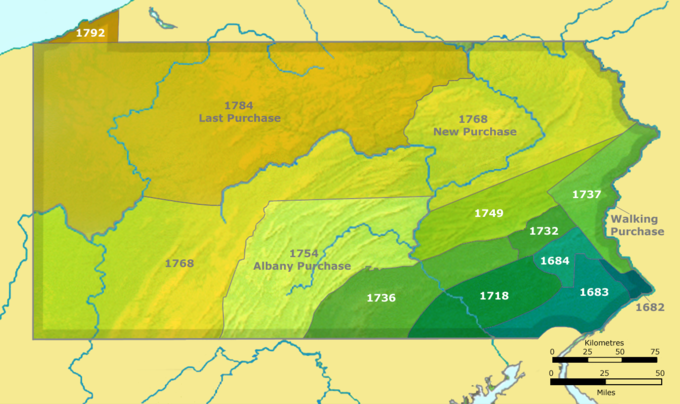
Before the arrival of Europeans, Indigenous nations across North America held diverse and complex systems of land stewardship. Land was not a commodity to be bought and sold, but a sacred entity, a communal resource, the source of life, sustenance, and spiritual identity. Ownership, where it existed, was often understood as the right to use, hunt, or gather within defined territories, rather than exclusive, individual proprietorship in the European sense. Boundaries were fluid, often recognized through oral tradition, shared customs, and respect for neighboring nations.
The arrival of European powers – Spanish, French, Dutch, and British – brought with it a fundamentally different concept: land as private property, a resource to be exploited, claimed, and traded. This ideological clash set the stage for centuries of misunderstanding, exploitation, and ultimately, dispossession. Early European claims were often based on the "Doctrine of Discovery," a legal and religious concept asserting that Christian European nations could claim lands inhabited by non-Christians. This doctrine, later adopted by the nascent United States, provided a legal veneer for the seizure of Indigenous territories.
Initial interactions sometimes involved what appeared to be "purchases," such as the infamous "sale" of Manhattan Island. However, these transactions were often conducted under vastly different interpretations of what was being exchanged. While Europeans believed they were acquiring absolute title, Native peoples often understood themselves to be granting shared use rights or temporary access, never relinquishing their inherent connection to the land. As European settlements grew and their demand for land intensified, these "purchases" increasingly became a means of forced cession, backed by superior military might and devastating diseases that weakened Native populations.
The Era of Treaties and Forced Cessions: The 18th and 19th Centuries

The formation of the United States accelerated the process of land acquisition. The young republic, fueled by the concept of "Manifest Destiny" – the belief in its divinely ordained right to expand westward – viewed Indigenous lands as obstacles to progress and national unity. The map begins to show a flurry of activity during this period, as the U.S. government engaged in hundreds of treaties with Native nations.
These treaties, ostensibly agreements between sovereign entities, were often negotiated under duress, coercion, or outright deception. Native leaders, facing overwhelming military pressure, dwindling resources, and existential threats, were frequently compelled to cede vast territories in exchange for promises of protection, annuities (payments), and designated reservation lands. The map vividly illustrates these cessions, often marked by the dates of specific treaties, showing massive tracts of land changing hands.
One of the most devastating policies was the Indian Removal Act of 1830, championed by President Andrew Jackson. This act authorized the forced relocation of Southeastern Indigenous nations, including the Cherokee, Choctaw, Chickasaw, Creek, and Seminole, from their ancestral homelands to lands west of the Mississippi River. The infamous "Trail of Tears," the forced march of the Cherokee, exemplifies the brutality of this policy, resulting in the deaths of thousands and the loss of millions of acres of fertile land. The map, in this period, becomes a stark visual of forced migration and ethnic cleansing.
As the United States pushed westward, the pattern repeated: exploration, settlement, conflict, treaty, cession. The gold rushes in California and the Black Hills, the construction of railroads, and the insatiable demand for agricultural land further fueled the pressure on Indigenous territories. Each treaty, whether signed under protest or through negotiation, chipped away at Native sovereignty, reducing their land base and disrupting their traditional ways of life. The lines on the map delineate not just land transfers, but the shrinking boundaries of cultural survival.

The Allotment Era: Fragmenting Identity and Land (1887-1934)
By the late 19th century, the vast majority of Indigenous lands had been ceded, and Native peoples were confined to reservations. However, even these remaining territories were not safe. The Dawes General Allotment Act of 1887 marked a new, insidious phase of land dispossession, cloaked in the guise of "civilizing" Native Americans.
The policy aimed to break up communally held reservation lands into individual plots (allotments) for Native families. The idea was to transform Native people into yeoman farmers, assimilate them into mainstream American society, and dismantle their tribal structures. While some land was allotted, the "surplus" lands – often millions of acres – were declared open for sale to non-Native settlers, further fragmenting reservations and reducing the overall Native land base.
The map during the allotment era shows reservations becoming checkerboards of ownership, with non-Native parcels interspersed among Native-owned lands. This policy had catastrophic consequences. It undermined traditional communal land use, disrupted cultural practices tied to shared territories, and led to further economic hardship. Many Native people, unfamiliar with the concept of individual land ownership or lacking the resources to farm, lost their allotments through various means, including fraud and tax sales. The Dawes Act resulted in the loss of nearly two-thirds of the remaining Native American land base, shrinking it from approximately 138 million acres in 1887 to 48 million acres by 1934. The map tells a story of systematic land theft, disguised as benevolence, that continues to impact tribal land management and sovereignty today.
The 20th Century and Beyond: Resilience and Reclaiming
The mid-20th century brought further challenges, including the "Termination Era" (1950s-1960s), during which the U.S. government sought to end its trust relationship with many tribes, leading to the loss of federal recognition and, once again, the further alienation of tribal lands. The map would show some tribal entities simply disappearing from federal recognition, their lands absorbed into the surrounding states.

However, Native nations are not merely victims of history; they are powerful agents of change and resilience. The "Self-Determination Era," beginning in the 1970s, marked a significant shift. Tribes began to regain control over their affairs, manage their own resources, and assert their inherent sovereignty. Legal battles for land claims, water rights, and treaty enforcement became increasingly common. While large-scale land recovery remains challenging, tribes have made strides in reacquiring ancestral lands through purchase, federal programs, and legal victories. The map, in its contemporary form, shows the boundaries of federally recognized reservations, tribal trust lands, and other areas under Indigenous jurisdiction, representing the enduring presence and authority of Native nations.
The Map as a Narrative of Identity: For Travelers and Educators
For anyone traveling through North America, especially within or near Indigenous territories, understanding the map of Native American land sales and purchases is paramount. It transforms a landscape from a mere geographical expanse into a deeply layered historical and cultural narrative.
For Identity: This map is central to Indigenous identity because land is central to Native cultures. It represents not just physical space, but spiritual connection, ancestral memory, traditional knowledge, and the very foundation of communal life. Every lost acre is a wound, every remaining parcel a testament to perseverance. The map illustrates how Indigenous peoples, despite centuries of dispossession, have maintained their cultural distinctiveness and their connection to the land, even when physically separated from it. It highlights the ongoing importance of land for cultural revitalization, economic development, and the exercise of sovereignty.
For Travelers:
- Respect and Awareness: When you visit a national park, a scenic vista, or a bustling city, remember that these lands were once, and in many cases still are, Indigenous territories. Understanding the history of their acquisition fosters a deeper respect for the land and its original inhabitants.
- Beyond the Stereotype: This map helps dismantle romanticized or simplistic notions of Native Americans. It reveals a complex history of political negotiation, legal struggle, and cultural endurance, rather than just "vanishing" peoples.
- Supporting Indigenous Communities: Many Native nations now engage in cultural tourism, operate casinos, or offer unique travel experiences. Understanding the historical context of their land base helps travelers appreciate the economic and cultural significance of these ventures, which are often vital for tribal self-sufficiency after centuries of resource deprivation.
- Engaging with Sovereignty: Recognizing the boundaries on the map means acknowledging tribal sovereignty. When you enter reservation lands, you are entering another nation. Respecting their laws, customs, and environmental regulations is a direct outcome of understanding this map.
For Educators:
- A Powerful Visual Aid: The map is an unparalleled tool for teaching about American history from an Indigenous perspective. It visually debunks myths of empty lands and peaceful acquisition, presenting a more accurate, nuanced, and often painful truth.
- Connecting Past and Present: It directly links historical policies to contemporary issues faced by Native communities, such as land tenure challenges, resource rights disputes, and the ongoing struggle for self-determination.
- Fostering Empathy and Critical Thinking: By showing the profound impact of land loss on Indigenous cultures and identities, the map encourages students to think critically about power, justice, and the consequences of historical decisions.
- Promoting Indigenous Voices: Using this map as a starting point encourages further exploration of primary sources, oral histories, and contemporary writings by Native authors, ensuring that Indigenous voices are central to the narrative.
Conclusion
The map of Native American land sales and purchases is not merely a historical artifact; it is a dynamic, evolving narrative. It represents the relentless march of westward expansion, the often-unjust mechanisms of land acquisition, and the profound, enduring impact on Indigenous nations. But critically, it also stands as a powerful testament to Native resilience, their unbreakable spiritual and cultural ties to the land, and their ongoing fight for sovereignty and self-determination. For anyone seeking a deeper understanding of North America, this map is an indispensable guide – a journey through loss, resistance, and the vibrant, persistent identity of its First Peoples. It invites us to look beyond the surface, to see the stories embedded in the landscape, and to honor the enduring presence of Indigenous nations across the continent.

