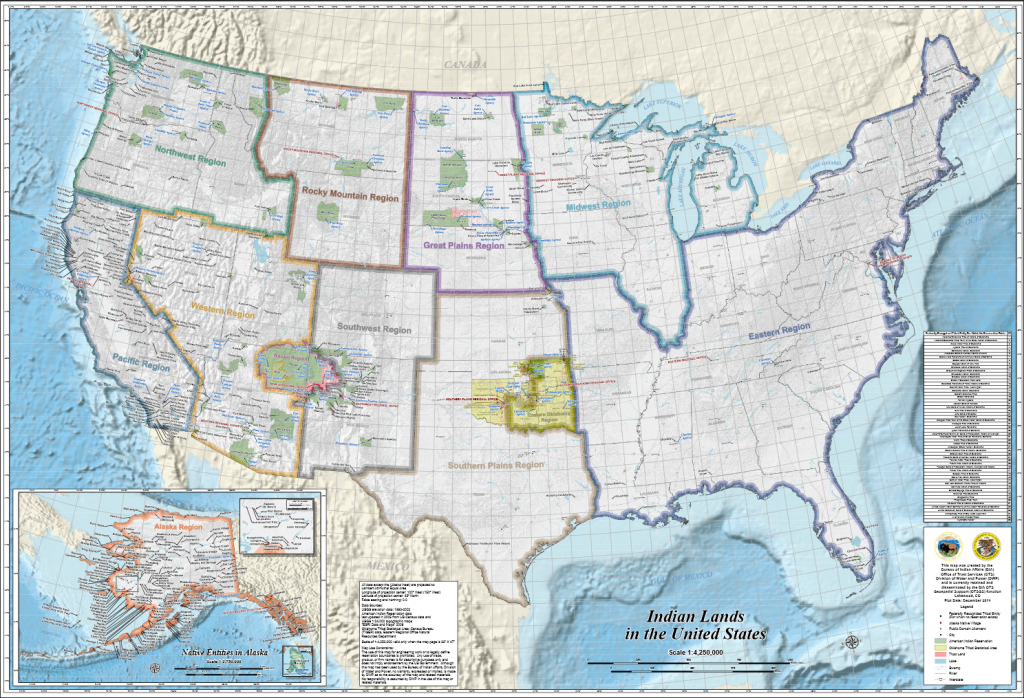
Mapping Resilience: Unveiling the Story of Native American Land Reclamation
A map of Native American land reclamation is far more than just lines and colors on a page; it is a living document, a testament to resilience, a blueprint for justice, and a profound declaration of identity. For anyone interested in the true history of North America, or in ethical, meaningful travel, understanding such a map unlocks a deeper connection to the land and its original stewards. This isn’t merely about returning parcels of earth; it’s about restoring sovereignty, revitalizing cultures, healing historical trauma, and forging a sustainable future rooted in ancient wisdom.
The Map as a Historical Tapestry: From Ancestral Domains to Fragmented Reserves
To appreciate the significance of a land reclamation map, one must first grasp the vast scale of what was lost. Prior to European contact, the North American continent was a mosaic of diverse Indigenous nations, each with distinct languages, governance systems, spiritual practices, and deep-seated relationships with their ancestral territories. These territories were not static; they evolved with the movements of peoples, the migrations of animals, and the rhythms of the seasons. A pre-colonial map would illustrate an intricate web of interconnected communities, trade routes, and sacred sites, demonstrating a profound and sustainable human presence across the land.
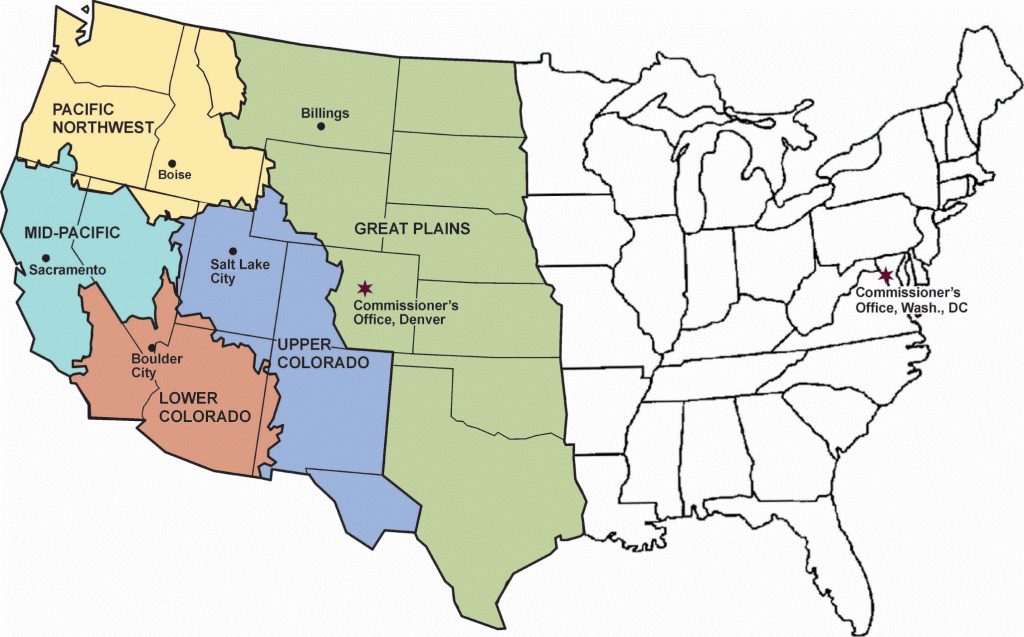
The arrival of European colonizers shattered this intricate balance. From the 17th century onwards, through a brutal combination of disease, warfare, forced removal, and broken treaties, Indigenous peoples were dispossessed of the vast majority of their lands. The infamous Indian Removal Act of 1830, leading to the "Trail of Tears," saw the forced relocation of southeastern tribes to Indian Territory (present-day Oklahoma). Subsequent policies, like the General Allotment Act (Dawes Act) of 1887, further fragmented tribal landholdings, carving up communal lands into individual plots, often sold off to non-Native settlers, resulting in a staggering loss of 90 million acres of tribal land by 1934.
The map of today reflects this history: small, often disconnected reservations represent a mere fraction of ancestral domains. These reservations, frequently located on lands deemed undesirable by settlers, were designed to contain and control Indigenous populations, disrupting traditional economies and cultural practices. A land reclamation map explicitly overlays these historical layers: showing vast ancestral territories, highlighting the stark contrast with current, diminished reservation boundaries, and then pointing to the nascent but powerful movement to reclaim what was lost. It’s a visual narrative of immense dispossession followed by an ongoing, determined struggle for resurgence.
The Heart of Identity: Land, Culture, and Sovereignty
For Indigenous peoples, land is not merely property or a resource; it is the cornerstone of identity, spirituality, language, and cultural continuity. Ancestral lands are where creation stories are rooted, where traditional ceremonies are performed, where plant medicines are gathered, and where generations of ancestors are buried. The forced removal from these lands was not just an economic or political act; it was a spiritual wound, an assault on identity, and a profound attempt to sever the ties that define a people.
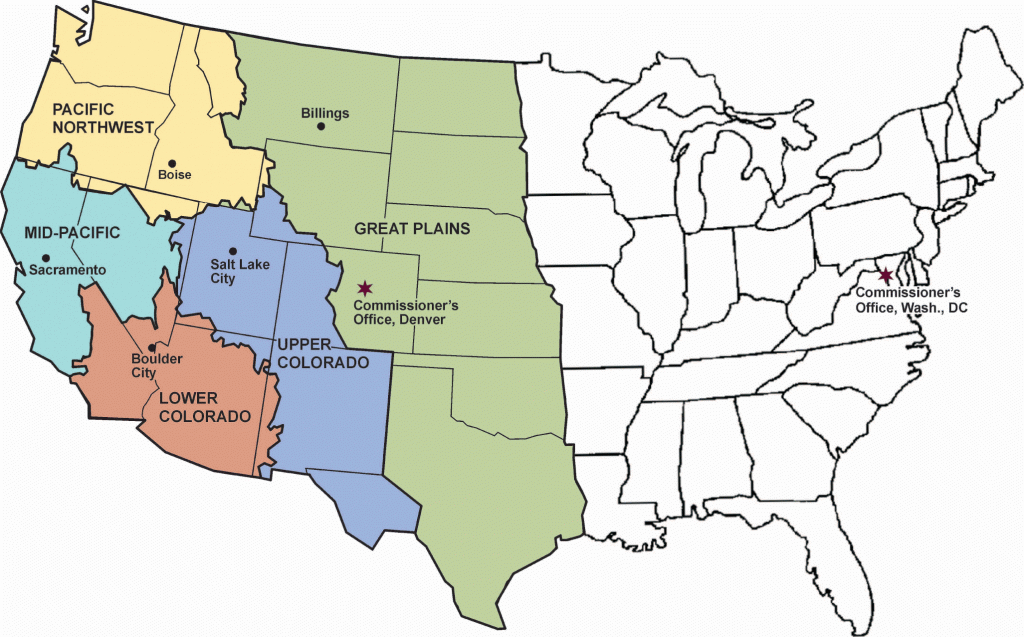
The act of land reclamation, therefore, is an act of cultural revitalization. When land is returned, it allows for the resurgence of traditional ecological knowledge (TEK), which emphasizes sustainable stewardship, deep observation of ecosystems, and a reciprocal relationship with nature. It enables the teaching of ancestral languages in their native environments, the re-establishment of food systems based on indigenous crops and hunting practices, and the re-connection to sacred sites essential for spiritual well-being. This re-connection strengthens tribal sovereignty – the inherent right of Indigenous nations to govern themselves – by providing a tangible foundation for self-determination.
A land reclamation map highlights areas where this healing is actively taking place. It points to parcels where Indigenous communities are regaining control over forests, rivers, mountains, and prairies, allowing them to manage these lands according to their own values and traditions, often in stark contrast to conventional resource extraction models. This isn’t just about owning land; it’s about the right to be oneself on one’s own terms, rooted in one’s own heritage.
The "Land Back" Movement: Diverse Avenues of Reclamation
The concept of "Land Back" is the driving force behind the reclamation map. It encompasses a wide spectrum of efforts, from grassroots activism to complex legal and political negotiations. It’s not a monolithic movement but a collective call for justice that manifests in various forms:
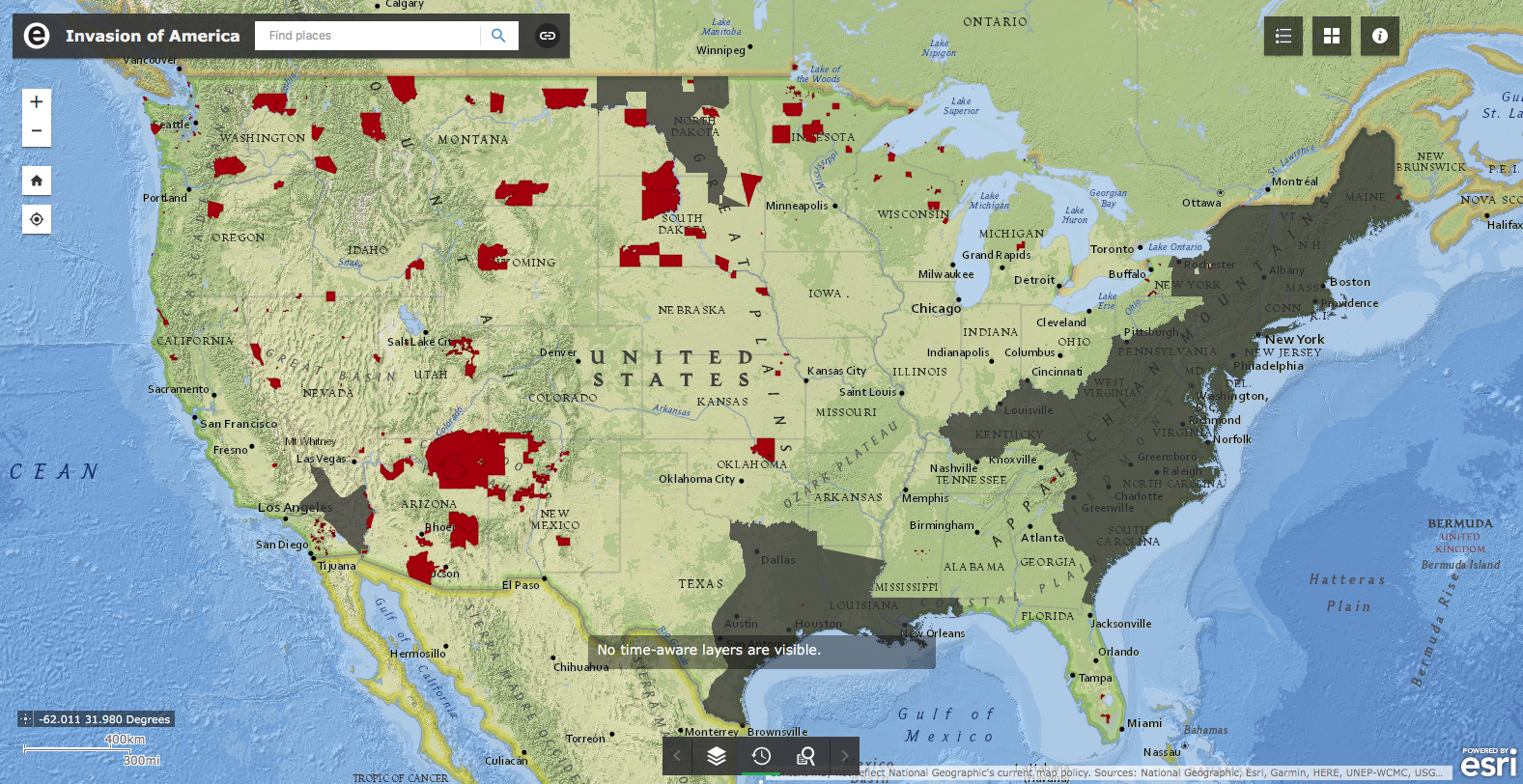
- Legal Battles and Treaty Rights: Many tribes continue to assert their inherent rights through federal courts, challenging historical injustices and broken treaties. Victories, such as the Supreme Court’s McGirt v. Oklahoma decision in 2020, which affirmed a large portion of eastern Oklahoma as reservation land for the Muscogee (Creek) Nation, demonstrate the power of legal recourse in restoring tribal jurisdiction.
- Federal Land Returns: The U.S. government, through various legislative acts and administrative decisions, has returned significant parcels of federal land to tribal ownership or co-management. Iconic examples include the return of sacred sites like portions of Bears Ears National Monument to the co-management of a consortium of tribal nations, or the transfer of national park lands back to Indigenous stewardship.
- Private Land Philanthropy and Purchase: Individuals, foundations, and land trusts are increasingly recognizing the moral imperative to return privately held lands to Indigenous communities. This can involve direct donations, facilitated purchases, or conservation easements that prioritize Indigenous management.
- Co-Management Agreements: Even without outright ownership, tribes are forging partnerships with state and federal agencies to co-manage public lands, ensuring Indigenous voices and traditional ecological knowledge are central to conservation and resource management decisions. This includes hunting and fishing rights, water rights, and access to sacred sites.
- Urban Land Repatriation: The movement extends beyond rural areas, with efforts to return or establish Indigenous cultural centers and land trusts in urban settings, acknowledging the presence of Indigenous peoples in all areas and providing spaces for community and cultural practice.

A land reclamation map visually charts these diverse victories, big and small, demonstrating that the movement is gaining momentum across the continent, highlighting areas where Indigenous self-determination is being reasserted.
Travel and Education: Engaging with the Map Responsibly
For the modern traveler and history enthusiast, a map of Native American land reclamation serves as an invaluable guide, challenging conventional narratives and opening doors to profound experiences.
For the Traveler:
This map transforms travel from passive observation to active engagement. It encourages:
- Ethical Tourism: By understanding which lands are being reclaimed or are under tribal stewardship, travelers can prioritize supporting Indigenous-owned businesses, guides, and cultural centers. This ensures that tourism directly benefits the communities whose lands are being visited.
- Respectful Engagement: The map highlights sacred sites and culturally sensitive areas. Travelers are encouraged to learn and adhere to tribal protocols, seek permission when necessary, and approach these places with reverence and humility. It means understanding that a "tourist attraction" might be a living, sacred place.
- Deep Learning: Instead of superficial sightseeing, this map inspires deeper dives into local Indigenous histories, languages, and contemporary issues. It promotes visiting tribal museums, attending public cultural events (when invited), and engaging with tribal members to learn directly from their perspectives.
- Moving Beyond Stereotypes: Experiencing Indigenous cultures on their own terms, on their own land, shatters harmful stereotypes and reveals the incredible diversity, resilience, and modernity of Native American nations. It fosters an appreciation for ongoing contributions to art, science, environmental stewardship, and governance.
For Historical Education:
As an educational tool, the land reclamation map is unparalleled:
- Visualizing Injustice and Resilience: It graphically demonstrates the immense scale of historical land loss and the ongoing efforts to reverse it, providing a powerful visual counter-narrative to Eurocentric histories.
- Promoting Critical Thinking: It prompts questions about land ownership, sovereignty, treaty obligations, and environmental justice, fostering a more nuanced understanding of American history.
- Highlighting Contemporary Relevance: It shows that Indigenous issues are not relegated to the past but are vibrant, complex, and deeply relevant to contemporary challenges like climate change, resource management, and social justice.
- Inspiring Action: By illustrating where land has been reclaimed, it offers hope and demonstrates the power of advocacy, legal action, and community organizing, encouraging students and the public to become informed allies.
Challenges and the Future: A Long Road Ahead
While the land reclamation map points to significant victories, it also implicitly reveals the immense challenges that remain. Many ancestral lands are still under federal, state, or private ownership, often developed or heavily impacted. Legal battles are costly and lengthy, political will can be fickle, and societal understanding still lags behind. Issues of jurisdiction, resource management, and funding continue to be hurdles.
However, the map also symbolizes an enduring vision. It is a dynamic document that will continue to evolve as more land is returned, as more co-management agreements are forged, and as Indigenous sovereignty is increasingly recognized and respected. The future envisioned by this map is one where Indigenous nations are empowered to heal their lands and communities, contributing their unique wisdom to a global conversation about sustainability, justice, and humanity’s relationship with the natural world.
Conclusion: A Map of Hope and Reconciliation
A map of Native American land reclamation is more than just geography; it is a powerful declaration of presence, a reminder of historical wrongs, and a beacon of hope for a more just future. It tells a story of profound loss, but also of incredible resilience, unwavering identity, and determined resurgence. For the traveler, it offers a pathway to ethical engagement and deeper understanding. For the student of history, it provides an essential lens through which to comprehend the past and present. Ultimately, this map is a call to action, urging us all to acknowledge the true history of this continent, support the ongoing efforts of Indigenous nations, and participate in the vital journey towards reconciliation, healing, and a future where the land and its original peoples thrive together.

