
Tracing Dispossession and Resilience: A Map of Native American Land Grants
A map detailing Native American land grants is far more than a cartographical exercise; it is a profound historical document, a stark visual narrative of dispossession, resistance, and enduring identity. Far from denoting benevolent gifts, these maps typically chart the shrinking territories, forced cessions, and the complex, often fractured, remnants of lands retained by Indigenous peoples across North America. For anyone seeking to understand the true history of the United States and Canada, and the ongoing struggles and triumphs of Native nations, this map is an indispensable, albeit often painful, guide.
Before delving into the specifics of "land grants," it’s crucial to understand the pre-colonial landscape. North America was not an empty wilderness awaiting discovery; it was a vibrant tapestry of diverse nations, each with its own sophisticated governance, intricate cultural practices, and deep, spiritual connections to specific territories. Hundreds of distinct tribes, speaking hundreds of languages, lived sustainably across the continent for millennia. Their lands were not mere commodities; they were integral to their spiritual beliefs, economic systems, social structures, and very identities. Rivers, mountains, forests, and plains were not just geographical features but sacred entities, repositories of ancestral knowledge, and providers of sustenance. When Europeans arrived, they encountered a continent already rich in human history and complex societies, not a blank slate.
The concept of "land grant" in this context is inherently problematic. It implies that land was given to Native Americans by a superior authority, when in reality, Native peoples were the original inhabitants and sovereign owners. What these maps primarily illustrate are the results of land cession – the process by which Indigenous peoples were compelled, through treaties, coercion, war, or legislative acts, to relinquish vast expanses of their ancestral territories to European colonial powers and later, the United States and Canadian governments. The lands that remained, often much smaller and less desirable, were then "reserved" for tribal use, sometimes referred to as "grants" or "reservations." These were not gifts, but often the last vestiges of a once boundless domain.
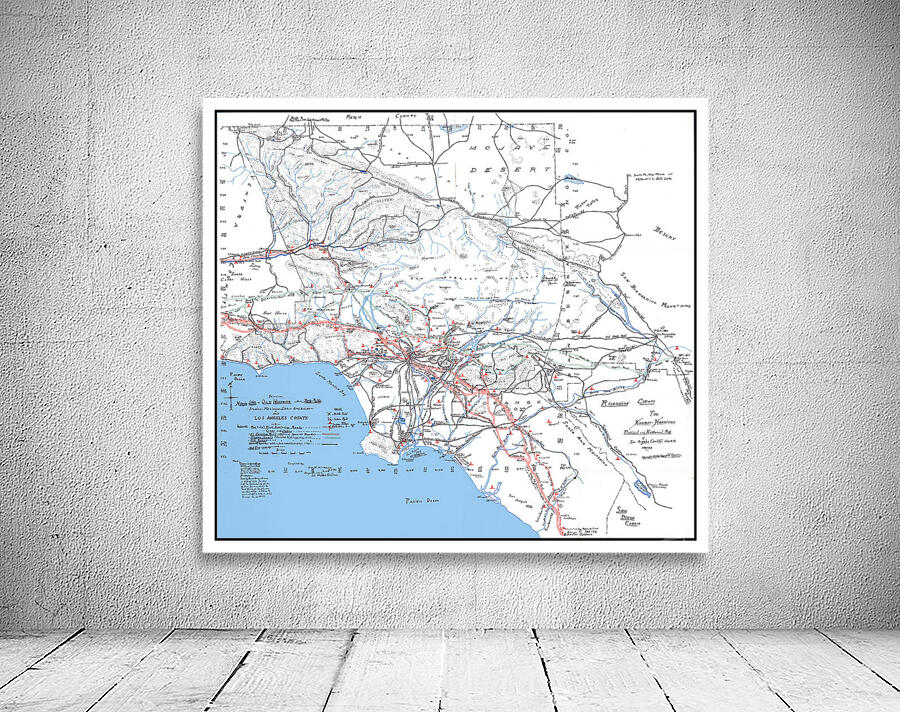
The historical trajectory laid bare by such a map typically begins in the 17th and 18th centuries with the initial encounters between European settlers and Native nations. Early interactions often involved treaties of peace and friendship, which sometimes recognized Native title to land. However, as colonial ambitions grew and settler populations expanded, these agreements were increasingly violated. The Doctrine of Discovery, a legal concept rooted in European imperial claims, asserted that European nations had the right to claim lands inhabited by non-Christians, effectively denying Indigenous sovereignty from the outset.
The 19th century witnessed the most dramatic and devastating period of land loss. The burgeoning United States, driven by notions of "Manifest Destiny" and an insatiable desire for land and resources, systematically pursued policies aimed at dispossessing Native peoples. The Indian Removal Act of 1830, championed by President Andrew Jackson, epitomizes this era. This act led to the forced relocation of thousands of Native Americans, most infamously the Cherokee, Choctaw, Chickasaw, Creek, and Seminole nations, from their ancestral lands in the southeastern United States to Indian Territory (present-day Oklahoma). The maps from this period show massive swathes of land in the East changing from Native to state or federal control, replaced by smaller, often distant, "reservations" in the West. The infamous "Trail of Tears" is a grim testament to the human cost of these land policies.
Following removal, the focus shifted to confining tribes to reservations. These were lands "set aside" by treaty or executive order, ostensibly for the exclusive use and benefit of Native Americans. However, these reservations were often a fraction of their original territories, frequently located in areas considered undesirable by settlers, and designed to isolate and control Native populations. The boundaries of these reservations, as depicted on the map, represent a new, constrained reality for many tribes, a stark contrast to their previous nomadic or extensive land use patterns.
Perhaps the most destructive policy reflected on these maps is the Dawes General Allotment Act of 1887. Driven by the misguided belief that private land ownership would "civilize" Native Americans and assimilate them into mainstream society, the Dawes Act broke up communal tribal lands into individual allotments. Each Native head of household was given a parcel of land (typically 160 acres), with smaller parcels for others. Crucially, any "surplus" land – land remaining after all tribal members had received their allotments – was then declared "public domain" and opened up to non-Native settlers. This policy was catastrophic, resulting in the loss of approximately two-thirds of the remaining Native American land base between 1887 and 1934, reducing it from 138 million acres to 48 million acres.

A map showing the effects of the Dawes Act is a checkerboard puzzle of land ownership. Areas that were once solid blocks of tribal land become fragmented, with parcels owned by individual Native Americans interspersed with non-Native farms, ranches, and towns. This "checkerboarding" created immense challenges for tribal governance, resource management, and cultural cohesion, legacies that persist to this day. It also illustrates the insidious way in which land was stripped away, piece by piece, even from within the designated reservation boundaries.
Beyond federal policies, the map also speaks to the diverse and complex ways different tribes experienced land loss and retention. Some tribes, through strategic alliances or fierce resistance, managed to retain larger or more cohesive land bases. Others, particularly those in resource-rich areas coveted by settlers, faced near-total displacement. The map also implicitly highlights the legal concept of "unceded territory," lands that were never formally relinquished by treaty, despite being occupied and claimed by colonial powers. Many contemporary land claims and Indigenous rights movements are rooted in the assertion of title to these unceded lands.
The visual narrative of such a map, therefore, is one of relentless contraction and fragmentation. It begins with vast, undefined Indigenous territories, shrinks to defined but extensive treaty lands, further constricts into smaller reservations, and finally, fragments into a patchwork of individual allotments and "surplus" lands. Each line, each shaded area, represents a historical struggle, a broken promise, a cultural upheaval, and often, a tragic loss of life and way of life.
However, the map is not solely a story of loss; it is also a testament to incredible resilience and the enduring power of identity. Despite the systematic attempts at dispossession and assimilation, Native American nations have survived. The lands that were retained, however diminished, became the physical and spiritual anchors for cultural preservation, language revitalization, and the assertion of tribal sovereignty. These "land grants," often hard-won or fiercely defended, are the foundation upon which contemporary Native nations exercise their inherent right to self-governance.

For Native Americans, land is not merely an economic asset; it is identity. It embodies ancestral spirits, sacred sites, traditional ecological knowledge, and the very essence of cultural continuity. To be separated from one’s land is to be separated from one’s history, one’s community, and one’s self. Therefore, the fight to retain, reclaim, and protect these lands is a fight for cultural survival and self-determination. The map reflects this ongoing struggle, highlighting current tribal lands that are fiercely protected, and areas where tribes are actively working to buy back ancestral lands or assert co-management rights over public lands that were once theirs.
For travelers and those interested in history education, understanding this map is paramount. It reframes the conventional narrative of American and Canadian history, moving beyond simplistic notions of "settlement" to acknowledge the profound human and environmental costs of colonization. When visiting national parks, historical sites, or even driving through rural areas, a mental overlay of this map allows one to see the landscape through a different lens – one that recognizes the layers of history, the original inhabitants, and the ongoing presence of Native nations.
Responsible tourism in areas with significant Native American history or active tribal communities requires this understanding. It means recognizing that you are often on ancestral lands, respecting tribal sovereignty, supporting Native-owned businesses, and learning directly from tribal members about their history, culture, and contemporary issues. It challenges visitors to move beyond stereotypes and appreciate the rich, diverse cultures that have persisted against immense odds.
Ultimately, a map of Native American land grants is a powerful educational tool. It forces a confrontation with uncomfortable truths about national origins, but also inspires awe at the resilience, adaptability, and unwavering spirit of Indigenous peoples. It’s a living document, a reminder that history is not static, and that the relationship between land, identity, and sovereignty for Native nations remains a vital, evolving narrative. To truly comprehend the modern landscape of North America, one must first grasp the profound and complex story etched into these maps of dispossession and enduring presence.


