
Here’s an article of approximately 1200 words explaining the "Map of Native American International Relations," suitable for a travel and history education blog.
>
Beyond Borders: Unveiling the Ancient Map of Native American International Relations
Forget the static, simplistic maps you learned in school. The true geopolitical landscape of what we now call North America, long before European colonization, was a vibrant, complex tapestry woven with intricate diplomatic threads. Native American nations weren’t isolated pockets; they were sovereign entities engaged in sophisticated "international relations" – a dynamic map of alliances, trade, conflicts, and cultural exchanges that shaped identities and territories for millennia. For any traveler or history enthusiast seeking a deeper understanding, unraveling this ancient map is crucial to appreciating the enduring legacy and resilience of Indigenous peoples.

The Pre-Columbian Nexus: A Hemisphere of Diplomacy
Before the arrival of Columbus, North America was a continent of hundreds of distinct nations, each with its own language, governance, spiritual beliefs, and sophisticated understanding of its place in the world. To view these diverse peoples as a monolithic "Native American" bloc is to miss the profound complexity of their interactions. They were akin to the nations of Europe or Asia, engaged in a constant dance of diplomacy, resource management, and strategic alliances.
The Haudenosaunee Confederacy (Iroquois) – A Paragon of Inter-Nation Governance: Perhaps the most famous example of pre-Columbian international relations is the Haudenosaunee Confederacy, often known as the Iroquois League. Comprising the Mohawk, Oneida, Onondaga, Cayuga, and Seneca nations (later joined by the Tuscarora), this wasn’t merely an alliance but a powerful political and military union formed centuries before European contact. Governed by the Great Law of Peace (Gayanashagowa), a constitution outlining shared governance, dispute resolution, and collective defense, the Haudenosaunee Confederacy exerted immense influence over a vast territory spanning parts of present-day New York, Pennsylvania, and Ontario. Their system, with its checks and balances and emphasis on consensus, is even believed by some historians to have influenced the framers of the U.S. Constitution. This confederacy exemplifies the capacity for distinct nations to unite for common purpose, negotiate internally, and project power externally.
Vast Trade Networks – Arteries of Diplomacy: Beyond formal political unions, extensive trade networks crisscrossed the continent, acting as vital arteries for cultural exchange and diplomatic ties. Obsidian from the Rocky Mountains, copper from the Great Lakes, marine shells from the Pacific and Gulf Coasts, and turquoise from the Southwest traveled thousands of miles, facilitating not just commerce but also the exchange of ideas, technologies, and diplomatic envoys. The Mississippian cultures, for instance, with their grand mound cities like Cahokia, were central hubs in a vast network that connected communities from the Great Lakes to the Gulf of Mexico. These networks required intricate negotiation, safe passage agreements, and a shared understanding of protocols – the very essence of international relations.
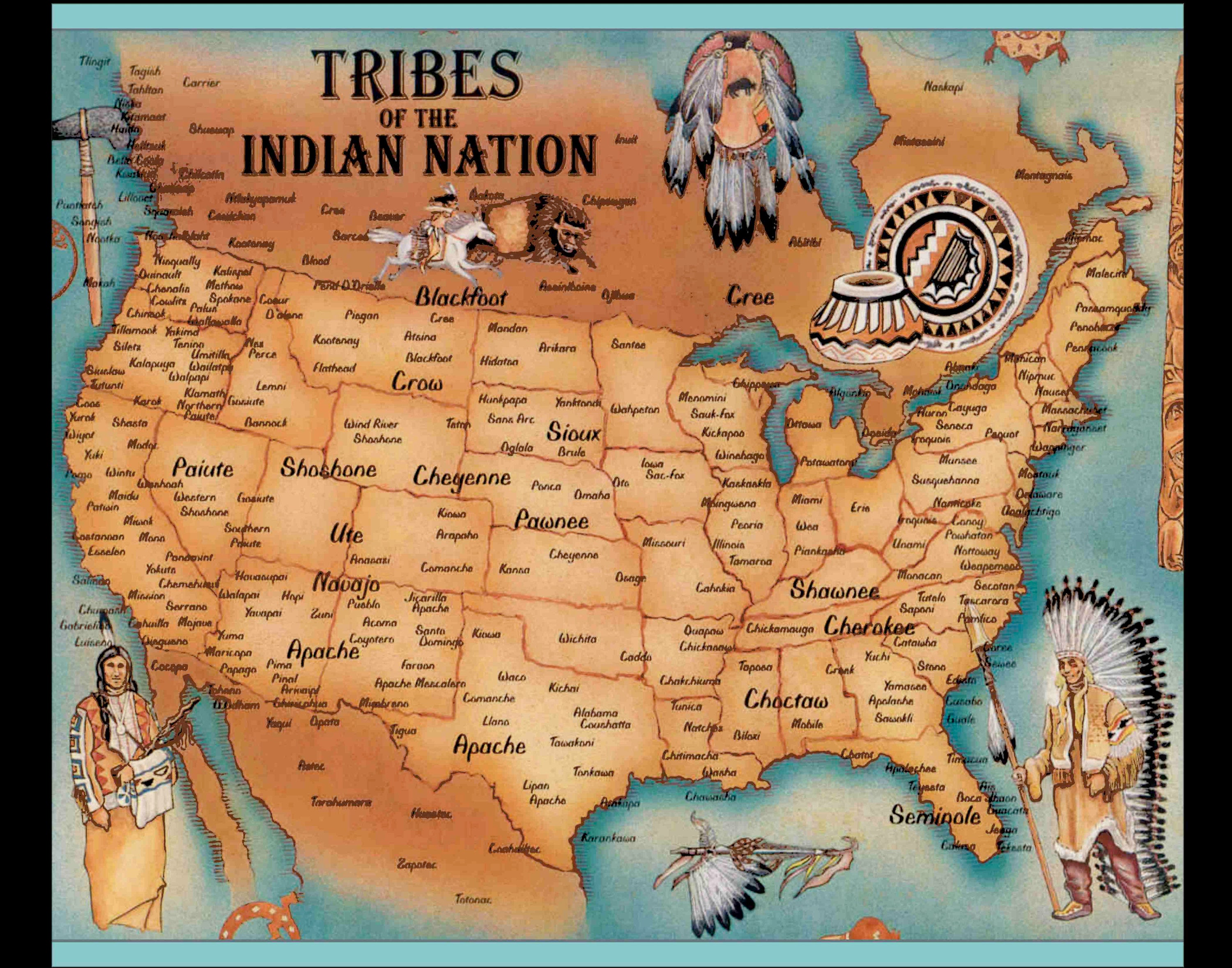
The Pueblo Peoples – Enduring Alliances and Defense: In the Southwest, the Pueblo peoples, with their ancient cities carved into cliffs and mesas, developed sophisticated defensive alliances and trade relationships over centuries. The shared threat of nomadic raiders, coupled with the need for diverse resources, fostered a web of interconnected communities that maintained peace through ritual, diplomacy, and sometimes, joint military action. Their identity was often tied to their specific village, but their survival depended on a broader network of relations.
Conflict and Resolution: It wasn’t always peace. Inter-tribal conflicts over hunting grounds, resources, or honor were also part of the pre-Columbian landscape. However, these conflicts often operated within established frameworks, with rituals for warfare, prisoner exchange, and peace treaties sealed with wampum belts or calumets (peace pipes). Wampum belts, in particular, were not merely decorative; they were living documents, mnemonic devices recording treaties, agreements, and historical narratives, passed down through generations and "read" by designated keepers. This demonstrates a deep understanding of record-keeping and diplomatic protocol.
European Arrival: A New Geopolitical Chessboard
The arrival of Europeans didn’t initiate international relations in North America; it merely introduced new, often disruptive, players into an existing, complex system. Native nations quickly grasped the geopolitical opportunities and threats presented by the newcomers.

Playing Powers Against Each Other: From the moment European powers began vying for control – the Spanish in the South, the French in the North, the Dutch and English along the Atlantic coast – Native nations leveraged their strategic positions. The Haudenosaunee, for example, expertly played the French against the Dutch and then the British, shifting alliances to maintain their autonomy and expand their influence, often using their neutrality as a powerful bargaining chip. Similarly, the Huron-Wendat Confederacy allied with the French against their traditional enemies, the Haudenosaunee, leading to devastating Beaver Wars that reshaped the demographic and political map of the Northeast.
Trade as Diplomacy and Dependency: European trade goods – metal tools, firearms, textiles – quickly became integrated into Native economies, often shifting existing power dynamics. Access to these goods could bolster a nation’s military strength or economic prosperity. However, this also created new dependencies. The fur trade, for instance, became a central driver of many diplomatic relationships, leading to both immense wealth for some nations and increased competition and conflict over trapping territories.
Disease – The Invisible Weapon: European diseases, against which Native peoples had no immunity, were perhaps the most devastating force. Epidemics ravaged communities, wiping out entire populations and destabilizing alliances, sometimes inadvertently benefiting European colonial expansion by weakening Native resistance. This demographic catastrophe profoundly altered the map of international relations, creating power vacuums and forcing survivors to forge new identities and alliances.
The Era of Treaties: Shifting Sovereignty and Betrayal
As European colonial powers solidified their claims and, eventually, the United States and Canada emerged, the nature of Native American international relations underwent a fundamental, often tragic, transformation.
Treaties Between Sovereign Nations: Initially, both the European powers and later the U.S. and Canadian governments, recognized Native nations as sovereign entities capable of entering into treaties. These treaties, often written in formal language, ceded land, established boundaries, guaranteed hunting rights, and promised protection. From the Treaty of Fort Stanwix with the Haudenosaunee to the numerous treaties with Plains tribes, these documents were, in principle, agreements between equals. The very act of signing a treaty affirmed the international status of Native nations.

The Doctrine of Discovery and Manifest Destiny: However, the concept of "sovereignty" began to erode under the weight of colonial expansionism and the "Doctrine of Discovery," which asserted European (and later American) rights to land based on discovery, irrespective of Indigenous occupancy. This ideology, coupled with "Manifest Destiny" in the U.S., led to a systematic undermining and breaking of treaties. Land cessions became forced removals, and promises of protection turned into policies of assimilation and subjugation.
Legal Battles and Resistance: Despite this, Native nations continued to assert their sovereignty through various means. The Cherokee Nation, for example, famously took their case to the U.S. Supreme Court in the 1830s, leading to landmark decisions (Cherokee Nation v. Georgia, Worcester v. Georgia) that recognized them as "domestic dependent nations" – a unique status that, while limiting, affirmed their distinct governmental authority within the U.S. border. Leaders like Tecumseh attempted to forge pan-tribal alliances to resist American expansion, demonstrating a continued commitment to broad-scale diplomatic and military strategy. The protracted Plains Wars and the resistance of nations like the Lakota, Cheyenne, and Apache further underscored the enduring will to self-determination.
Resilience and Reaffirmation: The Modern Map
The 20th and 21st centuries have seen a remarkable resurgence of Native American sovereignty, identity, and international engagement, redefining the modern map of their relations.
Self-Determination and Nation Building: After decades of assimilation policies (like boarding schools) and federal termination policies, the mid-20th century brought a shift towards self-determination. Tribal nations began rebuilding their governments, economies, and cultural institutions. Today, there are over 570 federally recognized tribes in the U.S. and over 630 First Nations in Canada, each operating as a distinct sovereign government with unique laws, courts, and leadership. This internal nation-building is a continuation of the ancient diplomatic tradition, focused on self-governance and cultural preservation.
Cross-Border Relations and Global Indigenous Rights: Many Native nations have ancestral lands that straddle the modern U.S.-Canada or U.S.-Mexico borders, creating unique cross-border international relations that predate and often defy contemporary national boundaries. The Haudenosaunee, for instance, issue their own passports, recognized by some international bodies. Furthermore, Native American leaders actively engage on the global stage, advocating for Indigenous rights at the United Nations and other international forums, forging alliances with Indigenous peoples worldwide. The UN Declaration on the Rights of Indigenous Peoples (UNDRIP) is a testament to this global diplomatic effort.
Cultural Identity as a Diplomatic Tool: For many Native nations, the revitalization of language, ceremonies, and traditional governance structures is not just about cultural preservation; it’s a powerful assertion of identity and sovereignty. Cultural centers, museums, and educational programs serve as vital diplomatic outposts, educating both their own members and the broader public about their unique histories and contemporary realities.
The Enduring Legacy: A Traveler’s Guide to Understanding
For the modern traveler and student of history, understanding this complex "map of Native American international relations" is more than just academic. It’s essential for respectful engagement and a deeper appreciation of the continent’s true heritage.
When you travel across North America, remember that you are not just traversing states or provinces; you are often on the ancestral lands of sovereign nations whose histories stretch back thousands of years.
- Visit Tribal Cultural Centers and Museums: These institutions are gateways to understanding specific nations’ histories, diplomatic practices, and ongoing contributions. They offer authentic perspectives often missing from mainstream narratives.
- Support Native Businesses and Artists: Engaging economically with tribal communities is a tangible way to support their sovereignty and self-determination.
- Learn About Local Treaties: Research the treaties that pertain to the land you are visiting. Understanding these agreements, and how they were (or were not) honored, provides crucial context.
- Recognize Contemporary Sovereignty: Acknowledge that Native nations are not relics of the past but vibrant, self-governing entities today, actively shaping their futures and engaging in their own "international relations" both internally and globally.
The "Map of Native American International Relations" is not a static artifact; it is a living, breathing testament to ingenuity, resilience, and the enduring power of distinct identities navigating a shared world. By recognizing its contours, we gain a far richer, more accurate understanding of history and a more respectful path forward.

