Beyond the Scenic View: A Map of Native American Health Disparities, History, and Identity
America’s vast and varied landscapes offer breathtaking beauty, from soaring mountains to sprawling deserts. Travelers often seek to immerse themselves in these environments, sometimes encountering the rich tapestry of Indigenous cultures that have stewarded these lands for millennia. Yet, beneath the picturesque surface and beyond the vibrant powwows, lies a stark and often overlooked reality: a profound map of health disparities that traces its lines directly through centuries of history, identity, and systemic injustice. For the conscientious traveler and history enthusiast, understanding this map is not just an academic exercise; it’s essential for truly comprehending the land and its people.
This article delves into the complex web of Native American health disparities, explaining not just what they are, but why they exist, rooted deeply in a history of colonization, land dispossession, cultural suppression, and ongoing systemic neglect. It aims to illuminate how identity, resilience, and the fight for sovereignty are intrinsically linked to the health and well-being of Native American communities today.
The Stark Reality: Unpacking the Map of Disparities
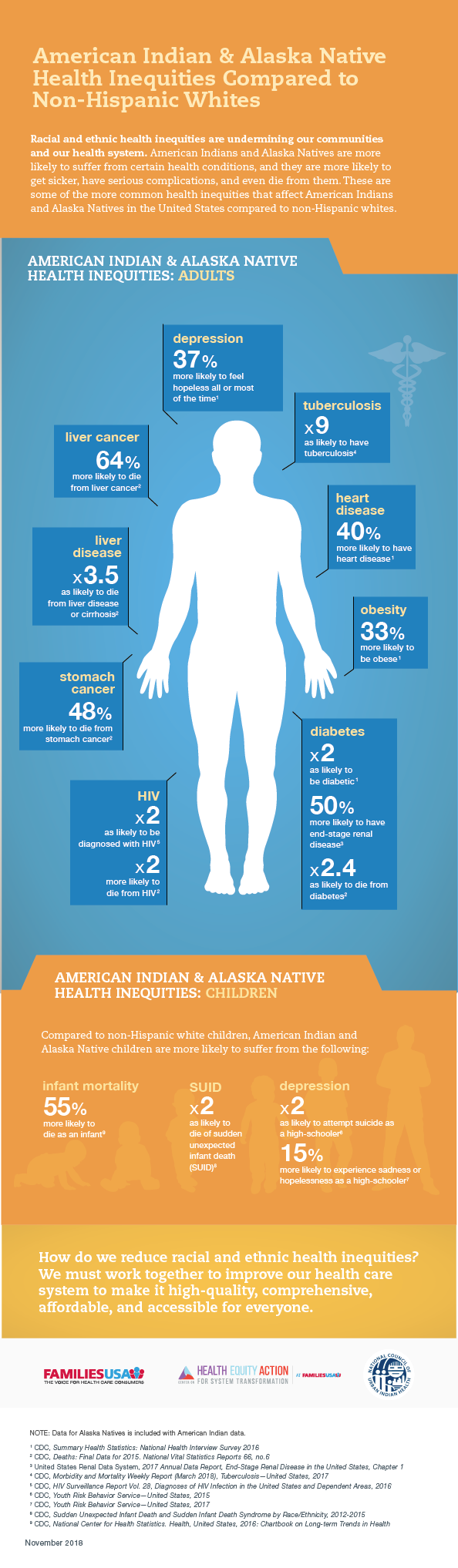
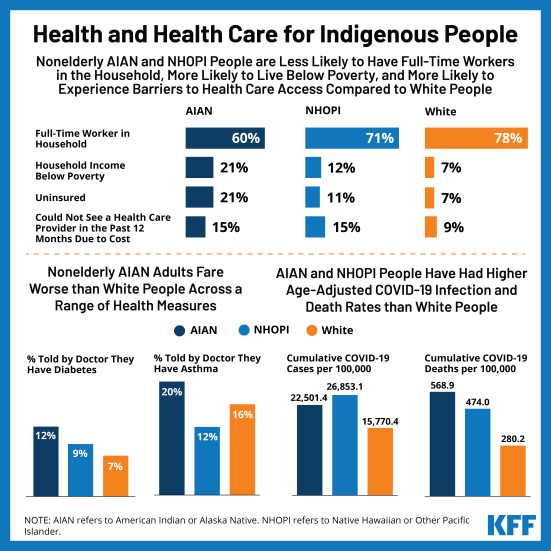
When we speak of a "map of health disparities," we’re not just referring to geographical locations, but to a conceptual overlay that reveals significant and alarming gaps in health outcomes between Native Americans and the general U.S. population. These disparities are not random; they cluster in communities and reflect a profound lack of equitable access and historical trauma.
Key areas of concern include:
- Life Expectancy: Native Americans consistently have a lower life expectancy than all other racial and ethnic groups in the U.S.
- Chronic Diseases:
- Type 2 Diabetes: Native Americans experience the highest rates of Type 2 diabetes in the world, with some tribes having prevalence rates several times the national average. This isn’t just genetic; it’s heavily linked to forced dietary changes, food insecurity, and stress.
- Cardiovascular Disease: Rates of heart disease and stroke are significantly higher, often exacerbated by diabetes, smoking, and limited access to preventative care.
- Cancer: While overall cancer rates might be similar, specific cancers (e.g., liver, kidney, stomach) are higher, and diagnoses often occur at later, more advanced stages due to screening barriers.
- Mental Health and Substance Use:
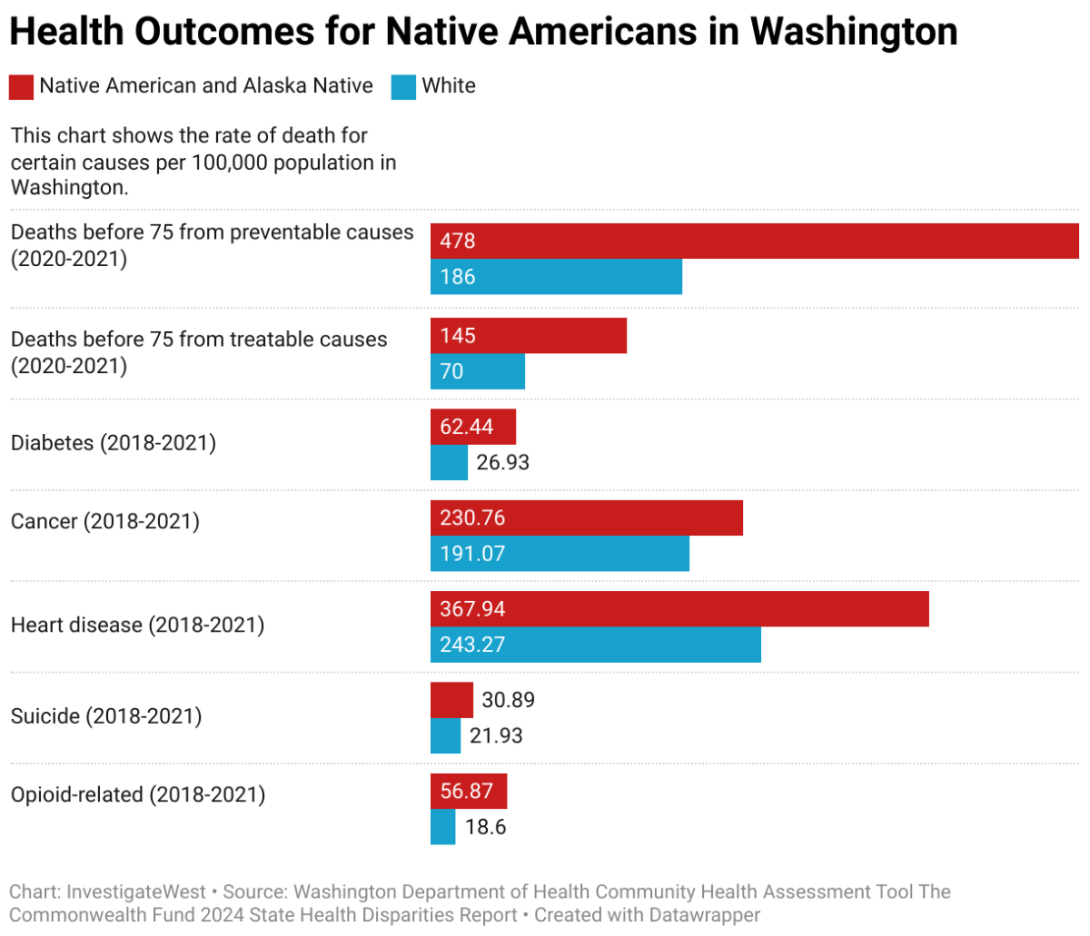
- Suicide Rates: Native American youth and young adults face alarmingly high suicide rates, far exceeding the national average, a tragic manifestation of intergenerational trauma, cultural loss, and lack of mental health resources.
- Substance Use Disorders: Alcoholism and drug abuse are significant challenges, often stemming from attempts to cope with trauma, poverty, and hopelessness, rather than inherent predisposition.
- Infant Mortality: Native American infants experience higher mortality rates, reflecting issues in maternal health, prenatal care access, and socio-economic factors.
- Infectious Diseases: Higher rates of diseases like tuberculosis and hepatitis are often linked to crowded living conditions, inadequate sanitation, and compromised immune systems.
- Access to Care: Many Native American communities, particularly those on remote reservations, face immense barriers to accessing quality healthcare, including a shortage of providers, lack of transportation, and underfunded facilities.

These are not mere statistics; they are symptoms of deeper, systemic issues that have been woven into the fabric of Native American existence since European contact.
The Roots of Disparity: A Historical Tapestry
To understand the current health map, one must trace its origins back through a brutal and often-ignored history. The health landscape of Native Americans today is a direct consequence of policies and events spanning centuries.
1. Pre-Colonial Health and Well-being:
Before European arrival, Indigenous peoples across North America had sophisticated systems of health and well-being. Their diets were rich in traditional foods, cultivated and hunted from their ancestral lands. Spiritual practices, community cohesion, and traditional medicines played vital roles in holistic health. While diseases existed, communities often had robust immune systems adapted to their environments and traditional healing practices. This context is crucial: Native American communities were not inherently "unhealthy" before colonization.
2. The Cataclysm of Contact and Colonization:
The arrival of Europeans brought not only conquest but also devastating epidemics. Diseases like smallpox, measles, and influenza, to which Native populations had no immunity, wiped out entire communities, sometimes 90% or more of a population. This initial biological warfare, albeit often unintentional, fractured societies, destroyed knowledge systems, and laid the groundwork for future vulnerabilities.
3. Land Dispossession and Forced Relocation:
As European settlement expanded, Native peoples were systematically dispossessed of their ancestral lands. This wasn’t just a loss of territory; it was a loss of their pharmacies (medicinal plants), their grocery stores (hunting grounds, fishing waters, agricultural lands), their spiritual sites, and their entire way of life. The forced removal policies, most infamously the "Trail of Tears," were traumatic events that led to widespread death, disease, and the destruction of social structures. Relocated to often infertile and unfamiliar lands, traditional diets were replaced by government rations – often high in processed foods, sugar, and fat – sowing the seeds for chronic diseases like diabetes.
4. The Reservation System and Its Legacy:
The establishment of reservations, often in remote and resource-poor areas, was intended to isolate and control Native populations. These lands were frequently inadequate for traditional sustenance, leading to chronic poverty, food insecurity, and dependence on external aid. Reservations became sites of systemic neglect, with inadequate infrastructure for clean water, sanitation, and housing – conditions that directly contribute to infectious diseases and chronic stress. The environmental degradation from mining, pollution, and resource extraction on or near reservation lands further compounds health challenges.
5. Cultural Suppression and Assimilation Policies:
The U.S. government actively sought to "kill the Indian, save the man" through policies like the Indian Boarding School system. From the late 19th to mid-20th centuries, Native children were forcibly removed from their families, forbidden to speak their languages, practice their religions, or wear traditional clothing. They endured physical, emotional, and sexual abuse, leading to profound intergenerational trauma, a breakdown of family structures, and a severing of cultural ties that were once central to their well-being. The loss of language and cultural practices meant the loss of traditional healing knowledge, coping mechanisms, and identity markers that fostered resilience.
6. Broken Treaties and Underfunded Healthcare:
In exchange for vast tracts of land, the U.S. government made treaty promises to provide healthcare, education, and other essential services to Native American tribes. This "trust responsibility" led to the creation of the Indian Health Service (IHS). However, the IHS has been chronically and severely underfunded for decades. It operates at a fraction of what is needed, leading to outdated facilities, a shortage of medical professionals, long wait times, limited specialty care, and a lack of critical equipment and medication. This underfunding is a direct violation of treaty obligations and a primary driver of contemporary health disparities.
Identity and Intergenerational Trauma: The Invisible Wounds
The historical timeline above highlights not just events, but their profound impact on Native American identity and psychological well-being. This is where the concept of intergenerational trauma (or historical trauma) becomes critical. It refers to the cumulative emotional and psychological wounds carried across generations, resulting from massive group trauma.
For Native Americans, intergenerational trauma manifests as:
- Chronic Stress Response: The constant vigilance and stress of historical oppression and ongoing discrimination can lead to physiological changes that increase susceptibility to chronic diseases.
- Mental Health Challenges: Higher rates of depression, anxiety, PTSD, and substance use disorders are often coping mechanisms for unresolved grief, anger, and loss stemming from historical injustices.
- Loss of Identity and Purpose: The systematic attack on Native cultures and languages created an identity crisis for many, contributing to feelings of alienation and hopelessness.
- Disrupted Social Cohesion: The boarding school era, in particular, fractured family bonds and community structures, impacting the social support networks vital for health.
However, the story is not solely one of suffering. Identity for Native Americans is also a source of immense strength and resilience. The resurgence of cultural practices, language revitalization efforts, and the embrace of traditional values are powerful protective factors against these health challenges. Reconnecting with ancestral ways, participating in ceremonies, and engaging in community-led initiatives fosters a sense of belonging, purpose, and spiritual well-being that is crucial for healing. Sovereignty – the right of tribes to self-govern and make decisions for their people – is also intrinsically linked to health. When tribes have control over their resources, education, and healthcare systems, they can implement culturally appropriate solutions that better serve their communities.
Moving Forward: A Path of Healing and Self-Determination
Understanding the map of Native American health disparities is the first step toward becoming an informed and respectful ally. It reveals that these issues are not due to inherent flaws, but to systemic injustices that require systemic solutions.
The path forward involves:
- Honoring Treaty Obligations: Adequately funding the Indian Health Service is not charity; it is a legal and moral imperative.
- Supporting Tribal Sovereignty: Empowering tribes to design and implement their own healthcare, education, and economic development programs is crucial. Many tribes are leading innovative health initiatives that integrate traditional healing with Western medicine.
- Addressing Social Determinants: Investing in infrastructure, clean water, affordable housing, food security, and economic opportunities on reservations directly improves health outcomes.
- Promoting Cultural Revitalization: Supporting efforts to preserve and revitalize Native languages, ceremonies, and traditional knowledge strengthens identity and resilience.
- Educating and Advocating: Learning about this history and advocating for policies that promote equity and justice for Native Americans is vital.
Conclusion: Travel with Intention
For the traveler, this deeper understanding transforms a scenic journey into a profound educational experience. When you visit Native lands, engage with Native cultures, or simply appreciate the beauty of the American landscape, remember the hidden map of health disparities. It is a map drawn by history, etched with pain, but also illuminated by unwavering resilience, cultural strength, and an ongoing fight for self-determination.
By acknowledging this complex reality, we move beyond superficial tourism and embrace a more responsible, empathetic, and ultimately, more meaningful way to engage with the land and its first peoples. Understanding their health journey is understanding their journey for justice, identity, and the sovereign right to thrive on their ancestral lands.

