
The Map of Native American family services is far more than a geographical representation; it is a living document, a testament to resilience, sovereignty, and the enduring spirit of Indigenous nations across North America. For travelers and history enthusiasts, understanding this map means delving into centuries of complex interactions, policy shifts, and a profound commitment to cultural preservation and community well-being. It is a journey through history, identity, and the ongoing struggle for self-determination.
This article will explore the historical context, the critical role of identity, and the practical implications of a "Map of Native American family services," providing insights valuable for both educational understanding and responsible engagement.
The Land Before the Lines: Pre-Colonial Diversity and Kinship
Before the arrival of European colonizers, the continent now known as North America was a vibrant tapestry of hundreds of distinct Indigenous nations, each with its own language, governance, spiritual beliefs, and intricate social structures. These societies were organized around complex kinship systems, extended families, and clan networks that formed the bedrock of their communities. Child-rearing was a communal responsibility, often involving grandparents, aunts, uncles, and the entire tribal collective, instilling cultural values, traditional knowledge, and a deep connection to the land from birth.
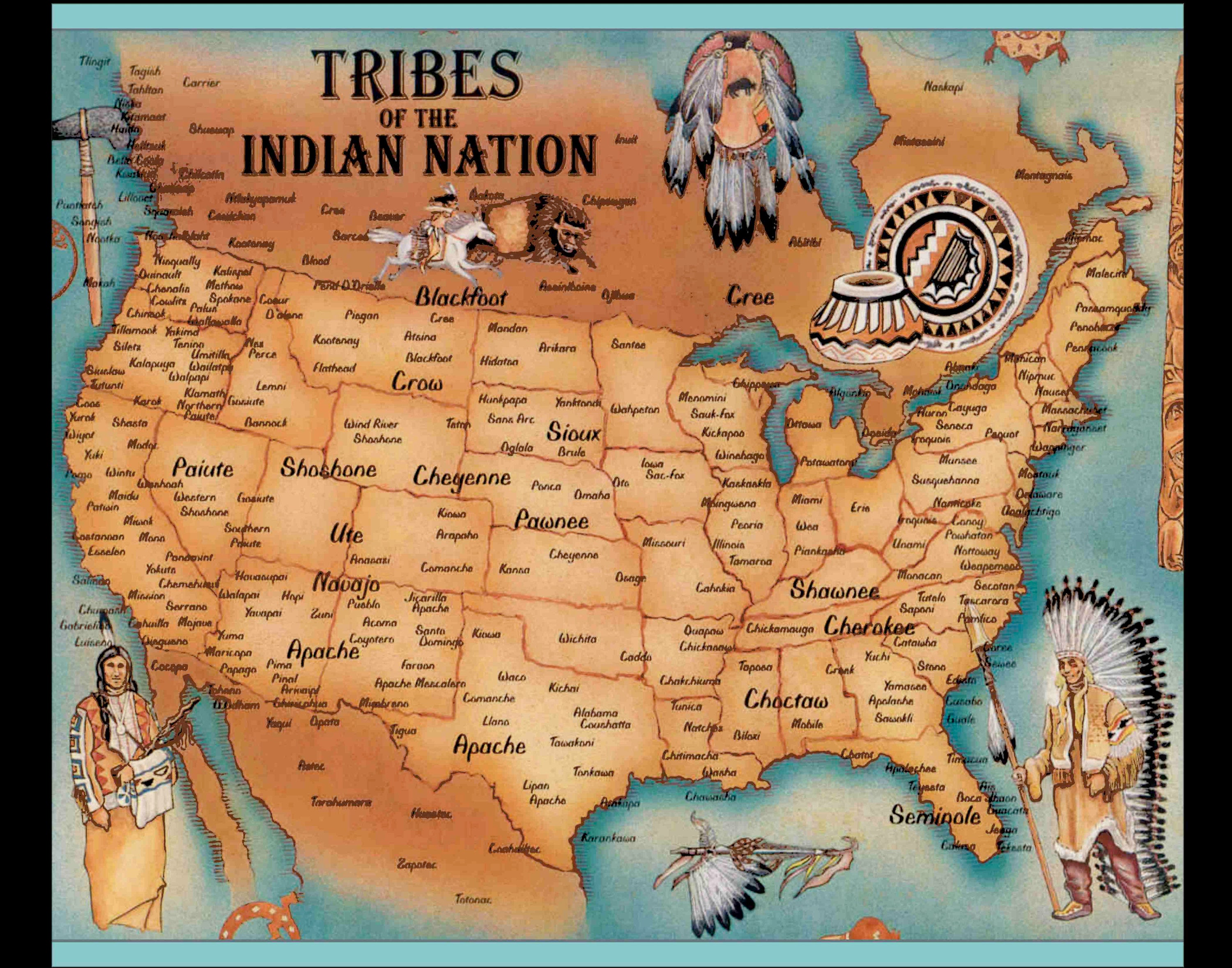
These nations occupied vast, often overlapping, territories. Their "maps" were not static lines on paper but fluid understandings of ancestral hunting grounds, sacred sites, migration routes, and resource-sharing agreements. Identity was inextricably linked to specific lands, their ecosystems, and the stories embedded within them. Family services, though not termed as such, were inherent in the functioning of these societies: care for elders, education for the young, support for the sick, and restorative justice for those who erred – all were integrated into the daily life and governance of the tribe.
A Century of Erasure: The Devastation of Colonial Policies
The arrival of European powers initiated a catastrophic period for Indigenous peoples. Disease, warfare, forced removals, and the relentless encroachment on traditional lands decimated populations and fractured communities. As the United States expanded, its policies towards Native Americans shifted from treaty-making (often broken) to outright assimilation and termination. These policies were explicitly designed to dismantle Indigenous identities, cultures, and family structures.
The most egregious examples include:

-
Forced Removals and Reservations: The "Trail of Tears" and countless other forced marches relocated entire nations from their ancestral lands to designated, often infertile, reservations. This act severed the fundamental connection between people and their spiritual, economic, and cultural lifeblood—the land—causing immense intergenerational trauma that continues to impact families today. Reservations, while initially places of confinement, eventually became the only land base left, and thus critical for survival and eventual self-governance.
-
The Allotment Act (Dawes Act of 1887): This policy aimed to break up communally held tribal lands into individual plots, forcing Native Americans into a Western concept of private property and agriculture. "Surplus" land was then sold off to non-Native settlers. This further fragmented communities, eroded traditional land management, and often resulted in the loss of millions of acres of Native land. The breakdown of communal land ownership directly undermined traditional family and clan structures that relied on shared resources and collective responsibility.
-
Boarding School Era (Late 19th to Mid-20th Century): Perhaps the most devastating policy for Native American family services was the forced removal of Native children from their homes and communities to attend government- or church-run boarding schools. The motto "Kill the Indian, Save the Man" encapsulated the brutal intent: children were forbidden to speak their native languages, practice their spiritual traditions, or wear their traditional clothing. They were subjected to physical, emotional, and sexual abuse, and taught to be ashamed of their heritage. This era deliberately severed the intergenerational transmission of culture, language, and traditional parenting skills, creating profound, lasting trauma that manifested as cycles of addiction, mental health issues, and a distrust of external institutions within Native families. The ripple effects of this period are a primary reason why a "Map of Native American family services" is so crucial today.

The Dawn of Self-Determination: Reclaiming Sovereignty and Family
The mid-20th century saw a crucial shift away from assimilation and termination policies towards an era of self-determination. Native nations, through persistent advocacy and legal battles, began to reclaim their inherent sovereignty. This movement culminated in landmark legislation and policy changes that recognized tribal governments as distinct, sovereign entities with the right to govern their own affairs, including the provision of social and family services.
A cornerstone of this shift, directly addressing the historical trauma of family separation, is the Indian Child Welfare Act (ICWA) of 1978. ICWA was enacted in response to alarming rates of Native children being removed from their families and placed in non-Native foster or adoptive homes by state welfare agencies. Studies showed that up to 35% of Native children were removed from their homes, with 85% of those placed in non-Native settings, often without due process or understanding of tribal kinship systems.
ICWA established federal standards for the removal and placement of Native American children in state child welfare proceedings. It prioritizes keeping Native children with their families and tribes by:
- Giving tribal courts jurisdiction over child welfare cases involving tribal members residing on reservations.
- Requiring active efforts to prevent the breakup of Native American families.
- Establishing placement preferences for Native children: first with a family member, then with other members of the child’s tribe, then with other Native families, and only as a last resort with non-Native families.
- Granting tribes the right to intervene in state court proceedings involving their children.
ICWA is more than a legal statute; it is a recognition of tribal sovereignty, a bulwark against historical injustices, and a vital tool for the preservation of Native American families, cultures, and identities. It acknowledges that the best interests of Native children are inextricably linked to their connection to their tribal communities.
The "Map of Native American Family Services": A Landscape of Care
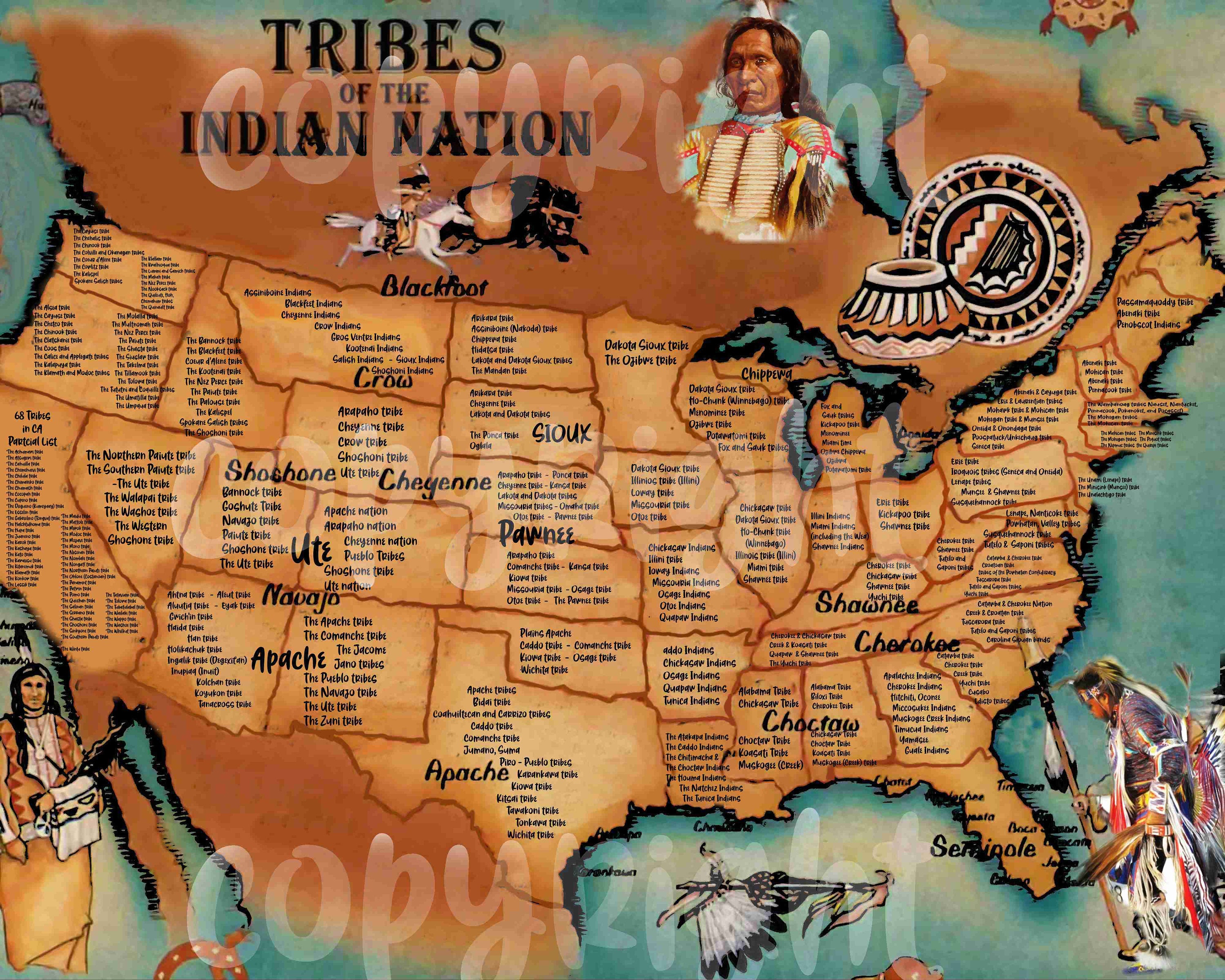
So, what does a "Map of Native American family services" truly represent? It’s not a single, static document but rather a conceptual framework that encompasses the diverse range of services provided by tribal nations themselves, often in partnership with federal and state agencies, to support the well-being of their citizens. This map highlights the geographical distribution of federally recognized tribes and the services they administer, reflecting their unique cultural contexts and needs.
Key components and implications of this map include:
-
Tribal Sovereignty in Action: Each point on this map represents a tribal nation exercising its sovereign right to govern and care for its people. This means that services are designed and delivered by tribal members, informed by traditional values, languages, and cultural practices. This self-determination is crucial for effective service delivery, as it counters the historical imposition of external, often inappropriate, solutions.
-
Holistic Approach to Well-being: Unlike many Western models that silo services, Native American family services often adopt a holistic approach that recognizes the interconnectedness of physical, mental, emotional, and spiritual health. Services may include:
- Child Welfare and Foster Care: Implementing ICWA, developing culturally appropriate foster homes, and supporting reunification efforts.
- Elder Care: Programs that honor and support elders, recognizing their vital role as knowledge keepers and family anchors.
- Mental Health and Substance Abuse Treatment: Integrating traditional healing practices, ceremonies, and peer support alongside Western therapeutic approaches, addressing the intergenerational trauma stemming from historical injustices.
- Domestic Violence and Sexual Assault Services: Culturally sensitive support, safe housing, and advocacy.
- Youth Programs: Language immersion, cultural education, mentorship, and rites of passage to strengthen identity and resilience.
- Language and Cultural Revitalization: Recognizing that language is a key determinant of cultural identity and well-being, many family service programs integrate language lessons and cultural teachings.
- Education and Vocational Training: Supporting academic success and economic self-sufficiency within the community.
-
Addressing Unique Challenges: The map also implicitly highlights areas of need and persistent challenges. Many tribal communities are located in rural, isolated areas with limited infrastructure, compounding issues like poverty, lack of access to healthcare, and food insecurity. Funding for tribal programs often lags significantly behind state-run services, despite the federal trust responsibility to provide for Native nations. Jurisdictional complexities, particularly when tribal members live off-reservation, can also pose challenges.
-
Identity as a Foundation: For Native American family services, identity is not merely a demographic category but a fundamental pillar of well-being. Services are designed to reinforce tribal identity, connect individuals to their heritage, and heal the wounds of historical attempts at cultural eradication. This means:
- Language Immersion: As language is the vehicle of culture, many services integrate language learning to ensure its survival.
- Cultural Practices: Incorporating traditional ceremonies, storytelling, and artistic expressions into therapeutic and educational programs.
- Kinship Systems: Valuing and utilizing the extended family and clan structures that are central to Indigenous societies, rather than solely focusing on the nuclear family.
For Travelers and History Enthusiasts: Understanding and Respectful Engagement
For those interested in historical education and responsible travel, understanding the "Map of Native American family services" offers profound insights:
-
Beyond the Past: It reinforces that Native American cultures are not relics of the past but vibrant, dynamic, and evolving societies actively shaping their future. The services they provide are modern responses to contemporary challenges, deeply rooted in ancient wisdom.
-
Dispelling Stereotypes: It helps to dismantle harmful stereotypes by showcasing the strength, resilience, and self-determination of Native communities. It moves beyond narratives of victimhood to highlight agency and leadership.
-
Respecting Sovereignty: When visiting tribal lands or engaging with Native American communities, it is paramount to remember that you are entering sovereign territory. This means respecting tribal laws, customs, and protocols. Understanding that tribes administer their own services underscores their self-governing authority.
-
Supporting Indigenous Initiatives: Seek out opportunities to support tribal businesses, arts, and cultural centers. Many tribes operate museums, cultural heritage sites, and eco-tourism ventures that directly benefit their communities and help fund essential services. These are excellent avenues for learning directly from Indigenous voices.
-
Learning from Resilience: The history of Native American family services is a powerful lesson in resilience. Despite centuries of deliberate attempts to dismantle their families and cultures, Indigenous peoples have not only survived but are thriving, revitalizing their languages, traditions, and governance structures. Their dedication to caring for their own, through culturally appropriate services, is an inspiring model of community strength.
Conclusion: A Map of Hope and Future
The "Map of Native American family services" is an intricate landscape of human endeavor, woven from the threads of history, identity, and an unwavering commitment to community. It is a powerful reminder of the devastating impact of colonial policies on Indigenous families and the remarkable, ongoing efforts of tribal nations to heal, rebuild, and assert their right to self-determination.
For anyone seeking to understand the true depth of American history and the vibrant tapestry of its contemporary cultures, this map is an essential guide. It encourages us to look beyond simplistic narratives, to recognize the profound strength of Indigenous identity, and to appreciate the vital work being done every day by tribal nations to ensure the well-being and future of their most precious resource: their children and families. It is a map not just of services, but of hope, cultural continuity, and enduring sovereignty.

