
Maps are more than mere geographic representations; they are living narratives, historical documents, and powerful tools for asserting identity and sovereignty. For Native American tribes, these maps – whether drawn on hide, etched in memory, or digitally rendered with GIS – are fundamental to their ongoing efforts in environmental protection, a struggle deeply rooted in millennia of stewardship and centuries of dispossession. This article delves into the profound significance of Native American environmental protection maps, exploring their historical context, their role in shaping identity, and their critical function in contemporary conservation, making them invaluable for both travelers and historical educators.
The Ancient Cartography: Indigenous Knowledge as the First Map
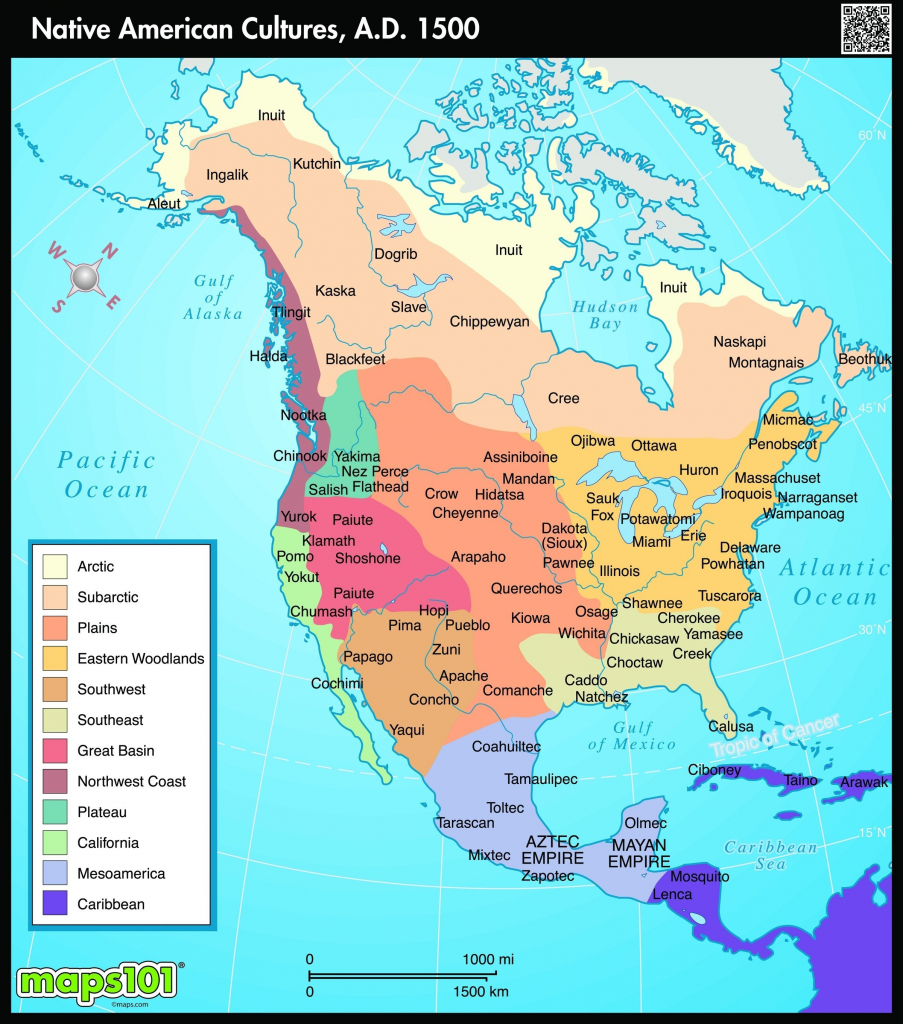
Long before European cartographers arrived with their compasses and grids, Native American nations possessed intricate "maps" of their territories. These were not always static lines on paper but dynamic, orally transmitted, and experientially understood systems of knowledge. Traditional Ecological Knowledge (TEK) served as the ultimate environmental map, detailing the seasonal migrations of animals, the cycles of plants, the flow of water, and the most sustainable methods for harvesting and managing resources.
This deep, intergenerational knowledge mapped the land through stories, ceremonies, and linguistic place names. A particular mountain might be known not just for its elevation, but for the sacred ceremonies performed there, the medicinal plants found on its slopes, and the specific spiritual teachings associated with its peak. Rivers were not just channels for water but arteries of life, their health meticulously monitored and protected. This indigenous cartography was holistic, integrating spiritual, cultural, and ecological understanding into a seamless framework of land stewardship. It embodied a reciprocal relationship with the environment, where humans were not separate from nature but an integral part of it, with a responsibility to maintain balance and ensure the well-being of future generations. These ancient maps, though invisible to Western eyes, represent the foundational environmental protection plan for the continent.
The Erasure and Reshaping: Colonialism’s Impact on Native Lands
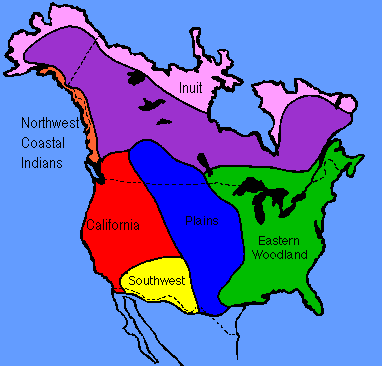
The arrival of European colonizers introduced a radically different form of mapping and land tenure. The imposition of arbitrary lines, often disregarding existing tribal territories and ecological boundaries, served to dispossess Native peoples and facilitate resource extraction. Treaties, frequently broken, carved out shrinking reservations, often on marginal lands, while vast ancestral territories were declared "public lands" or private property.
This colonial cartography was inherently destructive to Native environmental practices. It severed the deep cultural and spiritual connections to specific places, disrupted traditional resource management systems, and opened the door to widespread environmental degradation. The gold rushes, logging booms, intensive agriculture, and later, the fossil fuel industries, often occurred on or near former ancestral lands, leaving behind a legacy of pollution, habitat destruction, and compromised ecosystems. The infamous "Trail of Tears" and countless other forced removals were direct consequences of a cartographic violence that prioritized settler expansion over Indigenous presence and environmental sustainability.
Even the establishment of National Parks and Wilderness Areas, often lauded as conservation triumphs, frequently involved the displacement of Native peoples who had stewarded those lands for millennia. The irony is that lands protected by the federal government were often healthy precisely because of centuries of Indigenous environmental practices, which were then systematically ignored or erased from the conservation narrative.
Reclaiming the Map: Modern Tools for Environmental Protection and Identity
In response to this historical trauma and ongoing environmental injustice, Native American tribes are actively reclaiming and redefining the map. They are using both traditional knowledge and cutting-edge technology to assert their sovereignty, protect their homelands, and advocate for environmental justice. These modern environmental protection maps serve multiple critical functions:
-
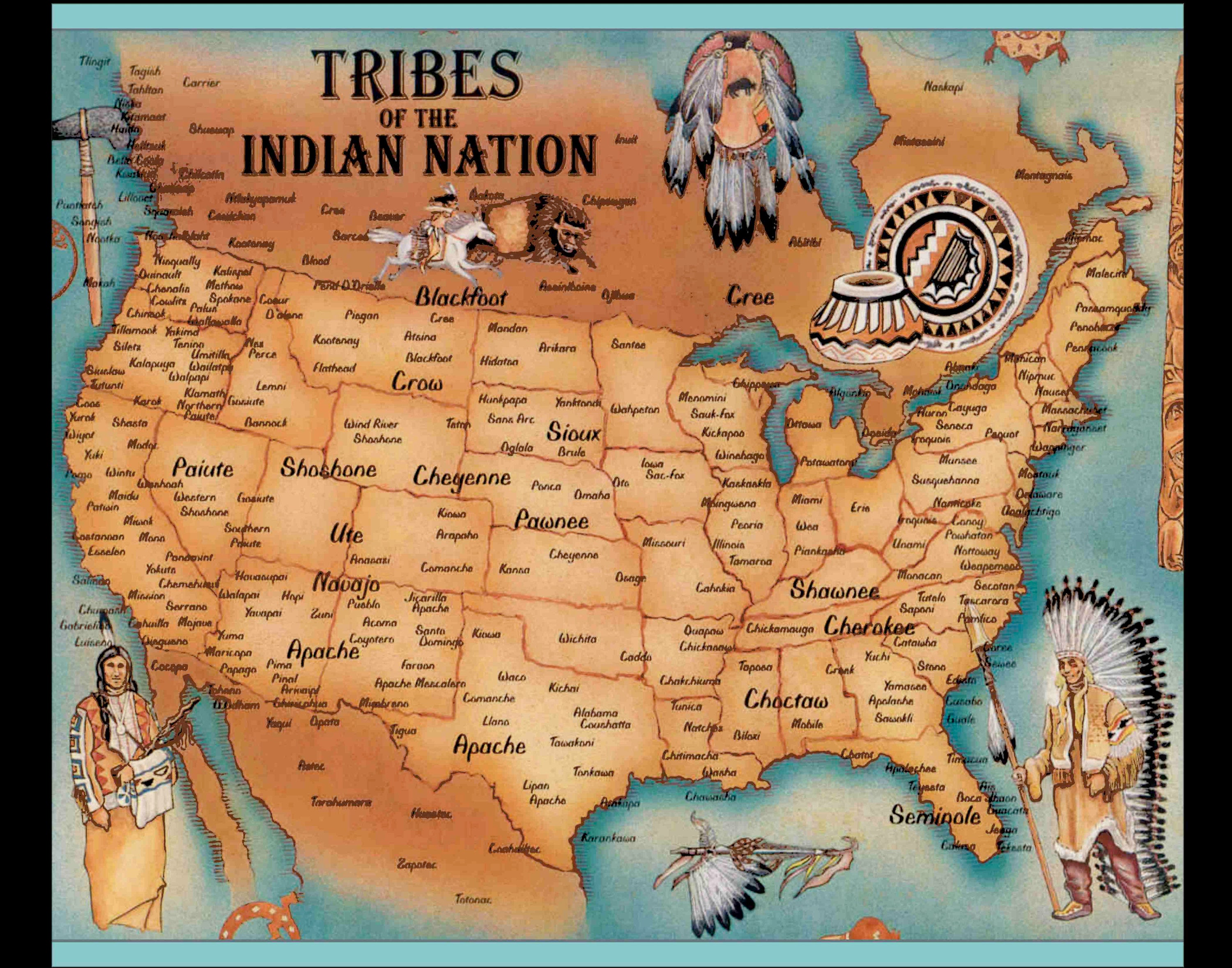
Documenting Traditional Territories and Sacred Sites: Many tribes are undertaking extensive projects to map their ancestral lands, even those far beyond current reservation boundaries. These maps identify sacred sites, historical trails, traditional hunting and gathering grounds, and culturally significant landscapes. Such documentation is crucial for cultural preservation, language revitalization, and for challenging development projects that threaten these invaluable places. For example, the Hopi and Navajo nations have meticulously mapped sacred sites in the Grand Canyon region, asserting their deep connection to the land against mining interests.
-
Resource Management and Conservation Planning: Tribes are increasingly using Geographic Information Systems (GIS) and remote sensing to create sophisticated maps for managing their natural resources. These maps track forest health, water quality, fish populations, wildlife corridors, and the impacts of climate change. For instance, the Confederated Salish and Kootenai Tribes in Montana use GIS to manage their extensive forest lands, implementing sustainable forestry practices that reflect their traditional ecological knowledge. Similarly, numerous tribes are mapping water sources and advocating for their inherent water rights, often in arid regions where water is a contested resource. The mapping of critical habitats for endangered species, guided by both scientific data and TEK, is another vital application.
-

Environmental Monitoring and Impact Assessment: Native communities are disproportionately affected by environmental pollution, often living near industrial facilities, mining operations, or fossil fuel infrastructure. Maps play a crucial role in documenting these injustices. Tribes map pollution sources, contaminated sites, and the spread of contaminants into their communities, often leveraging citizen science and traditional knowledge to monitor environmental health. These maps become powerful evidence in legal battles and advocacy campaigns, such as those used by the Standing Rock Sioux Tribe to illustrate the potential impact of the Dakota Access Pipeline on their water supply and sacred sites.
-
Asserting Sovereignty and Jurisdiction: Maps are fundamental to asserting tribal sovereignty. They delineate reservation boundaries, highlight treaty lands, and illustrate the complex "checkerboard" land ownership patterns that often exist within and around reservations. These maps are used in legal arguments to defend tribal jurisdiction over environmental regulations, resource management, and economic development within their territories. For example, the Lummi Nation in Washington State uses mapping to assert its treaty-given fishing rights and protect the health of Puget Sound, demonstrating how maps can be tools for legal and political empowerment.
-
Climate Change Adaptation and Resilience: As climate change brings increased drought, wildfires, sea-level rise, and extreme weather events, tribes are using maps to identify vulnerable areas, plan for community relocation, and develop adaptation strategies. Mapping traditional food systems and identifying resilient plant species are part of a broader effort to ensure food security and cultural survival in the face of a changing climate. The coastal tribes of Alaska, for instance, are mapping erosion and permafrost melt to plan for the relocation of entire villages.
Maps as Expressions of Identity and Cultural Resilience
Beyond their practical applications, these environmental protection maps are profound expressions of Native American identity and cultural resilience. They tell stories of endurance, stewardship, and an unbreakable connection to the land. When a tribe maps its ancestral trails, it is not just drawing lines on a page; it is tracing the footsteps of its ancestors, reaffirming its history, and ensuring that future generations remember where they come from.
These maps are integral to the ongoing "Land Back" movement, which advocates for the return of ancestral lands to Indigenous stewardship. By mapping territories, tribes are making visible what was erased by colonial maps, challenging the dominant narrative of land ownership, and proposing alternative models of land management rooted in sustainability and reciprocity. This is not merely a political act but a profound cultural and spiritual imperative.
For the Traveler and Educator: Engaging with Native Environmental Maps
For those interested in responsible travel and meaningful historical education, engaging with Native American environmental protection maps offers a unique opportunity to understand the continent’s history and future from an Indigenous perspective.
- Educate Yourself: Seek out resources from tribal nations directly. Many tribes have websites, cultural centers, and museums that share their history, environmental initiatives, and the maps they create. Learn about the specific tribe whose ancestral lands you are visiting.
- Support Tribal Initiatives: Look for opportunities to support tribal-led conservation efforts, cultural preservation projects, and environmental justice campaigns. This might involve purchasing goods from Native businesses, donating to tribal organizations, or advocating for Indigenous rights.
- Visit with Respect: When traveling through or near Native lands, understand that you are on territories with deep cultural and historical significance. Follow tribal guidelines, respect sacred sites, and seek permission when necessary.
- Understand the Ongoing Struggle: Recognize that the fight for environmental protection and sovereignty is an ongoing one for Native American tribes. These maps are not just historical artifacts but living documents in a continuous struggle for justice and self-determination. They represent the past, present, and future aspirations of Indigenous peoples.
- Learn from Indigenous Perspectives: Embrace the opportunity to learn about Traditional Ecological Knowledge. Understand that Indigenous approaches to environmental protection offer vital lessons for all humanity in an era of climate crisis.
Conclusion
Native American environmental protection maps are far more than cartographic data; they are powerful tools forged from history, identity, and an unwavering commitment to the land. They embody centuries of stewardship, document the trauma of dispossession, and illuminate the path forward for sustainable coexistence. For both the curious traveler and the dedicated educator, these maps offer an indispensable lens through which to understand the profound and enduring relationship between Native American peoples and the environment – a relationship that continues to shape the landscape, challenge injustice, and inspire a more sustainable future for all. By honoring these maps and the stories they tell, we can begin to truly see and respect the Indigenous heritage that underpins the very ground we stand on.

