Mapping Wisdom: The Enduring Tapestry of Native American Elder Care
The concept of "elder care" in Native American communities transcends the clinical definitions often applied in Western society. It is not merely about providing medical services or housing; it is a profound cultural imperative, a living tapestry woven with threads of history, identity, and an unwavering respect for those who carry the wisdom of generations. To truly understand this, one must approach it not as a uniform system, but as a diverse, complex, and evolving "map"—a conceptual landscape representing the myriad approaches, profound challenges, and remarkable strengths found across hundreds of distinct Native nations.
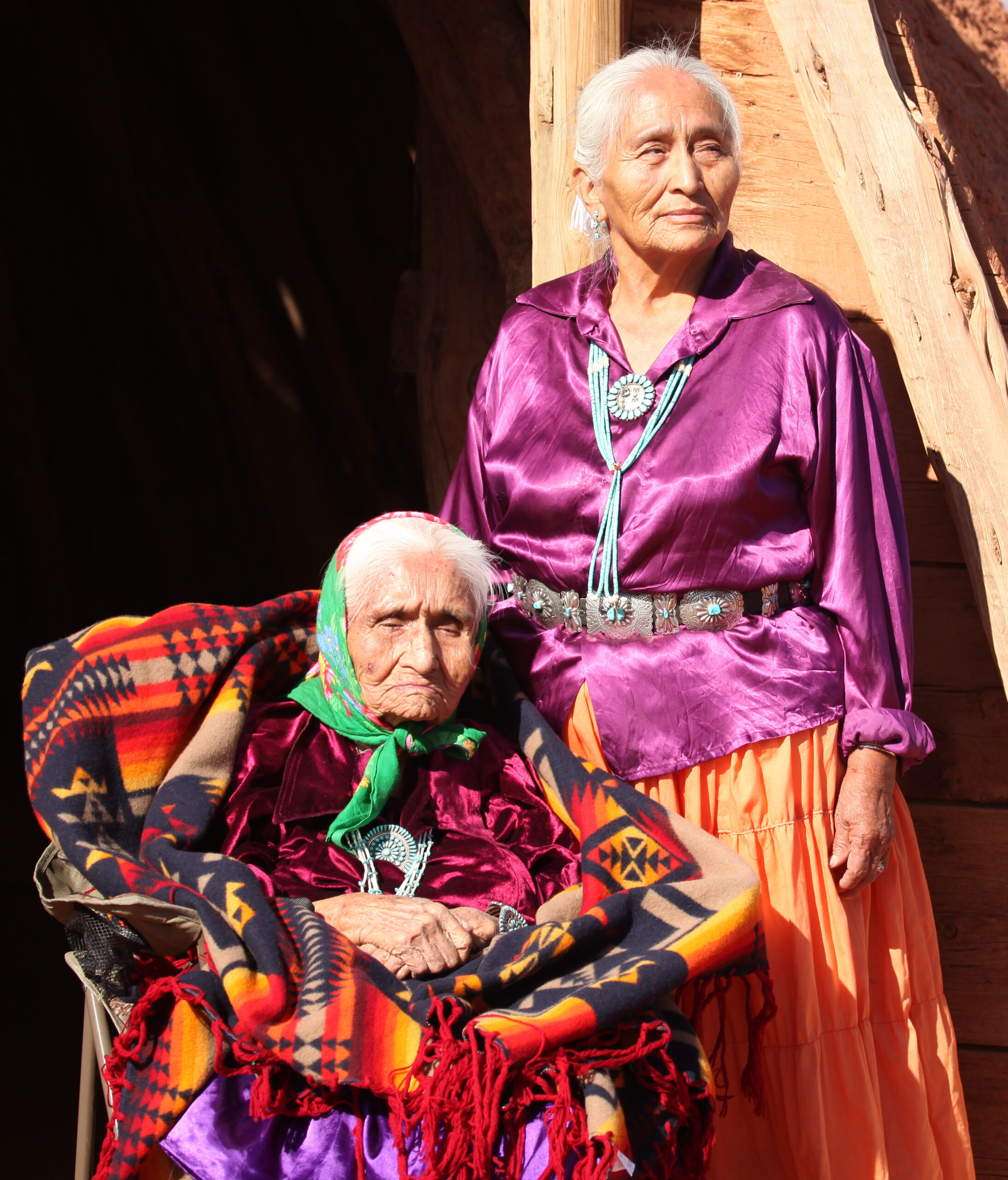
Before the devastating impacts of colonization, the map of elder care was organically integrated into the very fabric of tribal life. Elders were, without exception, revered as the bedrock of community, the living libraries of oral tradition, spiritual guides, and skilled practitioners of traditional healing. Their care was an inherent, communal responsibility, often shared across extended families and clans. There were no "nursing homes" as we understand them today; instead, elders aged in place, surrounded by kin, their wisdom actively sought, their stories cherished, and their contributions integral to the daily rhythm of the tribe. Holistic well-being – spiritual, mental, emotional, and physical – was paramount, with traditional medicines, ceremonies, and a deep connection to the land forming the core of their support system. This traditional model fostered a sense of belonging, purpose, and intergenerational connection that is still deeply aspired to today.
The advent of European colonization shattered this intricate map, initiating a period of profound disruption and trauma that continues to reverberate. Policies of forced removal, such as the infamous Trail of Tears, violently uprooted entire nations from their ancestral lands, severing their ties to traditional economies, sacred sites, and established community structures. This displacement directly undermined the ability of families and tribes to sustain traditional elder care models. Even more insidious were the assimilation policies, most notably the boarding school era. For over a century, Native children were systematically taken from their families, often by force, and sent to institutions designed to "kill the Indian to save the man." This deliberate severing of intergenerational ties was catastrophic for elder care. Children were denied the opportunity to learn their languages, cultural practices, and the responsibilities of caring for their elders. Elders, in turn, were deprived of the presence and support of their youth, and the vital role they played in cultural transmission was violently interrupted. The resulting generational trauma, loss of language, and cultural erosion created deep wounds that complicated the restoration of traditional care practices.
Furthermore, the loss of land and resources led to widespread economic hardship, making it increasingly difficult for tribes to allocate resources to elder care in the face of poverty and lack of infrastructure. The introduction of Western medicine and healthcare systems, often imposed without cultural understanding or sensitivity, frequently replaced traditional healing practices without fully addressing the holistic needs of Native elders. These historical forces collectively dismantled existing support systems, creating a void that federal and state governments largely failed to adequately fill.
Today, the "map" of Native American elder care is characterized by remarkable diversity and persistent challenges, yet also by incredible resilience and innovation driven by tribal sovereignty. Geographically, "Native American" encompasses hundreds of distinct nations across vastly different landscapes – from the deserts of the Southwest to the dense forests of the Pacific Northwest, the Great Plains, and the Eastern Woodlands. Each region and tribe has unique cultural practices, languages, and resource constraints that shape their approach to elder care.
A pivotal shift came with the Indian Self-Determination and Education Assistance Act of 1975, which empowered tribes to assume control over federal programs, including healthcare and social services, previously administered by the Bureau of Indian Affairs (BIA) and the Indian Health Service (IHS). This act marked a critical step towards reclaiming self-governance and allowed tribes to begin designing culturally appropriate elder care programs tailored to their specific needs.
Despite this progress, significant challenges remain. Chronic underfunding from federal sources is perhaps the most pervasive issue. The IHS, which serves over 2.5 million Native Americans, is notoriously underfunded compared to other federal healthcare systems. This results in inadequate facilities, staffing shortages, and a limited scope of services. Access is another major hurdle; many tribal lands are remote, lacking essential infrastructure like paved roads, reliable internet, and public transportation, making it difficult for elders to access care or for caregivers to reach them. There is a severe shortage of culturally competent caregivers, nurses, and doctors who understand the specific health disparities, cultural protocols, and linguistic needs of Native communities.
Moreover, the enduring legacy of intergenerational trauma manifests in higher rates of chronic diseases like diabetes and heart disease, and significant mental health challenges, including depression and substance abuse, which complicate elder care. The unique family structures and spiritual beliefs of Native communities often clash with Western care models, leading to situations where elders feel disconnected or disrespected if their cultural needs are not met.
Yet, within this landscape of challenges, the "map" also reveals vibrant areas of innovation and cultural reclamation. Many tribes are actively revitalizing traditional approaches, often integrating them with Western medical practices to create truly holistic models. Language immersion programs, where elders teach youth their ancestral tongues, are not only preserving culture but also providing elders with a renewed sense of purpose and connection. Traditional healing practices – such as sweat lodge ceremonies, plant medicine, and talking circles – are being incorporated into care plans, recognizing their profound therapeutic and spiritual value. Storytelling, traditional arts and crafts, and ceremonies are not just recreational activities; they are vital tools for maintaining identity, fostering mental well-being, and passing on cultural knowledge.
Community-based models are flourishing. Tribal elder centers often serve as dynamic hubs for social interaction, communal meals, health screenings, and cultural activities, moving beyond mere medical facilities to become places of belonging. Respite care programs support family caregivers, acknowledging their vital role, while adult day care services provide safe and engaging environments for elders during the day. Housing initiatives are designed to allow elders to "age in place" within their communities, surrounded by family and familiar landscapes, rather than being forced into institutions far from home. Intergenerational programs are actively reversing the damage of the boarding school era, bringing youth and elders together to learn from each other, reinforcing cultural transmission, and building strong community bonds. Elders become mentors, teachers, and oral historians, ensuring that tribal knowledge continues to thrive.
For the discerning traveler and history enthusiast, this "map" of Native American elder care offers invaluable insights. It demands an understanding that "Native American" is not a monolithic identity, but a mosaic of distinct nations, each with its own history, language, and cultural practices. This nuanced perspective encourages respectful engagement – supporting tribal enterprises, visiting tribal museums and cultural centers, and learning about the specific histories of the lands you visit. It highlights areas where advocacy and support are critically needed, whether through supporting Native organizations or educating others about the disparities faced by Native communities.
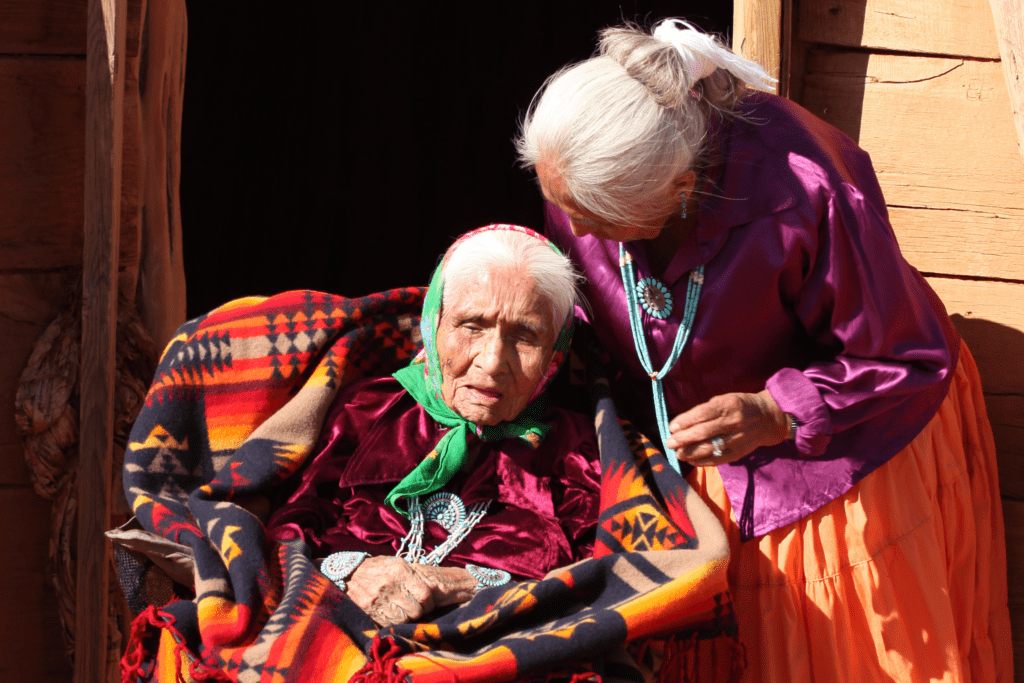
Most importantly, the enduring efforts in Native American elder care offer powerful lessons in resilience, community, and the profound human need for cultural connection. Despite centuries of systemic oppression and attempts at assimilation, Native nations are reclaiming their sovereignty and revitalizing traditions, demonstrating that true care for elders is inextricably linked to the preservation of identity and the strength of the community. The "map" is not static; it is a dynamic representation of adaptation, reclamation, and the profound love for heritage that continues to shape the future for Native American elders and their communities. It is a testament to the enduring power of wisdom, passed down through generations, and lovingly nurtured by those who understand its true value.


