
Beyond Borders: Navigating the Cosmic Maps of Native American Identity and History
For many, the word "map" conjures images of latitude and longitude, political boundaries, and topographical features. Yet, for the Indigenous peoples of North America, mapping has always encompassed far more than mere geography. Their maps are intricate, living tapestries of cosmology, history, and identity – conceptual frameworks that define their place in the universe, their relationship with the natural world, and their enduring spiritual heritage. For the curious traveler and the history enthusiast, understanding these profound "cosmic maps" offers an unparalleled window into the soul of Native American cultures, revealing a worldview that is both ancient and remarkably relevant.
The Unseen Atlas: Defining Native American Cosmology
Native American cosmology is not a singular, monolithic belief system but a vibrant constellation of diverse traditions, each unique to its nation yet often sharing foundational principles. Unlike Western cartography, which often seeks to segment and delineate, Indigenous cosmological maps emphasize interconnectedness, balance, and cyclical time. They are not static representations but dynamic narratives, embodied in oral traditions, sacred sites, ceremonial practices, and material culture.
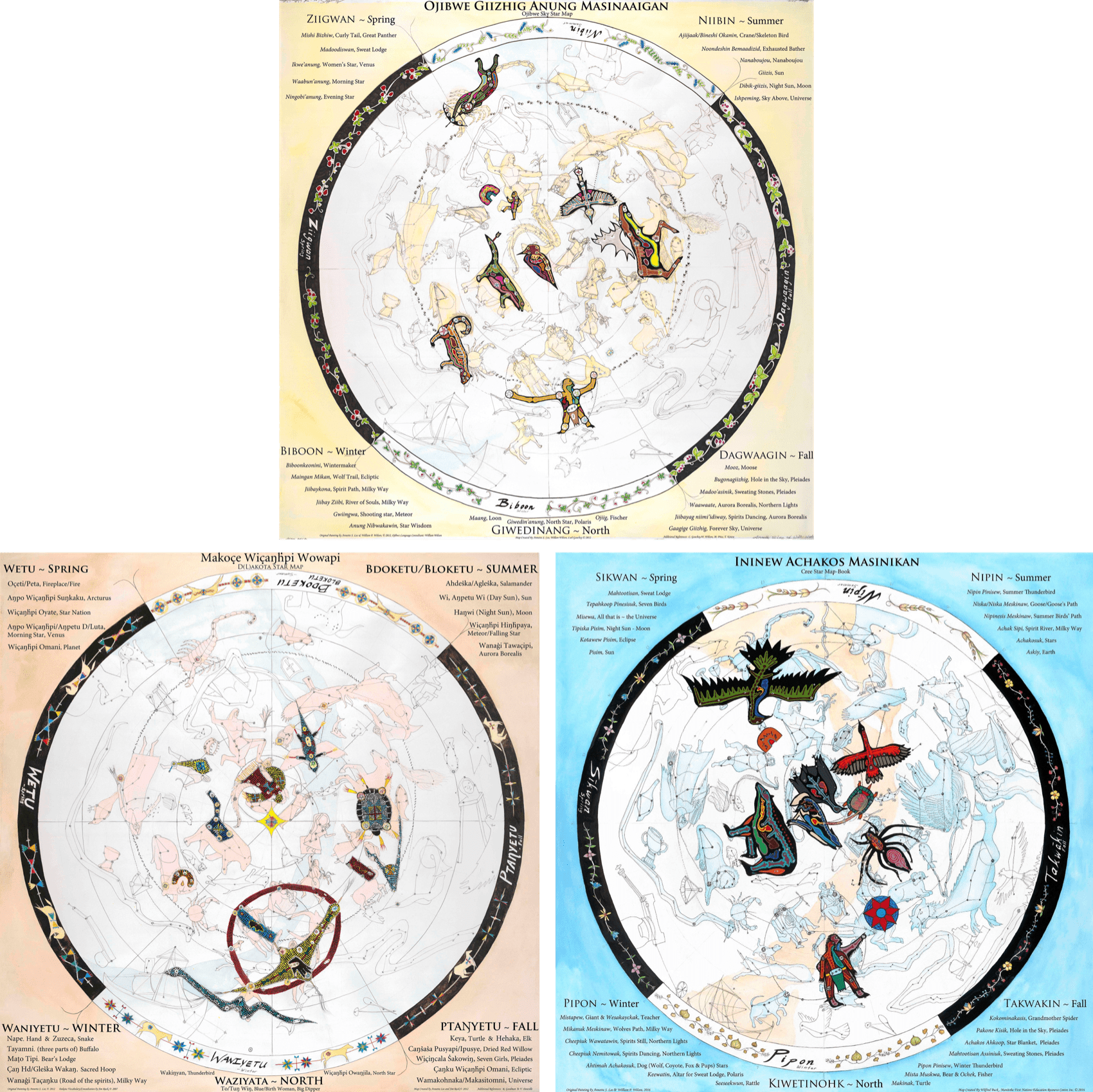
At its core, Native American cosmology views the universe as a multidimensional realm. While specific interpretations vary widely across the hundreds of distinct Native American nations, a common thread often involves a three-tiered universe: an Upperworld (sky, celestial beings, spiritual realms), a Middleworld (the Earth, human existence, the natural environment), and an Underworld (subterranean realms, spirits, origins, or ancestral connections). These realms are not separate but constantly interacting, influencing life on Earth and shaping human destiny.
Key principles woven into these cosmic maps include:
- Interconnectedness: All life – human, animal, plant, mineral – is sacred and interdependent. There is no hierarchy, but a web of relationships.
- Reciprocity: A fundamental understanding that actions have consequences, and that balance must be maintained through respectful interaction with all beings and the environment. Giving thanks, offering sacrifices, and performing ceremonies are acts of reciprocity.
- Cyclical Time: Time is not linear but circular, marked by the rhythms of the seasons, lunar phases, and the cycles of life, death, and renewal. History is not a distant past but a living presence that informs the present and future.
- Sacred Geography: The land itself is a living entity, imbued with spiritual power and historical memory. Mountains, rivers, lakes, and specific rock formations are not just physical features but sacred sites, often representing points of creation, ancestral journeys, or ceremonial significance.


These principles form the bedrock of Indigenous identity, guiding ethical behavior, social structures, and the profound sense of belonging that ties Native American peoples to their ancestral lands.
The Forms of the Cosmic Map: From Narrative to Landscape
How are these intricate cosmological maps "drawn"? Not with ink on paper, but through a rich array of cultural expressions:
1. Oral Traditions and Creation Stories: The Narrative Maps
Perhaps the most fundamental form of cosmological mapping is through oral traditions. Creation stories, epic narratives, and sacred songs transmit foundational knowledge across generations. These stories detail the origins of the world, the emergence of humanity, the roles of deities and spirit beings, and the establishment of moral codes. For instance, the Navajo (Diné) creation story recounts a journey through multiple previous worlds, each with its own challenges and lessons, culminating in the emergence into the current "Fourth World." These narratives map out not just physical space but also spiritual progression and the evolution of understanding. They teach listeners where they come from, who they are, and how they should live.
2. Material Culture: Tangible Expressions of the Cosmos

Many material objects serve as tangible representations of cosmological maps:
- Navajo Sand Paintings (Iikááh): These ephemeral artworks are intricate, highly stylized depictions of deities, celestial bodies, and sacred geography. Created as part of healing ceremonies, they are precise, sacred diagrams that invite spirit beings to a specific location to restore balance and harmony. Once the ceremony is complete, the sand painting is destroyed, symbolizing the absorption of illness and the return of balance to the universe.
- Wampum Belts (Iroquois, Algonquian): While often known for recording treaties and historical events, wampum belts also conveyed spiritual narratives and cosmological understandings. The patterns of shell beads could represent constellations, spirit beings, or the interconnectedness of communities within the larger cosmic order.
- Petroglyphs and Pictographs: Ancient rock art across North America frequently depicts cosmological themes. Sun symbols, star alignments, animal spirits, human-like figures engaged in ceremonial acts, and intricate geometric patterns can all be interpreted as visual maps of the universe, celestial events, and spiritual journeys. These silent sentinels on canyon walls and rock outcrops offer glimpses into ancient worldviews.
3. Sacred Architecture and Landscape Markers: Maps on the Earth
The very land itself becomes a map through intentional design and interpretation:
- Medicine Wheels (Plains Tribes): Found predominantly in the Northern Plains, these large stone constructions often feature a central cairn with spokes radiating outwards, sometimes surrounded by an outer ring. Many are aligned with astronomical events like solstices and equinoxes, serving as observatories, ceremonial sites, and physical representations of the cosmic cycles, cardinal directions, and the interconnectedness of all life. Each spoke and stone placement holds specific meaning within the tribe’s cosmological framework.
- Kivas (Pueblo Peoples): These subterranean or semi-subterranean chambers are central to Pueblo ceremonial life. Designed as microcosms of the universe, kivas often feature a sipapu – a small hole in the floor symbolizing the emergence place of the ancestors from the underworld. The circular structure, the ladder connecting the floor to the opening above, and the roof opening to the sky all represent the various layers of the cosmos and the journey of life.
- Sacred Mountains and Rivers: For many nations, specific natural landmarks are integral to their creation stories and ongoing spiritual practices. For the Diné, the four sacred mountains define their traditional homeland and spiritual boundaries. For the Hopi, mesas are not just geological formations but ancestral homes and spiritual centers, reflecting their cosmology of emergence and sustained connection to the land.
4. Ceremonies and Rituals: Enacting the Cosmic Map
Finally, ceremonies and rituals are dynamic enactments of these cosmological maps. Through dance, song, prayer, offerings, and specific movements, participants physically and spiritually navigate the universe, connect with spirit beings, and reinforce their understanding of their place within the cosmic order. The Sun Dance of the Plains tribes, the Green Corn Ceremony of the Southeastern nations, or the various healing ceremonies of the Southwest are all elaborate performances that bring the cosmic map to life.
History, Identity, and Resilience: The Enduring Power of the Maps
For millennia, these cosmological maps guided every aspect of Native American life. They dictated agricultural practices, hunting strategies, social organization, governance, and ethical frameworks. They were the foundation of identity, teaching individuals their lineage, their responsibilities to community and environment, and their spiritual purpose.
The arrival of European colonizers brought devastating attempts to dismantle these indigenous worldviews. Land theft, forced assimilation, the suppression of languages and ceremonies, and the imposition of foreign religions aimed to erase these maps from the minds and lands of Native peoples. Yet, the resilience of Indigenous cultures is a testament to the enduring power of these cosmic frameworks. Despite immense pressure and hardship, the knowledge embedded in these maps was carefully preserved, often in secret, and passed down through generations.
Today, there is a powerful resurgence of interest in and revitalization of Native American cosmological traditions. Tribal elders and cultural practitioners are working tirelessly to teach younger generations, to reclaim sacred sites, and to ensure the continuity of these vital worldviews. For contemporary Native Americans, these maps are not merely historical relics; they are living blueprints for identity, cultural survival, and a path forward in a rapidly changing world. They offer a profound connection to ancestors, to the land, and to a way of understanding existence that prioritizes balance, respect, and deep relationship.
For the Traveler and Educator: A Call to Respectful Engagement
For those traveling through lands rich with Native American history, or for educators seeking to broaden historical understanding, recognizing these cosmic maps is crucial. It transforms a landscape from mere scenery into a living narrative, a historical document, and a spiritual sanctuary.
- Approach with Humility: Understand that these are sacred traditions, not tourist attractions. Seek permission, if appropriate, before photographing or recording.
- Educate Yourself: Learn about the specific Indigenous nations whose lands you are visiting. Research their history, their cosmology, and their contemporary cultural practices.
- Support Indigenous Voices: Visit tribal museums, cultural centers, and art markets. Support Indigenous artists and businesses. Attend publicly accessible cultural events with respect and an open mind.
- Recognize Ongoing Presence: Remember that Native American peoples are not a people of the past. They are vibrant, living cultures with continuous ties to their ancestral lands and traditions.
Understanding Native American cosmological maps is more than just appreciating ancient beliefs; it is about recognizing an entirely different way of knowing and being in the world. It challenges conventional notions of history and geography, revealing a profound human wisdom that has sustained diverse nations through millennia. These maps, unseen by the casual observer yet deeply etched into the land and the spirit of its original peoples, offer invaluable lessons in sustainability, interconnectedness, and the enduring power of identity. They invite us to look beyond the borders on our physical maps and explore the boundless, intricate universe within.

