
The Living Map: Tracing Native American Carving Traditions Across a Continent
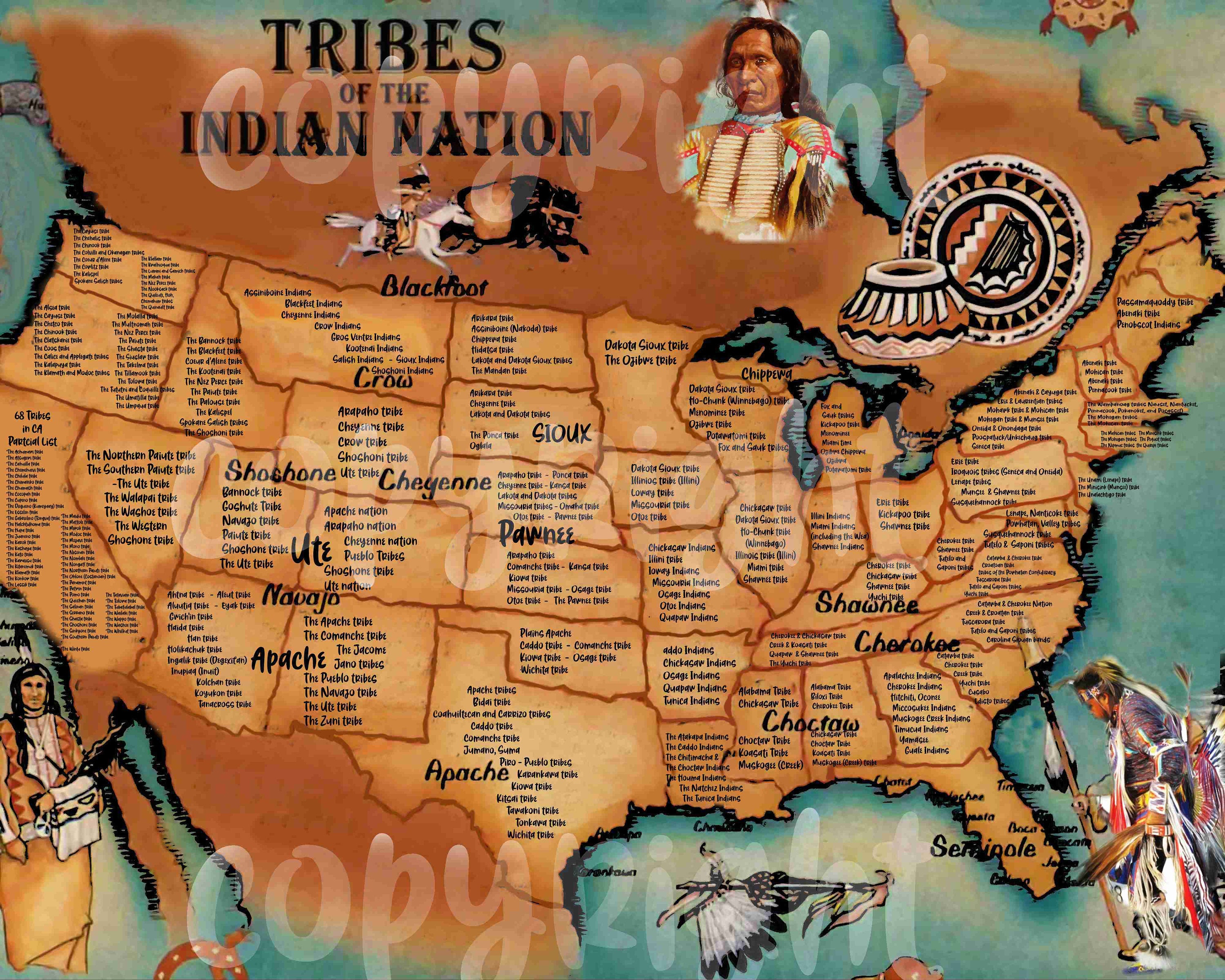
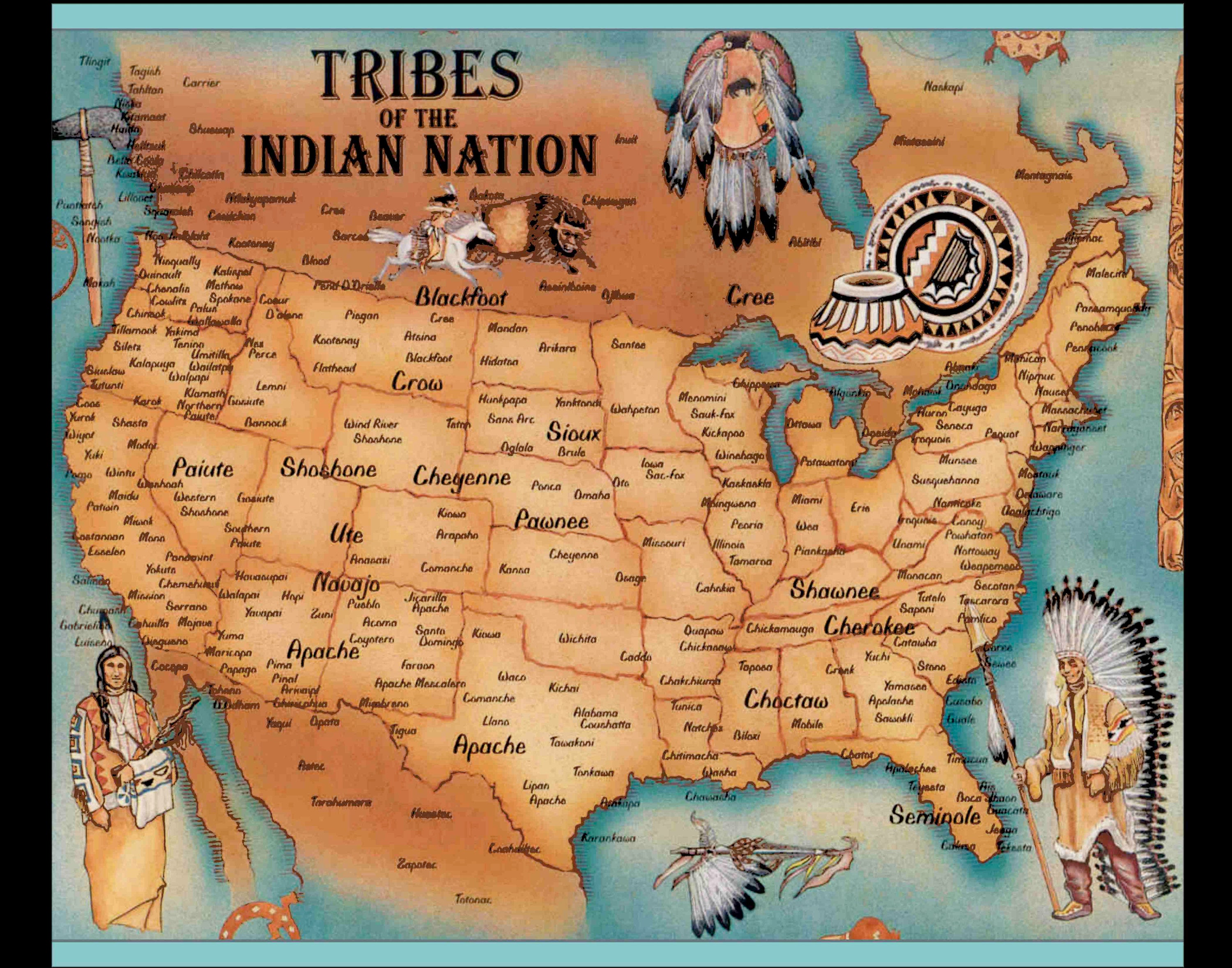
To speak of a "Map of Native American carving traditions" is to embark on an intricate journey, not merely across geographical expanse, but through layers of history, identity, spirituality, and artistic ingenuity. This is not a static map of borders and towns, but a dynamic, living atlas charting the profound ways Indigenous peoples have shaped the natural world into expressions of their being for millennia. From the towering cedar forests of the Pacific Northwest to the sun-baked mesas of the Southwest, the vast plains, and the icy reaches of the Arctic, carving traditions represent the indelible fingerprints of cultures deeply connected to their land, ancestors, and cosmology. This article will navigate this rich landscape, exploring the distinct regional styles, the materials that define them, and the stories they continue to tell, offering a historical and identity-rich perspective suitable for both the curious traveler and the dedicated student of history.
The Land as the Canvas: Materials and Meaning
At the heart of every Native American carving tradition lies an intimate relationship with the land and its resources. The materials chosen were not arbitrary; they were sacred gifts, imbued with the spirit of their origin. Wood, stone, bone, antler, shell, and ivory each presented unique challenges and possibilities, dictating form and function, and often carrying symbolic weight. The very act of carving was, and remains, a dialogue with these materials, a process of revealing the spirit already held within. This deep respect for resources, coupled with profound spiritual beliefs, meant that carvings were rarely "art for art’s sake." Instead, they served vital roles: commemorating ancestors, recording history, facilitating spiritual ceremonies, marking status, and crafting tools and vessels essential for survival.
A Continental Survey: Regional Carving Traditions
The "map" begins to unfold as we traverse the diverse biomes of North America, each fostering distinct artistic expressions.
1. The Pacific Northwest: Cedar, Lineage, and the Living Forest
Perhaps the most iconic carving tradition emanates from the Pacific Northwest Coast, home to nations such as the Haida, Tlingit, Kwakwakaʼwakw (Kwakiutl), Nuxalk (Bella Coola), and Coast Salish. Here, the abundant, colossal red and yellow cedar trees became the primary medium. These magnificent trees, revered as "givers of life," were transformed into monumental totem poles, intricate masks, ceremonial longhouse panels, graceful canoes, and functional tools.

Totem Poles: More than mere sculptures, totem poles are visual narratives, mnemonic devices for oral histories, and declarations of family lineage, clan crests, and important events. They depict animal spirits (bears, eagles, ravens, wolves), mythical beings, and human figures, each rendered with a distinctive formline art style characterized by bold black outlines, ovoid shapes, and U-forms. The colors—typically black, red, and blue-green—further enhance the symbolic meaning. Raising a totem pole was a momentous community event, often accompanied by a potlatch ceremony, where wealth was redistributed, and the pole’s stories publicly validated. These poles stand as powerful testaments to identity, land claims, and historical continuity.
Masks: Carved masks are equally significant, used in elaborate winter ceremonies to embody ancestral spirits, mythical figures, and forces of nature. Often featuring movable jaws, transforming elements, and intricate painting, these masks bring the spiritual world into physical manifestation, playing a crucial role in storytelling, healing, and cultural instruction. The very act of wearing a mask transforms the dancer, blurring the lines between the human and spiritual realms.
2. The Southwest: Stone, Cottonwood, and the Spirit World
The arid and semi-arid landscapes of the American Southwest, home to Pueblo peoples (Hopi, Zuni, Acoma, Taos), Navajo, and Apache, fostered carving traditions deeply connected to agriculture, ancestral spirits, and the unique geology of the region.
Kachina Dolls (Hopi/Zuni): Among the Hopi and Zuni, the carving of tihu (kachina dolls) from cottonwood root is a central practice. Kachinas are spiritual beings who visit the villages for half of the year, bringing rain, fertility, and wisdom. The dolls are not worshipped but are gifts given to children to educate them about the hundreds of different kachina spirits, their appearances, and their associated stories and virtues. Each doll is meticulously carved and painted to represent a specific kachina, embodying the intricate cosmology and ceremonial cycle of these cultures. The smooth, light cottonwood allows for fine detail and vibrant paint application, reflecting the dynamic energy of the kachina dances.
Petroglyphs and Rock Art: While not "carvings" in the traditional sense, the incising and pecking of images into sandstone cliffs across the Southwest represents an ancient and widespread form of visual storytelling. Depicting human figures, animals, astronomical observations, and abstract symbols, these rock carvings served as calendars, trail markers, spiritual messages, and records of historical events, connecting generations to the land and its deep past.
3. The Plains: Pipestone, Buffalo, and Sacred Diplomacy
Across the vast North American Plains, stretching from the Rocky Mountains to the Mississippi River, nations such as the Lakota, Cheyenne, Crow, and Blackfeet developed carving traditions intertwined with buffalo culture, ceremonial life, and inter-tribal diplomacy.
Pipestone Carvings: The most revered carving material of the Plains is catlinite, or pipestone, a soft, reddish-pink stone found primarily in quarries in southwestern Minnesota (Pipestone National Monument). This sacred stone was used to carve pipe bowls for the chanunpa (sacred pipe or calumet), which was central to nearly all ceremonial activities, treaties, and personal prayers. The act of carving a pipe was a meditative, prayerful process, and the pipes themselves were often intricately adorned with animal effigies (buffalo, bear, eagle) or geometric designs, embodying the spirit of the animal and its connection to the smoker’s prayers. The sacred nature of pipestone transcended tribal boundaries, making the quarries neutral ground for all nations.
Antler and Bone Carvings: Antler and bone were also carved into tools, combs, gaming pieces, and decorative elements for clothing and personal items. These carvings often featured detailed representations of animals, reflecting the deep understanding and respect for the wildlife that sustained life on the Plains.

4. The Northeast and Great Lakes: Wampum, Wood, and Healing Spirits
The woodlands of the Northeast and Great Lakes region, home to the Iroquois Confederacy (Haudenosaunee), Anishinaabe (Ojibwe, Odawa, Potawatomi), and Huron, fostered carving traditions reflecting their agricultural practices, forest environment, and complex social structures.
Wampum: While often associated with beads, wampum are intricately carved and polished cylindrical beads made from quahog clam and whelk shells. These beads were woven into belts and strings that served as mnemonic devices for treaties, historical records, and ceremonial speeches. Each pattern and arrangement of white (peace, purity) and purple (war, significant events) beads conveyed specific meanings, making wampum belts powerful symbols of identity, diplomacy, and historical memory. The carving and polishing of these small, durable shells required immense skill and patience.
False Face Society Masks (Iroquois): The Iroquois are renowned for their powerful wooden masks, often made from living basswood trees, used by the False Face Society in healing ceremonies. These masks, depicting grotesque or contorted human-like faces, represent forest spirits who possess the power to cure illness. The carving process itself is highly ritualized, with tobacco offerings made to the tree before the carving begins. Each mask is unique, embodying the specific spirit encountered, and its features—often exaggerated noses, twisted mouths, and deep-set eyes—are designed to awe and inspire.
5. The Southeast: Shell, Stone, and Mississippian Cosmology
The fertile lands of the American Southeast, once home to powerful Mississippian cultures (ancestors of the Cherokee, Creek, Choctaw, and Seminole), saw the development of sophisticated carving traditions in shell, stone, and wood, often depicting complex cosmological themes.
Shell Gorgets and Effigies: Marine shells, particularly conch, were intricately carved into gorgets (pendants) and effigies, depicting human figures, animals (especially raptors and serpents), and complex symbolic designs associated with the Southeastern Ceremonial Complex (SECC). These carvings were not merely decorative; they conveyed religious beliefs, social status, and political power. The detailed engravings on these fragile materials demonstrate extraordinary artistic skill and a rich spiritual life.
Stone Effigy Pipes and Mounds: Stone was carved into effigy pipes, often depicting animals or human figures, used in ceremonial contexts. Furthermore, Mississippian peoples were master earthworkers, creating monumental effigy mounds shaped like animals (birds, serpents) or geometric forms, which, while not "carvings" in the traditional sense, represent a monumental form of landscape sculpting imbued with spiritual and social meaning.
6. The Arctic and Subarctic: Ivory, Bone, and the Spirits of the North
In the harsh, unforgiving environments of the Arctic and Subarctic, Indigenous peoples like the Inuit (formerly Eskimo) and Yup’ik developed carving traditions uniquely adapted to their surroundings, utilizing materials such as walrus ivory, whale bone, and soapstone.
Inuit Carvings: Inuit art is renowned for its expressive, often minimalist, sculptures of animals (seals, polar bears, whales, birds), hunters, and mythological beings. Carved from soapstone, ivory, and bone, these pieces reflect a deep respect for the animal world, an understanding of the interconnectedness of life, and the spiritual power inherent in all living things. The smooth, tactile quality of soapstone, combined with the intricate details possible with ivory, allowed artists to capture movement, emotion, and the essence of their subjects. These carvings often served as amulets, storytelling aids, or simply as reflections on the spiritual and physical challenges of life in the Arctic.
Masks: Yup’ik masks, often made of wood and adorned with feathers and carved ivory or bone attachments, are particularly striking. Used in winter ceremonies, these masks represent the spirits of animals and natural forces, acting as intermediaries between the human and spirit worlds, and often depicting complex transformations.
Common Threads: History, Identity, and Resilience
Despite the vast geographical and cultural distances, several profound commonalities bind these diverse carving traditions together.
Storytelling and History: Carvings across all regions serve as vital vehicles for oral traditions, historical records, and cultural narratives. They are living documents, embodying genealogies, myths, and important events, ensuring their transmission across generations.
Spiritual Connection: Nearly all Native American carving is imbued with spiritual significance. The act of creation is often a prayerful, meditative process, and the finished piece connects the physical world with the sacred, facilitating communication with ancestors, spirits, and deities.
Identity and Community: Carvings are powerful markers of individual, clan, and tribal identity. They declare lineage, commemorate achievements, and reinforce community bonds. They are not just objects; they are expressions of who a people are, where they come from, and what they believe.
Materiality and Respect: The profound respect for the natural materials—the cedar, the pipestone, the shell, the ivory—is a universal principle. The resources are taken with gratitude and transformed with intention, reflecting a reciprocal relationship with the earth.
Adaptation and Resilience: The history of Native American carving is also one of profound resilience. Post-contact, many traditions faced suppression, displacement, and the introduction of new tools and materials. Yet, Indigenous artists adapted, incorporating new techniques while maintaining the core cultural integrity of their work. The market for Native American art, while sometimes problematic due to cultural appropriation, also provided new avenues for artists to continue their traditions and share their stories.
The Living Map Today: Education and Appreciation
Today, the "Map of Native American carving traditions" is far from complete. It is a constantly evolving landscape, with contemporary Indigenous artists drawing upon ancestral knowledge while innovating and pushing the boundaries of their craft. They continue to tell their stories, challenge stereotypes, and assert their vibrant identities through wood, stone, bone, and new media.
For the traveler and history enthusiast, understanding this map means moving beyond superficial aesthetics to grasp the deep cultural, historical, and spiritual meanings embedded in each carved form. It means appreciating the ingenuity of ancestors, the resilience of cultures, and the ongoing vitality of Indigenous artistic expression. Visiting tribal museums, cultural centers, and supporting authentic Native American artists are not just acts of tourism; they are acts of education, respect, and solidarity, contributing to the preservation and flourishing of these invaluable traditions. The journey across this living map is a journey into the soul of a continent, revealing the enduring power of human hands to transform the world into a testament of identity and spirit.

