>
Architectural Tapestry: A Journey Through Native American Home Styles
Beyond the iconic image of the tepee, lies a vast, intricate, and deeply ingenious world of Native American architecture. Far from being simple dwellings, these structures are profound expressions of identity, sophisticated adaptations to diverse environments, and enduring testaments to the resourcefulness and spiritual connection of Indigenous peoples to their lands. This article invites you on a journey across North America, exploring the remarkable diversity of Native American architectural styles – a living map of human ingenuity, history, and cultural identity.
More Than Just Shelter: Architecture as Identity

Native American architectural styles are not merely functional buildings; they are cultural blueprints. Each structure, from the multi-story pueblos of the Southwest to the massive cedar plank houses of the Northwest Coast, tells a story of the people who built it: their spiritual beliefs, social structures, economic practices, and intimate knowledge of their environment. Materials were sourced locally, designs optimized for climate, and construction methods passed down through generations, embodying a sustainable relationship with the land long before the concept was popularized.
To truly understand Native American history and identity, one must look at their homes. They reveal a nuanced understanding of community, defense, and ceremony, often incorporating astronomical alignments or sacred geometries. They challenge the simplistic narratives often taught in mainstream history, revealing complex societies with advanced engineering and design principles.
Let’s embark on a regional exploration of these incredible architectural legacies.
The Enduring Stone and Adobe: Southwest Pueblo Architecture
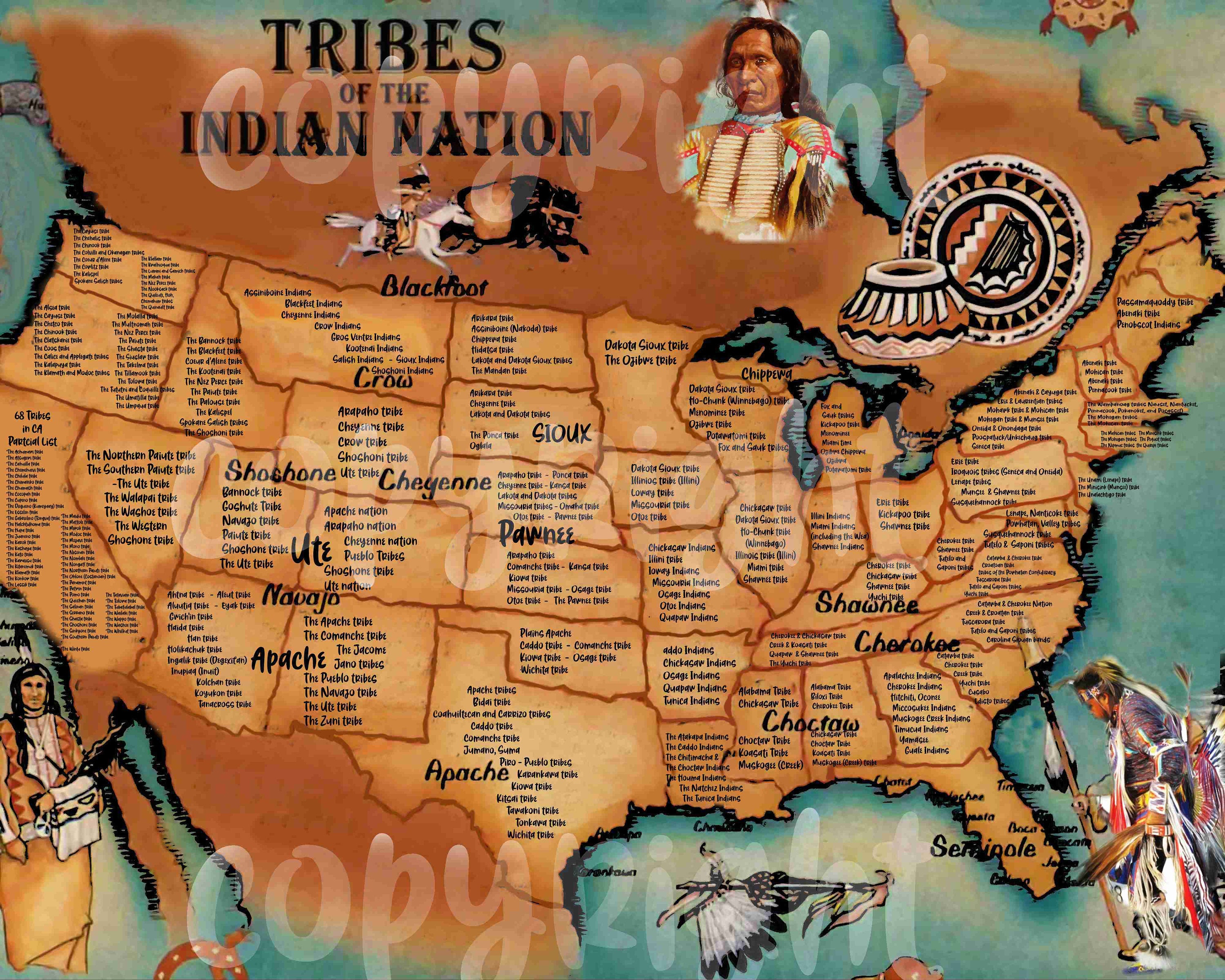
Our journey begins in the arid, sun-baked landscapes of the American Southwest, home to the Ancestral Puebloans and their descendants, including the Hopi, Zuni, and Taos Pueblo peoples. Here, architecture reaches monumental scales with the iconic Pueblo dwelling.
Pueblos are multi-story, multi-family complexes constructed primarily from adobe (sun-dried mud bricks) and stone, often plastered with more adobe. These structures are built communally, with individual rooms opening onto shared terraces or courtyards. Their flat roofs served as additional living space, drying areas, and observation points. The stacked, terraced design wasn’t just aesthetic; it provided passive solar heating in winter and cooling in summer, with thick walls insulating against extreme temperatures. Entrances were often via ladders to upper levels, offering defense against intruders.
Integral to Pueblo architecture are the Kivas, circular underground or semi-underground chambers. These sacred spaces, often featuring a central fire pit and a sipapu (a small hole symbolizing the place of emergence), are central to Pueblo ceremonial life, reflecting a deep spiritual connection to the earth and the cosmos.
Identity & History: Pueblo architecture speaks of a deeply rooted, sedentary agricultural society with strong communal ties and an unbroken spiritual tradition spanning millennia. Sites like Mesa Verde and Chaco Canyon showcase the advanced urban planning and astronomical knowledge of the Ancestral Puebloans, while living pueblos like Taos Pueblo continue to be inhabited today, representing an incredible continuity of culture and identity. Visiting these sites offers a profound historical education, revealing the resilience and enduring spiritual practices of these communities.
Nomadic Ingenuity & Earthly Roots: Plains Architecture
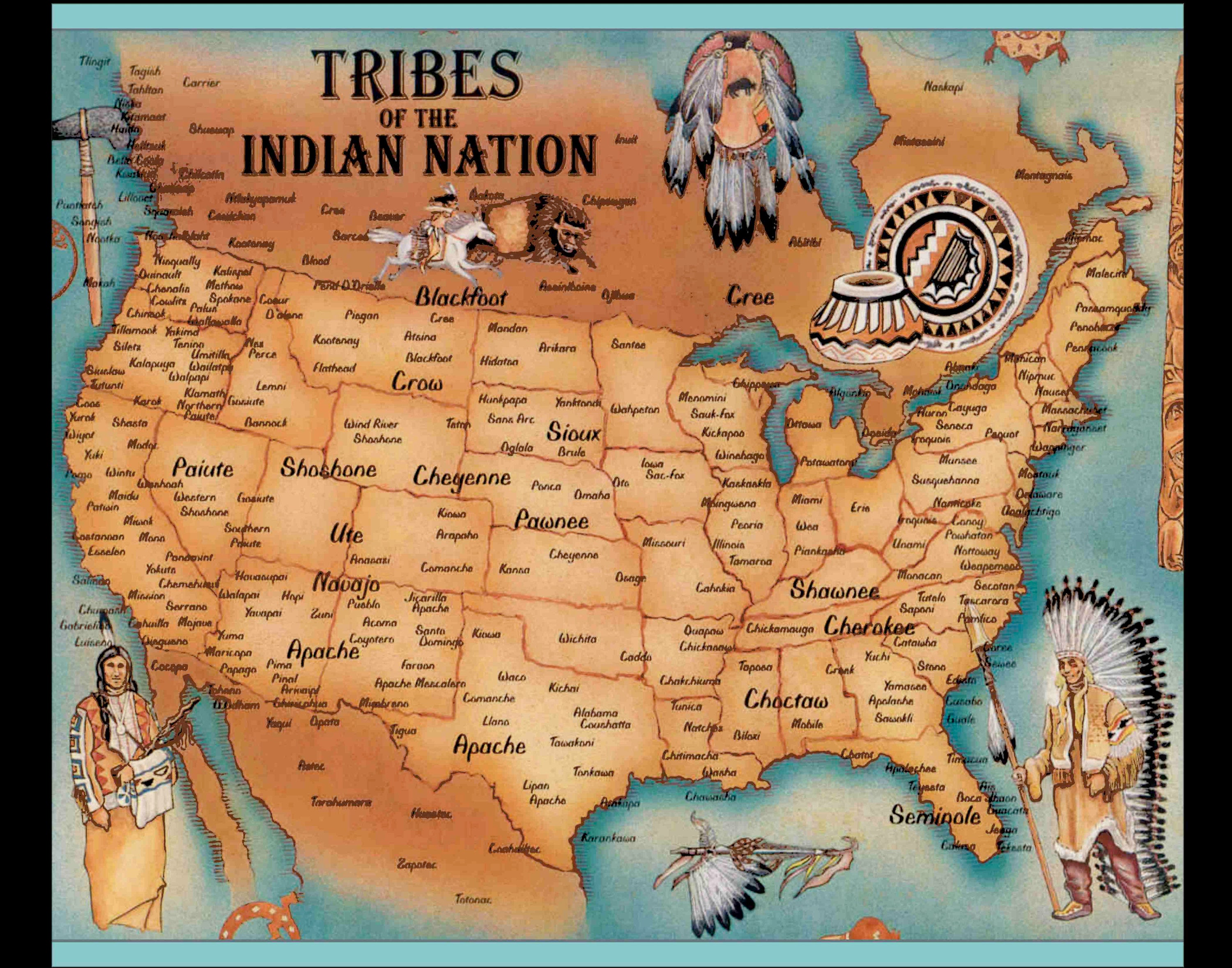
Moving north to the vast grasslands of the Great Plains, we encounter two distinct architectural traditions reflecting different lifestyles: the mobile Tepee and the sedentary Earthlodge.
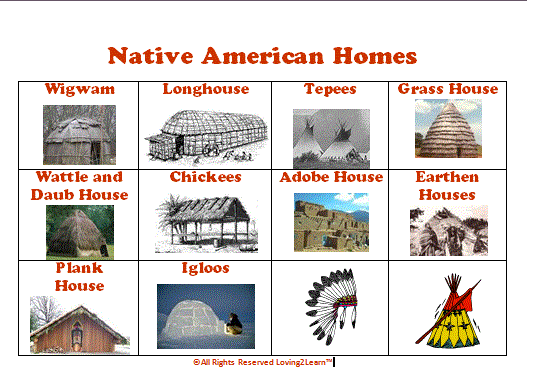
The Tepee (or Tipi), often mistakenly generalized as the Native American home, was primarily used by nomadic hunting tribes like the Lakota, Cheyenne, and Crow. Constructed from a conical framework of poles covered with animal hides (traditionally bison), the tepee was ingeniously designed for portability and climate control. Its slanting walls provided excellent wind resistance, and an adjustable smoke flap at the top allowed for efficient ventilation of interior fires, crucial during harsh winters. The interior was spacious, often decorated with spiritual symbols, and the structure could be erected and dismantled quickly, ideal for following bison herds.
In contrast, sedentary agricultural tribes like the Mandan, Hidatsa, and Arikara, who lived along rivers, built substantial, permanent Earthlodges. These hemispherical structures, supported by a robust timber frame and covered with layers of earth and sod, were incredibly insulated, warm in winter, and cool in summer. Earthlodges were large, accommodating extended families and offering communal living space. They were often arranged in villages, sometimes fortified with palisades.
Identity & History: The tepee embodies the spirit of freedom, adaptability, and the profound connection to the buffalo that defined Plains hunting cultures. Its design reflects a life in harmony with vast, open landscapes. The earthlodge, conversely, speaks to a settled, agricultural life, emphasizing community, stability, and a deep reverence for the fertile earth. Both represent sophisticated engineering for their respective purposes, showcasing the diverse ways tribes adapted to a challenging environment. Visiting reconstructed villages or engaging with Plains cultural centers highlights these distinct ways of life and the resilience in the face of immense historical disruption.
Forest Dwellings & Communal Living: Northeast & Southeast Architecture

Heading east into the woodlands, we find further architectural diversity.
In the Northeast, tribes like the Iroquois Confederacy built the impressive Longhouse. These elongated, tunnel-shaped structures were made from a framework of saplings covered with sheets of bark (often elm or cedar). A typical longhouse could be over 100 feet long and house multiple related families, each with its own compartment and shared central hearths. The longhouse was more than just a home; it was the political and social center of Iroquois life, embodying their matrilineal clan system and democratic governance.
Smaller, more individual dwellings like the Wigwam were common among Algonquin-speaking tribes (e.g., Wampanoag, Ojibwe). Wigwams were dome-shaped or conical, built from bent saplings covered with bark, woven mats, or hides. They were relatively easy to construct and dismantle, offering a degree of mobility while providing excellent insulation.
Further south, in the humid, subtropical Southeast, tribes like the Seminole and Miccosukee developed the Chickee. This unique structure, particularly suited to the Everglades, consists of an elevated wooden platform with a thatched roof (often palmetto) and open sides. The raised floor protected against floods, insects, and humidity, while the open design allowed for maximum air circulation, crucial in the hot climate. Other Southeastern tribes like the Cherokee and Choctaw also built more substantial homes using wattle and daub (a framework of woven branches plastered with mud) or timber-frame houses with thatched roofs.
Identity & History: Longhouses represent the power of collective identity, kinship, and sophisticated political organization characteristic of the Iroquois. Wigwams speak to the adaptability of smaller family units within a forest environment. Chickees exemplify ingenious climate-specific design, a testament to survival in a challenging ecosystem. These styles highlight the deep knowledge of forest resources and sustainable building practices, a legacy often overlooked but crucial for historical understanding. Exploring historical villages or cultural centers in these regions offers a glimpse into these rich traditions.
Timber & Totems: Northwest Coast Architecture
Our final major stop takes us to the Pacific Northwest Coast, a region of abundant natural resources, particularly massive cedar trees. Here, tribes like the Haida, Tlingit, and Kwakwaka’wakw developed some of the most impressive wooden architectures on the continent: the Plank House.
These enormous rectangular structures were built from massive cedar timbers and planks, meticulously split and shaped using stone and shell tools. Plank houses could be over 60 feet long, housing multiple families and reflecting the wealth and status of the lineage. The planks were often removable, allowing for adaptation to changing seasons or even transportation to new locations. Intricately carved totem poles often stood outside, serving as monumental heraldry, telling stories of ancestry, clan identity, and spiritual beliefs. The interior often featured raised platforms for sleeping and storage, and a central hearth.
Identity & History: Northwest Coast architecture is a powerful expression of identity, status, and artistic sophistication. The abundance of resources allowed for permanent, substantial dwellings that became centers for elaborate ceremonies like the Potlatch, where wealth and prestige were displayed through feasting and gift-giving. The detailed carvings on houses and totem poles are not mere decoration; they are visual narratives, embodying the spiritual connection to the land, sea, and animal spirits. This architecture reflects a rich, complex society with a deep reverence for craftsmanship and storytelling, a legacy celebrated in museums and cultural centers throughout the region.
The Enduring Legacy: Beyond the Physical Structure
This journey through Native American architectural styles reveals more than just building techniques; it uncovers the very essence of diverse cultures. Each style is a testament to:
- Ingenuity and Adaptation: A profound understanding of local ecosystems, climate, and available resources, leading to incredibly sustainable and efficient designs.
- Community and Identity: Homes were often communal spaces, reflecting strong social bonds, kinship systems, and shared governance. They were central to ceremonial life and the transmission of cultural knowledge.
- Spirituality and Connection to Land: Designs often incorporated sacred geometries, astronomical alignments, or symbols that connected the inhabitants to the spiritual world and the land itself.
- Resilience: Despite centuries of colonization, forced removal, and attempts to eradicate their cultures, many of these architectural traditions have survived, adapted, and are experiencing revitalization today.
Conclusion: Learning from the Builders of the Past
The architectural map of Native America is a vibrant, living testament to human innovation and cultural diversity. It challenges us to look beyond stereotypes and appreciate the profound wisdom embedded in indigenous building practices. For the traveler and history enthusiast, exploring these sites – whether ancient ruins, reconstructed villages, or living communities – offers an unparalleled opportunity for historical education and cultural immersion.
By understanding how Native peoples built their homes, we gain insight into their worldviews, their relationship with the environment, and the enduring strength of their identities. It’s a powerful reminder that true sustainability and profound connection to place are not new concepts, but ancient wisdom waiting to be rediscovered and respected. Let us recognize these structures not as relics of the past, but as living classrooms that continue to teach us about human ingenuity, resilience, and the diverse tapestry of our shared history.
>

