
The Living Map: Unveiling Native American Animal Relationships, Identity, and History
The "Map of Native American Animal Relationships" is not a cartographic chart but a profound conceptual framework, a living tapestry woven into the very fabric of indigenous cultures across North America. It represents an intricate, deeply spiritual, and intensely practical understanding of the natural world, where every creature holds a specific place, purpose, and power. Far from being mere resources, animals are revered as teachers, kin, spirit guides, and integral members of the community, shaping tribal identity, historical narratives, and the very cosmology of countless nations. To truly comprehend Native American history and identity is to delve into this extraordinary "map," where the lines are drawn not with ink, but with respect, reciprocity, and an ancient wisdom that resonates even today.
More Than Metaphor: The Animist Foundation
At the heart of this conceptual map lies an animist worldview, where all living things – animals, plants, rocks, rivers – possess a spirit, a consciousness, and are interconnected. This is not merely a metaphor; it is a fundamental truth for many indigenous peoples. Humans are not positioned at the apex of creation, but rather as one strand in the web of life, sharing the earth with their animal relatives. This perspective mandates a deep reverence and a sense of responsibility. Every interaction with an animal, whether for sustenance, healing, or spiritual guidance, is approached with gratitude and an understanding of mutual respect.
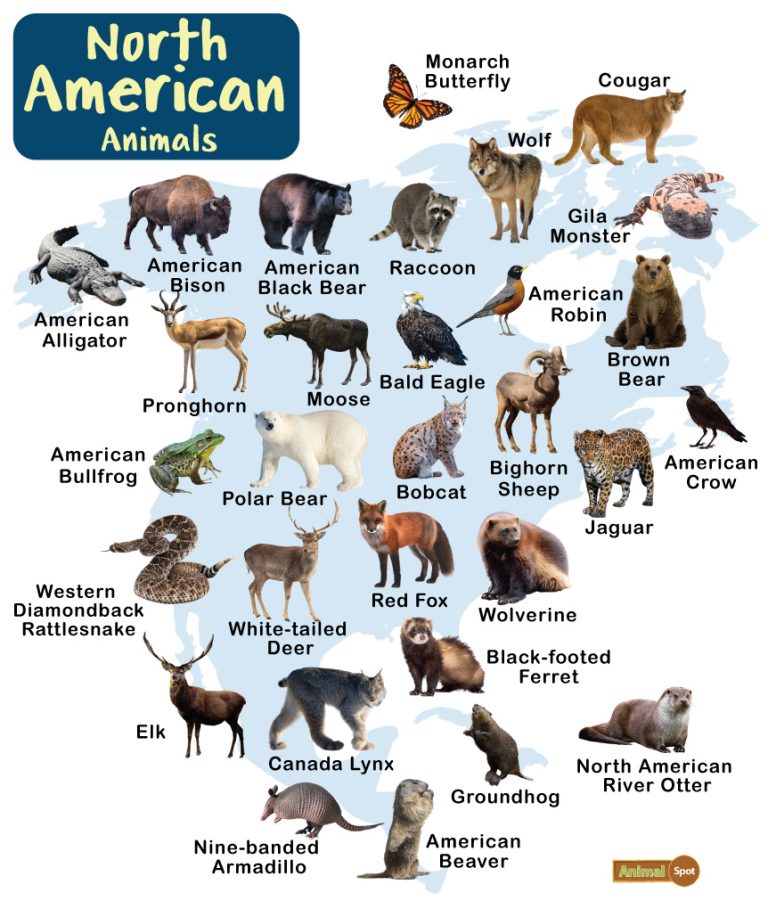
This profound interconnectedness forms the bedrock of identity. An individual’s relationship with specific animals often defines their role within the community, their personal strengths, and their spiritual path. Tribal narratives are replete with stories of creation, migration, and survival that feature animals as central figures, imparting vital lessons about morality, resilience, and the cyclical nature of existence.
The Pillars of Identity: Clans, Totems, and Spirit Guides
The "Map of Native American Animal Relationships" is perhaps most tangibly expressed through clan systems and the concept of totem animals. For many tribes, particularly those with complex social structures like the Iroquois, Ojibwe, or many Pacific Northwest nations, clans are named after animals. These animal clans are more than just lineage markers; they often dictate social roles, responsibilities, and even marriage patterns.
For instance, among the Ojibwe, the Bear Clan might be associated with healing and medicine, the Crane Clan with leadership and eloquence, the Loon Clan with chieftainship, the Fish Clan with intellect and teaching, and the Marten Clan with hunting and defense. Membership in an animal clan imbues individuals with specific characteristics and obligations, fostering a strong sense of collective identity and shared purpose. This system ensured social cohesion and the efficient distribution of skills and responsibilities within the community.

Beyond clan identity, personal totem animals or spirit guides play an equally crucial role. Through vision quests, dreams, or significant life events, individuals might discover a particular animal that serves as their protector, mentor, or source of power. This personal connection is deeply intimate and provides guidance throughout life. A person might embody the strength of a Bear, the keen vision of an Eagle, the community spirit of a Wolf, or the adaptability of a Coyote. These relationships are not chosen lightly; they are revealed and cherished, acting as a personal compass and a link to the spiritual realm.
The animal relationships also manifest in naming conventions. Many indigenous names reflect the qualities or essence of animals, honoring their spirit and connecting the individual to a powerful natural force. This practice reinforces the deep intertwining of human and animal identity from birth.
Practical Wisdom: Survival and Sustenance
While the spiritual dimension is paramount, the "Map of Native American Animal Relationships" is equally grounded in practical wisdom born of millennia of observation and survival. Animals were not just spiritual beings but also the primary source of sustenance, clothing, shelter, tools, and medicine.

Consider the Plains tribes and their relationship with the Buffalo (Bison). The buffalo was not merely an animal; it was life itself. Its meat provided food, its hide became tipis, clothing, and blankets, its bones were crafted into tools and weapons, its sinew into thread, its horns into cups and spoons, and its dung into fuel. The relationship was one of profound reciprocity: the buffalo gave its life, and in return, humans honored its sacrifice by using every part and by living in harmony with the herds. This cyclical relationship ensured both survival and spiritual well-being. The buffalo hunt was not just a utilitarian act; it was a sacred ceremony, imbued with prayer and gratitude.
Similarly, for the Pacific Northwest tribes, the Salmon was a sacred giver of life. Its annual return upstream symbolized abundance, perseverance, and renewal. Rituals and ceremonies surrounded the salmon run, honoring the fish and ensuring its continued return. The observation of animal behavior also provided invaluable knowledge for hunting, fishing, predicting weather patterns, and understanding the subtle rhythms of the ecosystem. Animals were the ultimate teachers of adaptation, resourcefulness, and living sustainably within one’s environment.
This practical aspect highlights a crucial historical point: pre-contact indigenous societies thrived precisely because their "map" of animal relationships fostered a sustainable interaction with the environment. They understood ecological balance not as an abstract concept, but as an immediate reality essential for their continued existence.
Storytelling, Mythology, and Moral Frameworks
The "Map of Native American Animal Relationships" is also meticulously documented and transmitted through a rich tradition of oral storytelling and mythology. Animals are central characters in creation myths, trickster tales, and cautionary legends, serving as vehicles for teaching tribal history, moral lessons, and cosmological truths.
The Coyote, a prominent figure across many Southwestern and Plains tribes, is often portrayed as a trickster – a mischievous, chaotic, yet ultimately wise character who, through his antics, inadvertently brings about important changes or teaches valuable lessons about human nature and the consequences of actions. Similarly, the Raven, particularly in Pacific Northwest mythology, is a powerful creator figure, bringing light to the world or shaping the landscape through his cleverness and sometimes self-serving deeds.
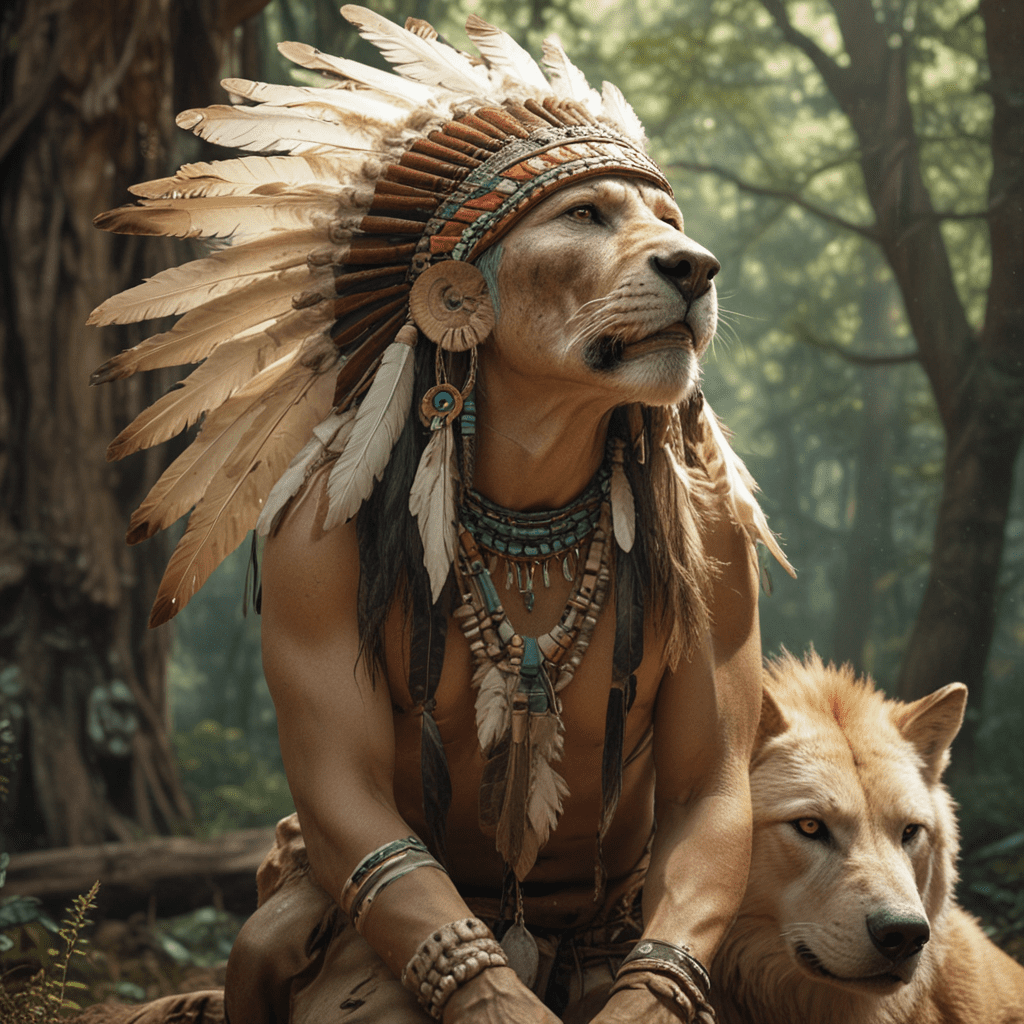
These stories are not mere fables; they are living repositories of knowledge, cultural values, and historical memory. They explain the origins of the world, the characteristics of different animals, the proper way to behave, and the consequences of disrespecting the natural order. Through these narratives, children learned about their place in the world, the interconnectedness of all life, and the wisdom embedded in their ancestral "map." They reinforced the identity of the tribe and its members, reminding them of their unique heritage and their shared understanding of the universe.
Historical Resilience and Enduring Legacy
The arrival of European colonizers profoundly challenged and, in many cases, violently disrupted the intricate "Map of Native American Animal Relationships." The European worldview, often rooted in dominion over nature and resource extraction, clashed sharply with indigenous philosophies of stewardship and reciprocity. The systematic slaughter of the buffalo, for instance, was not just an economic act but a deliberate strategy to dismantle the Plains tribes’ way of life, severing their most profound connection to the animal world and thus their identity.
Despite centuries of cultural suppression, forced assimilation, and the destruction of traditional lands and ecosystems, the "Map of Native American Animal Relationships" has shown remarkable resilience. Indigenous peoples have fought to preserve their languages, ceremonies, and oral traditions, ensuring that the wisdom embedded in their animal connections continues to guide future generations.
Today, this ancient "map" remains a powerful source of identity, cultural revitalization, and environmental advocacy. Many indigenous communities are leading efforts in conservation, land reclamation, and the protection of endangered species, drawing directly from their ancestral understanding of ecological balance and the sacredness of all life. The lessons of the Bear, the Wolf, the Eagle, and the Salmon are not confined to the past; they inform contemporary struggles for sovereignty, environmental justice, and cultural recognition. They stand as a testament to an enduring spiritual and cultural heritage.
Key Animal Archetypes: A Glimpse into the Map
While the specific interpretations vary greatly between tribes and regions, certain animal archetypes frequently appear across the "Map of Native American Animal Relationships," each carrying potent symbolism:
- The Eagle: Revered across countless nations, the Eagle symbolizes great vision, courage, spiritual connection, and a direct link to the Great Spirit. Its ability to soar high above the earth grants it a unique perspective, making it a messenger between the human and spirit worlds.
- The Bear: A symbol of strength, introspection, healing, and protection. Bears are often associated with medicine people and spiritual journeys, representing the power to overcome challenges and to find wisdom through solitude.
- The Wolf: Often misunderstood in Western culture, the Wolf in indigenous traditions embodies loyalty, community, teaching, and intuition. Wolves are seen as pathfinders and fierce protectors of their pack, offering lessons in cooperation and family bonds.
- The Buffalo/Bison: The ultimate symbol of abundance, sacrifice, and the sacredness of life, particularly for the Plains tribes. The Buffalo represents the gift of sustenance and the importance of honoring all creation.
- The Salmon: Crucial for Pacific Northwest tribes, the Salmon symbolizes persistence, regeneration, determination, and the cyclical nature of life. Its journey upstream to spawn represents the power of overcoming obstacles for the sake of future generations.
- The Deer: Known for its gentleness, grace, and swiftness, the Deer often represents peace, kindness, and an intuitive connection to the forest.
- The Owl: Frequently associated with wisdom, mystery, and the ability to see in the dark, the Owl is often considered a messenger from the spirit world or a guide through the unknown.
- The Coyote/Raven: As mentioned, these trickster figures are complex symbols of creation, chaos, wisdom, and adaptability. They challenge norms and bring about change, often through humor or disruption.
These are just a few examples from an incredibly rich and diverse conceptual "map." Each animal, whether a tiny insect or a massive mammal, holds a unique teaching and contributes to the intricate balance of the natural world, and consequently, to the identity and history of the people who share that world.
Conclusion: A Legacy for All
The "Map of Native American Animal Relationships" is far more than a historical curiosity; it is a profound testament to an ancient, holistic worldview that offers invaluable lessons for contemporary society. It underscores the critical importance of environmental stewardship, the power of community, and the deep connection between identity and the natural world.
For travelers and history enthusiasts, understanding this "map" is essential for appreciating the true depth and resilience of Native American cultures. It encourages a shift from viewing indigenous peoples through a simplistic lens to recognizing the sophisticated philosophical and practical systems that sustained their societies for millennia. It reminds us that history is not just about human events, but about the intricate dance between humanity and the living world – a dance where animals are not just supporting characters, but central, sacred partners in the unfolding story of life. This living map, imbued with millennia of history and identity, continues to guide, inspire, and challenge us to reconnect with the profound wisdom of the natural world.

