
The Living Map: Tracing Inuit History and Identity Across Alaska’s Arctic
The Arctic, a realm of profound beauty and unforgiving challenges, holds stories etched not just into its icy landscapes but into the very fabric of its indigenous peoples. For the intrepid traveler and the curious historian alike, a map of Inuit regions in Alaska is far more than a geographical outline; it is a vibrant testament to millennia of adaptation, resilience, and a deeply interwoven cultural identity. This article delves into the historical layers and enduring spirit that define the Inuit presence across Alaska’s vast northern expanse, focusing primarily on the Iñupiat, the Alaskan branch of the broader Inuit family.
Defining the Iñupiat Homeland: Alaska’s Inuit Regions
When we speak of "Inuit regions" in Alaska, we are primarily referring to the ancestral lands of the Iñupiat. While the term "Inuit" encompasses various indigenous groups across the Arctic (Canada, Greenland, and parts of Russia), in Alaska, the Iñupiat are the main group identified as Inuit, distinct from their southern neighbors, the Yup’ik and Alutiiq.
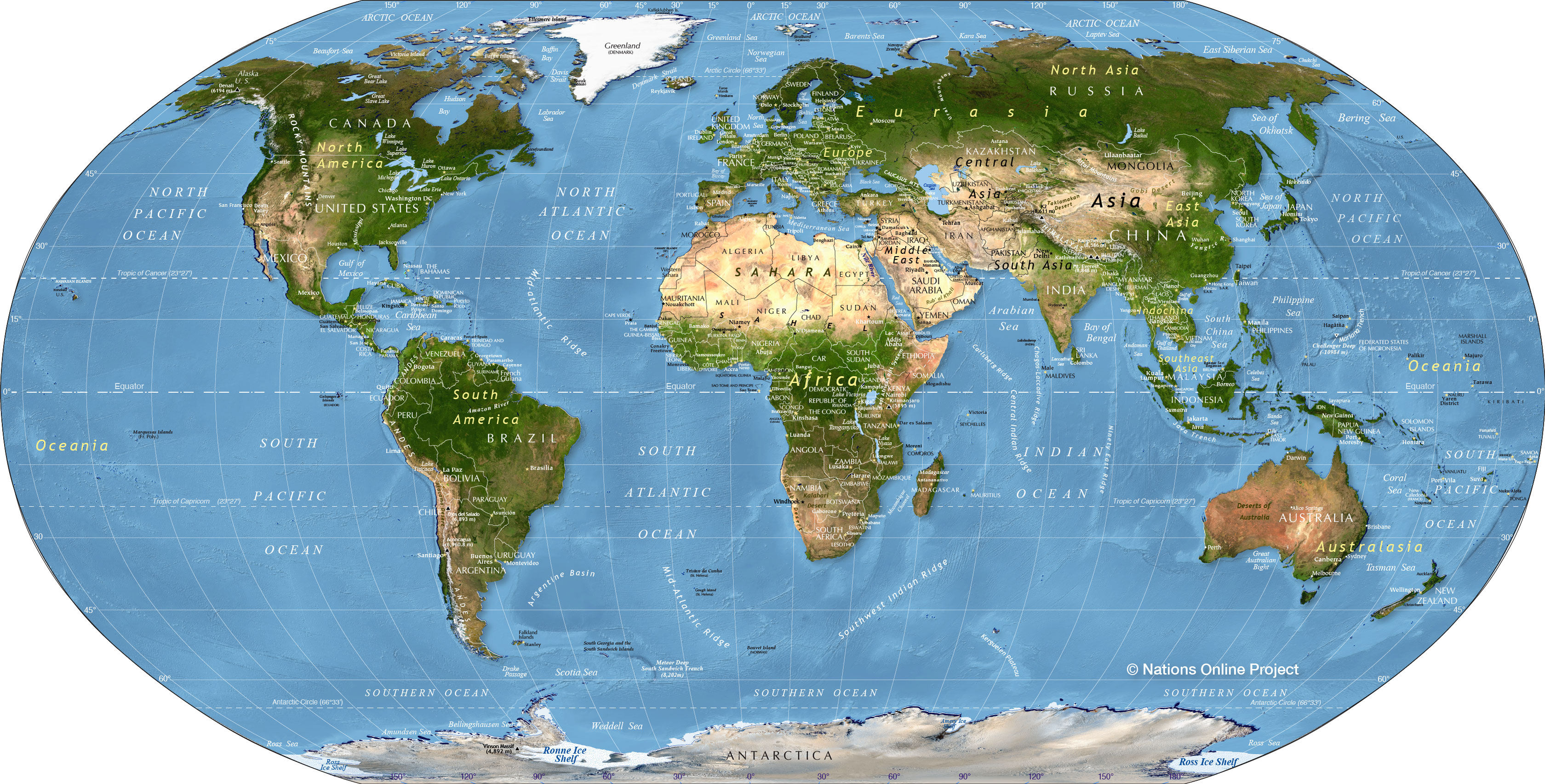
The Iñupiat homeland stretches across an immense area, from the Seward Peninsula in the west, northward along the Bering Strait and Chukchi Sea coasts, and eastward across the entire North Slope to the Canadian border. This vast territory encompasses diverse ecosystems, from the treeless tundra to the icy shores of the Arctic Ocean. Key regions include:
- North Slope: Home to communities like Utqiaġvik (Barrow), the northernmost city in the United States, and Nuiqsut, a community deeply connected to oil development. This region is characterized by extensive tundra and rich whaling grounds.
- Northwest Arctic Borough: Centered around Kotzebue, a major hub for numerous smaller villages like Kivalina, Point Hope, and Noorvik. This area includes the Brooks Range foothills and the Kotzebue Sound, crucial for caribou hunting and fishing.
- Bering Strait Region: Including Nome and communities on the Little Diomede Island, this area serves as a cultural crossroads, influenced by both Iñupiat and Yup’ik traditions and historically a gateway to Siberia.
Understanding this geographical spread is the first step in appreciating the Iñupiat story. Each community, though connected by shared language and culture, possesses unique adaptations and histories tied to its specific environment.
Ancient Roots: A History Forged in Ice and Ingenuity

The history of the Iñupiat in Alaska is one of extraordinary human adaptation, stretching back thousands of years. Their ancestors are believed to have migrated across the Bering Land Bridge (Beringia) from Asia, gradually populating the North American Arctic. Over millennia, they honed a sophisticated knowledge of their environment, developing technologies and cultural practices perfectly suited for survival in one of the planet’s most extreme climates.
Their pre-contact existence was a testament to ingenious subsistence strategies. The Iñupiat were master hunters, primarily reliant on the bounty of the sea and land. Bowhead whales, seals, walruses, and caribou formed the bedrock of their diet and economy. Every part of these animals was utilized: meat for food, blubber for fuel and light, skins for clothing and shelter (like the umiaq, a skin boat), bones and ivory for tools and art. This deep connection to the land and sea fostered a profound respect for nature, embedded in their spiritual beliefs and oral traditions.
Community structures were often semi-nomadic, following the migrations of game. Extended families and clans formed the core social units, bound by shared responsibilities and reciprocal relationships. Storytelling, drumming, and dancing were not merely entertainment but crucial vehicles for transmitting knowledge, history, and cultural values across generations. The Iñupiaq language, rich in terms describing the nuances of snow, ice, and hunting, reflected their intricate relationship with their world. Their identity was, and remains, inextricably linked to their ability to thrive in the Arctic, a legacy of ancestral wisdom and unparalleled resilience.
Eras of Contact: Disruption and Enduring Spirit
The arrival of outsiders marked a profound shift in Iñupiat history. While sporadic contact with Russian explorers and traders occurred as early as the 18th century, the late 19th century brought significant and often disruptive changes.
- American Purchase and Whaling Era (1867 onwards): After the United States purchased Alaska from Russia, American commercial whalers flocked to the Arctic. While they introduced new goods and technologies, they also brought devastating diseases (smallpox, influenza) against which Iñupiat had no immunity, decimating populations. The commercial exploitation of whales also disrupted traditional subsistence patterns.
- Missionaries and Government Influence: Missionaries arrived with the whalers, introducing Christianity and often actively suppressing traditional Iñupiat spiritual practices, language, and ceremonies. Concurrently, the U.S. government established schools that often enforced English-only policies and, in some cases, separated children from their families in boarding schools, leading to significant cultural erosion.
- The Cold War and Modernization: The mid-20th century saw the establishment of military bases (like the DEW Line – Distant Early Warning) across the Arctic. This brought jobs and modern infrastructure but further integrated Iñupiat communities into the cash economy and non-Native society, often at the expense of traditional ways of life.

Despite these immense pressures, the Iñupiat spirit of adaptation and survival endured. They selectively adopted new technologies and ideas while striving to maintain core aspects of their cultural identity. The challenges of this period laid the groundwork for future movements of self-determination.
Reclaiming Identity: Self-Determination and Cultural Revitalization
The latter half of the 20th century marked a pivotal era of self-determination for Alaska Native peoples, including the Iñupiat. The discovery of vast oil reserves on the North Slope in the 1960s brought renewed urgency to the question of land ownership and indigenous rights.
This culminated in the Alaska Native Claims Settlement Act (ANCSA) of 1971. ANCSA was a landmark piece of legislation that extinguished aboriginal land claims in exchange for 44 million acres of land and nearly $1 billion. Critically, it established a unique system of Native corporations—12 regional corporations and over 200 village corporations—tasked with managing these lands and funds for the benefit of their shareholders.
For the Iñupiat, ANCSA had profound and complex impacts on their identity:
- Economic Self-Sufficiency: Regional corporations like the Arctic Slope Regional Corporation (ASRC) and NANA Regional Corporation became major economic powerhouses, providing jobs, scholarships, and investments back into their communities. This allowed for a degree of economic self-sufficiency previously unimaginable.
- Land Ownership: While not sovereign nations in the traditional sense, the corporations gained title to significant portions of their ancestral lands, providing a legal basis for protecting cultural sites and managing resources.
- Cultural Revitalization: The newfound economic and political leverage provided a platform for cultural revitalization efforts. Language immersion programs, traditional arts initiatives, and the documentation of oral histories gained momentum. Elders, once marginalized, became celebrated cultural bearers.
- Modern Governance: Alongside the corporations, traditional tribal governments and non-profit organizations like the Iñupiat Community of the Arctic Slope (ICAS) and the Northwest Arctic Borough continue to advocate for their people’s rights, manage social services, and preserve cultural heritage.
Today, Iñupiat identity is a dynamic blend of deep traditional roots and modern adaptation. Whaling crews still launch their umiaks into the Arctic Ocean, and the Naluqataq (whale feast and blanket toss) remains a central cultural event. Yet, young Iñupiat navigate a world of smartphones, climate change, and global influences, finding new ways to express their heritage through contemporary art, music, and activism.
The Enduring Spirit: Culture and Challenges Today
The map of Inuit regions in Alaska today is a living document, constantly being reshaped by natural forces and human endeavors. Iñupiat culture continues to thrive, deeply rooted in their Arctic homeland:
- Language: The Iñupiaq language, though endangered, is the focus of intense revitalization efforts, with immersion schools and online resources working to ensure its survival for future generations.
- Arts and Storytelling: Traditional carving (ivory, bone, wood), sewing (parkas, mukluks), and drum and dance continue to be practiced and taught. Contemporary Iñupiat artists blend traditional motifs with modern expressions.
- Subsistence Lifestyle: Despite modernization, subsistence hunting, fishing, and gathering remain central to Iñupiat life, providing not only food security but also reinforcing cultural values, family bonds, and knowledge of the environment.
- Community: Strong community ties and mutual support networks are hallmarks of Iñupiat society, essential for navigating both daily life and extraordinary challenges.
However, the Iñupiat face significant modern challenges:
- Climate Change: The Arctic is warming at an alarming rate, impacting traditional hunting routes, causing permafrost thaw (damaging infrastructure), and increasing coastal erosion (threatening villages). This directly threatens their subsistence lifestyle and cultural practices.
- Resource Development: While oil and gas development has brought economic benefits, it also raises concerns about environmental impacts on fragile ecosystems and traditional hunting grounds. The balance between economic prosperity and environmental stewardship is a constant negotiation.
- Social Challenges: Like many indigenous communities, Iñupiat communities grapple with issues related to historical trauma, including higher rates of suicide, substance abuse, and food insecurity, often stemming from the legacy of colonialism and rapid cultural change.
Despite these obstacles, the Iñupiat remain resilient, actively working to address these challenges through advocacy, education, and innovative solutions, often drawing upon their deep ancestral knowledge.
Traveling the Living Map: Respectful Engagement and Historical Education
For those drawn to the stark beauty and profound human story of Alaska’s Arctic, understanding the map of Inuit regions is an unparalleled opportunity for historical education and respectful engagement.
- Beyond the Picturesque: While the scenery is breathtaking, the true richness lies in the human story. Engage with local communities not just as tourists but as learners.
- Support Local: When visiting, support local businesses, artists, and guides. Their knowledge and perspectives are invaluable.
- Respect Protocols: If invited to cultural events, observe local customs and ask permission before taking photographs. Remember that subsistence activities are not performances but vital aspects of life.
- Learn the History: Educate yourself on the Iñupiat experience—their triumphs, struggles, and ongoing efforts. Read books, listen to podcasts, watch documentaries.
- Understand Climate Impacts: Witness firsthand the effects of climate change and understand its profound implications for indigenous communities.
A journey through Alaska’s Inuit regions is more than just ticking off a destination; it is an immersion into a living history, a vibrant identity, and a profound connection between people and place. It is an opportunity to learn from a culture that has mastered survival in the harshest environments, a testament to the enduring strength of the human spirit. The map, in this context, becomes a guide not just to geography, but to the heart of an ancient and vibrant civilization that continues to thrive against all odds.

