Here’s a 1200-word article for a travel blog, directly reviewing the utility of KML files and Google Earth for exploring Native American reservations, with no preamble.
>
Unlocking Sacred Landscapes: Your KML Guide to Native American Reservations via Google Earth
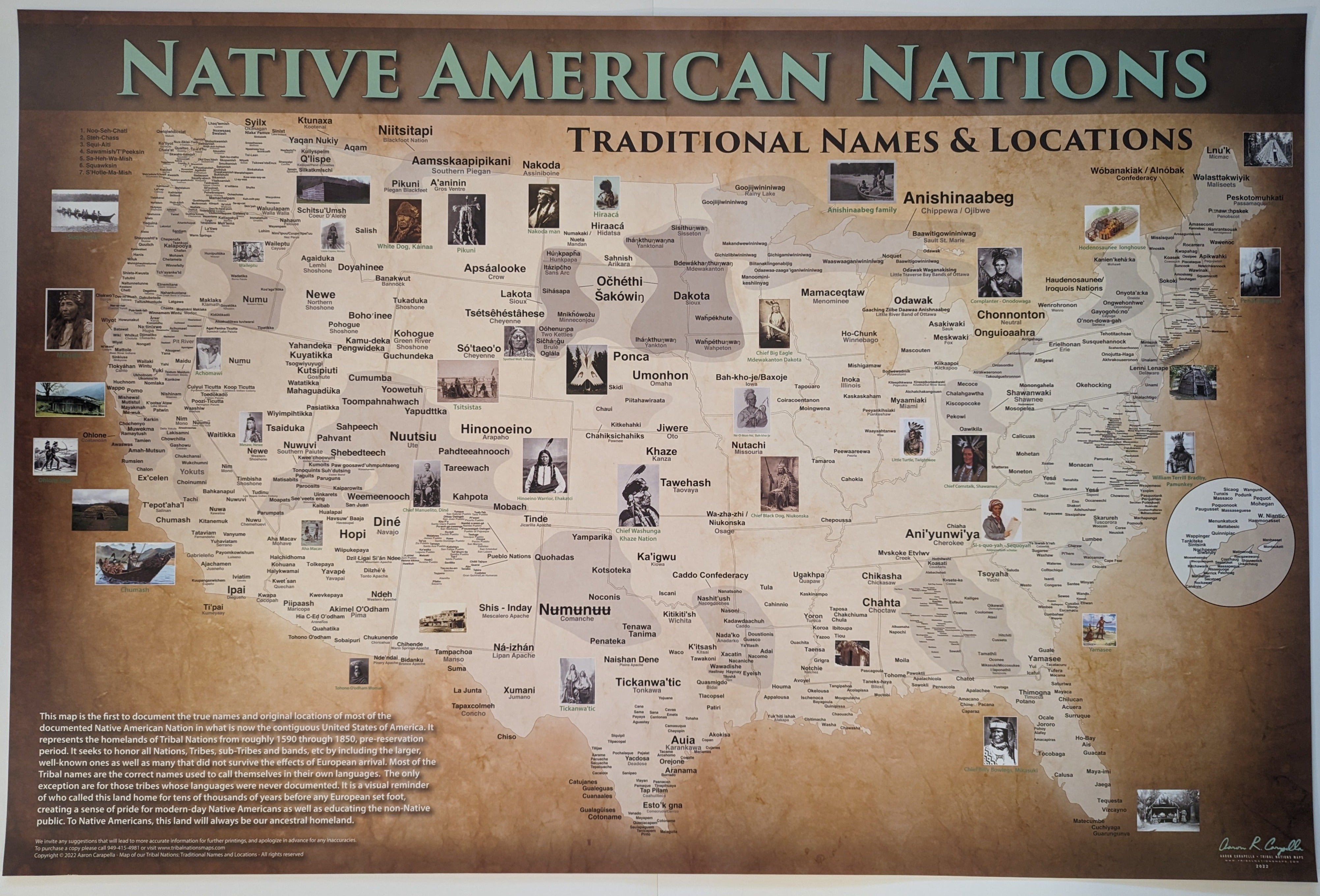
Forget the generic travel brochures and static maps. For the intrepid traveler seeking profound cultural immersion and breathtaking natural beauty, a powerful, often overlooked tool exists: the KML file, meticulously layered onto Google Earth, revealing the intricate tapestry of Native American reservations. This isn’t just about finding a destination; it’s about understanding sovereignty, history, and culture before you even pack your bags.

This article reviews how KML files transform your approach to exploring these vital, living communities, offering a pathway to respectful, informed, and truly transformative travel experiences across Native America.
The KML Advantage: Beyond Simple Navigation
A KML (Keyhole Markup Language) file is more than a digital pin on a map. It’s a data-rich overlay that, when imported into Google Earth, brings an unparalleled level of detail to your travel planning, especially for regions as historically and culturally complex as Native American reservations.
- Precise Boundaries: Official KML files, often sourced from tribal governments, academic institutions, or federal agencies like the Bureau of Indian Affairs (BIA), delineate the exact geographical boundaries of reservations, trust lands, and ancestral territories. This is crucial because these are sovereign nations within the United States, each with its own laws, governance, and unique cultural protocols. Knowing where you are – and whose land you are on – is the first step toward respectful engagement.
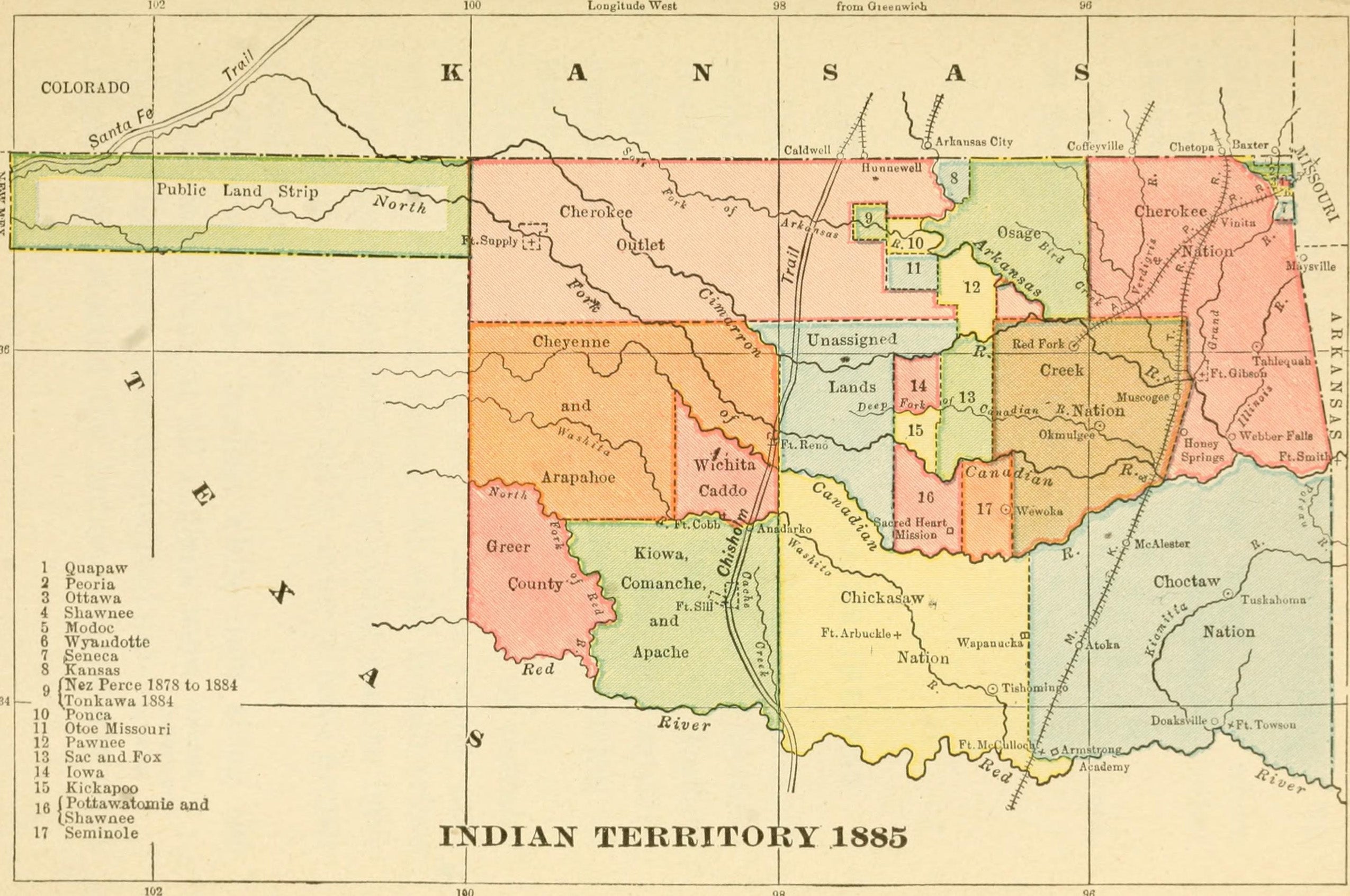
- Historical Context: Many KML layers aren’t just about present-day borders. They can include historical land cessions, treaty lines, or even ancient trade routes. Imagine overlaying a 19th-century treaty map onto current satellite imagery. This visual juxtaposition immediately grounds your journey in the deep history of these lands, offering context that no guidebook alone can provide.
- Points of Interest (POIs): Beyond borders, KML files can mark specific points of interest: cultural centers, museums, sacred sites, powwow grounds, tribal parks, historic trading posts, and even local businesses. This allows for hyper-localized planning, ensuring you’re not just passing through, but engaging with the heart of the community.
- Environmental Insights: Some KML datasets include ecological information, land use data, or even traditional ecological knowledge points. For travelers interested in environmental justice or sustainable tourism, these layers offer a deeper appreciation for indigenous land stewardship and the environmental challenges faced by many communities.


Why Travel to Native American Reservations? A Review of Unparalleled Experiences
With your KML-enhanced Google Earth providing the navigational and contextual framework, let’s delve into why these destinations offer some of the most profound travel experiences available.
-
Cultural Immersion at its Deepest: This is not tourism as usual. Native American reservations are living cultures, vibrant with traditions passed down through generations.
- Art and Craftsmanship: From the intricate Navajo rugs and silverwork of the Southwest to the exquisite basketry of California tribes or the stunning totem poles of the Pacific Northwest, indigenous art tells stories and preserves history. KML can highlight tribal arts centers, workshops, and galleries where you can meet the artists and understand the cultural significance of their work.
- Music and Dance: Attending a powwow is an unforgettable experience – a celebration of heritage through drumming, singing, and elaborate regalia. While KML won’t tell you specific dates, it can mark the traditional grounds, prompting you to research local event calendars.
- Storytelling and Language: Many communities offer cultural tours led by tribal members who share oral histories and linguistic insights, providing a perspective impossible to find elsewhere.
- Cuisine: Experience traditional foods, from frybread to green chile stew, often prepared with locally sourced ingredients and deep cultural significance.
-
Historical Significance Unveiled: The history of Native America is the history of the continent. Traveling to reservations allows you to confront and understand this history firsthand.
- Ancient Sites: Explore cliff dwellings, pueblo ruins, and ancient earthworks that predate European contact by millennia, offering glimpses into sophisticated past civilizations. KML can pinpoint these often remote archaeological treasures.
- Sites of Resilience: Visit locations pivotal to indigenous struggles for survival and sovereignty, from battlefields to boarding school sites, understanding the enduring spirit of these nations.
- Living History: Engage with elders and community members who carry the oral histories of their people, connecting past and present in a powerful way.
-
Breathtaking Natural Beauty: Indigenous lands often encompass some of the most pristine and awe-inspiring landscapes in North America, preserved through generations of stewardship.
- Southwest Majesty: The iconic red rock formations of Monument Valley (Navajo Nation), the mesmerizing slot canyons of Antelope Canyon (Navajo Nation), or the vast painted deserts offer unparalleled photographic opportunities and spiritual experiences.
- Mountain Sanctuaries: Explore the sacred peaks of the Black Hills (Lakota/Sioux), the forested slopes of the Pacific Northwest, or the high desert plateaus.
- Waterways and Plains: Discover the winding rivers and vast prairies that have sustained communities for millennia, offering opportunities for fishing, hiking, and wildlife viewing.
-
Authentic Connection and Responsible Tourism: By choosing to visit reservations, you’re not just a tourist; you’re a guest in a sovereign nation. This fosters a different kind of engagement.
- Direct Economic Impact: Your dollars directly support tribal economies, local artists, guides, and businesses, rather than distant corporations.
- Meaningful Encounters: Interactions are often more personal and authentic, leading to deeper understanding and mutual respect.
Navigating with Respect: Essential Protocols for Reservation Travel
The power of KML lies in informing your journey so you can travel respectfully. Here’s how:
- Seek Permission and Permits: This is paramount. Many tribal lands require permits for entry, hiking, camping, or photography, even for areas that appear publicly accessible. KML can show you the boundaries, but it won’t grant permission. Always check tribal websites or contact the tribal government/tourism office in advance. Some areas are strictly off-limits to non-tribal members.
- Cultural Etiquette:
- Photography: Always ask for permission before photographing people, ceremonies, or sacred sites. A "no" means no.
- Dress Modestly: Especially when attending ceremonies or visiting religious sites.
- Respect Sacred Sites: Do not climb on ruins, remove artifacts, or disturb natural features.
- Listen and Learn: Be an active listener. Don’t interrupt or challenge traditional narratives.
- No Trespassing: Respect private property and designated tribal areas. KML helps visualize these.
- Support Local Economies: Purchase art directly from artists, eat at tribal-owned restaurants, stay at tribally-owned accommodations, and hire tribal guides. This ensures your presence benefits the community.
- Understand Sovereignty: Recognize that you are entering a distinct nation with its own laws and governance. Be aware of local regulations regarding alcohol, gambling, or other activities.
- Leave No Trace: Practice Leave No Trace principles rigorously. Pack out everything you pack in.
Case Studies: KML in Action Across Native America
Let’s look at how KML files enhance exploration of specific, diverse Native American nations:
-
The Navajo Nation (Diné Bikeyah): Spanning parts of Arizona, New Mexico, and Utah, this is the largest reservation by area.
- KML Utility: A KML file of the Navajo Nation’s boundaries immediately conveys its immense scale. Layers can pinpoint iconic natural features like Monument Valley, Antelope Canyon, Canyon de Chelly, and Shiprock, but also delineate the numerous Chapter Houses (local government units), tribal parks, and cultural centers. This helps you understand the vast distances between attractions and plan realistic itineraries. You can find KMLs showing the specific land owned by various Navajo families for grazing, which, while not for public access, illustrates the intricate land management.
- Travel Review: Monument Valley (Tsé Biiʼ Ndzisgaii) is instantly recognizable, but experiencing it with a Navajo guide offers profound insights into its spiritual significance and the Diné connection to the land. Antelope Canyon, another gem, requires a permitted Navajo guide. KML helps you locate the designated tour operators. The Navajo Nation Museum and Zoo in Window Rock are also key POIs easily identified on a KML map, offering deeper cultural understanding.
-
The Pueblo Nations of New Mexico: A cluster of ancient, distinct communities with unique architectural and cultural traditions.
- KML Utility: Instead of a single vast boundary, KML files for the Pueblo Nations (e.g., Taos Pueblo, Acoma Pueblo, Santa Clara Pueblo) will show dozens of smaller, individual sovereign territories. This helps you grasp their distinctness and plan visits to multiple pueblos, understanding that each has unique rules and cultural offerings. KMLs can also highlight specific historical sites within or adjacent to these pueblos, such as Pecos National Historical Park, which showcases ancestral Pueblo life.
- Travel Review: Taos Pueblo, a UNESCO World Heritage site, is a living, continuously inhabited community for over 1000 years. KML highlights its location relative to the town of Taos, but it’s the on-site, guided tours by Pueblo members that truly illuminate its history and daily life. Acoma Pueblo (Sky City) offers an equally powerful experience atop a mesa. KML helps you navigate to their cultural centers where tours typically begin, underscoring the necessity of respecting their specific entry protocols.
-
The Lakota Nations (e.g., Pine Ridge, Rosebud, Standing Rock): Situated primarily in the Dakotas, these nations carry immense historical weight and continue to be centers of cultural resilience.
- KML Utility: KML files here are vital for understanding complex land issues. They can show current reservation boundaries, but also historical treaty lands, sacred sites like Pe Sla (part of the Black Hills), and even protest camp locations (like during the Standing Rock movement), providing a visual narrative of ongoing struggles and triumphs. They can also pinpoint community centers, schools, and health facilities, offering a glimpse into the daily lives and challenges faced by these communities.
- Travel Review: Visiting the Pine Ridge Reservation, home to the Oglala Lakota, offers a powerful, sobering, and inspiring journey. While less focused on "tourism" in the conventional sense, it’s a place for deep reflection and learning. KML can guide you to the Red Cloud Indian School, the Wounded Knee Massacre Site (a place of immense historical significance), and various community art projects. Engage with organizations like Re-Member or visit the Heritage Center at Red Cloud for a deeper understanding of Lakota culture and resilience.
Your KML-Enhanced Journey: Practical Steps
- Source Your KML Files: Look for official sources. Tribal government websites often provide maps and KMLs. The Bureau of Indian Affairs (BIA) website (data.doi.gov/dataset/indian-lands-areas) is a key federal resource. Academic institutions or non-profit organizations focused on indigenous mapping may also offer valuable layers.
- Download and Import: Download the KML or KMZ (a compressed KML file) to your computer. Open Google Earth (desktop version is often more robust for this) and go to File > Open, then select your KML/KMZ file.
- Layer and Explore: Once imported, the KML data will appear as an overlay. You can toggle layers on and off, adjust transparency, and combine multiple KMLs (e.g., tribal boundaries with historical treaty lines, or POIs).
- Pre-Visualize and Plan: Use the KML data to zoom in, identify roads (some unpaved), locate cultural centers, and gauge distances. Combine this with traditional research (tribal websites, reputable guidebooks, academic articles) to build a comprehensive understanding.
- Offline Access: For remote areas with limited internet, consider downloading sections of Google Earth imagery for offline use on your mobile device.
Conclusion
Utilizing KML files on Google Earth fundamentally transforms how you approach travel to Native American reservations. It moves beyond superficial sightseeing, providing a robust framework for informed, respectful, and deeply enriching exploration. By understanding the land, its history, and its people before you arrive, you open yourself to truly meaningful encounters. This isn’t just a trip; it’s an opportunity to connect with ancient cultures, stunning landscapes, and the enduring spirit of America’s first nations, all guided by the precision of digital cartography. Embark on this journey with an open heart and a well-researched map – the rewards are immeasurable.

