Journey to the Sacred Heart: Exploring the Black Hills, Ancestral Lands of the Lakota
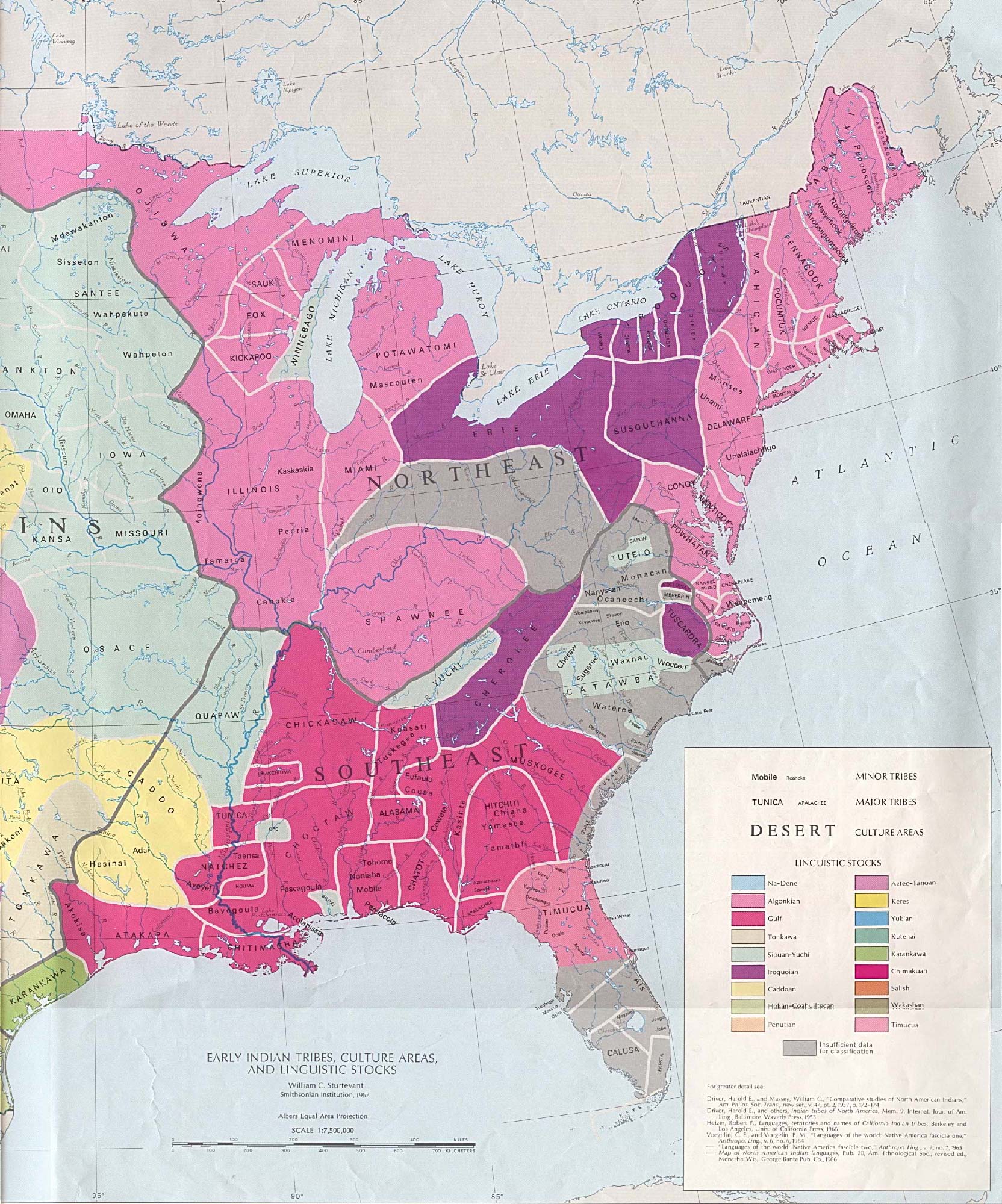
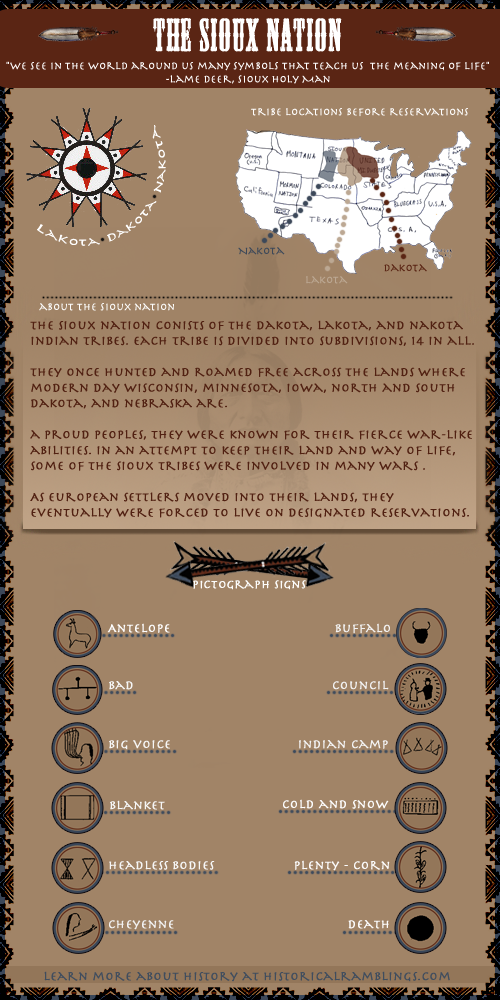
The concept of a "map" often conjures images of lines, borders, and territories. But for Indigenous peoples, a map is far more than cartography; it’s a living tapestry of history, spirituality, and identity. To truly understand the historical lands of the Sioux tribes – particularly the Lakota – one must venture beyond lines on paper and step onto the earth itself. There is no better place to begin this profound journey than the Black Hills of South Dakota, or Paha Sapa as they are known to the Lakota. This isn’t just a scenic destination; it is a sacred heart, a battleground of cultures, and a testament to enduring spirit.
Forget the typical travel blog fluff; we’re diving straight into a landscape that demands respect, reflection, and a willingness to see beyond the postcard image. The Black Hills, rising majestically from the vast plains, are a unique geological formation, a "mountain island in the sky." But their true significance lies not in their geology, but in their soul. For thousands of years, and formally recognized by the Fort Laramie Treaty of 1868, these hills were the exclusive domain of the Great Sioux Nation – particularly the Lakota, Dakota, and Nakota tribes. They were, and remain, central to Lakota cosmology, spiritual practice, and cultural identity.
Paha Sapa: The Sacred Nexus
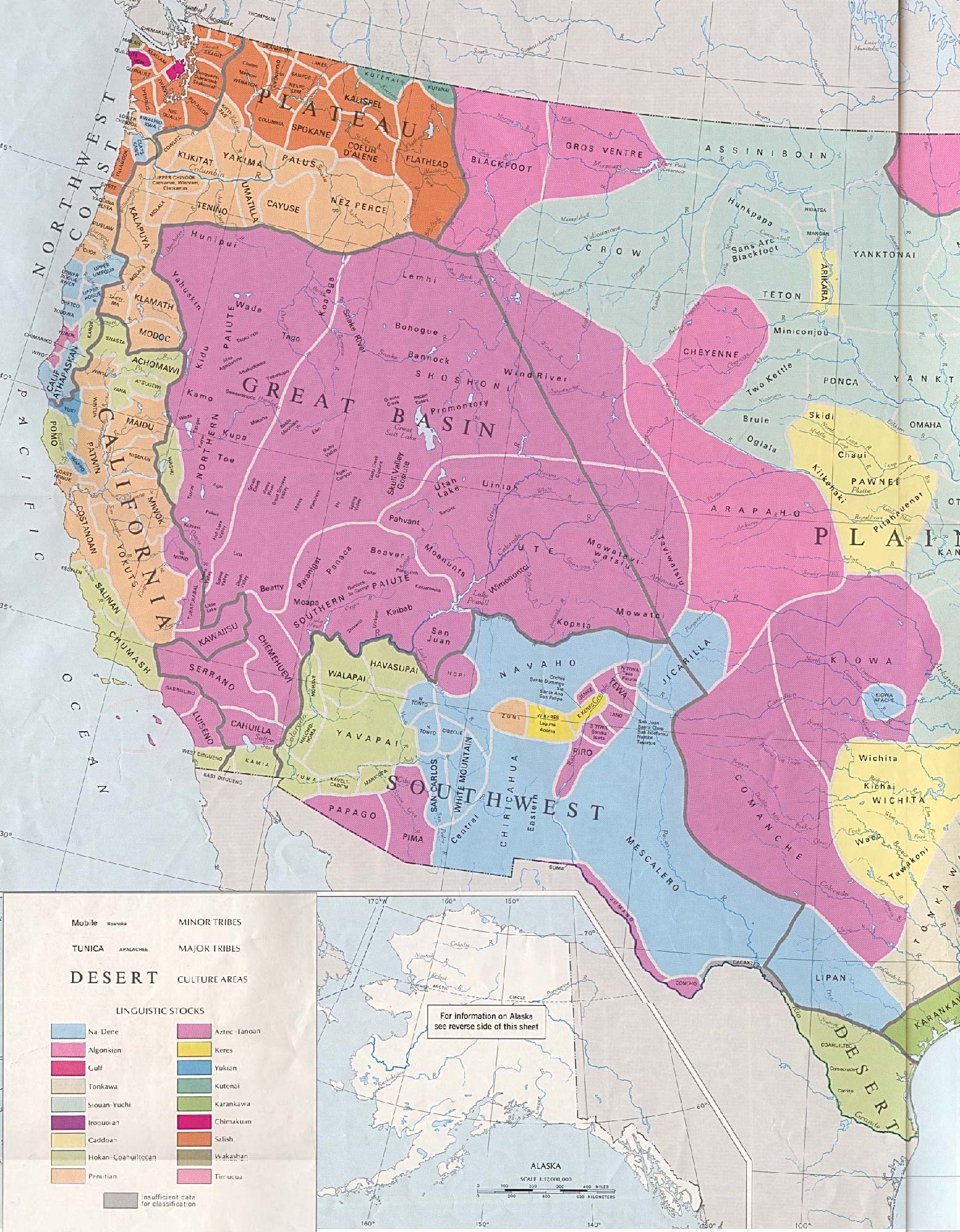
To the Lakota, Paha Sapa translates to "hills that are black," a reference to the dark Ponderosa pines that cover their slopes, appearing black from a distance. But this name carries a deeper meaning. The Black Hills are considered the Wakan Tanka Owanka Yankapi – "the place where the Great Spirit sits." It is here that creation stories unfold, where ancestors walked, where ceremonies were performed, and where visions were sought. This is the origin point, the spiritual compass. Sacred sites like Bear Butte (Mato Paha) are places of pilgrimage, fasting, and prayer, believed to connect the physical and spiritual worlds. Wind Cave, another natural wonder within the hills, is regarded as the Lakota place of emergence, where humanity first stepped onto the earth.
Understanding this deep spiritual connection is paramount for any traveler to the Black Hills. Without it, the landscape remains merely beautiful; with it, every ridge, every forest, every stream pulses with history and meaning. This isn’t just a park; it’s a cathedral.
A History Carved in Stone and Conflict
The sanctity of Paha Sapa was tragically disrupted by the arrival of Euro-American settlers. The Fort Laramie Treaty of 1868 explicitly guaranteed the Great Sioux Nation ownership of the Black Hills. However, the discovery of gold in 1874 by George Armstrong Custer’s expedition ignited a massive gold rush, leading to an influx of prospectors and miners. This blatant violation of the treaty sparked the Great Sioux War of 1876, a brutal conflict that ultimately led to the Lakota being dispossessed of their sacred lands. Despite a landmark 1980 Supreme Court ruling acknowledging the illegal seizure and awarding compensation, the Lakota have consistently refused the money, demanding the return of their land instead.

This history of broken treaties, cultural clash, and enduring resistance is not relegated to dusty textbooks; it’s etched into the very fabric of the Black Hills. It’s visible in the monuments, heard in the stories of the local Indigenous communities, and felt in the air. A responsible traveler must engage with this narrative, not shy away from it.
Navigating the Landscape: A Traveler’s Guide to the Black Hills
While the Black Hills offer breathtaking natural beauty and a host of attractions, approaching them with an awareness of their historical and cultural significance transforms a casual visit into a profound experience.
-
Custer State Park: Wildlife, Wilderness, and a Complicated Name
This sprawling state park is renowned for its stunning granite spires, rolling prairies, and abundant wildlife, including bison, pronghorn, and bighorn sheep. Driving the Needles Highway or the Wildlife Loop Road offers unparalleled scenic beauty and wildlife viewing. However, the park’s name itself, honoring General George Armstrong Custer, serves as a stark reminder of the colonial history and the man who ignited the gold rush that led to the Lakota’s displacement. While enjoying the natural splendor, take a moment to reflect on this historical context. The beauty is undeniable, but the layers of history are deep. -
Mount Rushmore National Memorial: A Monument of Contradictions

Perhaps the most iconic image of the Black Hills, Mount Rushmore features the colossal carvings of four U.S. presidents. For many, it’s a symbol of American ideals and engineering prowess. For the Lakota and other Indigenous peoples, it’s a desecration of a sacred mountain, Tȟuŋkášila Šakpé (Six Grandfathers), carved without permission onto stolen land. The juxtaposition is stark: a monument to colonial expansion embedded in the heart of ancestral territory. Visiting Rushmore should be an opportunity for critical reflection. Admire the artistry, but understand the profound pain and controversy it represents for the original inhabitants. It’s a powerful symbol, but its meaning is not monolithic. -
Crazy Horse Memorial: An Indigenous Response
Just a short drive from Mount Rushmore, the Crazy Horse Memorial stands as a powerful counterpoint. Conceived by Lakota Chief Henry Standing Bear and begun by sculptor Korczak Ziolkowski in 1948, this monumental carving aims to honor the Oglala Lakota warrior Crazy Horse, who famously declared, "My lands are where my dead lie buried." It’s an ambitious project, still under construction, depicting Crazy Horse pointing to his tribal lands. Unlike Rushmore, this project is privately funded and driven by Indigenous vision. Visiting the Crazy Horse Memorial offers insight into Lakota resilience, their determination to tell their own story, and their enduring connection to the land. The visitor center and museum provide invaluable cultural context, often with direct input from Lakota elders and artists. -
Bear Butte State Park (Mato Paha): A Sacred Pilgrimage Site
Northeast of Sturgis, Bear Butte rises dramatically from the plains. This geological laccolith is not merely a hiking destination; it is a sacred site for numerous Indigenous nations, particularly the Cheyenne and Lakota. It is a place of prayer, vision quests, and ceremonies. Visitors are asked to approach Bear Butte with the utmost respect. Observe the prayer flags and offerings, remain on designated trails, refrain from disturbing cultural artifacts, and understand that while you are welcome to witness its natural beauty, you are entering a living sanctuary. This is where the map truly becomes spiritual territory. -
Wind Cave National Park: Subterranean Wonders and Emergence Stories
One of the longest and most complex caves in the world, Wind Cave offers a spectacular underground journey through its unique boxwork formations. For the Lakota, Wind Cave is more than a geological marvel; it is the sacred site of emergence, where the first human beings are believed to have emerged from the underworld onto the surface of the earth. Rangers often incorporate Indigenous perspectives into their tours, making the experience even richer. Above ground, the park’s prairie ecosystem supports bison and elk herds, offering another glimpse into the natural world that has sustained Indigenous life for millennia. -
Engaging with Lakota Culture and Communities
True immersion in the Black Hills’ history and spirit means connecting with the Lakota people themselves. While direct opportunities vary, seek out tribal cultural centers, art galleries featuring Indigenous artists, and events like powwows (if your visit coincides with one). The Pine Ridge Indian Reservation, home to the Oglala Lakota and site of the Wounded Knee Memorial, lies just south of the Black Hills. While visiting Pine Ridge requires a different level of preparation and respect, it offers further profound insights into contemporary Lakota life and history. Always prioritize supporting Indigenous-owned businesses and initiatives, ensuring your tourism dollars directly benefit the communities whose land you are visiting.
Responsible Travel: A Call to Consciousness
Visiting the Black Hills, the ancestral lands of the Lakota, is more than a vacation; it’s an opportunity for education, empathy, and respect. As travelers, we have a responsibility to:
- Educate Ourselves: Learn about the history, treaties, and contemporary issues facing the Lakota and other Indigenous peoples of the region before you arrive.
- Respect Sacred Sites: Understand that places like Bear Butte and Wind Cave are not just tourist attractions but active spiritual centers. Follow all guidelines, be mindful of cultural protocols, and leave no trace.
- Support Indigenous Communities: Seek out and support Lakota-owned businesses, artists, and cultural programs. Your economic contribution can help preserve and promote Indigenous culture.
- Listen and Learn: If opportunities arise to interact with Lakota individuals, approach them with an open mind and a willingness to listen to their perspectives and stories.
- Challenge Your Assumptions: Be prepared to confront uncomfortable truths about American history and the ongoing struggles for Indigenous rights.
Conclusion: A Map Beyond Borders
The Black Hills represent a living map – one not defined by static lines but by deep spiritual roots, historical struggles, and an enduring cultural presence. Traveling through Paha Sapa is to walk on land that whispers stories of creation and conflict, resilience and reverence. It’s an invitation to understand a map where every mountain, every stream, and every forest holds a name, a memory, and a spirit.
As you gaze upon the vastness of the Black Hills, remember that you are not just seeing a beautiful landscape; you are standing in the sacred heart of a nation, on lands that continue to shape the identity and destiny of the Lakota people. Approach this journey with humility, respect, and an open heart, and you will leave with an understanding far deeper than any mere map could ever convey. The Black Hills are waiting, ready to share their profound story with those willing to truly listen.

