Journey to the Heart of the Cheyenne Nation: A Review of Sand Creek Massacre National Historic Site
Not all travel destinations promise sun-drenched beaches or bustling cityscapes. Some beckon with a different kind of allure: the profound, often somber, weight of history. For those seeking to understand the true cartography of conflict, not just as lines on a map but as scars on the land and spirit, a pilgrimage to the Sand Creek Massacre National Historic Site in eastern Colorado is an essential, albeit challenging, journey. This isn’t a place for casual tourism; it’s a sacred ground, a classroom without walls, and a stark reminder of the Cheyenne Nation’s enduring resilience in the face of unspeakable tragedy.
The Road Less Traveled: Arriving at the Site
My journey to Sand Creek began not with the excitement of a typical adventure, but with a quiet sense of anticipation, almost reverence. The site is remote, deliberately so, situated on the vast, undulating plains that once served as the ancestral hunting grounds and spiritual heartland of the Cheyenne and Arapaho peoples. The drive itself is part of the experience. Miles of flat, agricultural land eventually give way to unpaved roads, the silence deepening with every passing mile. This isolation is crucial; it strips away the distractions of modern life and prepares the visitor for the gravity of what lies ahead.
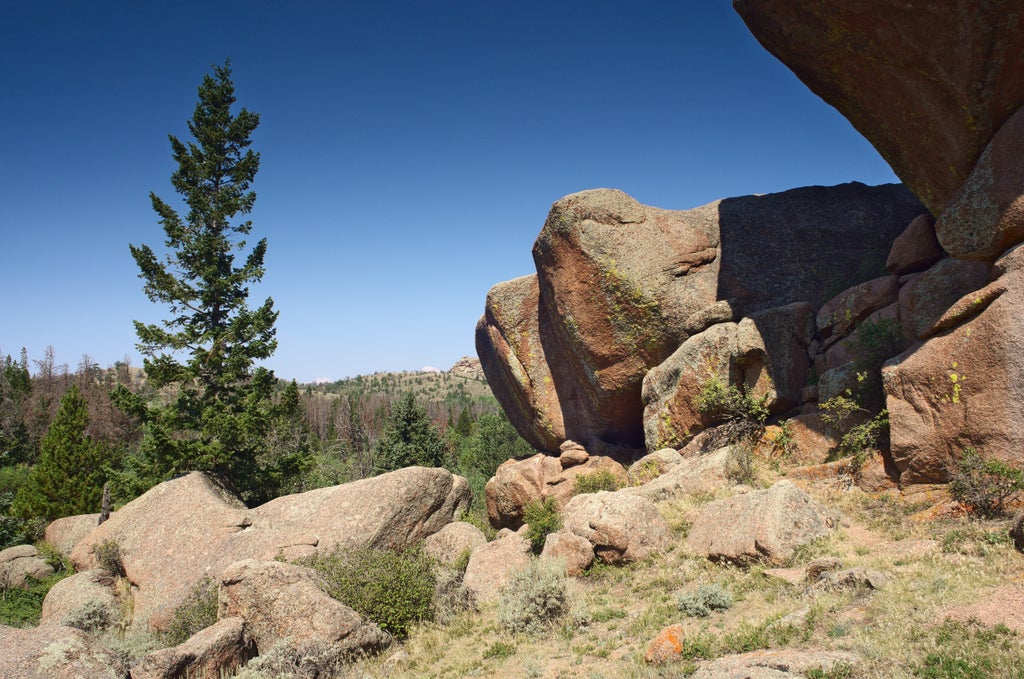
As the car crunched along the gravel, the landscape stretched out, seemingly infinite under a sky that felt impossibly vast. There’s a certain timelessness to this part of Colorado, a raw beauty that speaks of both harshness and abundance. Approaching the site, marked by subtle signage, the feeling shifts from mere remoteness to a palpable sense of entering hallowed ground. The National Park Service has deliberately kept the development minimal, ensuring the focus remains on the land itself and the history it holds.
A Landscape Etched in Memory: The Site’s Layout and Interpretation
Upon arrival, a small, unassuming visitor contact station offers initial orientation, maps, and a few interpretive displays. But the true experience begins outdoors. Walking paths lead across the prairie, tracing the contours of the land where a peaceful village once stood. The site is powerfully designed to allow the landscape to speak for itself, augmented by thoughtfully placed interpretive signs and audio stations. These aren’t just dry historical facts; they are interwoven with the voices and perspectives of the contemporary Cheyenne and Arapaho nations, making the history resonate with a living, breathing presence.
One of the most striking features is the "Sacred Protector" monument, a circular earthwork that evokes traditional Indigenous ceremonial spaces. Its central fire pit, though unlit, symbolizes eternal remembrance. From this vantage point, one can survey the entire massacre grounds, the dry bed of Sand Creek (now Big Sandy Creek) snaking through the prairie, and the gentle rises and depressions that once offered meager cover. The scale is overwhelming, the silence punctuated only by the whisper of the wind, carrying echoes of a distant past.

The Cartography of Conflict: Understanding November 29, 1864
The "maps of historical conflicts" associated with the Cheyenne Nation are not just abstract lines on paper; they are the very ground upon which their lives unfolded, were defended, and tragically, were taken. Sand Creek is perhaps the most devastating example of such a map, a place where the lines of peace and war, of treaty and betrayal, converged in a horrific act of violence.
On November 29, 1864, a peaceful encampment of approximately 700 Cheyenne and Arapaho people, led by Chief Black Kettle, was attacked by a 700-man regiment of Colorado Volunteer Cavalry, under the command of Colonel John Chivington. These were people who believed they were under the protection of the U.S. government, having been assured safety after moving to the designated area near Fort Lyon and flying both an American flag and a white flag of surrender. Yet, the attack commenced at dawn, indiscriminate and brutal. Over 200 Cheyenne and Arapaho, mostly women, children, and the elderly, were slaughtered, mutilated, and scalped.
The interpretive signs at the site don’t shy away from this horrifying truth. They meticulously detail the events, using first-hand accounts, survivor testimonies, and historical documents to paint a vivid, agonizing picture. Visitors learn about the broken treaties, the escalating tensions fueled by westward expansion and the concept of Manifest Destiny, and the deliberate decision to attack a peaceful village. The site makes it unequivocally clear that this was not a battle, but a massacre – a deliberate act of genocide that shocked even many in the U.S. government at the time and led to a congressional investigation.

Standing on that ground, the "maps of historical conflicts" take on a terrifying clarity. You don’t just see where the attack happened; you feel the weight of the promises broken, the trust betrayed, and the lives extinguished. The vastness of the plains, once a symbol of freedom and sustenance for the Cheyenne, became a stage for unimaginable cruelty.
The Cheyenne Voice: Remembrance and Healing
What sets the Sand Creek Massacre National Historic Site apart is the profound involvement of the Cheyenne and Arapaho peoples in its establishment and ongoing interpretation. This is not history viewed solely through a colonial lens. The narratives shared through the signs, audio tours, and ranger programs are deeply rooted in Indigenous perspectives, ensuring that the victims are remembered with dignity and that their stories are told authentically.
The site is a place of active remembrance, a sacred place where healing is an ongoing process. You learn about the descendants of the survivors, the efforts to reclaim this land, and the tireless work to ensure that this tragic chapter of American history is never forgotten or minimized. The wind that sweeps across the prairie seems to carry not just the dust of the past, but also the enduring spirit of the Cheyenne Nation, their resilience, and their unwavering commitment to their cultural identity.
The names of the chiefs, the families, the children who perished here are read aloud in ceremonies, ensuring that they are not just statistics but individuals with lives, hopes, and dreams. This active remembrance transforms the site from a mere historical landmark into a vibrant spiritual space, a testament to survival and the strength of cultural memory.
A Profound Review: Why You Must Visit Sand Creek

To "review" Sand Creek Massacre National Historic Site feels inadequate, as if one could assign stars to a place of such profound sorrow and significance. It is not a place to be enjoyed, but a place to be experienced, reflected upon, and learned from.
Pros:
- Authentic and Respectful Interpretation: The site excels in telling the story from the perspective of the Cheyenne and Arapaho nations, ensuring accuracy and honoring the victims.
- Immersive Landscape: The remote, undeveloped nature of the site allows for a deeply immersive and reflective experience, connecting visitors directly to the land.
- Educational Value: It offers an invaluable, unvarnished lesson in American history, challenging preconceived notions and promoting a more complete understanding of Indigenous-settler relations.
- Emotional Impact: The gravity of the events is powerfully conveyed, fostering empathy, contemplation, and a deeper understanding of the human cost of conflict.
- Symbol of Resilience: Beyond the tragedy, the site is a testament to the enduring spirit and resilience of the Cheyenne and Arapaho peoples.
Cons:
- Remoteness: While essential for the experience, the isolated location requires significant planning and travel time, and services are minimal.
- Emotional Intensity: This is not an easy visit. The subject matter is deeply disturbing and can be emotionally draining. Visitors must be prepared for a somber and reflective experience.
Practicalities for Your Visit:
- Plan Ahead: Check the National Park Service website for hours of operation, road conditions (especially after rain or snow), and any special advisories.
- Bring Supplies: The site is remote. Carry plenty of water, snacks, sun protection (hat, sunscreen), and appropriate clothing for varying weather conditions. Restrooms are available but limited.
- Allow Time: Don’t rush your visit. Give yourself several hours to walk the trails, read the interpretive signs, listen to the audio tour, and simply absorb the atmosphere.
- Approach with Respect: This is a sacred site. Maintain a quiet demeanor, stay on marked trails, and refrain from disturbing any artifacts or natural features. Photography is generally permitted, but always be mindful and respectful.
- Prepare Emotionally: Understand that this will be a profoundly moving and potentially difficult experience. It is a place of mourning and remembrance, not entertainment.
Conclusion: A Map to Understanding
The Sand Creek Massacre National Historic Site is more than just a dot on a map; it is a vital entry point into the complex, often painful, "maps of historical conflicts" that shaped the American West and continue to impact Indigenous communities today. It is a place where the past isn’t just remembered; it breathes, it whispers, it demands to be heard.
Visiting Sand Creek is not about finding answers, but about asking better questions. It is about confronting uncomfortable truths, honoring the fallen, and acknowledging the profound strength and spirit of the Cheyenne Nation. In a world often quick to forget, this sacred ground stands as an unwavering beacon of remembrance, urging us all to learn from history, to challenge injustice, and to walk forward with greater empathy and understanding. It is a journey that will stay with you long after you leave, a poignant reminder that the most impactful travel experiences are often those that challenge our perspectives and expand our hearts.

