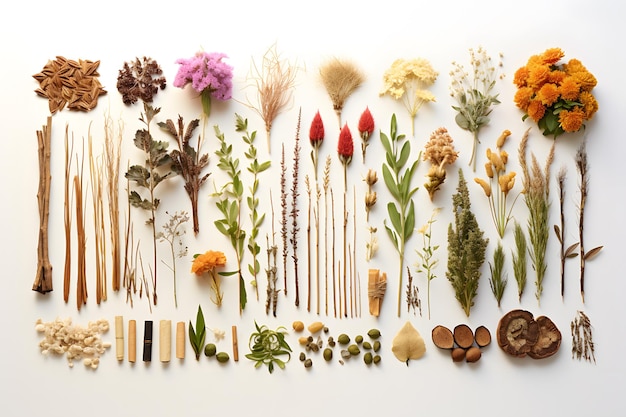
Journey into Wellness: Exploring the Sacred Earth Healing Garden and the Enduring Wisdom of Native American Ethnobotany
Forget the typical tourist traps and crowded landmarks. If you’re a traveler seeking a deeper connection, a profound learning experience, and a glimpse into ancient wisdom, then allow me to guide you to a place where the earth itself tells stories of healing: The Sacred Earth Healing Garden and Cultural Center. This isn’t just a garden; it’s a living map, meticulously curated to showcase the traditional healing plants of various Native American nations, offering an immersive journey into ethnobotany, culture, and holistic wellness.
From the moment you step onto the grounds of the Sacred Earth Healing Garden, located in a tranquil valley fringed by ancient forests (let’s imagine it nestled somewhere in the Pacific Northwest or the American Southwest, regions rich in indigenous plant knowledge), a sense of calm washes over you. The air, crisp and clean, carries the subtle scent of pine, sage, and damp earth. This isn’t a manicured, ornamental garden designed for aesthetic pleasure alone; it’s a living museum, a testament to generations of indigenous wisdom, and a vital educational hub.
The concept of "maps" here transcends simple cartography. While there are beautifully rendered interpretive maps guiding visitors through different ecological zones and tribal plant collections, the true "maps" are embedded in the land itself, in the careful arrangement of plants, and in the stories shared by the knowledgeable guides – often tribal elders or descendants. These living maps illustrate not just where plants grow, but how they are used, why they are sacred, and who has preserved this knowledge for millennia.

A Walk Through Living Knowledge: The Plant Zones
The Sacred Earth Healing Garden is thoughtfully divided into several distinct zones, each representing a particular ecosystem or a specific cultural plant collection. As you wander along the well-maintained gravel paths, shaded by native trees, you encounter a diverse array of flora, each accompanied by informative plaques detailing its scientific name, common name, traditional Native American name (where appropriate), and its historical uses in healing.
One of the first areas you might encounter is the "Forest Understory" section. Here, beneath a canopy of towering firs and cedars, thrive plants adapted to shade and moisture. Here you’ll find Oregon Grape (Berberis aquifolium), its glossy, spiky leaves and clusters of blue berries immediately recognizable. Traditional healers utilized its roots and bark for internal infections, fevers, and as a general tonic, valuing its potent antimicrobial properties. Nearby, the delicate Vanilla Leaf (Achlys triphylla), with its distinctive three-lobed leaves, was historically used as an insect repellent and for its aromatic qualities, often dried and used in sachets. The interpretive signs often include not just the medicinal use, but also cultural significance, reminding visitors that many plants had ceremonial roles or were used in everyday life beyond mere medicine.
Moving into the sunnier, more open "Prairie and Meadow" zone, the landscape transforms. Here, hardy plants that thrive in direct sunlight and drier conditions flourish. This is where you’ll find the iconic Echinacea (Echinacea purpurea), or Purple Coneflower. Widely known today for its immune-boosting properties, its use by various Plains tribes for centuries predates modern recognition. They used its roots for snakebites, toothaches, colds, and a host of other ailments. Another prominent resident here is Yarrow (Achillea millefolium), a versatile plant revered for its ability to stop bleeding, reduce fevers, and alleviate pain. Its feathery leaves and clusters of white flowers are unmistakable. The "maps" here reveal the ingenuity of indigenous peoples in understanding plant chemistry long before modern science.

Perhaps the most evocative section is the "Riparian and Wetland" area, bordering a gently flowing stream. The lush, damp environment supports a different set of healing plants. Here, the graceful Willow (Salix species) stands tall, its slender branches swaying. It’s hard to overstate the importance of Willow bark, a primary source of salicin – the precursor to aspirin. Native peoples across North America used willow bark tea to alleviate pain, fever, and inflammation for thousands of years. Nearby, you might spot Cattail (Typha latifolia), a true "supermarket plant." Every part of the cattail was utilized: its roots for flour, its young shoots as vegetables, and its poultices for wounds and burns. This zone powerfully demonstrates the holistic relationship between people, plants, and water.
Beyond the Botanical: The Cultural Heartbeat
What truly sets the Sacred Earth Healing Garden apart from a typical botanical garden is its unwavering commitment to cultural preservation and education. The "maps" of healing plants are not merely botanical; they are deeply cultural. The center emphasizes that healing is not just about the plant’s chemical compounds, but about the spirit of the plant, the intention of the healer, and the harmony of the individual within their community and environment.
Through engaging storytelling sessions, often held in a traditional roundhouse or outdoor amphitheater, visitors learn about the protocols for harvesting, the prayers offered to the plant spirits, and the concept of "reciprocity" – taking only what is needed and giving back to the earth. These narratives bring the "maps" to life, transforming a collection of plants into a living repository of ancestral wisdom. Guides explain how different tribes might use the same plant for slightly different purposes, reflecting regional variations and diverse traditional practices. They highlight the importance of oral tradition, where knowledge of plants and their uses was passed down through generations, often through songs, ceremonies, and direct apprenticeship.

The Garden also hosts workshops focused on traditional healing practices, such as making herbal salves, teas, or smudge sticks. These hands-on experiences are invaluable, offering visitors a practical understanding of how these ancient traditions are still relevant today. You might learn how to identify Sage (Salvia apiana or Artemisia tridentata) – often referred to as "Grandmother Sage" – and its sacred role in purification and ceremony, alongside its medicinal uses for respiratory ailments. Or discover the humble Plantain (Plantago major), a common "weed" often overlooked, but prized by many tribes for its powerful ability to draw out toxins and heal wounds when applied as a poultice.
The Holistic Approach to Wellness
The Sacred Earth Healing Garden eloquently communicates the Native American understanding of health as a holistic balance of mind, body, and spirit, deeply intertwined with the health of the community and the environment. Illness is often viewed as a spiritual imbalance, and healing involves restoring harmony on multiple levels. The plants are seen as allies, teachers, and gifts from the Creator, each with its own spirit and purpose.
This perspective stands in stark contrast to much of modern Western medicine, which often focuses solely on symptoms. Here, visitors are encouraged to reflect on their own relationship with nature, their food, and their well-being. The "maps" of healing plants are thus also maps to self-discovery and a renewed respect for the intricate web of life. The guides often share stories of resilience, demonstrating how indigenous communities, despite immense challenges, have meticulously preserved this vital knowledge, often in the face of forced assimilation.
Visitor Experience and Practicalities
Navigating the Sacred Earth Healing Garden is a pleasure. Pathways are clearly marked, and the interpretive signs are well-designed, featuring beautiful illustrations and accessible language. Guided tours are highly recommended, as the personal stories and insights shared by the guides add immeasurable depth to the experience. They can point out subtle details you might otherwise miss and answer questions with genuine warmth and expertise.

The Cultural Center building itself houses a small museum exhibit with artifacts related to traditional healing, historic tools for plant preparation, and detailed maps showcasing the historical territories and plant uses of various tribes. There’s also a gift shop, which is not to be missed. It offers ethically sourced herbal products made from plants grown on-site or sustainably wild-harvested, traditional crafts from local indigenous artists, and a curated selection of books on ethnobotany and Native American culture. Purchasing items here directly supports the Garden’s mission of preservation and education, and often benefits the indigenous communities involved.
Why Visit? A Profound Impact
A visit to the Sacred Earth Healing Garden is more than just a day trip; it’s an educational pilgrimage. It offers:
- Unparalleled Ethnobotanical Education: Learn directly about the plants that have sustained and healed Native American communities for thousands of years.
- Deep Cultural Immersion: Gain a respectful understanding of indigenous philosophies of health, community, and the environment.
- Spiritual Connection: Experience the tranquility and reverence for nature that permeates the entire site, fostering a sense of peace and mindfulness.
- Support for Cultural Preservation: Your visit contributes directly to the vital work of maintaining and sharing indigenous knowledge.
- A Unique Travel Experience: It’s a powerful antidote to conventional tourism, offering introspection and genuine learning.
To make the most of your visit, plan for at least half a day, or even a full day if you wish to participate in workshops or extended storytelling sessions. The best time to visit is during the spring, summer, or early autumn when most plants are in bloom and the weather is pleasant, though winter visits can offer a stark beauty and focus on evergreens and dormant plant knowledge. Check their website for specific opening hours, admission fees, and event schedules.
A Call to Respect
As travelers, it is crucial to approach such a place with humility and respect. Remember that you are guests on land where indigenous peoples have lived and thrived for millennia. Follow all guidelines, stay on designated paths, do not disturb or collect any plants, and listen attentively to the wisdom shared by the guides. This is not a place for casual harvesting or for appropriating cultural practices, but for respectful learning and appreciation.
The Sacred Earth Healing Garden and Cultural Center is a powerful reminder that true wealth lies not in material possessions, but in knowledge, community, and the enduring connection to the earth. It is a living, breathing map, charting not just plants, but a profound way of life – a journey into wellness that resonates long after you’ve left its hallowed grounds. If you seek travel that transforms, educates, and inspires, this extraordinary destination awaits your respectful exploration.

