Journey into the Heartwood: Exploring Haida Gwaii’s Ancient Cedar Forests Through the Lens of Traditional Haida Maps
To step into the ancient cedar forests of Haida Gwaii is to walk not just on earth, but on layers of time, culture, and profound knowledge. This isn’t merely a travel destination; it is an immersion into a living landscape, understood and stewarded for millennia by the Haida Nation. For the discerning traveler, seeking more than just scenery, these forests offer an unparalleled journey into the heart of a civilization intrinsically linked to the "Tree of Life" – the Western Red Cedar. Our focus here isn’t just on the towering trees, but on how Haida Nation maps of traditional cedar forests illuminate an experience far richer than any standard trail guide could provide.
These "maps" are not solely cartographic lines on paper. They are embodied knowledge, passed down through generations, depicting not just where cedar stands are, but their age, quality, spiritual significance, and the specific purposes for which different trees were traditionally harvested. They are mental maps, oral histories, and physical landmarks woven into the very fabric of Haida identity and land management. To experience Haida Gwaii’s cedar forests is to consciously or unconsciously trace these ancestral pathways, guided by the enduring presence and wisdom of the Haida people.
Imagine your arrival on Haida Gwaii, the mist-shrouded islands rising from the Pacific. The air immediately feels different – cooler, cleaner, infused with the scent of salt and damp earth. From Sandspit or Masset, your journey inward begins. While Gwaii Haanas National Park Reserve, Haida Heritage Site, and Naay Iiwaans (South Moresby) offers the most profound and protected examples of these ancient forests, even the more accessible trails on Graham Island, such as those near Tlell or within Naikoon Provincial Park, provide an immediate sense of the cedar’s dominance.
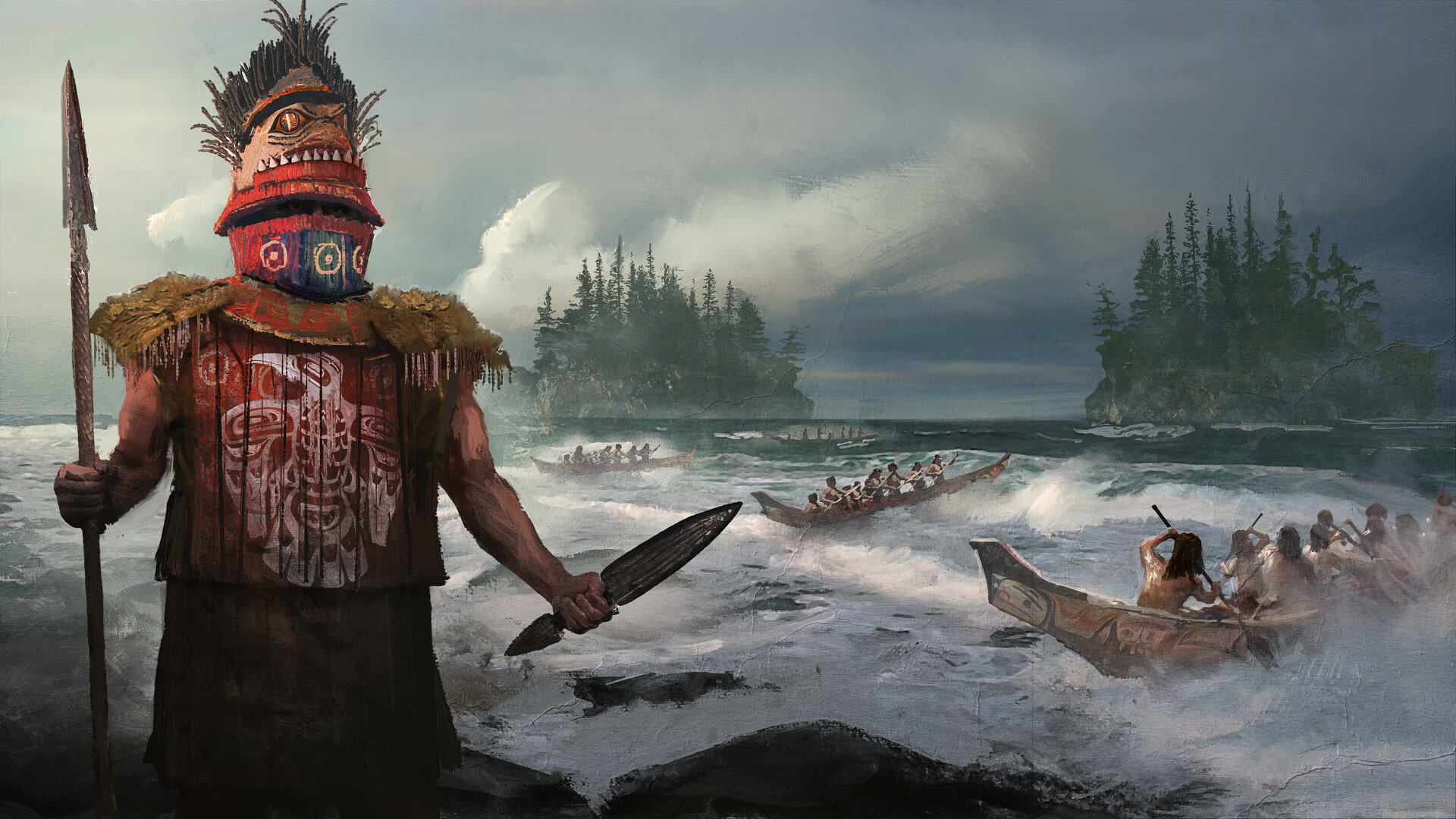
The moment you step onto a forest trail, the world shifts. Sunlight, when it penetrates the dense canopy, splinters into ethereal shafts, illuminating a vibrant understory of ferns and mosses. The ground beneath your feet is a soft, spongy carpet of centuries of fallen needles, decaying wood, and verdant growth. This isn’t a manicured park; it’s a wild, breathing ecosystem where every element tells a story. The silence is profound, broken only by the drip of water from branches, the distant cry of a raven, or the gentle rustle of leaves – sounds that evoke a sense of deep time and undisturbed natural order.
These forests are dominated by the magnificent Western Red Cedar (Thuja plicata). Some stand as colossal sentinels, their trunks so wide it would take multiple people to encircle them, their bark a rich, fibrous tapestry of reddish-brown, deeply furrowed with age. These ancient giants, often hundreds, even a thousand or more years old, are the living monuments of Haida Gwaii. They are the very trees represented on those traditional Haida maps – not just as timber, but as members of the community, essential to survival and culture.
The Haida refer to cedar as "Tree of Life," and for good reason. Every part of the cedar was utilized. The soft, straight-grained wood was perfect for carving the monumental totem poles that tell the stories of clans, for constructing sturdy longhouses, and for shaping the sleek, ocean-going canoes that allowed the Haida to navigate the tempestuous Pacific. The inner bark was woven into waterproof clothing, hats, baskets, and mats. Even the roots found purpose. When walking through these forests, especially with a Haida guide, you begin to see the landscape through their eyes: a vast, living pantry and workshop. A scarred trunk might reveal where a piece of bark was carefully removed years ago, a testament to sustainable harvesting practices embedded in their traditional mapping and resource management.
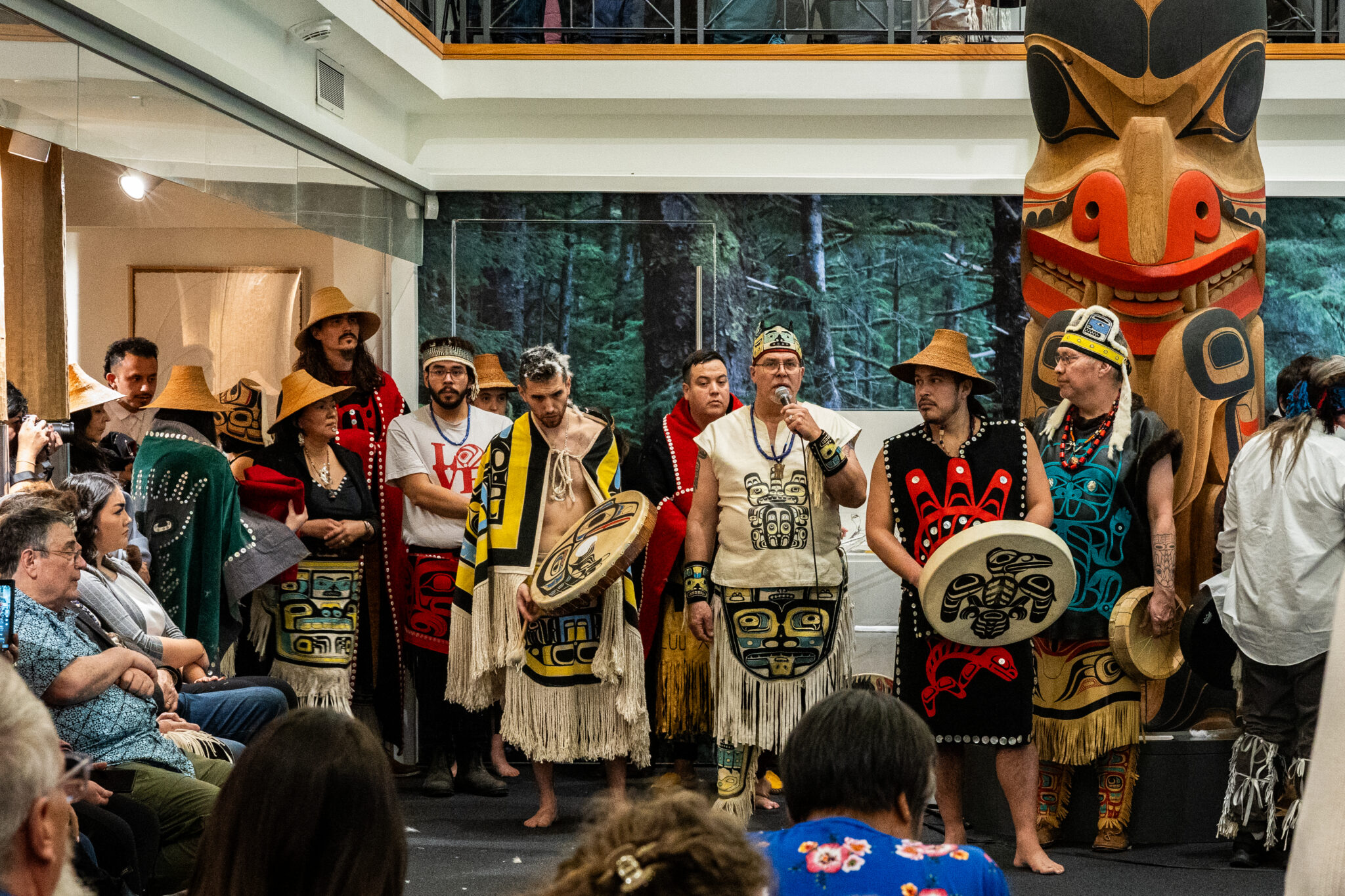
To truly understand the "maps of traditional cedar forests," one must engage with Haida culture. A visit to the Haida Heritage Centre at Kay Llnagaay in Skidegate is an essential prelude or complement to forest exploration. Here, you’ll see the intricate carvings, the woven cedar bark items, and the stunning totem poles that exemplify the cedar’s cultural importance. You’ll learn about the clan systems, the oral traditions, and the spiritual connection to the land that informed the Haida’s knowledge of their forests. The traditional maps weren’t just about location; they were about the relationship with the land and its resources.

For an even deeper experience, venturing into Gwaii Haanas is highly recommended, though it requires careful planning, permits, and often, a guided tour with a Haida Watchman. These guardians of the land, stationed at ancient village sites like SGang Gwaay (Ninstints), offer invaluable insights. As you journey by boat through the archipelago’s channels, the sheer density of old-growth cedar forests becomes breathtaking. On land, walking the trails at these heritage sites, you’ll encounter not just living giants, but the remnants of ancestral villages, where fallen cedar longhouse beams slowly return to the earth, surrounded by new growth. The Watchmen, with their profound knowledge, will point out trees chosen for specific purposes, share stories of their ancestors’ connection to these very groves, and illuminate the spiritual significance of the forest. This is where the abstract concept of "traditional maps" becomes tangible – through the spoken word, the shared history, and the direct observation of ancient practices.
The experience is deeply sensory. The air is cool and moist, carrying the distinct, slightly spicy scent of cedar. The silence is broken only by natural sounds – the distant cry of a seabird, the rustle of leaves, the soft thud of a branch falling. Looking up, the canopy forms a complex, interwoven ceiling, filtering light into a thousand shades of green. Down below, nurse logs – fallen giants providing nutrients for new life – are testament to the forest’s cyclical nature. Mosses, thick and vibrant, cling to everything, creating a fantastical, almost otherworldly landscape. You might spot a deer, an elusive pine marten, or hear the hoot of an owl. This ecosystem, nurtured by the cedar, is teeming with life.
The Haida’s traditional maps of these cedar forests also encompass a deep understanding of sustainability. Their practices ensured that the forests would continue to provide for future generations. When a tree was harvested, it was done with respect and purpose, often involving ceremonies. This ethos of stewardship is alive today in the co-management of Gwaii Haanas by Parks Canada and the Council of the Haida Nation, a model of reconciliation and collaborative conservation. Visitors are encouraged to practice "leave no trace" principles, treading lightly and respecting the cultural and ecological integrity of these sacred lands.
To prepare for such a journey, think practicality and respect. Haida Gwaii weather is notoriously changeable; layers, waterproof gear, and sturdy hiking boots are essential. Travel to Gwaii Haanas requires booking with an approved tour operator, often weeks or months in advance. For more accessible forest experiences on Graham Island, rent a car and explore the numerous well-maintained trails. Always be mindful of Haida protocols: ask permission before taking photos of people, and treat all sites with reverence. Engaging with local Haida artists, guides, and community members will deepen your understanding of their connection to the cedar and the land.
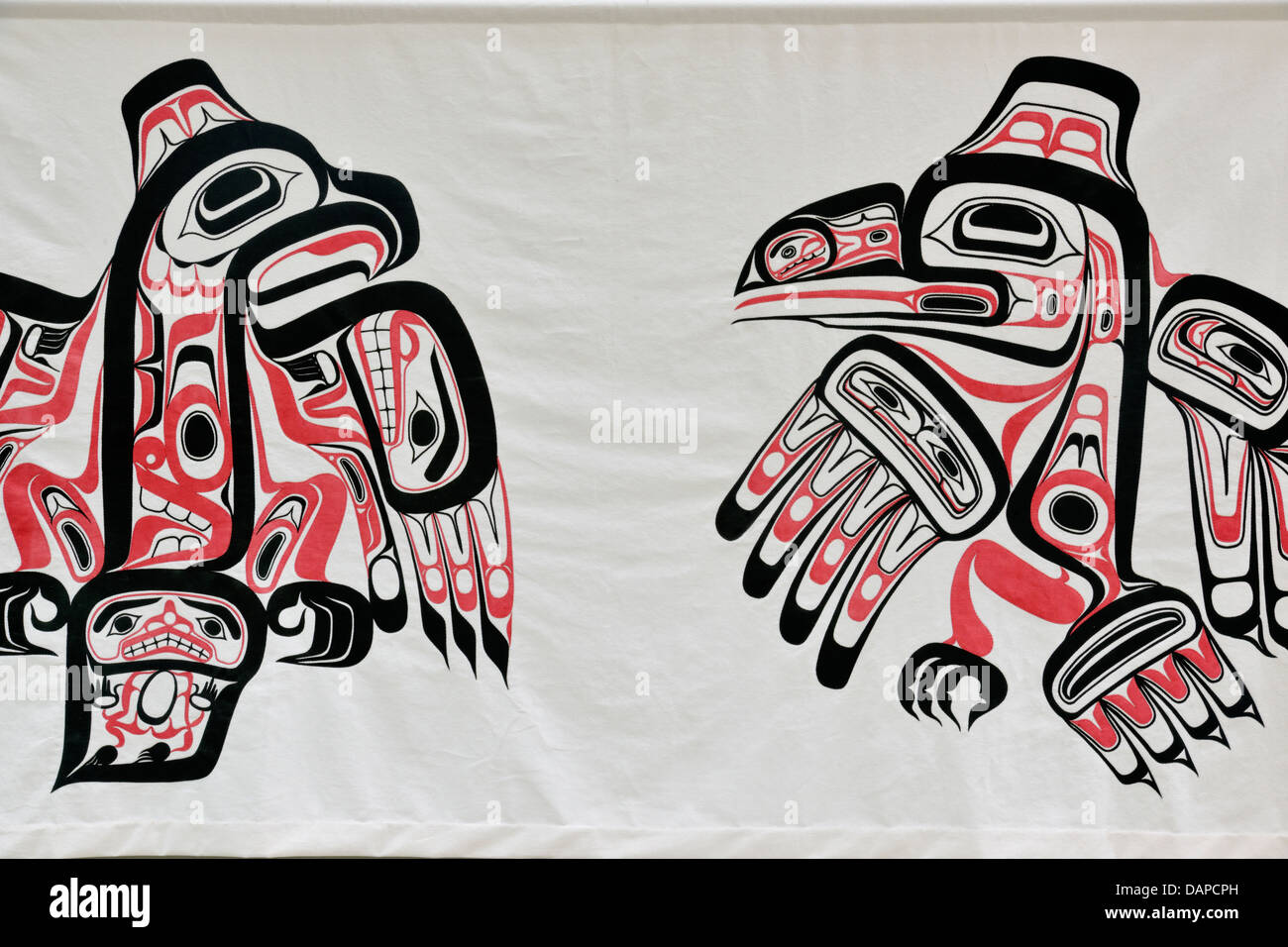
Ultimately, visiting Haida Gwaii’s ancient cedar forests, informed by the concept of traditional Haida maps, is a transformative experience. It’s an opportunity to connect with nature on an elemental level, to witness the profound resilience of an Indigenous culture, and to gain a deeper appreciation for the intricate relationship between people and their environment. These are not just trees; they are libraries of history, cathedrals of nature, and the very foundation of a thriving culture. To walk among them is to walk through a living map, guided by the wisdom of millennia, and to leave with an indelible sense of awe and respect for the Heartwood of Haida Gwaii.


