Journey into the Green Heart: Exploring the Salish Kootenai Ethnobotanical Landscape
Forget the usual tourist trails that skim the surface of Montana’s breathtaking beauty. We’re diving deeper, into a landscape where every plant has a story, every valley holds a remedy, and the very ground beneath your feet is a living map of ancient wisdom. This isn’t just about sightseeing; it’s about connecting with a profound cultural legacy. Our destination: the Flathead Reservation, home to the Confederated Salish and Kootenai Tribes (CSKT), and specifically, the vibrant ethnobotanical experience guided by their traditional plant medicine knowledge.
This isn’t a review of a single building or a static exhibit. Instead, it’s an immersive journey into a living classroom, a vast, dynamic landscape that serves as the ultimate repository of Salish Kootenai traditional plant medicines. The "maps" we’re exploring aren’t just lines on paper; they are the oral traditions, generational knowledge, and the intricate understanding of the land passed down through millennia. To truly review this experience, we must consider the landscape itself, the institutions preserving this knowledge, and the profound impact it has on those who seek to learn.
The Landscape as a Living Textbook
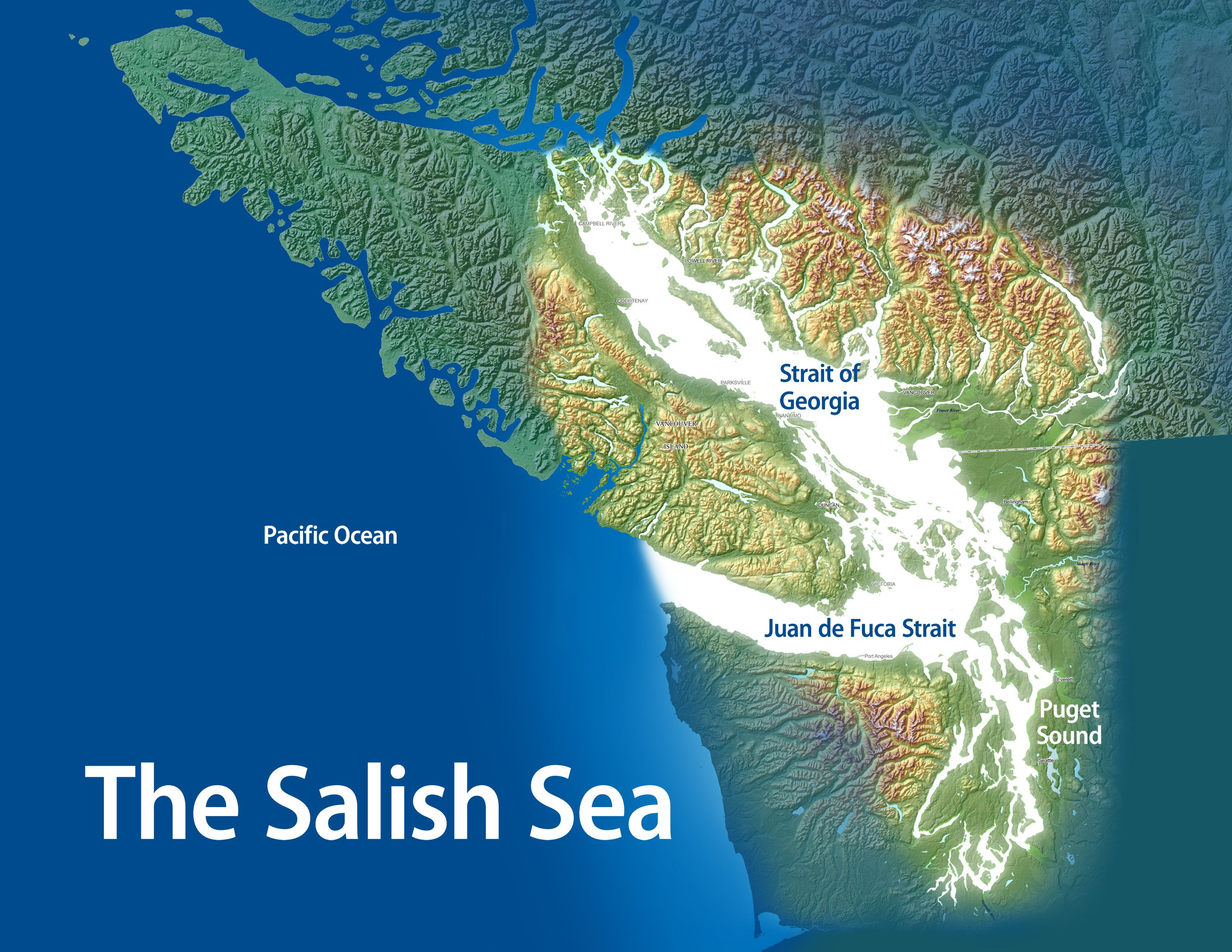
Imagine Montana’s iconic beauty – the towering, snow-capped Mission Mountains, the pristine waters of Flathead Lake, and the sprawling forests that carpet the valleys. For the Salish and Kootenai people, this isn’t just picturesque scenery; it’s their ancestral home, a meticulously understood pharmacy and pantry. Every season brings new opportunities, new plants to gather, new medicines to prepare. To embark on this journey is to begin seeing the land not just with your eyes, but with a deeper, more informed understanding.
The Flathead Reservation offers diverse ecosystems, from high mountain meadows to riparian zones along rivers and dense conifer forests. Each niche hosts specific plant communities, and with them, specific traditional uses. Our review focuses on how this vast natural library is being made accessible and understandable to the respectful visitor, transforming a casual hike into a profound cultural education.
The Heart of the Knowledge: Salish Kootenai College (SKC)
Our ethnobotanical exploration ideally begins at the Salish Kootenai College (SKC) in Pablo, Montana. SKC is far more than an academic institution; it’s a cultural beacon, a hub for the preservation, revitalization, and sharing of tribal knowledge. Here, the "maps" of traditional plant medicine are being meticulously documented, studied, and taught.
The college’s Native American Studies and Environmental Science programs often intersect, offering courses and research focused on traditional ecological knowledge (TEK). While you might not enroll for a full semester, SKC often hosts public lectures, workshops, and cultural events that provide invaluable entry points. What truly sets SKC apart is its commitment to intergenerational knowledge transfer. You might find elders sharing stories and uses of plants alongside young tribal members conducting scientific analyses, creating a powerful blend of ancient wisdom and modern inquiry.
A highlight, if available during your visit, is the opportunity to explore SKC’s ethnobotanical garden or participate in a guided plant walk led by an instructor or tribal elder. These experiences are meticulously curated to reflect the traditional "maps" – not just identifying plants, but explaining their cultural significance, harvesting practices, preparation methods, and spiritual connections. You’ll learn not only what a plant is, but why it matters, and how it fits into the Salish and Kootenai worldview. This is where the theoretical maps start to become tangible.
Stepping onto the Traditional Trails: A Guided Ethnobotanical Tour
Beyond the college campus, the real immersion happens on the land itself. While specific public interpretive trails dedicated solely to Salish Kootenai plant medicine might vary in their official designation, the experience can be replicated through guided tours offered by tribal members, cultural centers, or sometimes in partnership with organizations like the National Bison Range (which is now managed by CSKT as the Bison Range).
Imagine walking through a sun-dappled forest or a sprawling meadow. Instead of just seeing green, your guide, perhaps a tribal elder or a young tribal biologist trained in TEK, points out a patch of yarrow. "This," they might say, "is sxʷqʷayqʷay to the Salish people. We use its leaves for poultices, its tea for fevers." They don’t just state a fact; they weave a narrative. They might share a story of how their grandmother used it, or explain the importance of only taking what you need and offering tobacco in return – a practice of reciprocity central to their relationship with the natural world.
Further along, you might encounter the vibrant yellow blossoms of balsamroot (ʔapáaqʷa), a critical spring food and medicine. You’ll learn about its edible roots, rich in nutrients, and its historical significance in sustaining communities through lean seasons. Or perhaps you’ll be introduced to the humble bitterroot (sp̓x̣ʷłə́m̓), Montana’s state flower, whose tenacious root was a staple and powerful medicine, requiring immense knowledge and effort to harvest sustainably.
The beauty of these guided experiences lies in their holistic approach. It’s not just botany; it’s history, language, spirituality, and ecology all intertwined. You’ll hear snippets of Salish or Kootenai words, understand the traditional names for plants, and grasp the subtle nuances of their seasonal cycles. This isn’t a passive observation; it’s an active engagement with a living cultural heritage. The "maps" unfold through storytelling, demonstration, and direct interaction with the environment.
Beyond the Medicine: A Holistic Worldview
What makes this ethnobotanical journey truly profound is the revelation that traditional plant medicine is not just about healing physical ailments. For the Salish and Kootenai people, it’s deeply integrated into a holistic worldview that encompasses spiritual well-being, community health, and a reciprocal relationship with Mother Earth.
You’ll learn that medicines are often used in ceremonies, alongside prayers and songs. The act of gathering is itself a spiritual practice, requiring respect, gratitude, and an understanding of sustainability. This journey illuminates the interconnectedness of all things – the plants, the animals, the water, the land, and the people. It underscores that true health comes from balance and harmony with the natural world.

The "maps" aren’t just about where to find plants, but how to live in harmony with them. They embody principles of stewardship, conservation, and respect that are profoundly relevant in today’s world. This experience challenges Western notions of medicine and encourages a broader, more integrated understanding of health and environment.
Practicalities and Respectful Engagement
For travelers interested in this unique experience, respectful engagement is paramount.
- Guidance is Key: Do not attempt to gather plants or explore areas without explicit permission and, ideally, a tribal guide. This is not only for your safety but, more importantly, to respect tribal sovereignty and sacred knowledge. Contact SKC, the CSKT Tribal Council, or the CSKT Culture Committee for information on authorized tours or cultural programs.
- Permits: Be aware of any tribal permits required for accessing certain areas on the reservation. Inquire beforehand.
- Best Time to Visit: Spring and early summer are ideal for seeing many plants in bloom and learning about their seasonal uses. Fall offers different perspectives on harvesting and preparation.
- Accommodation and Food: Support local tribal businesses. There are various lodging options in towns like Polson, Ronan, and Pablo. Seek out local eateries that might offer indigenous-inspired dishes or use locally sourced ingredients.
- Cultural Centers: Visit the People’s Center in Pablo, a phenomenal tribal museum and cultural center that provides invaluable context to the Salish and Kootenai way of life, including their relationship with plants and the land.
- Open Mind and Heart: Come with a willingness to learn, to listen, and to engage respectfully with a culture that has preserved this wisdom for generations. Avoid taking photos without permission, especially of people or sacred sites.
The Verdict: A Transformative Educational Journey
Rating this "location" is complex because it’s an experience rather than a static site. However, as an ethnobotanical review, the Flathead Reservation, interpreted through the lens of Salish Kootenai traditional plant medicine, earns a resounding 5 out of 5 stars.
This isn’t just a travel destination; it’s a transformative educational journey. It offers:
- Unparalleled Authenticity: Direct engagement with indigenous knowledge keepers and their ancestral lands.
- Profound Learning: Insights into traditional ecological knowledge, sustainable living, and a holistic worldview.
- Sensory Richness: The beauty of Montana’s landscapes, the scent of medicinal plants, the sound of traditional stories.
- Cultural Immersion: A rare opportunity to understand and appreciate the depth of Salish and Kootenai heritage.
- Inspiration for Stewardship: A powerful reminder of our collective responsibility to the natural world.
This journey goes beyond simply identifying plants; it helps you understand the deep, reciprocal relationship between people and their environment. It teaches you that a "map" isn’t just a tool for navigation, but a living narrative, a legacy of wisdom etched into the land itself. If you seek travel that enriches the mind, nourishes the spirit, and deepens your connection to the planet, a respectful exploration of the Salish Kootenai ethnobotanical landscape is an essential pilgrimage. Prepare to have your understanding of nature, medicine, and culture profoundly redefined.

