
Guardians of Time: Zuni Pueblo’s Cultural Resource Protection Areas and the Art of Respectful Exploration
Forget your typical tourist map with dotted lines to gift shops and scenic overlooks. To truly understand Zuni Pueblo, to journey into its heart, you need a different kind of map – one etched with millennia of history, defined by sacred connections, and meticulously guarded by the A:shiwi people themselves. We’re talking about Zuni Pueblo’s cultural resource protection areas, not just lines on a document, but living landscapes that demand profound respect and offer unparalleled insights into an enduring civilization.
This isn’t a review of a singular destination in the conventional sense. Instead, it’s an exploration of a holistic approach to heritage, a "place" defined by its very protection and the deep cultural values it embodies. For the discerning traveler seeking more than just a snapshot, understanding Zuni’s commitment to its cultural resources transforms a simple visit into a profound pilgrimage.
Zuni Pueblo: A Living Legacy
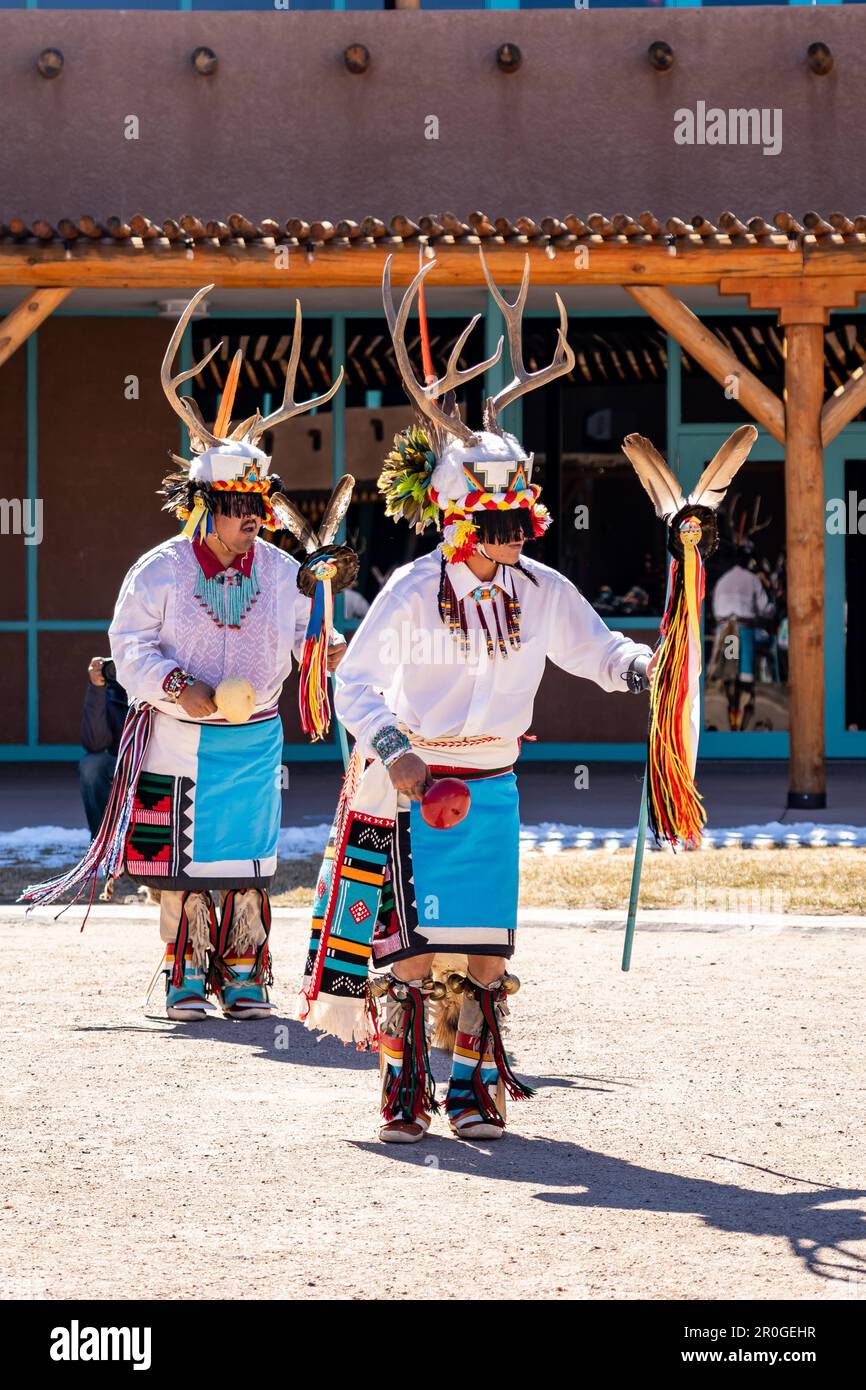
Nestled in western New Mexico, Zuni Pueblo is the largest of the nineteen New Mexico pueblos, home to the A:shiwi, a people whose lineage stretches back thousands of years. Unlike archaeological sites that are merely remnants of the past, Zuni is a vibrant, living culture. Its traditions, language, art (especially its distinctive pottery and intricate silverwork), and spiritual practices are not relics but active forces shaping daily life. This unbroken chain of cultural continuity is precisely why the protection of its ancestral lands and sites is not just an academic pursuit but a matter of existential importance.
The A:shiwi worldview sees the land as an extension of themselves, imbued with spiritual significance and the stories of their ancestors. Every mesa, every arroyo, every ancient dwelling holds meaning. Dowa Yalanne, or Corn Mountain, towering majestically over the modern pueblo, is not just a geological feature but a sacred refuge and the site of profound ancestral events. This deep, inherent connection forms the bedrock of Zuni’s approach to cultural resource management.
What Are Zuni’s Cultural Resource Protection Areas?
When we talk about "cultural resource protection areas" at Zuni, we’re not just referring to individual archaeological sites like ruins or petroglyph panels, though these are certainly included. The Zuni concept is far more expansive and holistic. These areas encompass:
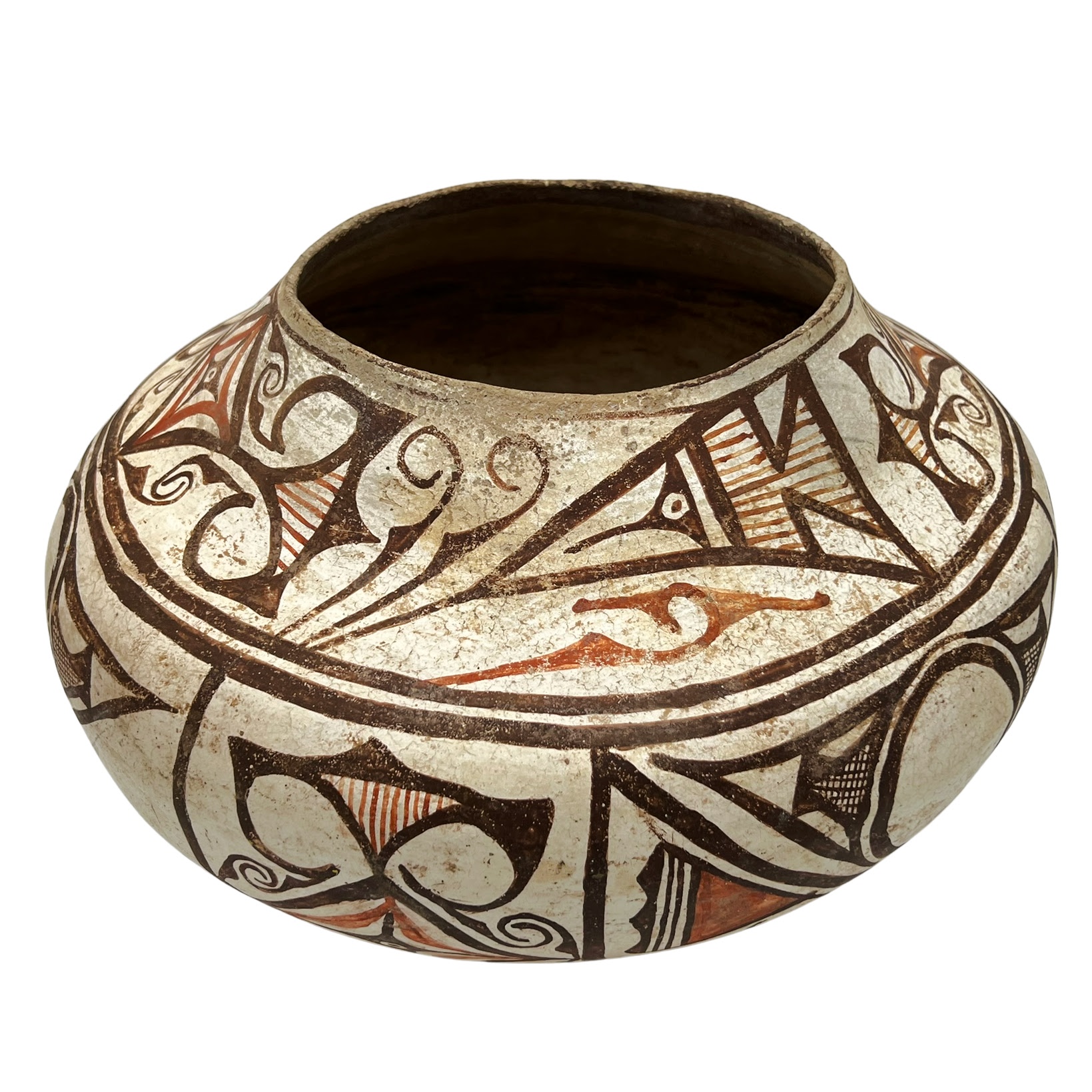
- Ancestral Villages and Dwellings: Hundreds, if not thousands, of sites dot the landscape, ranging from small campsites to sprawling multi-story pueblos, each telling a story of migration, settlement, and daily life over millennia.
- Sacred Sites and Shrines: Places of ceremony, prayer, and spiritual significance. These are often subtle, unmarked by conventional signs, and their locations are known only to initiated Zuni people. Their sanctity is paramount.
- Traditional Gathering Areas: Specific locations where Zuni people have historically collected plants for food, medicine, and ceremonial purposes, as well as clays for pottery, stones for tools, and wood for building. These areas are vital for the continuation of traditional practices.
- Travel Routes and Trails: Ancient paths connecting villages, water sources, and resource areas, embodying the historical movements and relationships across the landscape.
- Petroglyph and Pictograph Sites: Rock art panels that serve as historical records, spiritual messages, and artistic expressions of the A:shiwi people.
- Cultural Landscapes: Entire geographical areas that are interwoven with Zuni history, identity, and spiritual beliefs, often extending beyond the immediate reservation boundaries into surrounding federal and state lands.
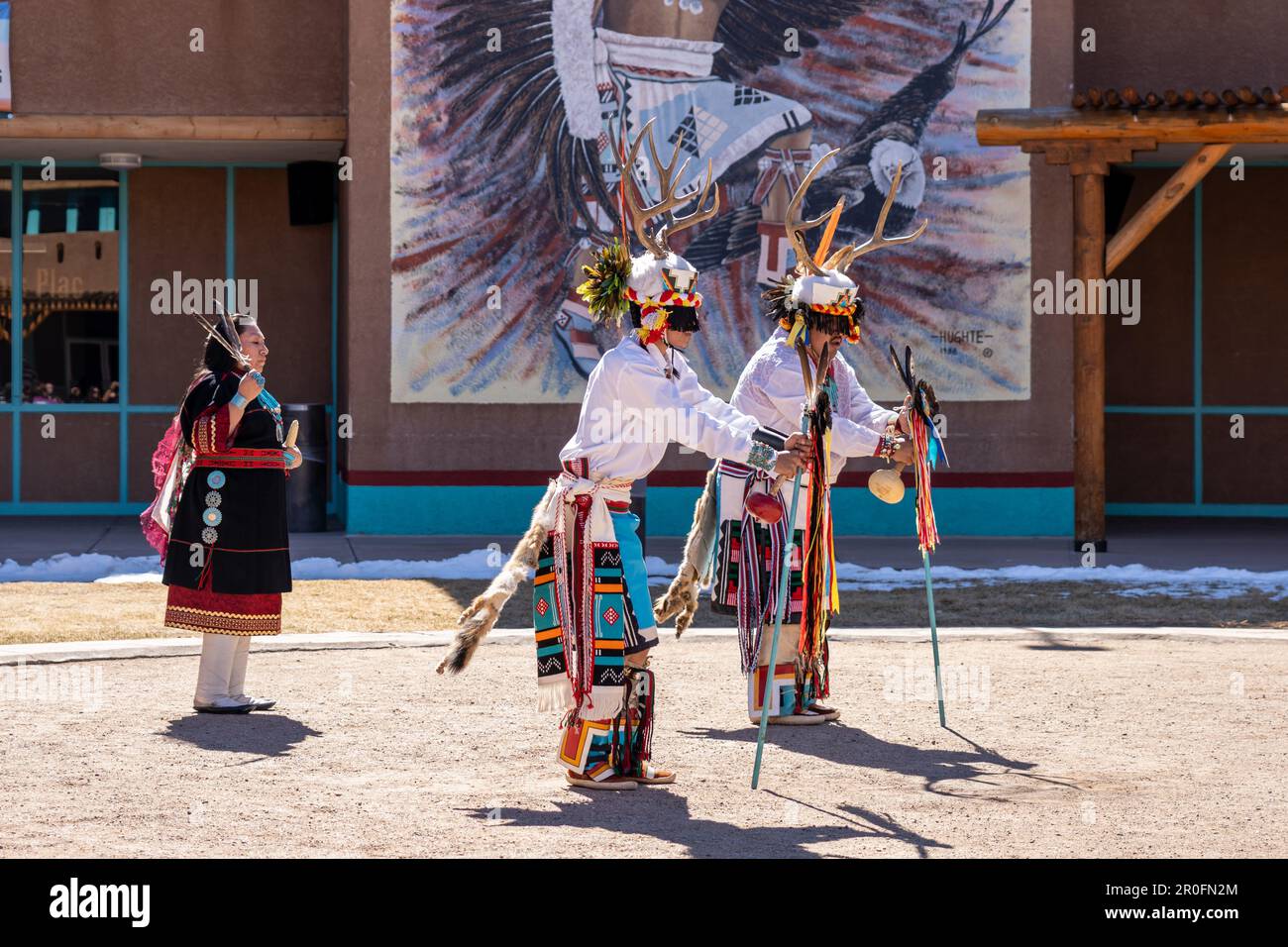
The Zuni Tribal Government, through its Zuni Cultural Resource Advisory Team (ZCRAT) and other departments, has developed sophisticated programs to identify, document, and protect these diverse resources. This is where "maps" become more than just cartographic representations; they are dynamic tools for self-determination and the safeguarding of an entire heritage.
The Power of Maps: Beyond Navigation

For Zuni, maps of cultural resource protection areas are not merely guidebooks for visitors (many of these areas are, in fact, restricted). Instead, they serve multiple critical functions:
- Identification and Documentation: Using a combination of traditional ecological knowledge passed down through generations, advanced GIS (Geographic Information System) mapping, remote sensing, and archaeological surveys, Zuni meticulously identifies and records its cultural heritage. These maps are dynamic, constantly updated as new information emerges or as environmental changes reveal previously hidden sites.
- Management and Planning: These maps are indispensable tools for land management decisions, both within the Zuni Reservation and in areas of ancestral significance beyond its borders. They inform tribal planning for infrastructure development, agricultural projects, and resource extraction, ensuring that cultural sites are avoided or mitigated with the utmost care.
- Advocacy and Sovereignty: In interactions with federal and state agencies (such as the Bureau of Land Management, National Park Service, and U.S. Forest Service), these maps provide powerful evidence of Zuni’s long-standing connection to ancestral lands. They are crucial for consultation processes mandated by laws like the National Historic Preservation Act and the Native American Graves Protection and Repatriation Act (NAGPRA), allowing Zuni to assert its rights and protect its heritage on lands now managed by others.
- Education and Awareness: While specific sensitive sites remain protected, generalized maps and educational materials help Zuni youth and the broader public understand the sheer scope and richness of A:shiwi heritage. This fosters a sense of pride and encourages responsible stewardship.
These maps are not static, government-issued documents. They are living archives, constantly informed by oral histories, community input, and the expertise of Zuni elders and cultural practitioners. They represent a blend of ancient wisdom and modern technology, all in service of preserving an irreplaceable past for future generations.
Why Protection Matters: The Threats to Zuni Heritage
The need for robust cultural resource protection is starkly evident when considering the threats these sites face:
- Looting and Vandalism: For centuries, Zuni and other Indigenous sites have been plundered by collectors and treasure hunters. Every pot shard, every ancient tool removed from its context is a piece of history stolen, a story irrevocably lost. Vandalism, often by insensitive visitors, further degrades these irreplaceable sites.
- Development Pressures: Expanding infrastructure, mining operations, and energy development projects in the broader region constantly threaten to disturb or destroy ancestral Zuni lands and sites. Without strong advocacy and detailed mapping, these sites can be lost forever.
- Climate Change: Increased erosion from changing weather patterns, wildfires, and other environmental shifts can expose and damage fragile archaeological sites, accelerate degradation of rock art, and alter traditional gathering areas.
- Uninformed Tourism: While Zuni welcomes respectful visitors, unsupervised or uneducated tourism can inadvertently cause harm. Walking off marked trails can damage fragile surfaces, touching rock art can introduce oils that degrade it, and simply not understanding the sanctity of a place can lead to disrespectful behavior.
The Zuni people understand these threats intimately and have taken proactive steps to safeguard their heritage. Their cultural resource protection efforts are a testament to their resilience and unwavering commitment to their identity.
Navigating Zuni’s Cultural Landscape: The Art of Respectful Exploration
For the conscientious traveler, a visit to Zuni Pueblo offers a unique opportunity to engage with a living culture and witness the profound impact of heritage protection. However, this engagement requires a deep commitment to respect and understanding. You won’t be given a map of restricted cultural protection areas, nor should you expect one. Your "map" here is your awareness, your humility, and your willingness to follow guidance.
Here’s how to navigate Zuni’s cultural landscape respectfully:
- Plan Your Visit Through Official Channels: The Zuni Pueblo Tourism Office is your first and best resource. They can provide information on permissible areas, guided tours, and current regulations. Many sacred sites and cultural protection areas are not open to the public, and attempting to access them independently is a profound act of disrespect and often illegal.
- Engage with Guided Tours: When available, guided tours offered by Zuni individuals provide invaluable context and ensure you visit appropriate areas under knowledgeable supervision. This is the only way to truly understand the significance of the landscape without causing harm.
- Respect All Signage and Instructions: Pay close attention to signs regarding photography restrictions, areas off-limits to visitors, and rules about staying on marked paths. These are not arbitrary rules; they are in place to protect sacred sites and ensure visitor safety.
- Photography Etiquette: Always ask permission before photographing people, and be aware that photography may be restricted in certain areas, particularly during ceremonies. When in doubt, err on the side of caution and put your camera away.
- Leave No Trace: This principle is paramount. Do not touch or disturb any archaeological features, rock art, or natural elements. Do not collect artifacts (it is illegal and profoundly disrespectful). Pack out everything you pack in, including all trash.
- Support the Local Economy Responsibly: Purchase authentic Zuni art directly from Zuni artists or reputable galleries within the Pueblo. This supports the community and ensures you are acquiring genuine cultural products.
- Listen and Learn: Approach your visit with an open mind and a willingness to learn. Engage with Zuni people with courtesy and genuine curiosity. Their stories and perspectives are the most valuable resources you can encounter.
Beyond the Borders: Zuni’s Broader Cultural Landscape
It’s important to remember that Zuni’s ancestral lands and cultural resources extend far beyond the modern reservation boundaries. Areas like El Morro National Monument, El Malpais National Monument, and vast tracts of the Cibola National Forest are deeply significant to the A:shiwi people, containing ancestral villages, sacred shrines, and traditional resource areas. Zuni Pueblo actively consults and collaborates with federal agencies managing these lands to ensure their cultural resources are protected and that Zuni people maintain access for traditional practices.
When you visit these surrounding areas, remember that you are still treading on lands with profound Zuni connections. The same principles of respect, non-disturbance, and cultural sensitivity apply.
A Future Rooted in the Past
Zuni Pueblo’s cultural resource protection areas are more than just a management strategy; they are a vibrant declaration of identity, resilience, and self-determination. They represent the A:shiwi people’s unwavering commitment to their ancestors, their present communities, and their future generations. The maps, whether on paper or in the collective memory of the community, are the blueprints for this enduring legacy.
For the traveler, this means a unique opportunity. It’s an invitation not just to see ancient ruins, but to glimpse a living tradition. It’s a chance to understand that true exploration isn’t always about charting new territory, but about deeply respecting the territory that has been charted and cherished for millennia by others. Visit Zuni Pueblo not just as a tourist, but as a respectful guest, and you will leave with a map of understanding etched not on paper, but in your soul.

