
Echoes of the Star Nation: Navigating the Sacred Landscapes of the Pawnee
To speak of "maps of sacred ceremonial sites" belonging to the Pawnee Tribe is to touch upon a profound and deeply spiritual landscape, one that transcends mere geography. These aren’t just points on a compass; they are anchors of identity, history, and a living cosmology. As a traveler seeking to understand, rather than merely observe, the approach must be one of reverence and a commitment to respectful engagement. Rather than "reviewing" a private or undisclosed sacred site – an act that would be both inappropriate and impossible – this exploration focuses on a place that serves as a vital gateway to understanding the Pawnee people’s deep connection to their ancestral lands and spiritual practices: The Pawnee Indian Museum State Historic Site in Republic, Kansas.
This site is not a ceremonial ground in current use, nor does it reveal the specifics of private rituals. Instead, it offers an unparalleled, publicly accessible window into the physical and spiritual world of the Pawnee ancestors, helping visitors grasp the context in which their sacred sites existed and continue to hold meaning. It is a place of learning, reflection, and profound connection to a history often overlooked, yet vital to the fabric of the Great Plains.
The Pawnee Indian Museum: A Glimpse into an Ancestral Home
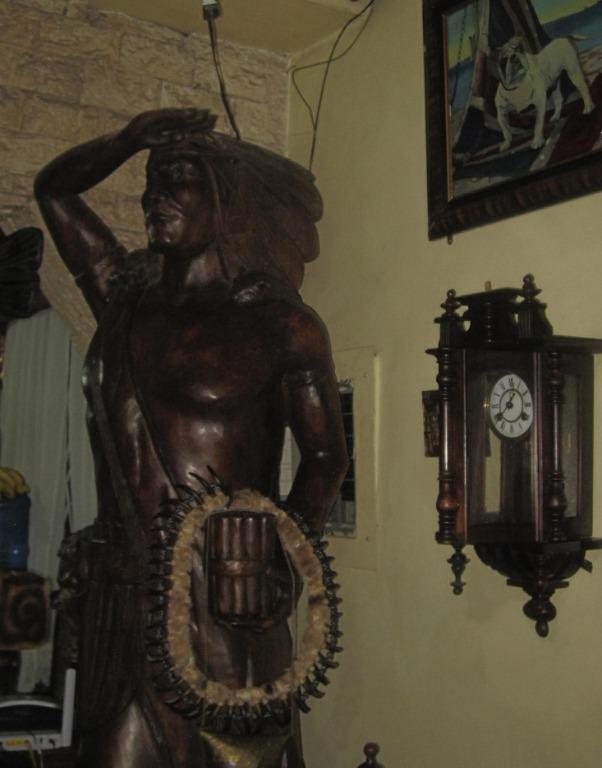
Nestled quietly amidst the rolling plains of north-central Kansas, the Pawnee Indian Museum State Historic Site preserves the archaeological remains of a substantial 16th-century earthlodge village, known as the Itskari village. This isn’t just a collection of artifacts; it’s an immersive experience centered around the preserved floor of a large, communal earthlodge, meticulously excavated and protected within a modern building.
Upon entering the museum, the immediate impression is one of hushed reverence. The main exhibit hall centers around this incredible archaeological discovery: the actual floor of an ancestral Pawnee earthlodge, dating back to approximately 1500-1600 CE. You stand on a viewing platform, looking down into the depressions that once housed individual family units, the central fire pit still visible, and the subtle contours that define the living spaces. Artifacts – pottery shards, stone tools, bone implements – are displayed in situ or nearby, giving a tangible sense of daily life. These aren’t just objects; they are echoes of hands that shaped them, lives that used them, and a community that thrived here for generations.
The interpretive panels and displays throughout the museum do an excellent job of contextualizing this physical space within the broader Pawnee worldview. They explain the architectural ingenuity of the earthlodges, built to withstand the extremes of the Plains climate, and their social structure. More importantly, they begin to unravel the spiritual significance embedded in every aspect of Pawnee life. The lodge itself, a microcosm of the universe, with its central post representing the axis mundi connecting earth and sky, and its circular form mirroring the sun, moon, and the circle of life, is a sacred space.
Here, one begins to understand that the Pawnee did not merely live on the land; they were part of it. Their existence was intrinsically linked to the cycles of nature, the movements of the stars (earning them the moniker "Star Nation"), and the spiritual forces that permeated their environment. The exhibits detail their agricultural practices – their sophisticated understanding of maize, beans, and squash cultivation – and their reliance on the buffalo, all framed within a spiritual covenant with Tirawahat, the Great Mystery.
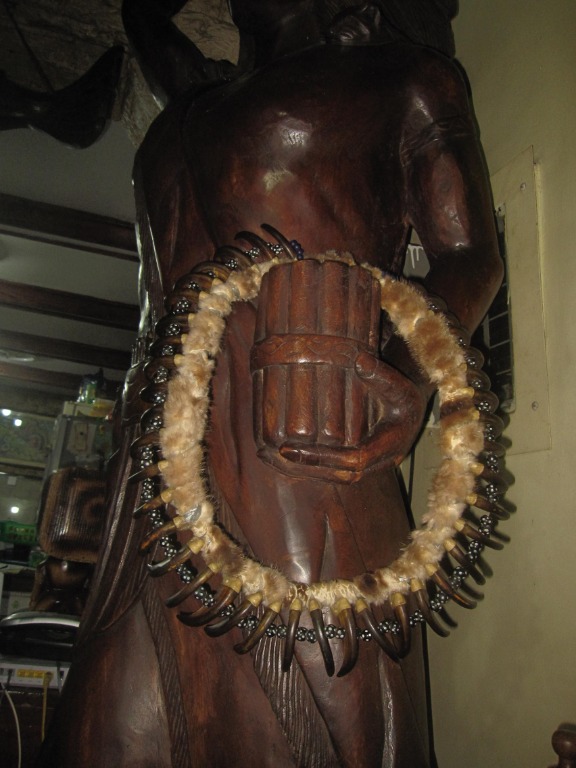
This museum acts as an initial "map" not of specific sacred sites, but of the mindset that defined those sites. It shows the reverence with which the Pawnee approached their world, where every significant geographical feature, every celestial event, and every productive plot of land could hold sacred meaning. It helps us understand the holistic nature of their spirituality, where the secular and the sacred were intertwined.
The Pawnee Worldview: Land as Living Scripture
For the Pawnee, as with many Indigenous nations, the land is not property to be owned or a resource to be exploited; it is a living entity, a sacred relative, and the repository of their history, identity, and spirituality. Their ancestral lands stretched across what is now Nebraska and Kansas, a vast expanse teeming with life, rivers, and specific topographical features that held profound spiritual significance.
The "maps of sacred ceremonial sites" are not simply GPS coordinates. They are etched in oral histories, embodied in ceremonial practices, and remembered through generations. These sites might include:

- Star Gazing Locations: The Pawnee were renowned astronomers. Specific high points or clearings would have been chosen for observing celestial phenomena, critical for their calendrical systems, agricultural timing, and profound spiritual ceremonies related to the stars, which they believed to be their ancestors and guides.
- Vision Quest Sites: Solitary places, often remote hilltops or secluded valleys, where individuals would go to seek spiritual guidance and power.
- Burial Grounds: Sacred resting places for ancestors, deserving of utmost respect and undisturbed peace.
- Resource-Specific Sacred Areas: Places where specific plants for medicine or ceremony grew abundantly, or where particular stones for tools or ceremonial objects were found.
- Historical Event Sites: Locations where significant tribal events, battles, or peace treaties occurred, imbued with the collective memory and spiritual energy of those moments.
- Water Sources: Rivers, springs, and lakes were often considered sacred, essential for life and often associated with healing or spiritual purification.

The reverence for these sites stems from the belief that they are places where the veil between the physical and spiritual worlds is thin. They are places of power, where communication with the divine is possible, and where the ancestors reside. To disturb or disrespect these sites is not just an act of vandalism; it is a profound desecration of a living spiritual heritage.
The Pawnee Indian Museum, by showing us the intimate relationship between their daily lives and their spiritual practices, helps us comprehend why certain locations would become sacred. The ceremonies performed within the earthlodge, for instance, were deeply connected to the cosmic order and the agricultural cycles that sustained them. These weren’t isolated rituals but integral components of a worldview where the entire environment was a sacred text, waiting to be read and honored.
Responsible Engagement: Traveling with Respect and Understanding
For the modern traveler, understanding the Pawnee’s sacred sites means acknowledging the profound difference between a tourist attraction and a place of spiritual significance. It requires a shift from passive consumption to active, respectful learning.
- Prioritize Learning Over Seeking: Instead of trying to locate specific, perhaps undisclosed, sacred sites, focus on understanding the Pawnee culture, history, and worldview through appropriate channels. The Pawnee Indian Museum is an excellent starting point.
- Support Tribal Initiatives: Seek out and support institutions directly managed by or affiliated with the Pawnee Nation of Oklahoma (where the federally recognized tribe is now headquartered). Their official websites and cultural centers are invaluable resources for accurate information and opportunities for respectful engagement.
- Respect Privacy and Sensitivity: Many sacred sites are not public knowledge, nor should they be. Their power and meaning are often tied to their privacy and the specific spiritual protocols known only to tribal members. Do not attempt to seek out or trespass on private or restricted lands in search of such sites.
- Practice "Leave No Trace" with Cultural Sensitivity: If you visit any publicly accessible site with known indigenous heritage, apply the principles of "Leave No Trace" rigorously. This includes packing out all trash, staying on marked trails, and refraining from disturbing any natural features or historical artifacts. Beyond physical traces, leave no cultural trace – do not appropriate symbols, perform unauthorized ceremonies, or claim a connection you do not possess.
- Listen and Learn: Engage with the stories and perspectives offered by the Pawnee Nation and their cultural representatives. Their voices are the most authentic and authoritative. Read books by Pawnee authors or scholars working in collaboration with the tribe.
- Understand the Ongoing Legacy: The Pawnee people are not a relic of the past; they are a vibrant, living nation. Their connection to their ancestral lands and their sacred sites continues, even if their current geographical location has shifted due to historical events. Their spiritual traditions are actively practiced and evolving.
The "maps" of Pawnee sacred ceremonial sites are not for casual tourism. They are part of a deeply held spiritual heritage, often passed down through generations, and are central to the Pawnee identity. While a museum like the Pawnee Indian Museum State Historic Site provides an invaluable educational experience, its true value lies in cultivating an understanding that goes beyond the physical. It teaches us about the profound connection between people, land, and the cosmos, urging us to approach the indigenous history of this continent not with curiosity alone, but with profound respect and a commitment to honor the legacy of those who walked these lands before us.
Conclusion: Honoring the Unseen Maps
Traveling through areas with such rich Indigenous history demands more than just a camera and a guidebook. It demands an open mind, a humble spirit, and a deep well of respect. The Pawnee Indian Museum State Historic Site effectively bridges the gap between the past and the present, offering a tangible link to a powerful culture and its spiritual landscape. It allows us to comprehend, at least in part, the intricate "maps" of sacred ceremonial sites that defined the Pawnee world – not as places to be visited, but as concepts to be understood and respected.
These sacred sites, whether known or unknown, public or private, represent the enduring spiritual heart of the Pawnee Nation. By engaging with their history and culture responsibly, we honor their legacy, acknowledge their sovereignty, and contribute to a more respectful and enlightened understanding of the shared human story on this land. The journey to understand the Pawnee’s sacred maps is not about ticking off locations; it’s about internalizing a profound respect for a worldview that sees the entire world as sacred.

