
>
Unearthing California’s Hidden Voices: A Journey Through the Phoebe A. Hearst Museum of Anthropology
California. The name conjures images of sun-drenched beaches, towering redwoods, Hollywood glamour, and the relentless hum of innovation. But beneath this modern veneer lies a deeper, older California—a land incredibly rich in human history, culture, and, most remarkably, language. Forget everything you thought you knew about the Golden State. We’re about to embark on a journey not just across its physical landscapes, but into the intricate tapestry of its indigenous tongues, using a visit to the Phoebe A. Hearst Museum of Anthropology at UC Berkeley as our portal.
This isn’t your typical beach getaway or theme park adventure. This is an invitation to explore a California that predates missions, gold rushes, and Silicon Valley—a California defined by the unparalleled linguistic diversity of its first peoples. And there’s no better place to begin unraveling this story than within the hallowed halls of the Hearst Museum, a treasure trove of ethnographic collections that quite literally bring California’s Native American linguistic map to life.
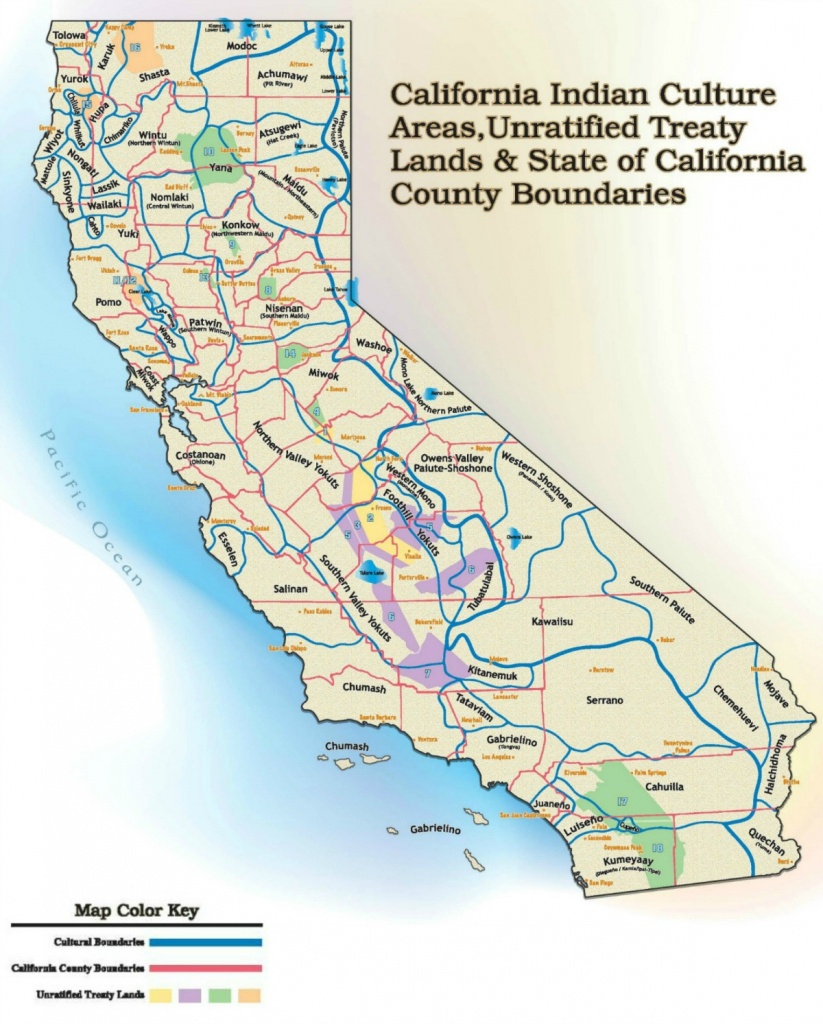
The Map: A Universe of Tongues in One State
Before we step inside, let’s understand the magnitude of what we’re discussing. When we talk about a "California Native American linguistic map," we’re not just talking about a handful of distinct languages. Picture this: pre-contact California was home to over 100 indigenous languages, belonging to more than 64 different language families. To put that in perspective, this single state harbored more linguistic diversity than all of Europe combined before the arrival of the Romans. It’s a staggering fact, often overlooked, that reshapes our understanding of California as a global epicenter of linguistic innovation and cultural complexity.
Each of these languages—from Hupa in the north to Kumeyaay in the south, from Miwok in the Sierra foothills to Chumash along the coast—represented a unique way of understanding the world, a distinct oral tradition, a specific set of stories, and a profound connection to the land. This wasn’t just about different words; it was about different cognitive frameworks, different relationships with flora, fauna, and the very landscape that sustained them. The linguistic map of California is, in essence, a cultural map, delineating territories of knowledge, identity, and intricate social structures.
The Destination: Phoebe A. Hearst Museum of Anthropology, UC Berkeley
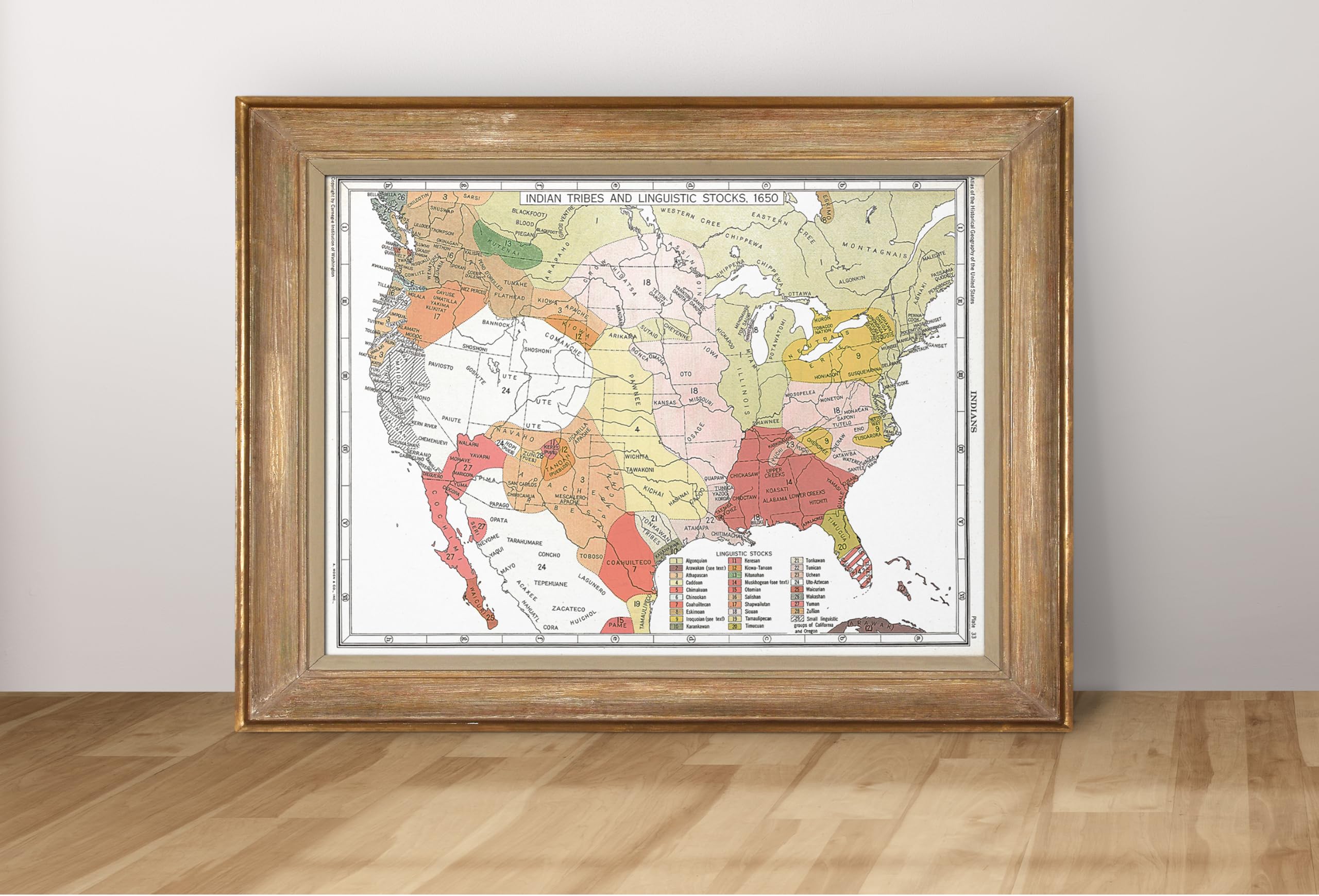
Nestled on the vibrant, intellectually charged campus of the University of California, Berkeley, the Phoebe A. Hearst Museum of Anthropology stands as a testament to this profound heritage. While its collections span global cultures, its heart truly beats with the stories and artifacts of California’s Native peoples. It’s a place where history isn’t just observed; it’s felt, understood, and continually reinterpreted.
Walking into the museum, you immediately sense a reverence for the past, coupled with a commitment to contemporary relevance. The exhibits are thoughtfully curated, moving beyond mere display to offer narratives that are both educational and deeply human. This isn’t a dusty repository of forgotten relics; it’s a dynamic space that fosters dialogue between past and present, between academic scholarship and living cultural traditions.
Bringing the Map to Life: Exhibits as Linguistic Gateways
The true magic of the Hearst Museum, in the context of our linguistic quest, lies in how its diverse collections illuminate the abstract concept of the linguistic map. You won’t find a single exhibit titled "California’s Linguistic Families," but rather, you’ll discover how every basket, every tool, every piece of regalia, and every photographic portrait is implicitly—and often explicitly—tied to a specific language group and its unique cultural expression.
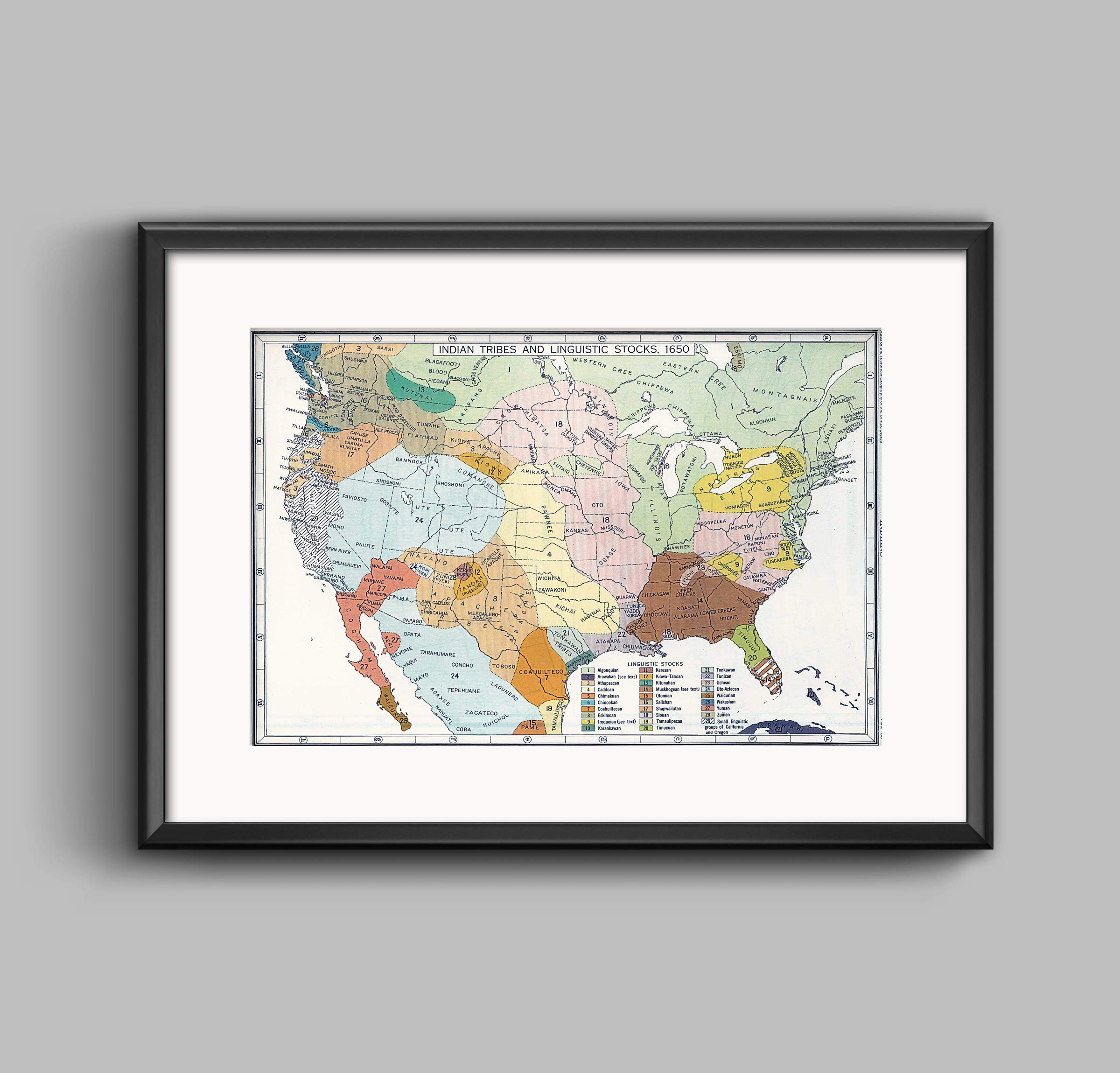
Consider the meticulous basketry. Different tribal groups, speaking different languages, developed distinct weaving techniques, materials, and symbolic patterns. A finely woven Pomo basket, with its intricate featherwork and shell beads, isn’t just an object of beauty; it’s a testament to the Pomo language, embedded in the knowledge passed down through generations about materials, harvesting seasons, spiritual significance, and the very stories depicted in its patterns. The words for different weaves, the names of the plants used, the terms for ceremonial uses—all are intrinsically linked to the Pomo linguistic tradition.
As you wander through sections dedicated to the Yurok, Karuk, and Hupa peoples of the Northwest, you’ll see ceremonial regalia, fishing tools, and carved wooden objects. These items, while visually stunning, also represent the distinct linguistic universes of these groups, each with their own rich oral literatures, creation stories, and protocols for interaction with the land and spirit world, all expressed through their unique languages. The museum’s descriptions often include place names in their original languages, offering a direct auditory and textual connection to the indigenous tongues.
Further south, you might encounter artifacts from the Miwok or Yokuts peoples of the Central Valley and Sierra Nevada foothills. Their tools for acorn processing, their unique forms of pottery, or their specific dance regalia all point to distinct cultural practices and, by extension, distinct linguistic frameworks. The very act of gathering acorns, preparing them, and sharing the resulting food was imbued with linguistic significance—specific words for each step, songs associated with the harvest, and narratives passed down in the ancestral tongue.
The museum also does an excellent job of incorporating contemporary voices and perspectives. This is crucial because it reminds us that these are not "dead" languages or "lost" cultures. Many Native American communities in California are actively engaged in language revitalization efforts, working to teach ancestral tongues to younger generations. The museum often collaborates with tribal communities, ensuring that their stories are told authentically and with respect, often including quotes or video testimonials from tribal members speaking their languages. This connection to living cultures makes the linguistic map not just a historical artifact, but a vibrant, ongoing narrative.
Beyond the Exhibit: A Deeper Understanding
A visit to the Hearst Museum fundamentally shifts one’s understanding of California. It transforms the state from a mere geographical entity into a mosaic of ancient nations, each with its own language, its own laws, and its own way of life. It makes you realize that every modern city, every sprawling vineyard, every serene park, sits upon lands that have been named, understood, and revered in countless indigenous languages for millennia.
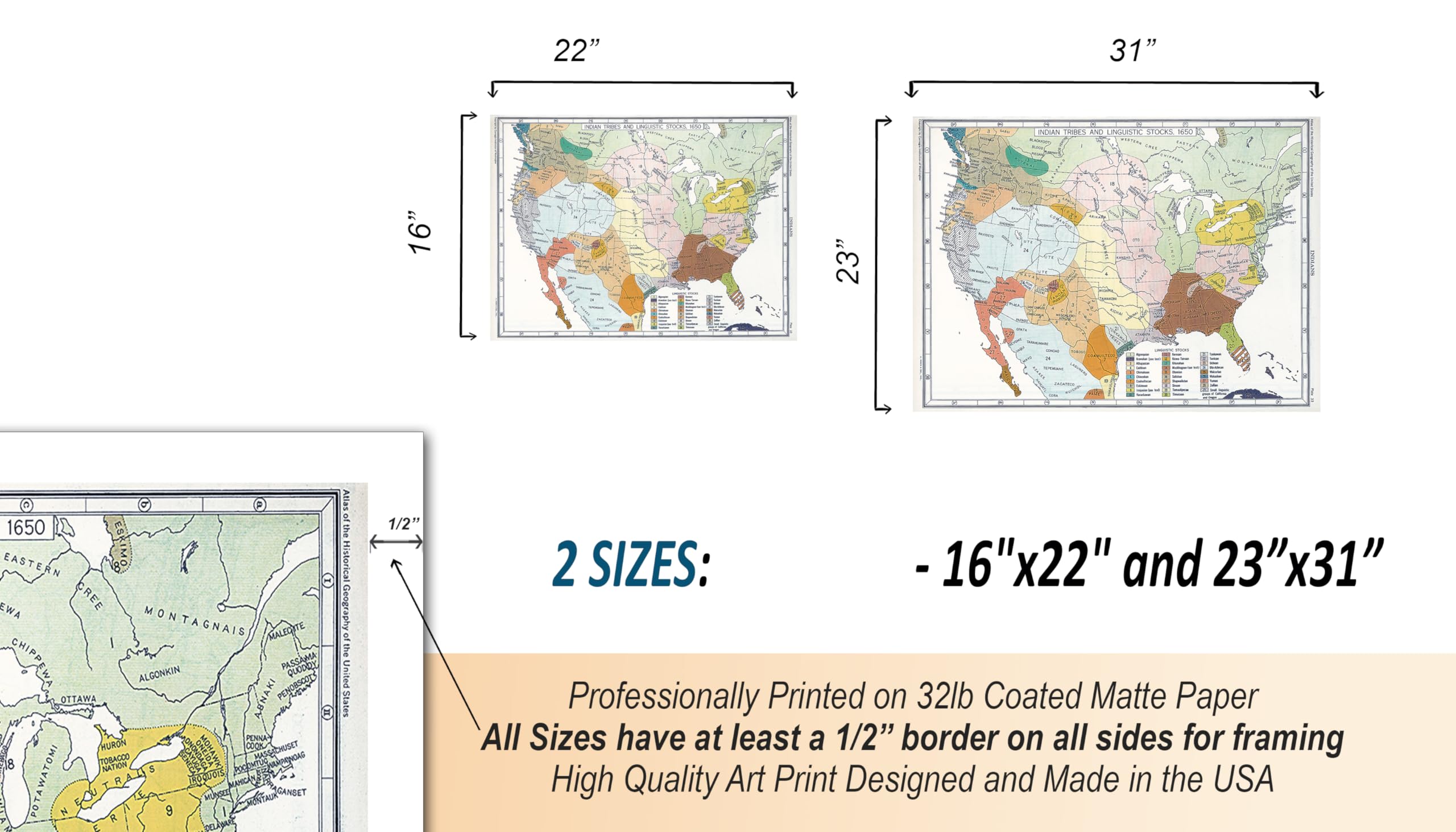
This immersive experience teaches us about resilience. Despite centuries of colonial pressures, forced assimilation, and language suppression, many of these languages, though endangered, persist. The artifacts and stories in the museum are not just remnants of the past; they are powerful symbols of cultural survival and the enduring spirit of California’s Native peoples. They serve as a poignant reminder of what was lost, but also, crucially, of what endures and is being reclaimed.
For the conscious traveler, this isn’t just sightseeing. It’s an act of deep engagement. It’s about recognizing the layers of history that underpin our contemporary world. It’s about acknowledging the complex identities that make up California, moving beyond simplistic narratives to embrace a richer, more nuanced understanding.
Practicalities for Your Journey
The Phoebe A. Hearst Museum of Anthropology is located on the UC Berkeley campus, easily accessible by public transportation (BART to Downtown Berkeley, then a short walk or campus shuttle) or car. Check their website for current operating hours, admission fees (often free for UC Berkeley students and staff, with reasonable rates for others), and any special exhibitions or events. The museum frequently hosts lectures, workshops, and family days, often with a focus on California Native American culture, offering even deeper engagement.
While you’re there, take the time to explore the beautiful UC Berkeley campus itself, perhaps grab a meal in one of Berkeley’s many diverse restaurants, and reflect on the profound journey you’ve just undertaken.
Conclusion: A Call to Listen
Visiting the Phoebe A. Hearst Museum of Anthropology is more than just a museum trip; it’s an educational pilgrimage. It’s an opportunity to connect with the deep linguistic roots of California, to understand the sheer diversity that once thrived here, and to appreciate the ongoing efforts of Native communities to preserve and revitalize their ancestral tongues. The California Native American linguistic map, once an abstract concept, transforms into a vibrant, living story told through artifacts, photographs, and the powerful, resilient spirit of its peoples.
So, the next time you find yourself in California, look beyond the headlines and the well-trodden paths. Seek out these deeper stories. Visit the Hearst Museum. And listen. Listen for the echoes of a hundred languages, whispering through the artifacts, reminding us of the incredible, diverse human tapestry that is, and always has been, California. Your understanding of this iconic state will never be the same.
>

