
Cahokia: Where Ancient Earth Tells the Story of Pre-Contact America’s "Maps" and Populations
Forget everything you thought you knew about pre-colonial North America. Forget the image of scattered nomadic tribes. Instead, picture a bustling metropolis, larger than London in its prime, with a sophisticated social structure, intricate trade networks, and a deep, cosmic understanding of its place in the world. This is Cahokia Mounds State Historic Site, a UNESCO World Heritage gem just across the Mississippi River from modern-day St. Louis. More than just an archaeological site, Cahokia is a living, breathing "map" – not of paper and ink, but of earth, sky, and memory – revealing the astonishing scale and complexity of Native American pre-contact populations. For the discerning traveler seeking profound historical insights, Cahokia offers an unparalleled journey into the heart of ancient America.
Stepping onto an Ancient Grid: Cahokia’s Grand Design
Upon arrival, the sheer scale of Cahokia is immediately striking. This was once the largest urban center of the Mississippian culture, flourishing between 1050 and 1200 AD, home to an estimated 10,000 to 20,000 people at its peak, with satellite communities extending the reach of its influence far beyond. Over 120 earthen mounds once dotted a six-square-mile landscape, meticulously planned and constructed, forming a monumental testament to a highly organized society. Unlike European cities built of stone, Cahokia rose from the earth itself, its structures shaped by the hands of thousands, mapping out a complex world view directly onto the landscape.
The interpretive center is an essential first stop. Here, world-class exhibits, detailed dioramas, and a powerful introductory film provide the crucial context needed to appreciate the mounds. You’ll encounter artifacts – pottery, tools, elaborate shell and copper ornaments – that speak volumes about daily life, spiritual beliefs, and the extensive trade routes that connected Cahokia to distant corners of the continent. But the real revelation begins when you step outside and confront the mounds themselves.
Beyond Cartography: How Ancient Americans Mapped Their World
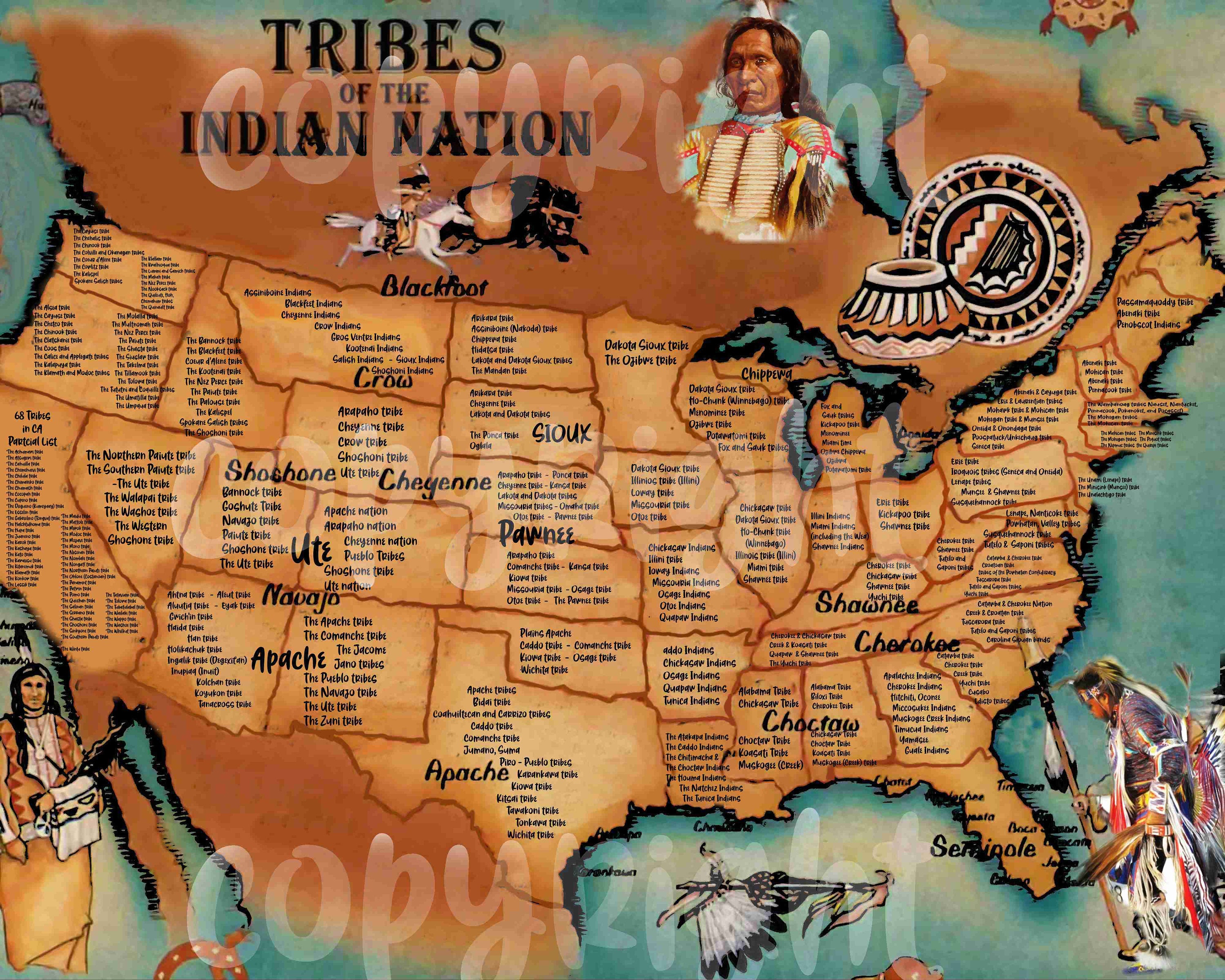
To understand "Native American maps of pre-contact populations" at Cahokia, we must expand our definition of "map." These weren’t typically parchment scrolls with cardinal directions. Instead, Native American mapping was holistic, interwoven with oral traditions, spiritual beliefs, resource management, and a profound connection to the land and sky. A "map" could be a song detailing migration routes, a petroglyph marking hunting territories, a woven pattern encoding cosmological knowledge, or, as at Cahokia, the very layout of a city. These indigenous mapping systems encoded vital information about resources, trade routes, spiritual sites, and, crucially, the distribution and interactions of human populations.
At Cahokia, the city itself functions as a colossal, three-dimensional map. Its precise alignments, the deliberate placement of ceremonial plazas, and the hierarchy of its mounds all convey a sophisticated understanding of social structure, cosmology, and the physical environment. This wasn’t random sprawl; it was a carefully engineered landscape reflecting a grand vision.
Cahokia’s Living Maps: Earth, Sky, and Trade
1. The Urban Layout as a Societal Map:
The most prominent feature is Monks Mound, a colossal earthen platform mound, the largest in North America, rising 100 feet and covering 14 acres at its base. Climbing its wooden staircase to the summit is a pilgrimage that rewards with a panoramic view of the entire ancient city. From this vantage point, the sheer scale and intentionality of Cahokia become breathtakingly clear. You can discern the outlines of the Grand Plaza, a vast, flat area covering 40 acres, meticulously leveled for ceremonies, games, and gatherings. Smaller mounds ringed this plaza, likely serving as platforms for elite residences or temples.
This precise urban planning is a map of Cahokia’s population and social order. The centralized Monks Mound, likely housing the paramount chief, and the surrounding elite structures indicate a hierarchical society. The residential zones fanned out from the core, with evidence of different social classes and occupational groups. The layout wasn’t just functional; it was cosmological, aligning with significant celestial events, mirroring the order of the universe in the organization of human society. This "map" articulated who lived where, who held power, and how the community was structured – a direct representation of a pre-contact population’s social geography.

2. Woodhenge: Mapping Time for Population Sustenance:
To the west of Monks Mound lies Woodhenge, a series of precisely placed timber circles. Discovered through archaeological work, these post circles functioned as ancient observatories, meticulously tracking the solstices and equinoxes. Markers indicate the sunrise on critical dates, such as the summer and winter solstices. Woodhenge is a map of time, a calendar vital for an agricultural society. Understanding the changing seasons, when to plant, when to harvest, and when to prepare for lean times, was paramount for sustaining a large, settled population. This celestial map directly enabled the survival and flourishing of Cahokia’s tens of thousands of inhabitants, guiding their agricultural cycles and ceremonial life.
3. Trade Networks: Mapping Interconnected Populations:
Cahokia was not an isolated entity. Its economic and political influence extended across a vast network. Archaeological evidence reveals a staggering array of goods originating from distant regions: copper from the Great Lakes, conch shells from the Gulf Coast, mica from the Appalachian Mountains, and chert (flint) from quarries hundreds of miles away. These materials were not just commodities; they were carriers of cultural exchange and indicators of extensive trade routes.
These trade routes, though invisible today, were vital "maps" of interconnected pre-contact populations. They show us how Cahokia interacted with various tribal groups, how resources were distributed, and how cultural ideas and technologies spread. The presence of these exotic goods at Cahokia speaks to its status as a major regional power and a hub in a vast indigenous economic and diplomatic network. The "maps" here are the inferred pathways, the relationships between distant communities, and the web of influence that defined pre-contact North America.
4. Oral Traditions: The Living Maps of Ancestral Lands:

While Cahokia itself is an archaeological marvel, its story is not solely told by excavations. The living descendants of the Mississippian peoples – tribes like the Osage, Quapaw, Caddo, Chickasaw, Choctaw, and many others – carry forward oral traditions, stories, and cultural practices that are themselves living "maps." These narratives often describe ancestral lands, migration routes, and the deep history of their peoples, including connections to monumental sites like Cahokia. Visiting Cahokia with an awareness of these enduring traditions enriches the experience, transforming it from a mere archaeological curiosity into a vibrant connection with living indigenous cultures and their ancestral populations.
The Visitor Experience: Immersion in Ancient Brilliance
Your journey through Cahokia is best done on foot. Walking the trails that weave among the mounds, you can feel the energy of the past. Stand on the Grand Plaza and imagine the cacophony of thousands – ceremonies, ballgames, markets. Climb Monks Mound and envision the vast city spreading out before you, a testament to human ingenuity and communal effort. The interpretive center’s comprehensive exhibits bridge the gap between archaeological findings and the human stories they represent, making the abstract concept of "pre-contact populations" tangible. You’ll see reconstructions of homes, tools, and ceremonial objects, all bringing the ancient inhabitants to life. Guided tours led by knowledgeable rangers or volunteers are highly recommended, as they offer deeper insights into the latest research and the nuances of Mississippian culture.
Cahokia is not merely a collection of dirt piles; it is a profound historical landscape that challenges preconceived notions about the Western Hemisphere’s past. It forces us to confront the sophistication of societies that thrived long before European arrival, societies that possessed complex astronomical knowledge, advanced engineering skills, and a deeply integrated understanding of their environment.
Why Cahokia Matters: Reshaping Our Understanding
For the travel blogger and curious explorer, Cahokia offers more than just scenic views; it offers a paradigm shift. It’s a place that unequivocally demonstrates that pre-contact Native American societies were not primitive. They built cities, engaged in complex trade, developed sophisticated agricultural techniques, and possessed profound spiritual and scientific knowledge. Their "maps" were not just geographical; they were cosmological, social, and temporal, guiding the lives of massive populations.
Visiting Cahokia is an act of respect for this often-overlooked history. It’s an opportunity to connect with the ingenuity, resilience, and wisdom of the continent’s original inhabitants. It’s a reminder that America’s history is far older, richer, and more complex than many realize. It’s a chance to witness how an entire civilization mapped its existence onto the very earth it inhabited, leaving an indelible record for future generations.
Practical Tips for Your Journey
- Best Time to Visit: Spring and fall offer pleasant weather for walking. Summers can be hot and humid, so bring plenty of water. Winter visits are possible, but some facilities may have reduced hours.
- What to Bring: Comfortable walking shoes are essential. Sunscreen, a hat, and insect repellent are highly recommended, especially during warmer months. Binoculars can enhance the view from Monks Mound.
- Accessibility: The interpretive center is fully accessible. Trails vary in difficulty; while many are flat, the climb up Monks Mound involves many stairs.
- Nearby Attractions: Cahokia is just a short drive from St. Louis, offering a wealth of other attractions, including the Gateway Arch, museums, and vibrant dining scenes, making it an excellent anchor for a longer trip.
- Respect the Site: Remember that Cahokia is a sacred ancestral site for many Native American peoples. Treat it with reverence and follow all posted guidelines.
Conclusion: A Map to a Forgotten World
Cahokia Mounds is more than just an archaeological site; it is a profound gateway to understanding the genius of pre-contact North America. It is a monumental "map" etched into the very earth, detailing the sophisticated urban planning, spiritual beliefs, economic networks, and sheer scale of the Mississippian populations. For anyone seeking to truly grasp the depth and complexity of human history on this continent, Cahokia is an essential pilgrimage. It will not only reshape your understanding of ancient America but also deepen your appreciation for the ingenuity of the human spirit and the diverse ways in which we map our existence upon the world. Go, explore, and let the earth speak its ancient truths.

