Beyond the Sunshine & Sand: An Epic Journey Through Florida’s Native American Heritage
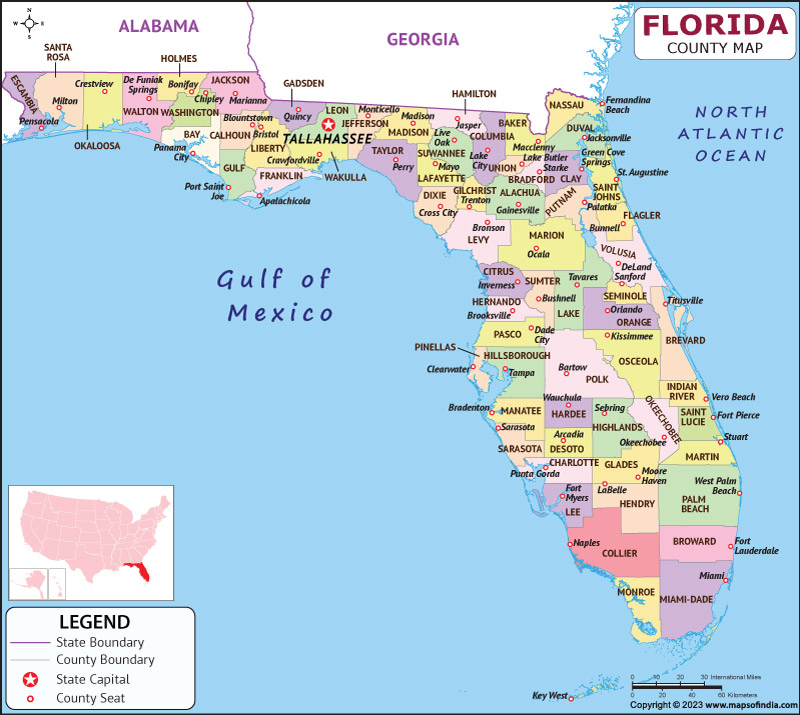
Florida. The name conjures images of pristine beaches, thrilling theme parks, and vibrant nightlife. But beneath the layers of modern tourism lies a much older, deeper narrative – a story etched into the very landscape by generations of Native American tribes whose presence shaped this peninsula long before any European set foot on its shores. For the curious traveler seeking more than just sun-soaked relaxation, exploring Florida’s Native American heritage offers an immersive, often poignant, and profoundly enriching experience. Forget the typical tourist map; this is a guide to uncovering Florida’s ancient heart, a journey through time and culture that will forever change your perception of the Sunshine State.
This isn’t just about tracing lines on a historical map; it’s about walking on sacred ground, listening to the echoes of past civilizations, and connecting with the vibrant contemporary cultures that continue to thrive. We’ll delve into key locations that serve as windows into the lives of the Calusa, Timucua, Tequesta, Apalachee, and the enduring spirit of the Seminole and Miccosukee nations.
The Unseen Architects: Exploring Florida’s Ancient Indigenous World
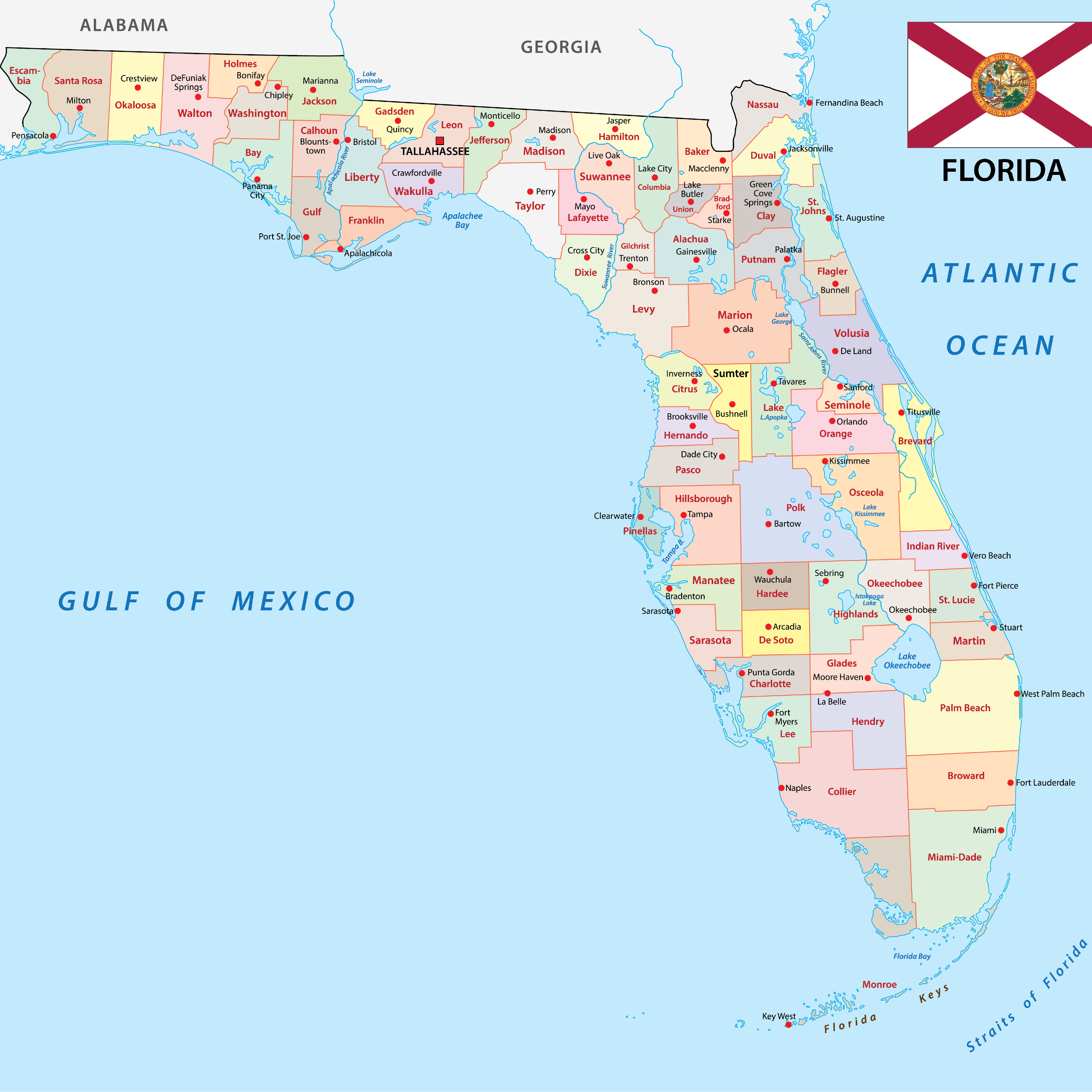
To truly appreciate Florida’s Native American story, we must first look to the ancient past, to the sophisticated societies that built vast shell mounds, navigated intricate waterways, and cultivated the land for millennia. These pre-Columbian cultures, though largely vanished due to disease and conflict after European contact, left indelible marks on the landscape.
Mound Key Archaeological State Park (Southwest Florida)
Imagine a towering island, not naturally formed, but painstakingly constructed by human hands over hundreds of years from countless oyster and clam shells, sand, and organic refuse. This is Mound Key, the likely ceremonial center and capital of the powerful Calusa nation, a formidable maritime kingdom that once dominated Southwest Florida. Unlike agricultural societies, the Calusa were fisher-gatherers who built a complex chiefdom based on the abundant resources of the coast and estuaries.
Visiting Mound Key is an adventure in itself, typically requiring a boat or kayak to access. There are no paved roads, no gift shops, just raw, untamed history. The journey across Estero Bay sets the scene, transporting you away from modern civilization. Once you arrive, a well-maintained interpretive trail winds through the dense coastal hammock. The sheer scale of the shell mounds – some rising over 30 feet above the water – is breathtaking. Walking on these ancient structures, you can almost hear the bustling sounds of a thriving Calusa city, envision their dugout canoes traversing the waterways, and marvel at their engineering prowess.

The park offers an unparalleled opportunity to understand how a complex society adapted to and manipulated its environment. Interpretive signs along the trail provide insights into Calusa life, their intricate social structure, and their unique artistic expressions. This isn’t a museum with artifacts behind glass; it’s the site itself, a monumental artifact, allowing for a deep, contemplative connection to a lost civilization. For those who crave an authentic, off-the-beaten-path historical experience, Mound Key is an absolute must-visit, a testament to the ingenuity and power of Florida’s earliest inhabitants.
Paynes Prairie Preserve State Park (North Central Florida)
While not specifically a "site" like Mound Key, Paynes Prairie offers a vast natural landscape deeply intertwined with Native American history. This immense savanna, once a great lake, was a critical resource for the Timucua people for thousands of years. The Alachua, a Timucua-speaking group, were prominent here, their villages dotting the edges of the prairie.
Today, Paynes Prairie is renowned for its wild horses and bison, but its historical significance is equally compelling. Hiking its trails, particularly the La Chua Trail, you are walking on land that has witnessed continuous human occupation for over 10,000 years. The interpretive center provides background on the Timucua and later Seminole presence. While no visible mounds dominate the landscape here, the prairie itself is a living monument to the sustenance it provided. It’s a place to understand the deep ecological knowledge of indigenous peoples and their symbiotic relationship with the environment. Imagining Timucua hunters stalking game or gathering plants across this vast expanse adds a profound layer to the natural beauty.
Resilience and Rebirth: The Living Cultures of the Seminole and Miccosukee
While many of Florida’s ancient tribes faded into history, two nations emerged and flourished against incredible odds: the Seminole and Miccosukee. Their story is one of unparalleled resilience, adaptation, and an unwavering commitment to preserving their identity in the face of relentless pressure. These are not merely historical footnotes; they are vibrant, sovereign nations with a powerful presence in modern Florida.
Ah-Tah-Thi-Ki Museum (Seminole Tribe of Florida, Clewiston)
If you are to visit only one Native American site in Florida, make it the Ah-Tah-Thi-Ki Museum, located on the Big Cypress Seminole Indian Reservation. "Ah-Tah-Thi-Ki" means "a place to learn, a place to remember," and it lives up to its name with remarkable depth and authenticity. This award-winning museum is not just a collection of artifacts; it is a profound journey into the heart of Seminole culture, told largely through Seminole voices.
The museum’s architecture itself is striking, blending modern design with traditional elements. Inside, the exhibits are thoughtfully curated, covering everything from the origins of the Seminole people (formed from Creek and other Southeastern tribes fleeing encroaching European settlement) to the harrowing Seminole Wars, their incredible survival in the Everglades, and their vibrant contemporary life. You’ll see stunning examples of Seminole patchwork clothing, intricate beadwork, traditional tools, and poignant historical documents.
What truly sets Ah-Tah-Thi-Ki apart is its commitment to an immersive experience. A mile-long boardwalk winds through a pristine cypress swamp, leading to a recreated Seminole village. Here, you can witness traditional crafts being demonstrated – dugout canoe carving, chickee hut construction, basket weaving – and interact with Seminole artisans and storytellers. This isn’t a performance; it’s an invitation to observe and learn from people living their culture. The museum also features a robust collection of historical photographs and oral histories, ensuring that the narrative is authentic and respectful.

Visiting Ah-Tah-Thi-Ki is an emotionally resonant experience. It highlights the incredible strength and ingenuity of the Seminole people who, despite facing overwhelming odds, never surrendered their spirit or their land. It’s a powerful reminder that Florida’s history is not just about conquest, but about enduring resistance and cultural persistence. Allow several hours to fully absorb everything this exceptional institution has to offer.
Miccosukee Cultural Center and Everglades Villages (Miami-Dade County)
Closely related to the Seminole, the Miccosukee Tribe of Indians of Florida also found refuge and forged their unique identity within the vast, unforgiving, yet life-giving Everglades. The Miccosukee Cultural Center, located along the Tamiami Trail (US-41) west of Miami, offers another vital perspective on Florida’s indigenous heritage.
The Cultural Center provides an excellent introduction to Miccosukee history, traditions, and contemporary life. Exhibits showcase their distinctive arts and crafts, traditional clothing, and the history of their fight for sovereignty and self-determination. A key feature here is the opportunity to learn about their unique relationship with the Everglades, which is not merely a habitat but a sacred landscape central to their identity.
Beyond the main center, various Miccosukee-owned and operated "villages" or camps along the Tamiami Trail offer glimpses into traditional life. Many feature airboat rides (an exhilarating way to experience the Everglades), alligator wrestling demonstrations (controversial for some, but a long-standing tradition of interaction with the local wildlife), and opportunities to purchase authentic Miccosukee arts and crafts. While some of these experiences lean towards tourism, they are nonetheless direct opportunities to support tribal enterprises and learn about a culture deeply connected to this unique ecosystem. Engaging with Miccosukee guides and artisans provides invaluable insights into their reverence for the land and their ongoing efforts to preserve their heritage.
Crossroads of Cultures: The Apalachee and the Mission Era
The arrival of Europeans in Florida marked a dramatic turning point, leading to both conflict and complex cultural exchanges. The mission era, particularly in North Florida, offers a stark look at the impact of colonialism and the fascinating, yet ultimately tragic, story of the Apalachee people.
Mission San Luis de Talimali (Tallahassee)
Nestled in modern-day Tallahassee, Mission San Luis is an extraordinary archaeological and historical site that brings to life the vibrant cultural exchange and eventual destruction that characterized Florida’s Spanish colonial period. From 1656 to 1704, San Luis was the western capital of Spanish Florida and the largest and most successful Spanish mission in the region, home to more than 1,500 Apalachee and a small contingent of Spanish soldiers and friars.
What makes San Luis so compelling is its unique interpretation: it’s not just ruins, but a meticulously reconstructed 17th-century Apalachee council house, a Spanish friary, a church, and a fort. These full-scale reconstructions, built on the exact archaeological footprints, allow visitors to step back in time. The Apalachee council house, in particular, is an awe-inspiring structure, one of the largest log buildings in the Southeast, demonstrating the power and sophistication of the Apalachee chiefdom.
Expert living history interpreters, often in period costume, engage visitors with stories of daily life, the complex political dynamics between the Apalachee and the Spanish, the introduction of European goods and diseases, and the eventual demise of the mission due to English and allied Native American raids. The site also features a superb museum with artifacts unearthed during ongoing archaeological digs, offering tangible connections to the past.
Mission San Luis is a powerful reminder of a time when Florida was a true melting pot, a place where different cultures converged, sometimes harmoniously, sometimes with devastating consequences. It’s a vital site for understanding the complexities of early American history and the profound impact of European contact on indigenous populations.
Planning Your Journey: Tips for Respectful Exploration
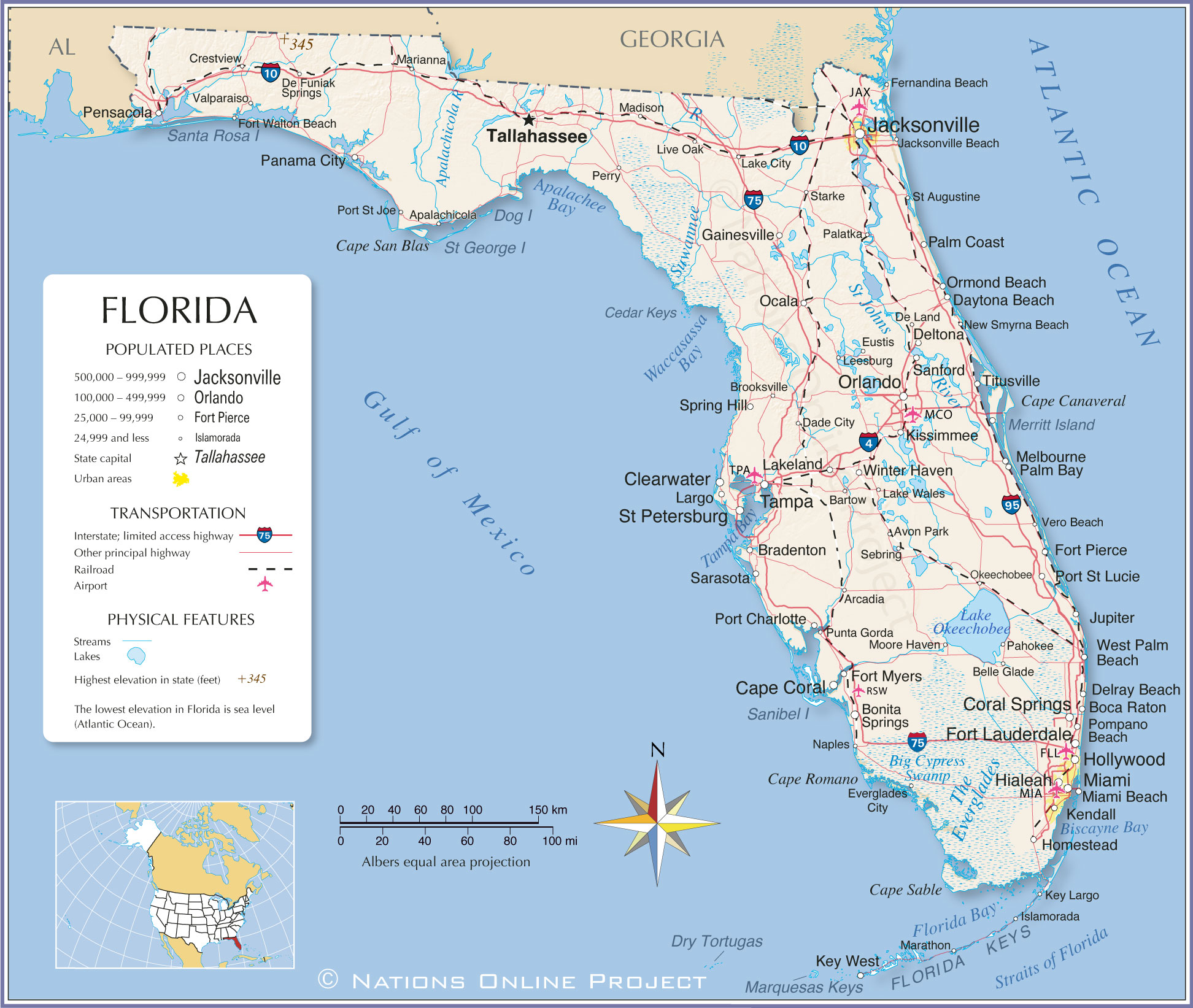
Embarking on this journey through Florida’s Native American heritage requires more than just a map; it demands an open mind and a respectful heart.
- Do Your Research: Before you go, learn about the specific tribes associated with the sites you plan to visit. Understanding their history, traditions, and current status enhances the experience.
- Respect Sacred Spaces: Many sites, especially mounds and burial grounds, are sacred. Treat them with the reverence they deserve. Stay on marked trails, do not disturb artifacts, and follow all park rules.
- Support Native Businesses: Whenever possible, purchase crafts, take tours, or eat at establishments owned and operated by Native American tribes. This directly supports their communities and economies.
- Engage with Guides and Interpreters: The insights offered by Native American guides or knowledgeable park rangers are invaluable. Ask questions, listen attentively, and be open to different perspectives.
- Be Prepared for the Elements: Florida weather can be unpredictable. Bring water, sunscreen, insect repellent, and wear appropriate clothing and footwear, especially for outdoor sites like Mound Key or the Everglades.
- Allow Ample Time: These are not quick stops. To truly absorb the history and culture, allocate generous time for each location.
- Consider Accessibility: Some sites, like Mound Key, require specific transportation or are less accessible for those with mobility challenges. Check ahead.
Conclusion: More Than Just a Map
Florida’s Native American heritage is not confined to dusty history books; it is a living, breathing part of the state’s identity, rich with stories of survival, adaptation, and enduring cultural pride. From the ancient shell mounds of the Calusa to the vibrant chickee villages of the Seminole and Miccosukee, and the colonial crossroads of the Apalachee, each site offers a unique lens through which to view a different facet of this incredible legacy.
This journey goes beyond typical tourism. It’s an invitation to connect with the land on a deeper level, to challenge preconceived notions, and to bear witness to the profound resilience of human spirit. So, next time you plan a trip to Florida, venture beyond the theme parks and beaches. Seek out these sacred spaces, listen to the echoes of the past, and engage with the living cultures of today. You’ll discover a Florida far more complex, more beautiful, and more meaningful than you ever imagined – a true testament to the enduring heartbeat of its first peoples.

