Beyond the Postcard: Navigating Rhode Island Through Narragansett Historical Lands
Rhode Island. The Ocean State. A compact mosaic of sandy beaches, historic towns, and bustling harbors. For many, it’s a quintessential New England escape, a place of summer sun, fresh seafood, and picturesque lighthouses. But what if I told you there’s an entirely different, profoundly deeper way to experience this state, one that challenges the very notion of its tranquil beauty and reveals layers of history, resilience, and belonging often overlooked? This isn’t just a travel review; it’s an invitation to shift your perspective, to journey not just across geographical lines, but across the lines of time and sovereignty, guided by the indelible markers of Narragansett tribal maps of historical land claims.
Forget the usual itinerary. Our "destination" isn’t a single spot, but a vast, interconnected territory, spanning much of what we now call Rhode Island and beyond. It’s a landscape imbued with the spirit of the Narragansett Nation, whose ancestral claims stretch back millennia, long before colonial charters drew arbitrary borders. To truly "review" this place is to understand it not as discovered land, but as ancestral homeland, a living entity that continues to shape identity and culture.
The Unseen Maps: A New Lens for Exploration
When you delve into Narragansett tribal maps, you’re not just looking at cartography; you’re witnessing a narrative of sovereignty, resource management, and a profound relationship with the land and water. These maps, whether historical documents or contemporary representations of enduring claims, delineate a territory far grander than the current federally recognized Narragansett Reservation in Charlestown. They encompass the entire Narragansett Bay, Block Island (Manisses), vast swathes of what is now South County, and significant portions of southeastern Massachusetts and eastern Connecticut.
This expansive historical claim isn’t merely an academic exercise; it’s a living testament to a vibrant nation that has endured centuries of dispossession, disease, and cultural suppression. For the discerning traveler, understanding these claims transforms a scenic drive into a pilgrimage, a beach visit into an act of remembrance, and a hike through the woods into an encounter with ancient pathways.
Charlestown: The Enduring Heartbeat
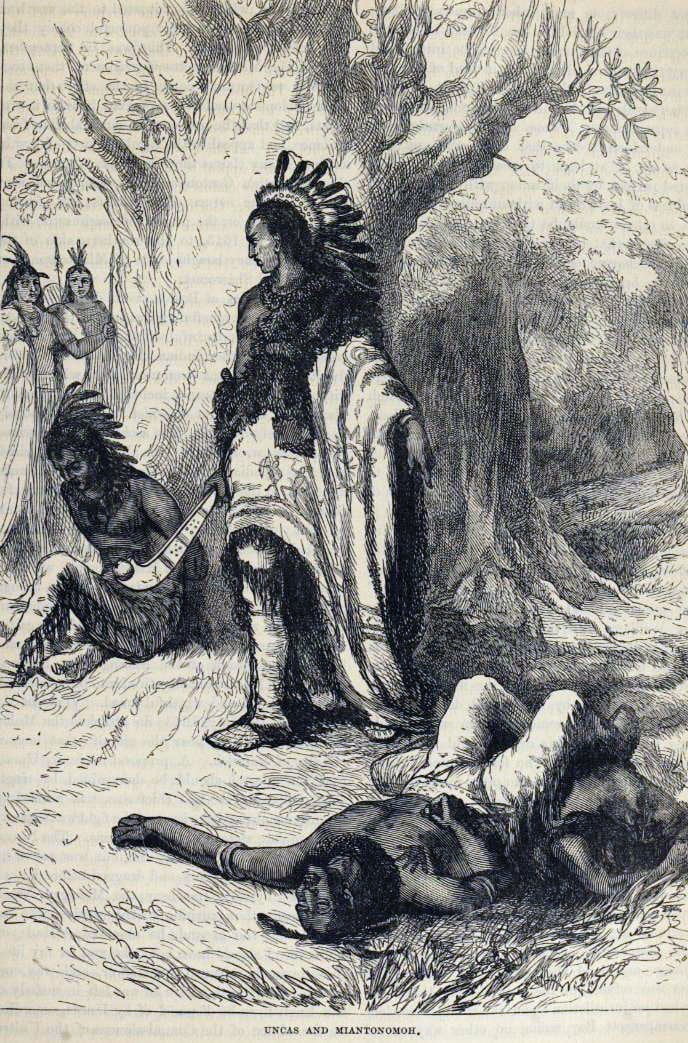
Our journey into this deeper Rhode Island begins, fittingly, in Charlestown, home to the contemporary Narragansett Indian Tribe and its reservation lands. This is the physical heart of the nation today, a vital nexus for cultural preservation, spiritual practice, and community life. Visiting here isn’t about ticking off a tourist attraction; it’s about respectful engagement.
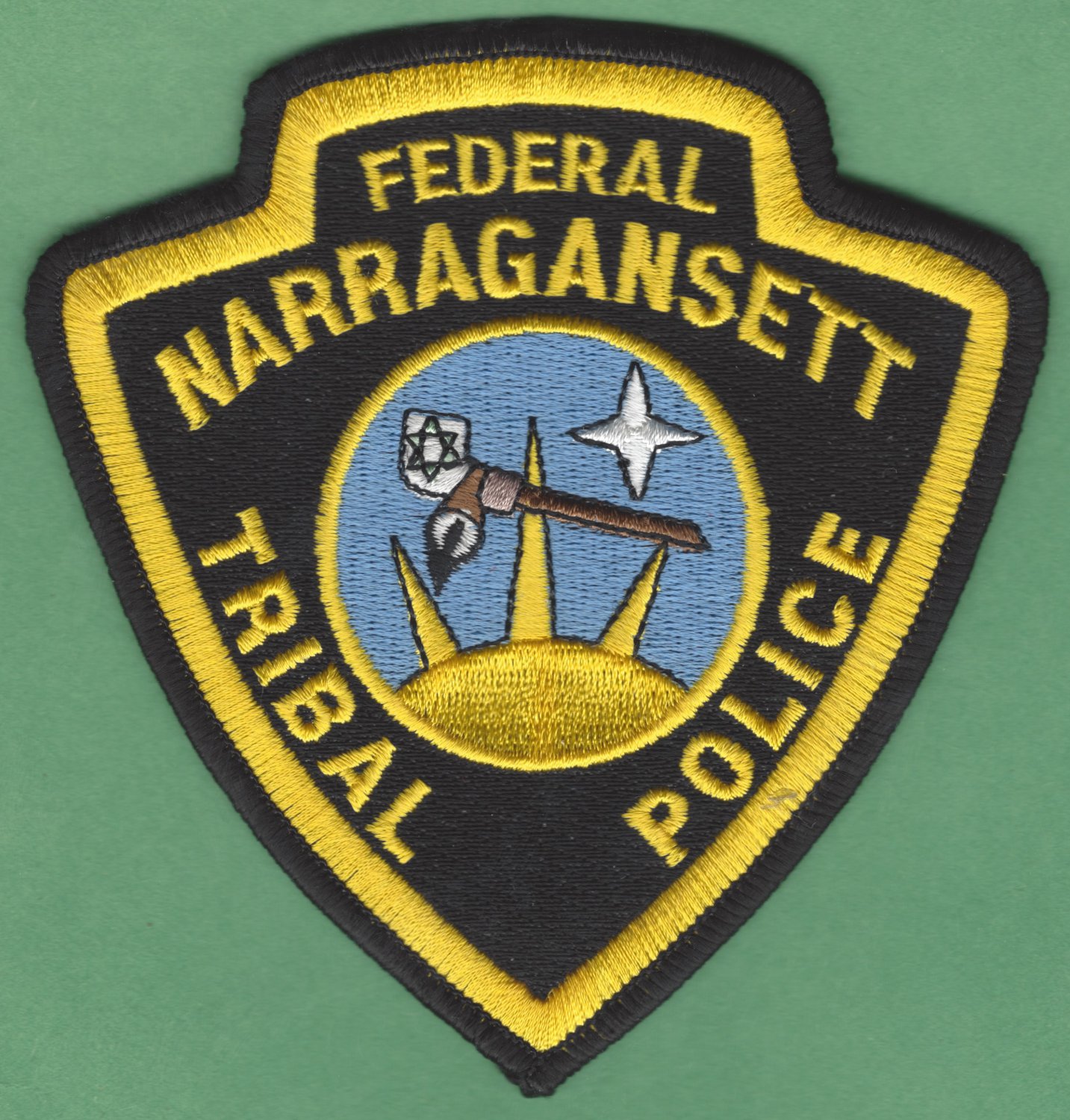
The Narragansett Indian Church, a modest yet powerful structure, stands as a symbol of endurance and adaptation. Built in 1859, it blends traditional Narragansett beliefs with Christian practices, reflecting a complex history of cultural survival. While it’s a place of worship, its mere presence on ancestral land speaks volumes. The surrounding reservation lands, though small compared to historical claims, are meticulously cared for, home to the tribal government, community spaces, and sacred grounds.
If your timing aligns with the annual Narragansett Indian Tribe August Meeting Powwow, you are in for an extraordinary experience. This isn’t a performance for tourists, but a profound cultural celebration – a homecoming, a gathering of family, and a vibrant expression of identity. The drumming, the singing, the elaborate regalia of the dancers – it’s an immersive sensory experience that connects you directly to the living pulse of the Narragansett Nation. It’s a powerful reminder that this history is not relegated to dusty archives, but breathes and thrives today. Here, on these precious acres, the maps of the past find their most tangible, vibrant expression in the present.
Coastal Echoes: Where Land Meets Sea
Venture beyond Charlestown, and the historical claims truly begin to stretch, encompassing the entirety of Rhode Island’s iconic coastline. Imagine standing on the famed beaches of Narragansett Town, or the rugged shores of Westerly, or the popular surf breaks of Matunuck. For many, these are simply beautiful recreational spots. But through the lens of Narragansett maps, they become something more profound.

The Narragansett people were, and remain, a maritime people. Their historical claims extend deep into Narragansett Bay and out into the Atlantic. These waters were their highways, their hunting grounds, their spiritual sanctuaries. The shellfish beds that modern clam diggers enjoy were once vital sustenance. The very sand beneath your feet, the crashing waves, the salty air – all were, and remain, integral to Narragansett identity.
Consider Ninigret Pond and the salt marshes of South County. These estuarine environments were critical for fishing, trapping, and harvesting medicinal plants. They were places of abundant life, carefully managed and understood through generations of ecological knowledge. Walking these coastal trails, observing the diverse birdlife, you begin to grasp the intricate relationship the Narragansett people had with their environment – a relationship of stewardship, not just extraction.
Manisses: Block Island’s Enduring Spirit
One of the most striking inclusions on Narragansett historical maps is Block Island, known to the Narragansett as Manisses, or "Little Island of the Great Spirit." This popular tourist destination, famous for its dramatic cliffs, pristine beaches, and picturesque lighthouses, holds a much deeper significance.
For the Narragansett, Manisses was not just a strategic outpost but a place of immense spiritual power and rich resources. The island’s isolation preserved unique ecosystems and provided abundant fishing and hunting grounds. Visiting Block Island with this knowledge transforms the experience. As you gaze out from Mohegan Bluffs, feeling the immense power of the ocean, try to imagine the centuries of Narragansett ancestors who stood in the same spot, connecting with the spirits of the land and sea.
Renting a bicycle and exploring the island’s winding roads, past stone walls and rolling fields, isn’t just a scenic ride; it’s traversing pathways that echo with millennia of Narragansett footsteps. The island’s beauty becomes imbued with a sense of ancient history and enduring spirit. It’s a place where the past feels palpably close, reminding you that every scenic vista has a deeper story, every seemingly wild landscape a human history of care and connection.
Inland Trails: Forests and Sacred Stones
The Narragansett historical claims extend inland, covering much of what is now rural Rhode Island. These forested areas, often crisscrossed by modern hiking trails, were once extensive hunting grounds, sources of timber, and sites for ceremonial gatherings.
Places like the Arcadia Management Area or the Big River Management Area, with their dense woods, meandering rivers, and glacial erratics, offer a glimpse into the vast wilderness that sustained the Narragansett people. As you walk these trails, listen to the rustling leaves, the distant call of a bird, or the murmur of a stream, consider that these were the sounds that accompanied daily life, spiritual practices, and strategic movements for countless generations.
Keep an eye out for stone structures. While many are colonial-era walls, some ancient stone piles and formations may be subtle indicators of indigenous presence – ceremonial sites, burial markers, or boundary markers. These are not always publicly identified, and often best experienced through quiet reflection rather than overt seeking. The point isn’t to find specific "attractions," but to cultivate an awareness that the land itself is a repository of history and memory.
A Call to Conscious Travel
Reviewing Rhode Island through the lens of Narragansett tribal maps isn’t about finding specific points of interest on a conventional tourist map. It’s about a profound shift in perception. It’s about recognizing that every inch of this beautiful state has a story that extends far beyond colonial narratives.
What does this experience offer the traveler?
- Deeper Appreciation: You’ll see the landscape not just for its aesthetic beauty, but for its historical and cultural significance. A beach isn’t just a beach; it’s a shoreline deeply connected to generations of Narragansett life.
- Historical Empathy: Understanding the impact of dispossession and the resilience of the Narragansett Nation fosters a richer, more empathetic understanding of American history.
- Cultural Connection: Engaging with the living Narragansett culture, even indirectly, offers a unique opportunity to connect with a vibrant, enduring indigenous community.
- Challenging Narratives: It encourages you to question dominant historical narratives and seek out marginalized voices, enriching your understanding of place and belonging.
How to travel respectfully in Narragansett ancestral lands:
- Educate Yourself: Learn about the Narragansett Nation’s history, culture, and ongoing struggles. The Tribe’s official website is an excellent starting point.
- Support Indigenous Businesses: If opportunities arise, support tribal enterprises or artists.
- Be Mindful on Public Lands: Recognize that lands designated as "state parks" or "conservation areas" were once, and in many ways remain, ancestral territories. Treat them with respect, leave no trace, and understand their deeper meaning.
- Respect Sacred Sites: If you encounter any potentially sacred or culturally significant sites, observe from a distance, do not disturb, and respect any posted signage.
- Attend Public Events Respectfully: If you attend a Powwow or other public tribal event, do so with an open heart, follow protocols, and remember you are a guest.
- Avoid Stereotypes: Engage with the Narragansett as a contemporary, living nation, not as historical figures.
The Verdict: A Transformative Journey
My review of "Rhode Island" as seen through the Narragansett tribal maps of historical land claims is unequivocally five stars, not for its amenities or attractions, but for its profound capacity to transform the traveler. It’s an experience that transcends the superficial joys of a typical vacation, inviting you into a deeper, more meaningful engagement with a place and its people.
This journey is not just about seeing Rhode Island; it’s about understanding it. It’s about recognizing the layers of history beneath your feet, the enduring spirit in the wind, and the continuous presence of a nation that has loved and cared for this land for thousands of years. It’s an invitation to travel with intention, to listen to the whispers of the past, and to return home with not just memories, but a newly expanded heart and mind, forever changed by the true, unbroken story of the Ocean State. This is the Rhode Island you need to discover.

