
Beyond the Lines: Navigating National Parks with Indigenous Maps
For the intrepid traveler, the allure of North America’s national parks is undeniable. Towering peaks, ancient forests, vast deserts, and thundering waterfalls call to millions seeking wilderness and wonder. Yet, the maps we typically consult – those neatly demarcated boundaries, topographical contours, and official trail names – tell only a fraction of the story. Beneath the layers of federal protection and tourist infrastructure lies an older, deeper narrative, etched into the very land by millennia of Indigenous presence. To truly understand, respect, and connect with these breathtaking landscapes, the discerning traveler must look beyond the colonial gaze and embrace the profound wisdom embedded in Native American maps of national parks and Indigenous lands.
This isn’t about discarding your USGS topographical map. It’s about augmenting it, enriching it, and decolonizing your perspective. Indigenous maps, whether they exist as intricate pictographs, oral traditions woven into landscape narratives, or contemporary digital overlays, offer a paradigm shift. They don’t merely show where something is; they reveal what it is, who belongs to it, and how it has been lived with and understood for generations. For a travel blog focused on authentic and responsible exploration, diving into this rich cartography is not just an option, it’s an imperative.
The Palimpsest of Place: Why Indigenous Maps Matter
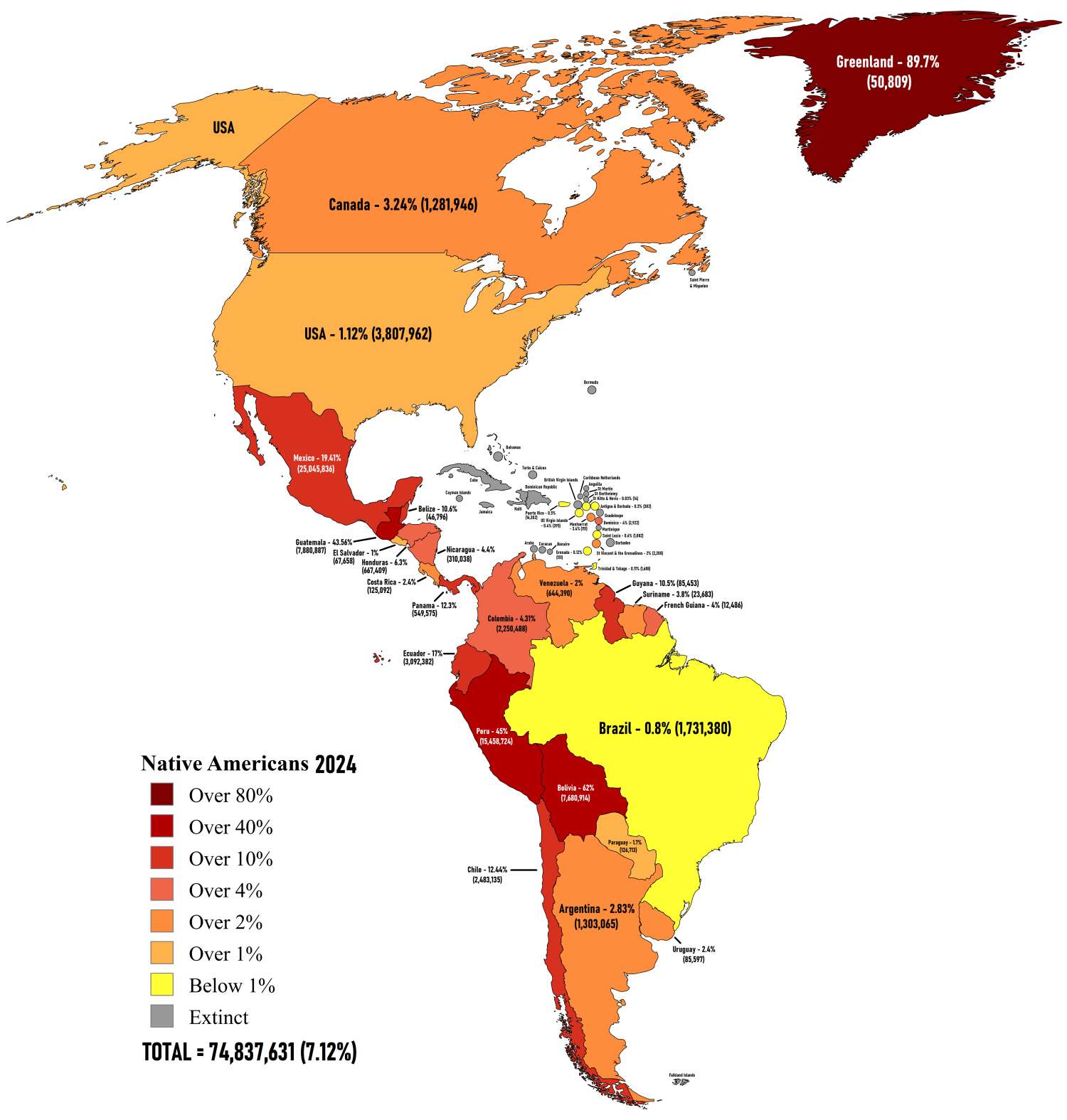
Consider the foundational difference. Conventional maps, born of European exploration and nation-building, are often tools of conquest and control. They delineate borders, assign names, and quantify resources. Indigenous maps, conversely, are often relational. They reflect deep ecological knowledge, spiritual connections, ancestral travel routes, resource gathering sites, and the interwoven histories of communities with their homelands. They emphasize stewardship, reciprocal relationships, and a sense of belonging rather than ownership.
When you view a national park through an Indigenous lens, you stop seeing an untouched wilderness and start seeing a vibrant cultural landscape – a "palimpsest" where layers of history, ceremony, and survival are continually present. This shift transforms a superficial visit into an immersive journey, allowing travelers to grasp the true depth of human-land interaction that predates, and often contradicts, the narratives presented by park services.
Grand Canyon National Park: Havasupai, Hualapai, Navajo, Hopi, Paiute, Zuni, and more
Let’s begin with one of the most iconic landscapes: the Grand Canyon. A standard map shows the North and South Rims, the Colorado River snaking through, and trails like Bright Angel or South Kaibab. But for the Havasupai, whose traditional lands encompass parts of the canyon and whose village lies within its depths, this is Havasu Baaja, "the people of the blue-green waters." Their maps, whether oral or drawn, highlight the springs, the pathways to gather medicinal plants, the sacred sites, and the deep spiritual connection to the water that sustains them.
For the Hualapai, the canyon is Hualapai Havasu, a place of ancestral migrations and sacred mountains. For the Navajo (Diné), it is a sacred space, part of their creation stories, traversed by their ancestors. The Hopi view the Grand Canyon as the Sipapu, the place of emergence from the underworld.
When you hike a trail, knowing its Indigenous name and understanding its significance – perhaps as an ancient trade route, a seasonal migration path, or a ceremonial journey – the experience is profoundly altered. Instead of merely admiring geological strata, you are walking on land imbued with living history, a history of survival, resilience, and profound spiritual connection. Indigenous maps of the Grand Canyon challenge the notion of it as a pristine wilderness solely for recreation, revealing it as a vibrant, contested, and deeply sacred homeland. This perspective encourages travelers to engage with the land not just as a spectacle, but as a living entity deserving of reverence and respect for its original stewards.
Yosemite National Park: Ahwahneechee, Miwok, and Paiute Homelands
Yosemite Valley, a crown jewel of the national park system, is another prime example. The very name "Yosemite" is a corruption of the Miwok word Yohhe’meti, referring to the Ahwahneechee people who were displaced from the valley. A conventional park map points to El Capitan, Half Dome, and Yosemite Falls. An Indigenous map, or the knowledge it conveys, reveals Tutokaanula (El Capitan), Tis-sa-ack (Half Dome), and Cholock (Yosemite Falls). These aren’t just names; they are embedded with stories, spiritual significance, and ecological observations.

The "wilderness" we admire was, for millennia, a meticulously managed landscape. The Ahwahneechee, Miwok, and Paiute peoples employed controlled burns, gathered specific plants, and maintained intricate trail systems. Their maps would show seasonal foraging grounds, ancestral villages (like Ahwahnee), ceremonial sites, and pathways connecting different valleys and tribes.
Traveling through Yosemite with this awareness transforms the experience. Instead of seeing a pristine, untamed wilderness, you recognize a landscape shaped by generations of human interaction and profound ecological understanding. You understand the profound loss associated with the displacement of these peoples and the ongoing efforts by descendants to reclaim their narratives and practice their stewardship. This understanding compels a traveler to move with greater mindfulness, to appreciate not just the aesthetic beauty, but the deep cultural and historical layers that make Yosemite what it truly is.
Badlands National Park: The Sacred Heart of Lakota Territory
Badlands National Park in South Dakota is a stark, rugged landscape of eroded buttes and spires. For the Lakota people, this region, known as Mako Sica (bad lands) or Paha Sapa (Black Hills), is far from "bad." It is a sacred place, central to their spiritual beliefs, history, and survival. The park’s creation and its location within the Pine Ridge Reservation highlight a history of treaty violations and profound injustice.
Indigenous maps of the Badlands would not merely show geological formations; they would delineate ancestral hunting grounds, sacred vision quest sites, and the routes taken during the Ghost Dance era, a time of profound spiritual and political resistance. They would mark places of healing, storytelling, and deep connection to the earth. The land itself is a living archive of Lakota history, from ancient buffalo jumps to the sites of pivotal ceremonies.
For a traveler, understanding this context means seeing beyond the dramatic scenery. It means recognizing the Badlands as a place of immense spiritual power, a testament to Lakota resilience, and a poignant reminder of broken treaties. It encourages a visit that includes seeking out tribal cultural centers, supporting Lakota-owned businesses, and engaging with the land as an active participant in an ongoing historical narrative, rather than a passive observer of natural beauty.

Everglades National Park: The Interwoven World of the Seminole and Miccosukee
The Everglades, a vast "River of Grass" in Florida, presents a different kind of cartographic challenge. Here, the land and water are inextricably linked, a fact deeply understood by the Seminole and Miccosukee peoples who have thrived in this unique environment for centuries. Conventional maps might show water flow, designated trails, and airboat routes. Indigenous maps, however, would depict a living, breathing ecosystem understood through the lens of survival and adaptation.
These maps, often conveyed through oral histories and intimate knowledge of the landscape, would highlight seasonal changes in water levels, the locations of specific plant resources (like sawgrass for shelter or medicinal herbs), fish spawning grounds, and safe havens during storms. They would illustrate the intricate network of hammocks, cypress swamps, and mangrove forests, not as distinct ecological zones, but as components of a single, interconnected system.
Traveling through the Everglades with this knowledge transforms the experience from a wildlife viewing excursion into an immersion into a sophisticated, ancient system of ecological stewardship. You appreciate the fragility of the ecosystem and the profound wisdom of those who have sustained themselves within it. It fosters a deeper appreciation for the ongoing efforts of the Seminole and Miccosukee to protect their traditional lands and waters, often in the face of immense environmental challenges.
How to Access and Engage with Indigenous Maps for Your Travels
The beauty of Indigenous mapping is that it’s not a static, singular resource. It’s a dynamic, evolving body of knowledge. Here’s how to integrate it into your travel planning:
-
Native Land Digital (native-land.ca): This is an indispensable starting point. This interactive online map allows you to input any location and see which Indigenous territories, languages, and treaties are associated with it. It’s a powerful tool for land acknowledgment and understanding the historical context of any place you visit. While not a traditional map in itself, it provides the essential territorial overlay.
-
Tribal Websites and Cultural Centers: Many Indigenous nations have their own websites that provide information on their history, culture, and traditional lands. Look for sections on "Our History," "Our Land," or "Culture." Visiting tribal cultural centers and museums near national parks (or any destination) is crucial. These institutions often have exhibits, resources, and even physical maps that reflect Indigenous perspectives.
-
Academic and Archival Resources: Universities and historical societies sometimes house digitized collections of ethnohistorical maps, oral histories, and anthropological studies that can offer valuable insights. Be mindful of the context and ensure the information respects Indigenous intellectual property.
-
Park Service Interpretive Programs (with caution): While some national parks are making strides in incorporating Indigenous perspectives, not all do so equally or authentically. Seek out programs led by Indigenous interpreters or those developed in direct consultation with local tribes. Always cross-reference with tribal sources.
-
Language and Place Names: Researching the original Indigenous names for mountains, rivers, and valleys can be incredibly illuminating. Understanding the etymology often reveals deep ecological or spiritual meaning. For instance, learning the meaning of Tis-sa-ack (Half Dome) for the Miwok provides a richer understanding than just the English name.
-
Ethical Engagement: This is paramount. Using Indigenous maps isn’t just about gaining knowledge; it’s about fostering respect.
- Acknowledge the Land: Always acknowledge the traditional custodians of the land you are visiting.
- Support Indigenous Communities: Purchase goods and services from Indigenous-owned businesses.
- Respect Sacred Sites: If a location is identified as sacred, approach it with reverence, follow any posted guidelines, and consider if your presence is appropriate.
- Listen and Learn: Engage with Indigenous voices when opportunities arise, but do so respectfully and without expectation.
- Avoid Appropriation: Do not claim Indigenous knowledge or practices as your own.
The Transformative Journey
Traveling with Indigenous maps is more than just a navigational exercise; it’s a commitment to a more ethical, informed, and profound travel experience. It challenges the dominant narratives of "discovery" and "wilderness" and replaces them with stories of enduring presence, sophisticated stewardship, and deep spiritual connection.
By seeking out and understanding the Indigenous cartographies of our national parks and public lands, we move beyond being mere tourists. We become guests, learners, and advocates. We begin to see these magnificent landscapes not as static monuments, but as living homelands, imbued with the wisdom, resilience, and spirit of their original caretakers. This journey of decolonization, taken one map and one step at a time, offers the most authentic and enriching exploration of North America’s breathtaking natural wonders. It’s time to redefine what it means to truly "know" a place.

