Beyond the Horizon: Reading the Earth’s Climate Story Through Indigenous Maps in Alaska’s Arctic
The world’s climate is shifting, a reality we see reflected in headlines, scientific reports, and increasingly, in our daily lives. But nowhere is this transformation more acutely felt, nor more deeply understood, than in the Indigenous lands of the Arctic. Forget the sterile graphs and satellite images for a moment; imagine instead a landscape where the maps are not static lines on paper, but living, breathing repositories of ancestral knowledge, meticulously charting the rhythms of the earth for millennia. My journey into Alaska’s Arctic and Sub-Arctic regions, particularly the vast and intricate Yukon-Kuskokwim Delta, wasn’t just a quest for breathtaking scenery; it was an immersion into a profound, ancient cartography now being rewritten by the undeniable forces of climate change.
This isn’t a typical travel review where I critique hotel amenities or restaurant menus. This is an exploration of a destination whose very existence, and the cultural fabric woven into it, is under threat. It’s a review of a place that serves as a living laboratory and a poignant classroom, where the "maps" of its first inhabitants offer an unparalleled understanding of climate change impacts on Indigenous lands.
The Landscape as a Living Atlas: A Journey into the Yukon-Kuskokwim Delta
Flying over the Yukon-Kuskokwim Delta is like gazing upon a masterpiece of nature, a sprawling tapestry of braided rivers, countless lakes, and low-lying tundra that stretches to the horizon. This is the ancestral home of the Yup’ik and Cup’ik peoples, a land defined by water and ice, where life has always revolved around the seasonal cycles of salmon, caribou, migratory birds, and marine mammals. The air itself feels ancient, carrying whispers of generations who have navigated these waterways and traversed these frozen plains.
But as my small plane descends towards a remote village, the visual cues of a changing climate begin to emerge even from above. The once-solid permafrost, the perpetually frozen ground that underpins this entire ecosystem, now shows tell-tale signs of thaw: irregular slumps, buckling earth, and the "drunken forests" where trees tilt precariously as their roots lose purchase. This is the first, stark indication that the very ground beneath our feet, a foundational element of the Indigenous "map," is literally shifting.
Indigenous Cartography: More Than Lines on Paper
To understand how climate change is impacting this land, we must first understand the "maps" that have guided its people for thousands of years. These aren’t the Mercator projections we’re familiar with. Indigenous maps are fluid, dynamic, and encompass far more than just geographical coordinates. They are:
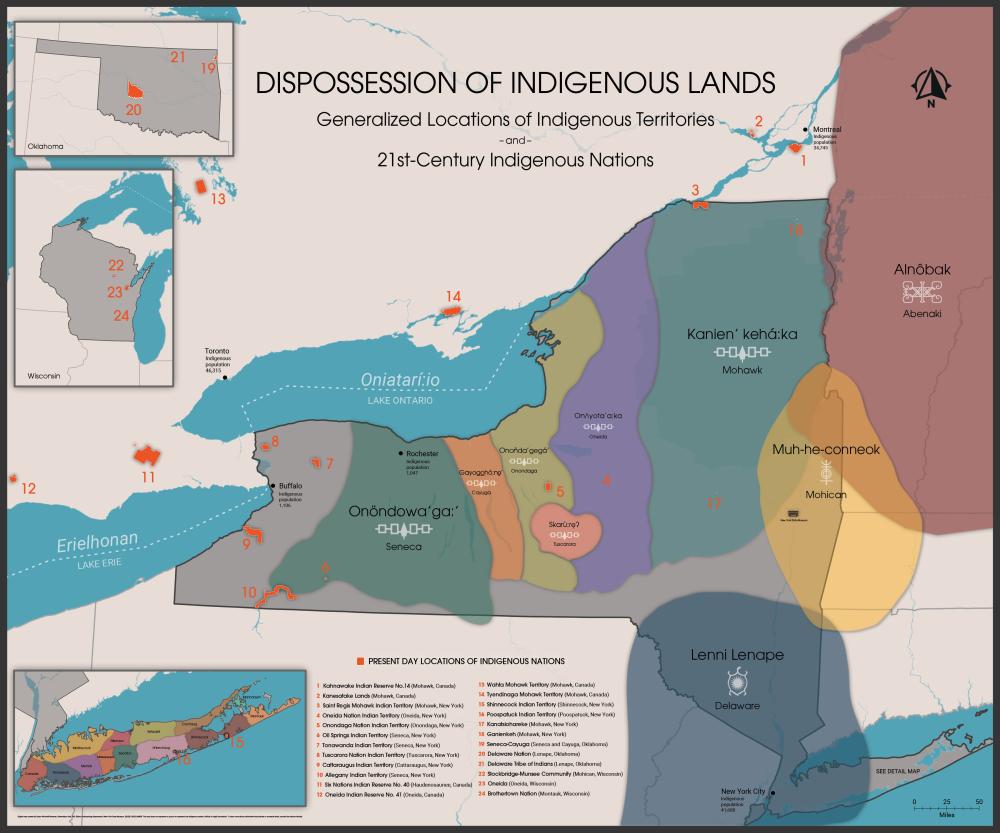
- Oral Histories and Place Names: Every river bend, every fishing hole, every hunting ground has a name, a story, a history of use and significance. These narratives encode crucial information about safe passage, seasonal resources, and environmental hazards.
- Seasonal Calendars: Passed down through generations, these calendars track the precise timing of ice formation and break-up, animal migrations, plant blossoming, and berry harvests. They are intricate predictions of the future based on meticulous observation of the past.
- Ice Knowledge: For Arctic communities, sea ice and river ice are not just frozen water; they are highways, hunting platforms, and protective barriers. Indigenous knowledge includes an unparalleled understanding of ice thickness, stability, currents, and safe travel routes – a complex, multi-dimensional map of a constantly changing surface.
- Animal Behavior: The movement patterns, health, and abundance of animals like caribou, salmon, seals, and whales are integral to these maps, indicating where and when to hunt, fish, or gather.
- Weather Patterns: Generations of observation have created sophisticated understandings of local microclimates, wind patterns, and storm predictability, crucial for survival in a harsh environment.
These "maps" are not static; they are living, evolving documents held in the collective memory of the community, constantly updated with new observations, yet deeply rooted in ancestral wisdom. They are the ultimate guidebooks for survival and cultural continuity.
Climate Change: Rewriting the Indigenous Map
The profound tragedy unfolding in places like the Yukon-Kuskokwim Delta is that these ancient, reliable maps are now being rewritten at an unprecedented, alarming pace. The very parameters that have defined life here for millennia are shifting, often with devastating consequences.
- Permafrost Thaw: The most visible and immediate impact. Homes, schools, and essential infrastructure built on permafrost are sinking, cracking, and collapsing. Sewage and water lines break. The land itself becomes unstable, forcing communities like Newtok and Shishmaref to plan agonizing, costly relocations. This isn’t just an engineering problem; it’s a cultural one. Burial grounds are exposed, historical sites are lost, and the very ground that anchors identity is eroding. The map of "safe ground" is shrinking.
- Diminishing Sea Ice and River Ice: This is perhaps the most critical change. The ice season is shorter, the ice is thinner, and its formation is less predictable. This impacts:
- Travel and Safety: Traditional routes across frozen rivers and the Bering Sea become treacherous or impassable, isolating communities and endangering hunters. The map of "safe passage" is now riddled with unseen dangers.
- Hunting: Access to seals, walrus, and polar bears – vital food sources – is severely limited. Hunters can no longer reach traditional grounds or rely on the ice as a stable platform. The map of "sustenance" is being redrawn.
- Coastal Erosion: Without the protective barrier of sea ice, coastal villages are battered by storm surges, leading to rapid erosion and the loss of land, homes, and cultural sites. The literal coastline on the map is receding.
- Changing Animal Migrations and Health: The timing and routes of caribou, salmon, and migratory birds are becoming erratic. Warmer waters affect salmon runs, while changes in ice impact marine mammal populations. Predators like polar bears, unable to hunt seals from ice, are forced inland, leading to increased human-wildlife conflicts. The map of "food security" is becoming increasingly unreliable.
- New Species and Ecosystem Shifts: As the Arctic warms, new species from southern latitudes are moving north, altering the delicate balance of the ecosystem. Indigenous elders observe plants blooming at unusual times, or animals appearing where they’ve never been seen before. This introduces unknowns into an environment that has historically been predictable. The ecological map is becoming cluttered with unfamiliar markers.
- Increased Extreme Weather: While warming, the region also experiences more intense and unpredictable storms, causing flooding and further exacerbating erosion and infrastructure damage.
These aren’t abstract scientific concepts here; they are daily realities. They are the stories shared around kitchen tables, the worries etched on the faces of elders, and the challenges faced by young hunters trying to navigate an increasingly unfamiliar world.
Bridging Worlds: Traditional Knowledge Meets Modern Science
What makes this region so compelling for a traveler seeking to understand climate change is not just the observation of impacts, but the incredible resilience and adaptive capacity of Indigenous communities. They are not merely passive victims; they are active agents in understanding and responding to these changes.
Here, the ancient "maps" are not being discarded, but rather integrated with modern scientific tools. Communities are engaging in:
- Community-Based Monitoring: Local observers, armed with generations of traditional ecological knowledge, record changes in ice conditions, wildlife populations, and weather patterns. Their observations provide invaluable, hyper-local data that often predates and complements Western scientific records.
- Collaborative Mapping Projects: Indigenous groups are partnering with universities and government agencies to create new maps that layer traditional place names, historical observations, and oral histories with satellite imagery, GPS data, and scientific measurements. These hybrid maps offer a holistic understanding that neither discipline could achieve alone. They are living atlases, reflecting both the wisdom of the past and the realities of the present.
- Relocation Planning: For communities facing imminent threat, the painful process of relocation is underway. This involves not just moving buildings, but painstakingly "re-mapping" their entire lives – finding new hunting grounds, adapting to new environments, and ensuring the continuity of cultural practices in a new location. It is a testament to their enduring spirit, but also a stark reminder of the immense cost of climate inaction.
A Traveler’s Role: Beyond Tourism
Visiting this region, even virtually through shared stories and images, transforms the abstract concept of climate change into a tangible, human experience. For the ethical traveler, this means moving beyond typical tourism.
- Listen and Learn: Engage respectfully with local communities, listen to their stories, and seek to understand their perspectives. Many Indigenous organizations and cultural centers offer opportunities for learning, often through local guides who can share invaluable insights.
- Support Indigenous Initiatives: Seek out and support Indigenous-led tourism ventures, arts, and crafts, ensuring that your presence directly benefits the communities you visit.
- Become an Advocate: Armed with a deeper understanding of the human and cultural dimensions of climate change, become an informed advocate for Indigenous rights, climate justice, and sustainable practices in your own life.
- Respect the Land: Understand that this is not just a scenic wilderness, but a living landscape infused with deep cultural significance. Tread lightly, respect local customs, and leave no trace.
The Horizon’s End: A Future Reimagined
My journey to Alaska’s Indigenous lands wasn’t just a review of a place; it was a profound lesson in resilience, adaptation, and the enduring power of human connection to the land. The "maps" of the Yup’ik and Cup’ik peoples, etched into their memories and passed down through generations, are now being altered by forces beyond their control. Yet, their response is not one of despair, but of active engagement – weaving their ancient wisdom with modern tools to chart a path forward.
This region is a critical destination for anyone seeking to truly grasp the gravity of our climate crisis. It shows us that climate change isn’t just about melting ice caps or rising sea levels; it’s about the erosion of cultures, the loss of ancient knowledge, and the profound human cost of environmental disruption. But it also reveals the incredible strength and adaptability of Indigenous communities, who, by continuing to read and rewrite their living maps, offer invaluable lessons for us all in navigating an uncertain future. To travel here is to witness the frontline of climate change, guided by the most profound cartographers on Earth. It is a journey that will forever change your understanding of our planet and its people.

