Beyond the Gold Lode: Tracing Indigenous Footprints in California’s Gold Rush Country
The California Gold Rush, a seismic event that reshaped a continent, is typically recounted as a tale of ambition, discovery, and rugged individualism. We picture grizzled prospectors, burgeoning boomtowns, and fortunes forged in riverbeds. Yet, this familiar narrative, etched into our collective memory, overlooks a profound and devastating chapter: the Gold Rush from the perspective of California’s Indigenous peoples. For them, it was not a rush to riches, but an invasion, a cataclysm, and the beginning of an enduring struggle for survival.
As travelers, we often seek the picturesque, the monumental, the stories that affirm a grand vision of progress. But a truly enriching journey invites us to look deeper, to listen to the whispers of the land, and to understand the layered histories that define a place. My recent exploration of California’s Gold Rush country was precisely this – an attempt to move beyond the glittering mythology and engage with the "maps" of impact drawn not by surveyors and prospectors, but by the Indigenous communities whose lives were irrevocably altered. This isn’t a review of a single museum exhibit, but an invitation to journey through a landscape steeped in a hidden history, a living testament to resilience and remembrance.
The Unseen Cartography: What are "Native American Maps" of the Gold Rush?
When we speak of Native American "maps" in this context, we are not primarily referring to parchment and ink, but to a sophisticated, multi-dimensional cartography of knowledge, memory, and spiritual connection. Before the influx of Argonauts in 1848, California was home to perhaps 300,000 Indigenous people, speaking over 100 distinct languages. Their "maps" were embedded in oral traditions, songlines, sacred sites, petroglyphs, and an intricate understanding of the land’s resources – where the salmon ran, the acorn groves flourished, the medicinal plants grew, and the ancestral trails wound through mountains and valleys. These were maps of sustainable living, cultural identity, and deep-seated belonging.
The Gold Rush, however, superimposed a new, brutal set of maps. These were maps of claim stakes, mining districts, hastily drawn property lines, and routes of conquest. From the Indigenous perspective, these new maps charted not discovery, but destruction; not prosperity, but profound loss. To truly grasp the Gold Rush’s impact, one must learn to read these unseen maps of displacement, violence, environmental devastation, and ultimately, incredible endurance.
Ground Zero: The Sierra Nevada Foothills – A Landscape of Contradictions
My journey began in the Sierra Nevada foothills, a region that embodies this historical contradiction. Towns like Coloma, Placerville, and Sonora, bustling with tourists recreating the 19th-century boom, sit atop ancestral lands of the Miwok, Maidu, Yokuts, and other Indigenous nations. As you hike through these rolling hills, past remnants of old mining operations, it’s crucial to understand that every river, every mountain peak, every valley held significance long before gold was ever discovered.

Consider the South Fork of the American River, where James Marshall first found gold. For the Nisenan (Southern Maidu) people, this river was a lifeline, providing salmon and a pathway to their traditional territories. The "discovery" that ignited the Gold Rush was, for them, an invasion of their sacred waterways. Their "maps" would have shown the prime fishing spots, the seasonal migrations, the places of spiritual reverence along the river. The miners’ maps, in contrast, focused on gold deposits, access points, and claims. The clash was not merely economic; it was existential.
The Map of Devastation: Ecological and Human Catastrophe
The environmental impact of the Gold Rush, particularly hydraulic mining, left an indelible mark – a physical "map of destruction" visible even today. Rivers were diverted, hillsides were washed away, and tons of sediment choked downstream ecosystems. Mercury, used to separate gold from ore, poisoned waterways, accumulating in the food chain. For Indigenous communities whose sustenance was inextricably linked to the health of the land and water, this was a catastrophe.
Their traditional "maps" of resource availability were rendered useless. Salmon runs, a dietary staple for millennia, plummeted. Acorn groves, meticulously managed and harvested, were destroyed or rendered inaccessible. Hunting grounds were overrun. This wasn’t just a loss of food; it was a tearing of the cultural fabric, a disruption of ceremonies and practices tied to the land’s rhythms. The land itself, once a benevolent provider, became hostile, its "map" scarred by foreign greed.
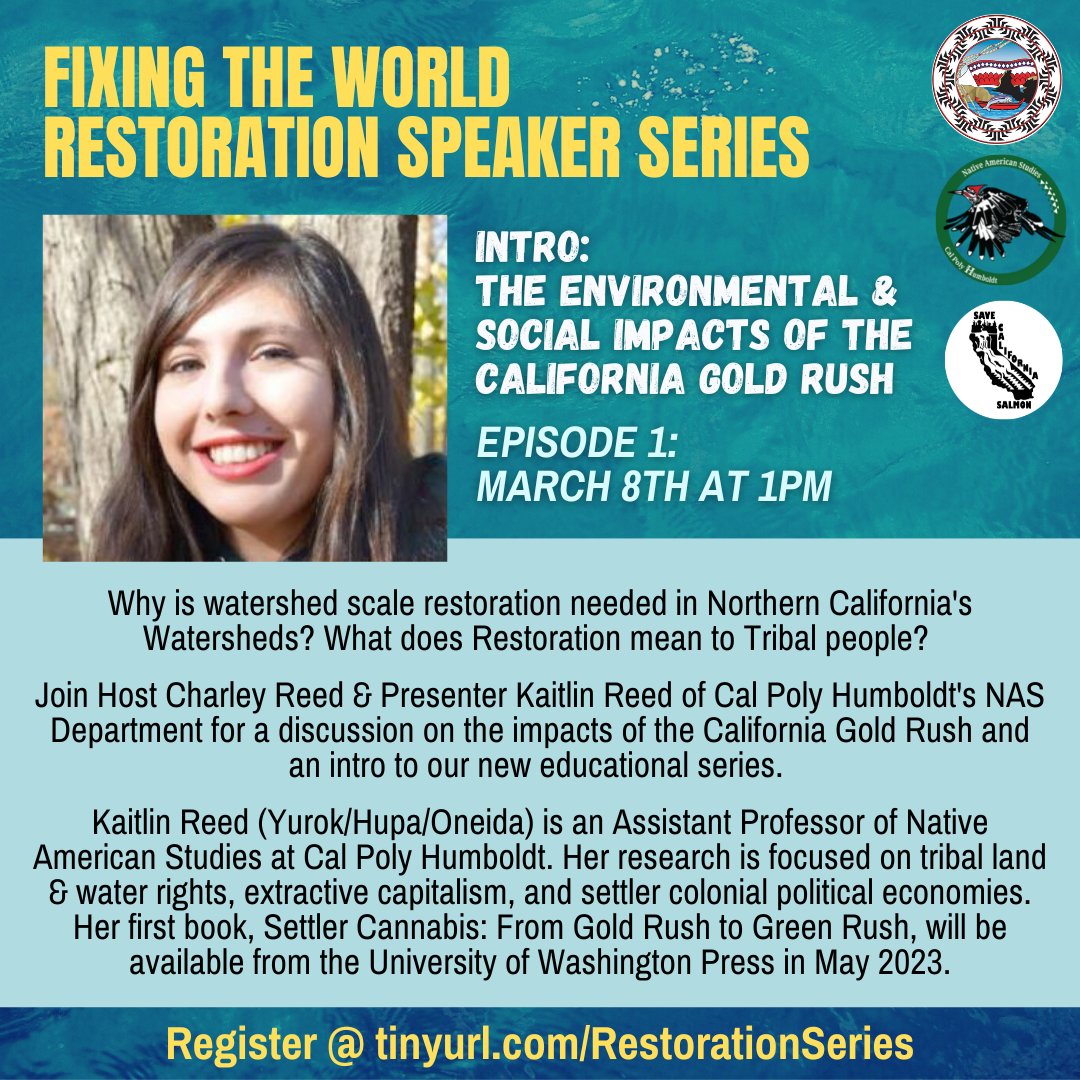
Beyond the ecological, there was the human cost. The Gold Rush triggered an era of state-sponsored violence, massacres, and forced displacement targeting Indigenous Californians. Estimates suggest the Indigenous population plummeted by 80-90% within two decades. Treaties were negotiated and then swiftly abandoned by the US government, leaving tribes without land or legal protection. The "maps" of this era, from an Indigenous perspective, were maps of terror: routes of escape, hidden refuges, sites of massacre, and the forced marches to nascent reservations. These are the brutal "roads" often omitted from the romanticized histories.
Reading the Landscape Today: Sites of Remembrance and Resilience
To truly engage with these unseen maps, a traveler must actively seek out sites of remembrance and education. While the physical maps may be elusive, their legacy is not.
-
California State Indian Museum (Sacramento): This museum offers an essential starting point. It presents Indigenous history and culture through the voices of California’s Native peoples, including exhibits that directly address the Gold Rush’s devastating impact. It’s a place to understand the depth of pre-contact culture and the scale of what was lost.

-
Maidu Museum & Historic Site (Roseville): Just northeast of Sacramento, this site provides a more localized and intimate look at the Nisenan Maidu people. With petroglyphs, village sites, and interpretive trails, it helps visitors connect with the land as it was before the Gold Rush, and understand the ongoing efforts of cultural preservation. Here, the land itself becomes a map of ancestral presence and enduring spirit.
-
Yosemite National Park (and surrounding areas): While not a "Gold Rush" park in the same vein as some others, Yosemite is critical. The Yosemite Valley was home to the Ahwahneechee people (a Southern Sierra Miwok group) for thousands of years. The "Mariposa Indian War" and subsequent forced removal of these people in the early 1850s was a direct consequence of the Gold Rush expansion, as miners and settlers pushed deeper into Indigenous territories.
- Yosemite Museum & Indian Cultural Center: This often-overlooked gem within the park provides invaluable insight into the traditional life of the Ahwahneechee. It presents their story, their deep connection to the land, and the devastating impact of Euro-American encroachment. Walking through the reconstructed village, you begin to appreciate the intricate "maps" of resource management and spiritual reverence that guided their lives in this magnificent valley.
- Hikes and Trails: As you hike to iconic viewpoints like Inspiration Point or through the Valley floor, remember that these were not "discovered" but were long-established hunting grounds, gathering sites, and ceremonial places. The trails you walk often follow ancient Indigenous paths. Imagine the shock and horror of the Ahwahneechee watching foreign invaders stake claims and disrupt their sacred home.
-
Chaw’se Indian Grinding Rock State Historic Park (near Jackson): This park features the largest collection of bedrock mortars in North America, carved by the ancestors of the present-day Miwok people. These grinding rocks are a physical "map" of daily life, community gathering, and sustained habitation stretching back thousands of years. Visiting here brings home the continuity of Indigenous life that was so violently interrupted by the Gold Rush.
Decolonizing the Gaze: A Call to Responsible Travel
Visiting these locations isn’t just about absorbing facts; it’s about shifting perspective. It’s about decolonizing our gaze and recognizing that the narrative we’ve inherited is often incomplete, if not entirely skewed. For the modern traveler, this means:
- Seeking Indigenous Voices: Actively look for museums, cultural centers, and tours guided by Indigenous people. Support their businesses and initiatives.
- Acknowledging Traditional Lands: Learn whose ancestral lands you are visiting. Many organizations and apps can help you identify this.
- Understanding the Impact: Research the specific effects of the Gold Rush on the local Indigenous communities. It wasn’t a monolithic experience.
- Respecting Sacred Sites: Treat all natural and historical sites with profound respect. Remember that many places hold deep spiritual significance for Indigenous peoples.
- Looking Beyond the Surface: Challenge yourself to see beyond the tourist facade. The beauty of the Sierra Nevada is undeniable, but it holds scars that tell a powerful story.
This journey into California’s Gold Rush country, seen through the lens of Indigenous "maps," is not a comfortable one. It challenges our assumptions and confronts us with uncomfortable truths about a foundational moment in American history. Yet, it is an essential journey for any traveler seeking a deeper, more authentic understanding of place. The Gold Rush was indeed a powerful force, but its true legacy is not just the gold it yielded, but the profound, often tragic, transformation of a vibrant, ancient world. By seeking out these unseen maps, we honor the resilience of California’s first peoples and contribute to a more complete, truthful understanding of our shared past. This is a journey that changes not just your view of a landscape, but your understanding of history itself.

