
Ancient Blueprints: Unearthing Pueblo Irrigation Genius at Chaco Culture National Historical Park
The New Mexico desert holds secrets etched into its sandstone cliffs and vast, silent plains. For the intrepid traveler, it offers more than just scenic vistas; it presents a profound journey into the ingenuity of humanity. While many associate the Ancestral Puebloans with their magnificent cliff dwellings or great houses, the true marvel, often unseen but ever-present, lies in their mastery of water. It’s a testament to an intricate understanding of their environment – a sophisticated, living "map" of irrigation systems that sustained a complex civilization in one of North America’s most arid regions.
My recent pilgrimage to Chaco Culture National Historical Park wasn’t just a visit to ancient ruins; it was an immersion into a landscape where every contour, every dry wash, and every seasonal rain shower was once meticulously accounted for, planned, and utilized. If you seek to truly understand the spirit of innovation and resilience, Chaco Canyon is not merely a destination; it’s a profound classroom, teaching lessons from a civilization that mapped its very survival through water.
The Journey into the Heart of Ingenuity

Reaching Chaco Canyon is, in itself, an experience that sets the tone. Located far off the beaten path, the drive involves miles of unpaved, often washboard roads. This isolation, however, is part of its magic. As the modern world recedes in your rearview mirror, replaced by vast horizons and the occasional juniper tree, a sense of anticipation builds. You are entering a sacred space, a place where time seems to fold in on itself, preparing you for the revelations that await.
Upon arrival, the sheer scale of the great houses—Pueblo Bonito, Chetro Ketl, Kin Kletso—is immediately striking. These monumental structures, built with millions of hand-cut sandstone blocks, stand as silent sentinels of a thriving past. But to truly appreciate Chaco, one must look beyond the imposing architecture to the very lifeblood that allowed such a civilization to flourish: water. In this high desert, where rainfall is scarce and unpredictable, the Ancestral Puebloans didn’t just build homes; they engineered an entire landscape.
The Unseen Maps: Chaco’s Water Management Masterpiece
The genius of the Ancestral Puebloans at Chaco lies in their ability to "map" their environment in a way that goes far beyond simple cartography. Their "maps" were not drawn on paper or carved into stone in the way we understand them today. Instead, they were intricate, conceptual blueprints woven into their collective knowledge, passed down through generations, and manifested in the very infrastructure of their society. This was a living, dynamic map of hydrology, topography, and meteorology, guiding every decision related to survival.
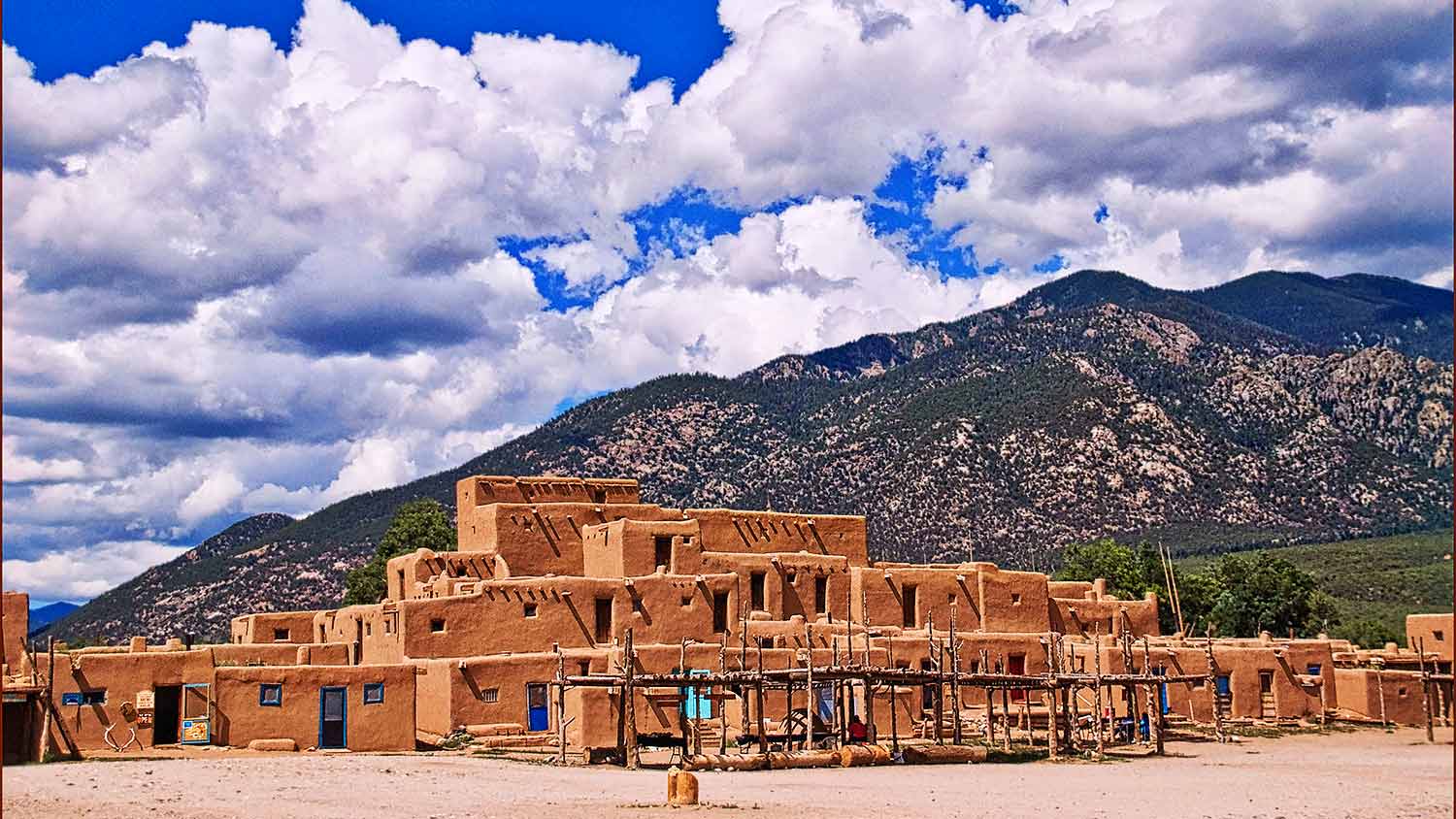
Chaco Canyon itself is a broad, shallow canyon carved by the ephemeral Chaco Wash, flanked by mesas that rise steeply on either side. In this seemingly inhospitable environment, the Ancestral Puebloans developed sophisticated water control systems that are nothing short of astounding. They understood the power of flash floods, not as a destructive force, but as a resource to be harnessed.
Evidence of these systems is subtle but pervasive once you know what to look for. Along the base of the north mesa, for instance, you can discern remnants of diversion dams and canals. These features were designed to capture runoff from the mesa tops during summer thunderstorms, directing precious water away from the main wash and into agricultural fields located around the great houses. Imagine the detailed observation required to predict the paths of these torrents, the engineering skill to build structures that could withstand their force, and the communal effort to maintain them.
Further evidence points to check dams built across smaller side washes, slowing down water flow, allowing it to percolate into the soil, and creating small, fertile plots for farming. Reservoirs, some stone-lined, were also constructed to store water for domestic use and irrigation during drier periods. The most impressive examples, like the large basin at Chetro Ketl, show a clear intent to manage water on a grand scale, suggesting a coordinated, community-wide effort that required immense planning and oversight.
This wasn’t random construction; it was a deeply integrated system, a grand plan based on a profound understanding of their landscape. Their "map" was an intuitive, empirical knowledge of where water would flow, how much could be collected, and how it could be distributed most efficiently to sustain a population that numbered in the thousands. It was a spatial intelligence that saw the entire canyon as a network of resources, all interconnected and meticulously managed.

Exploring the Sites: Where Water Met Stone and Soil
As you walk the trails of Chaco, you begin to see the landscape through the eyes of its ancient inhabitants.
- Pueblo Bonito: The crown jewel of Chaco, Pueblo Bonito, reveals more than just its iconic D-shape and multiple kivas. Its complex internal drainage systems, designed to channel rainwater away from the structure and potentially into collection points, speak volumes about water consciousness even within domestic architecture. Standing in its vast plaza, you can almost visualize the fields that once surrounded it, fed by carefully managed water.
- Chetro Ketl: East of Pueblo Bonito, Chetro Ketl offers some of the most visible evidence of large-scale water diversion. The large stone-lined basin, often referred to as a "great kiva" but possibly a massive water reservoir, points to a clear intent to store and manage water for a significant population. Nearby, subtle depressions and alignments hint at the former paths of canals that brought water from the northern mesa.
- Una Vida and Hungo Pavi: Even at these slightly less-visited great houses, the principles of water management are evident. At Una Vida, the proximity to a natural rock shelter and evidence of terracing suggest localized water harvesting. Hungo Pavi, strategically located near a major wash, would have relied on similar techniques to control and utilize floodwaters.
- The Chacoan Roads: While primarily seen as transport routes, some archaeologists speculate that the famous Chacoan roads, radiating out from the canyon for miles, might have also played a role in guiding or influencing water flow, or at least provided efficient access to areas for water collection and farming. This speaks to an even larger, regional "map" of resources and interconnectedness.
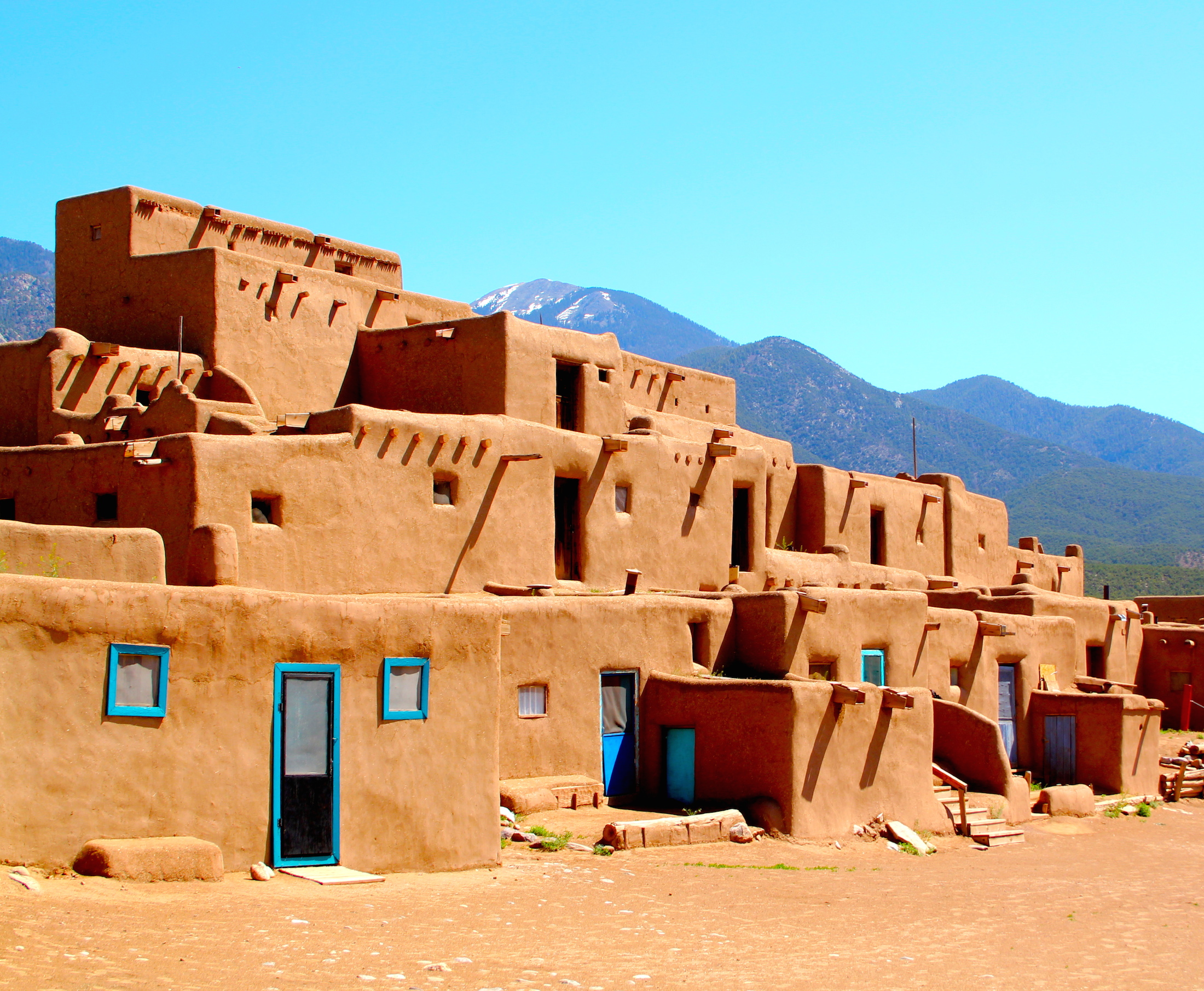
Every archaeological feature, every subtle alteration of the natural environment, points to a civilization deeply entwined with the challenge and promise of water. The sheer scale and precision of these systems—built without metal tools, surveying equipment, or beast of burden—demand immense respect. It required not only engineering prowess but also a profound social cohesion and leadership to coordinate such massive undertakings.
Lessons from the Desert: Chaco’s Enduring Legacy
Visiting Chaco is more than just appreciating ancient ruins; it’s a profound lesson in sustainability, community, and the human capacity to adapt. The Ancestral Puebloans faced environmental challenges that resonate deeply with our modern world: unpredictable climate, periods of prolonged drought, and the need to sustain a growing population with limited resources. Their "maps" of irrigation systems weren’t just about survival; they were about thriving for centuries.
The eventual decline of Chaco Canyon, likely due to a combination of prolonged drought and unsustainable resource use, offers a poignant reminder of the delicate balance between human ambition and environmental limits. Yet, for nearly 300 years, this civilization flourished, largely due to its ingenious approach to water. Their legacy is not one of failure, but of remarkable success, a testament to what can be achieved with deep environmental understanding and communal effort.
For the modern traveler, Chaco offers a chance to reflect on our own relationship with the environment. In an era of increasing water scarcity and climate change, the ancient wisdom of the Pueblo peoples, embodied in their invisible "maps" of irrigation, provides valuable insights into resilience and sustainable living. It encourages us to look beyond immediate needs and consider the long-term, integrated health of our landscapes.
Planning Your Pilgrimage: Travel Tips for Chaco
A visit to Chaco requires preparation, but the rewards are immeasurable.
- Remote Location: Be aware that Chaco is remote. The final 13-20 miles (depending on your approach) are unpaved. Check road conditions before you go, especially after rain. A high-clearance vehicle is recommended, though not strictly necessary in dry conditions.
- Supplies: There are no services within the park (no food, water, or gas). Bring plenty of water, snacks, and any other necessities.
- Accommodation: Camping is available at Gallo Campground, but spaces are limited and fill up quickly. Reservations are highly recommended. Alternatively, plan for a long day trip from Farmington, Gallup, or Albuquerque.
- Best Time to Visit: Spring and fall offer the most pleasant temperatures for hiking. Summer can be very hot, with afternoon thunderstorms (which, ironically, bring the very water the Ancestral Puebloans sought to harness). Winter can be cold, but offers stark beauty and fewer crowds.
- Respect the Site: Chaco is a sacred place for many Pueblo peoples. Stay on marked trails, do not climb on structures, and leave no trace.
- Visitor Center: Start your visit at the visitor center for maps, information, and ranger programs.
Conclusion: A Map to the Human Spirit
Chaco Culture National Historical Park is not just a collection of ancient ruins; it is a profound lesson in human ingenuity, resilience, and the deep connection between a people and their environment. To walk among these great houses, to trace the faint lines of ancient canals, and to stand in the shadow of the mesa where precious rainwater was once diverted, is to connect with a timeless wisdom.
The "maps" of irrigation systems created by the Ancestral Puebloans are invisible to the eye, yet they are palpably present in the landscape itself. They speak of a sophisticated understanding of the land, a communal spirit, and an unwavering determination to thrive against the odds. It is a journey that will not only deepen your appreciation for history and archaeology but also inspire a renewed respect for the intricate dance between humanity and nature. Chaco Canyon invites you not just to see, but to understand, to feel, and to carry forward the lessons of a civilization that mapped its very existence with water.

