To truly understand Vermont, one must first look beyond its modern political boundaries and delve into the ancient, enduring landscape known as N’dakinna – the traditional homeland of the Abenaki Nation. This article explores the profound historical, cultural, and identity-based significance of the Abenaki traditional lands map in Vermont, offering a lens through which travelers and history enthusiasts can engage with the state’s deeper narrative.
I. N’dakinna: A Living Map Beyond Lines on Paper
The Abenaki map of Vermont isn’t a static document of lines and colors, but a dynamic tapestry woven from rivers, mountains, forests, and lakes that have sustained the Abenaki people for over 12,000 years. N’dakinna, meaning "our land" in the Abenaki language (Alnôbaíwi), historically encompasses not only present-day Vermont but also parts of New Hampshire, Maine, New York, and southern Quebec. For the Abenaki, the land is not merely property but a living relative, imbued with spirit, memory, and identity.
In Vermont, N’dakinna centers around three crucial geographical features: the vast expanse of Lake Champlain (Pitawbagok, "between waters"), the spine of the Green Mountains (Kihiganak), and the powerful Connecticut River (Kwenitekw, "long tidal river"). These features dictated seasonal movements, hunting grounds, fishing locations, and gathering sites, forming the very infrastructure of Abenaki life. Unlike European concepts of land ownership with fixed boundaries, Abenaki territoriality was defined by resource use, kinship ties, and shared responsibility. Their map was an intricate mental and oral tradition, passed down through generations, detailing trails, portages, sacred sites, and prime locations for moose, deer, bear, fish, and the indispensable maple sugar.

II. Pre-Contact Abenaki Life: Harmony and Sustenance
Before European arrival, Abenaki society in what is now Vermont was highly sophisticated, characterized by a deep ecological knowledge and a sustainable way of life. They were semi-nomadic, adapting their settlements to the rhythm of the seasons. Spring brought them to river valleys and lake shores for fishing, planting corn, beans, and squash, and harvesting maple sap. Summer saw them tending their gardens and gathering berries and medicinal plants. Autumn was a time for harvesting crops and moving into the forests for hunting moose, deer, and bear. Winter found them in smaller family groups in sheltered valleys, living off stored provisions and winter hunting.
Their homes, known as wigwams, were easily constructed and dismantled, reflecting their mobile lifestyle. Birchbark canoes were essential for navigating the extensive network of rivers and lakes, forming ancient highways that connected communities. Socially, Abenaki people were organized into bands, often identified by their geographical location (e.g., Missisquoi, Koasek, Sokoki). These bands were interconnected through kinship, trade, and shared governance structures, with sachems (leaders) guided by consensus and wisdom, not authoritarian power. Spirituality was deeply interwoven with the land, recognizing the sacredness in all living things and the interconnectedness of the natural world. This profound connection to N’dakinna formed the bedrock of their identity, language, ceremonies, and oral traditions.
III. The Cataclysm of Contact and Colonial Dispossession
The arrival of Europeans fundamentally shattered the Abenaki world. First came the French in the early 17th century, bringing with them trade goods like metal tools and firearms, but also devastating diseases like smallpox, which decimated Abenaki populations. The Abenaki found themselves caught in the escalating imperial rivalries between the French and the British. N’dakinna became a strategic frontier, a battleground where Abenaki people were forced to choose sides, often aligning with the French against the encroaching British who sought permanent settlements and agricultural expansion, a stark contrast to the French fur trade interests.
The French and Indian War (1754-1763) and the subsequent American Revolution (1775-1783) were catastrophic for the Abenaki. They fought valiantly to protect their lands and way of life, but the superior numbers and military technology of the colonizers, coupled with continuous waves of disease, led to immense losses. Many Abenaki were forced to flee northward to communities like Odanak (St. Francis) in Quebec, becoming refugees in their own ancestral territory. Those who remained in Vermont often lived "underground," hiding their Indigenous identity to avoid persecution, forced removal, and the violence of the "scalp bounties" placed on their heads by colonial governments.
The post-Revolutionary period saw a rapid influx of Euro-American settlers into Vermont, enabled by land speculation and government policies that deliberately ignored Abenaki land claims. Vermont was carved up into townships and sold off, often with the false premise that the land was "empty" or "wilderness." This erasure of Abenaki presence was a deliberate act of historical revisionism, contributing to the pervasive myth of the "vanishing Indian." The Abenaki, however, did not vanish. They persisted, maintaining their cultural practices in secret, passing down their language and traditions through generations, often in isolated pockets of N’dakinna.
IV. Survival, Resilience, and Reassertion: Abenaki in Modern Vermont
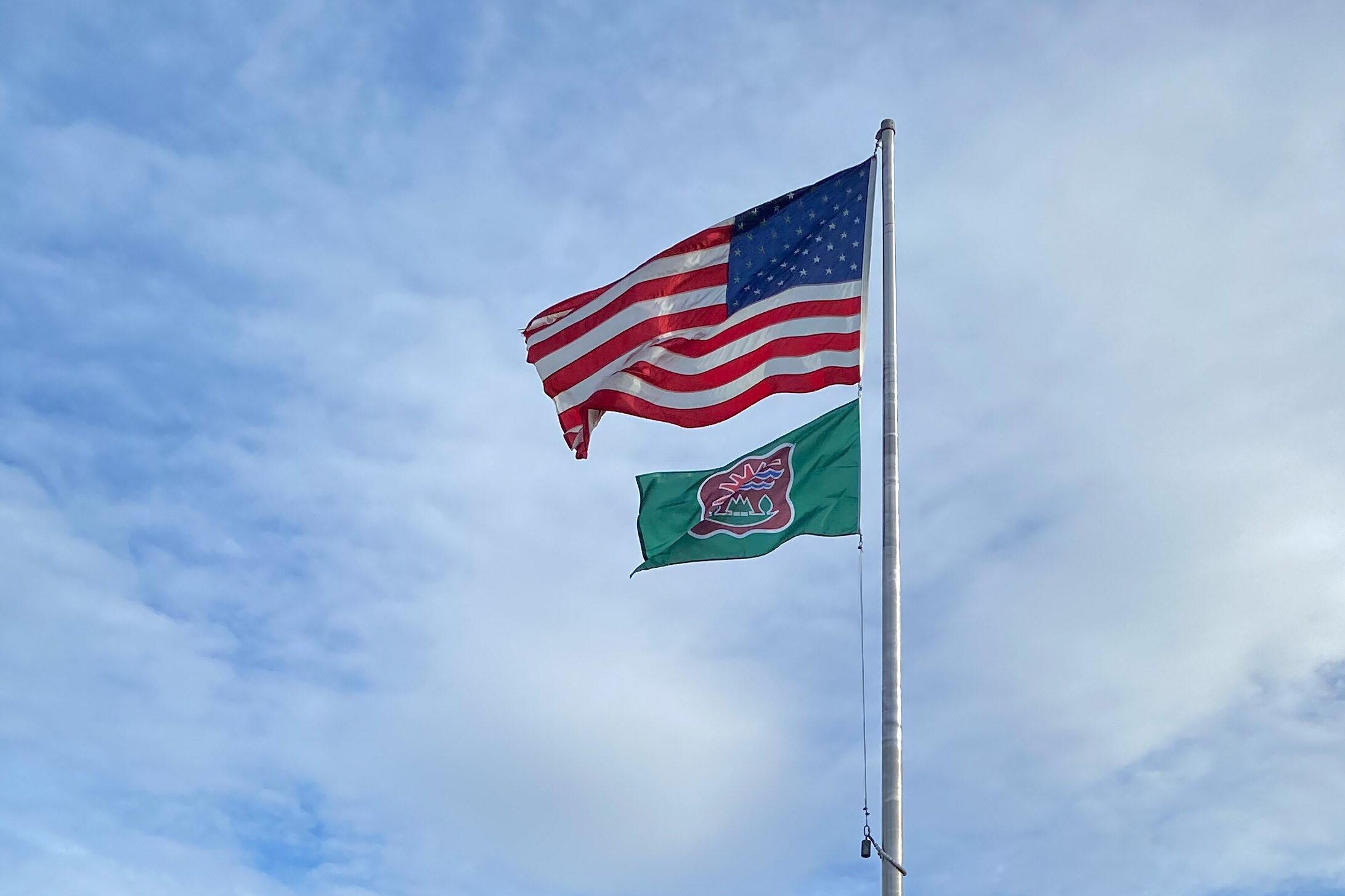
Despite centuries of systemic oppression, forced assimilation, and the denial of their existence, the Abenaki people of Vermont demonstrated extraordinary resilience. In the late 20th and early 21st centuries, a powerful movement for cultural revitalization and political recognition gained momentum. Abenaki individuals and communities, who had preserved their heritage against immense odds, began to reassert their identity and reclaim their rightful place in Vermont’s history and present.
This culminated in significant achievements, notably the official state recognition of four Abenaki tribes in Vermont:
- The Nulhegan Band of the Coosuk Abenaki Nation: Recognized in 2011, their traditional lands are primarily in the Northeast Kingdom, focusing on environmental stewardship and cultural preservation.
- The Elnu Abenaki Tribe: Recognized in 2011, their traditional lands are in the southeastern part of Vermont, particularly along the Connecticut River valley, emphasizing traditional arts and language.
- The Koasek Traditional Band of the Koas Abenaki Nation: Recognized in 2012, their traditional territory spans the Upper Connecticut River Valley, focusing on cultural education and community building.
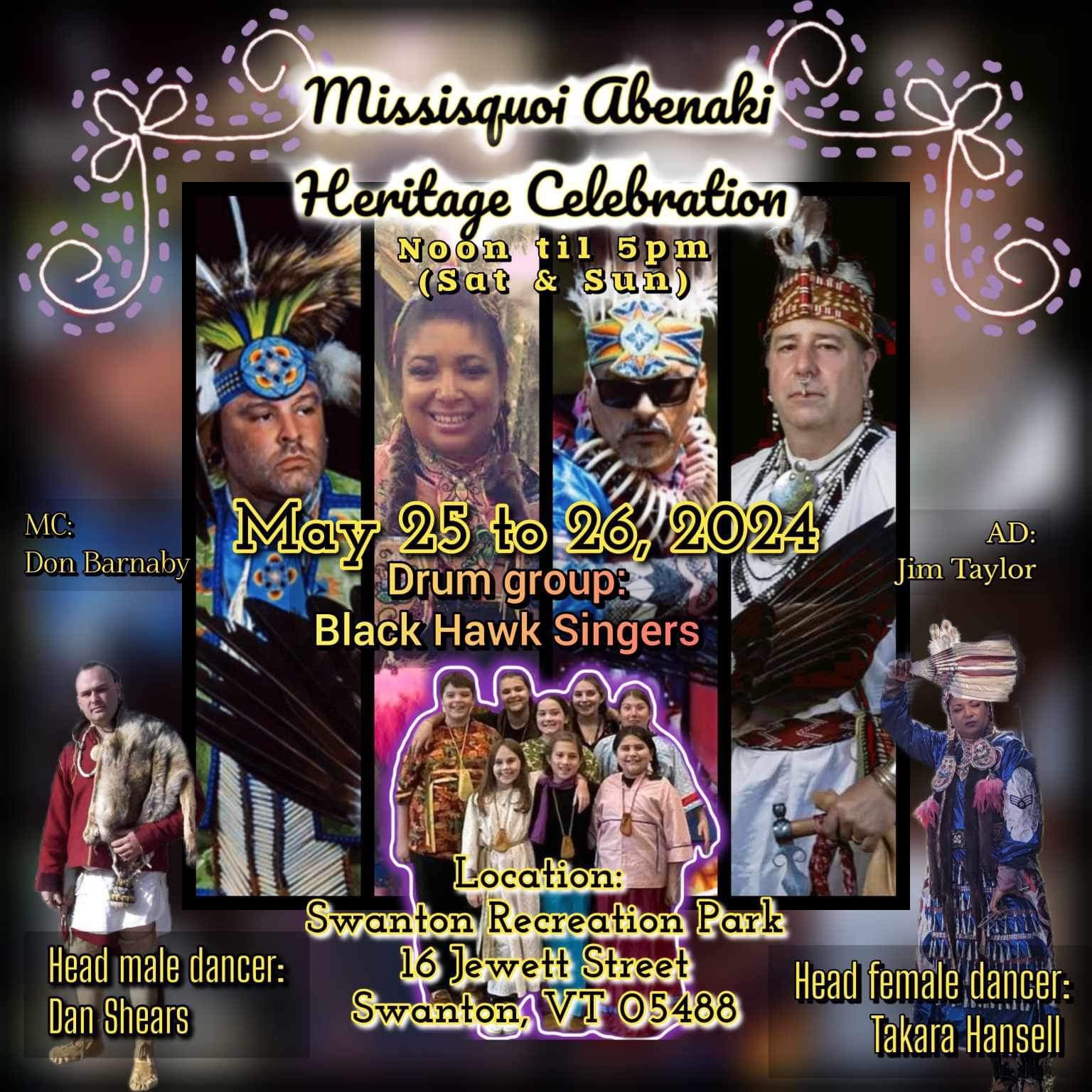
- The Abenaki Nation of Missisquoi: Recognized in 2012, their historical center is around Swanton, Vermont, near the Missisquoi River and Lake Champlain, where they have maintained a continuous presence for millennia.

These recognitions are not just symbolic; they are vital steps towards rectifying historical injustices, enabling tribes to access federal and state resources for cultural preservation, education, economic development, and health services. They also provide a legal framework for the tribes to assert their sovereign rights and engage in government-to-government relations.
V. Reading the Abenaki Map Today: Identity and Cultural Revival
Today, the Abenaki traditional lands map in Vermont is more than a historical artifact; it is a living blueprint for cultural revival and identity. Abenaki people are actively engaged in:
- Language Revitalization: Efforts are underway to teach Alnôbaíwi to younger generations, recognizing language as a key to cultural continuity and understanding their worldview.
- Traditional Arts and Crafts: Abenaki artists are reviving ancient skills in basket weaving, beadwork, wampum creation, and birchbark crafting, connecting contemporary Abenaki to their ancestors.
- Environmental Stewardship: Abenaki knowledge of N’dakinna is invaluable for addressing contemporary environmental challenges. Their traditional ecological practices offer sustainable solutions for land and water management, promoting biodiversity and ecosystem health. Many tribes are actively involved in land conservation efforts and advocating for Indigenous perspectives in environmental policy.
- Education and Outreach: Abenaki communities are working tirelessly to educate the public about their true history, challenging stereotypes, and promoting a more accurate understanding of Vermont’s past and present. Land acknowledgments, once rare, are becoming more common, recognizing the enduring presence of Indigenous peoples.
- Ceremonies and Gatherings: Traditional ceremonies and social gatherings are being revitalized, strengthening community bonds and reaffirming cultural identity.
The concept of N’dakinna reinforces that Abenaki identity is inextricably linked to the land. It’s a connection that transcends modern borders and political divisions, rooting Abenaki people in a profound sense of belonging and heritage that has endured for millennia.
VI. For the Traveler and History Enthusiast: Engaging Respectfully
For those who travel to Vermont, understanding the Abenaki traditional lands map offers a richer, more profound experience. It transforms a scenic landscape into a living history book, inviting deeper reflection and respectful engagement.
- Acknowledge and Learn: Before visiting, research which Abenaki traditional territories you will be on. Seek out resources from the recognized Abenaki tribes of Vermont to learn about their history, culture, and current initiatives. Many tribal websites offer educational materials.
- Support Abenaki Businesses and Artists: Seek out and support Abenaki-owned businesses, art galleries, and cultural centers. This directly contributes to the economic well-being and cultural revitalization efforts of the tribes.
- Visit Cultural Centers: Consider visiting places like the Abenaki Cultural Center in Swanton (Abenaki Nation of Missisquoi) or other tribal events and public programs when available. These offer direct insights into Abenaki culture and contemporary life.
- Respect the Land: When exploring Vermont’s natural beauty, remember that you are on ancestral lands. Practice Leave No Trace principles, respect sacred sites, and appreciate the land as a source of life and heritage.
- Challenge Assumptions: Be open to challenging preconceived notions about Indigenous peoples. Recognize that Abenaki people are vibrant, modern communities with a rich past and a dynamic future, not relics of history.
- Advocate for Indigenous Rights: Support efforts to protect Indigenous rights, promote environmental justice, and ensure that Abenaki voices are heard in decisions affecting their traditional lands and cultural heritage.
Conclusion
The Abenaki Nation’s traditional lands map in Vermont is far more than a geographical outline; it is a profound narrative of enduring presence, profound connection to the land, devastating loss, and extraordinary resilience. For thousands of years, N’dakinna has been the heart of Abenaki identity, culture, and spirituality. Understanding this map means understanding Vermont not just as a state, but as a landscape steeped in Indigenous history, a place where ancient trails still echo with footsteps, and where the Abenaki people continue to thrive, steward their ancestral lands, and share their rich heritage. Engaging with this deeper history enriches the travel experience and fosters a more complete, respectful, and truthful appreciation of Vermont.

