
Navigating Sovereignty: A Traveler’s Guide to Indigenous Self-Governance Areas
Forget the conventional state lines and national parks for a moment. To truly understand the diverse and enduring landscape of North America, a traveler must engage with a far older, richer, and more complex geography: the self-governance areas of Native American nations. These aren’t mere historical footnotes; they are vibrant, living territories, shaped by millennia of Indigenous stewardship and contemporary assertions of sovereignty. And the maps that delineate these areas – whether ancient oral traditions or modern GIS renderings – are the essential guidebooks for a profound journey.
This isn’t a review of a single physical destination, but rather an exploration of an entire, often overlooked, dimension of travel. It’s a "location" in the broadest sense: a network of distinct nations, each with its own history, culture, and laws, existing within and alongside settler-colonial states. To travel through these areas, guided by an understanding of their self-governance, is to undertake a transformative experience, challenging preconceived notions and offering unparalleled insights into resilience, cultural continuity, and deep connection to land.
The Invisible Lines, Visible Cultures: Understanding the Map

For centuries, European cartographers imposed their own grids on Indigenous lands, often erasing or ignoring the sophisticated territorial understandings held by Native peoples. These maps served colonial ambitions, carving up continents for settlement and resource extraction. Yet, Indigenous nations never ceased to map their own worlds – through oral histories, petroglyphs, intricate weaving patterns, and mnemonic devices that encoded ancestral trails, resource zones, ceremonial sites, and diplomatic boundaries. These were living maps, deeply interwoven with cultural identity and governance.
Today, modern Indigenous maps of self-governance areas are powerful tools of reclamation and self-determination. They articulate not just legally recognized reservation boundaries (which are often fragmented and imposed), but also traditional territories, treaty lands, ancestral homelands, and areas of cultural significance that extend far beyond official lines. These maps are dynamic, reflecting ongoing legal battles, land back initiatives, and tribal co-management agreements with federal and state agencies. For the traveler, these maps become a crucial lens, revealing:
- Sovereignty in Action: Each designated area represents a nation with inherent governmental powers, often including their own police forces, judicial systems, cultural preservation departments, and economic development initiatives. Understanding these boundaries isn’t just about geography; it’s about recognizing distinct legal and political entities.
- Cultural Resilience: The areas highlighted on these maps are often strongholds of language revitalization, traditional arts, ceremonial practices, and community life. They are places where Indigenous cultures thrive, evolve, and are actively protected.
- Environmental Stewardship: Many self-governance areas encompass vast tracts of ecologically significant land, managed with traditional ecological knowledge that prioritizes long-term sustainability and reciprocal relationships with the natural world.
The Travel Experience: Beyond the Brochure
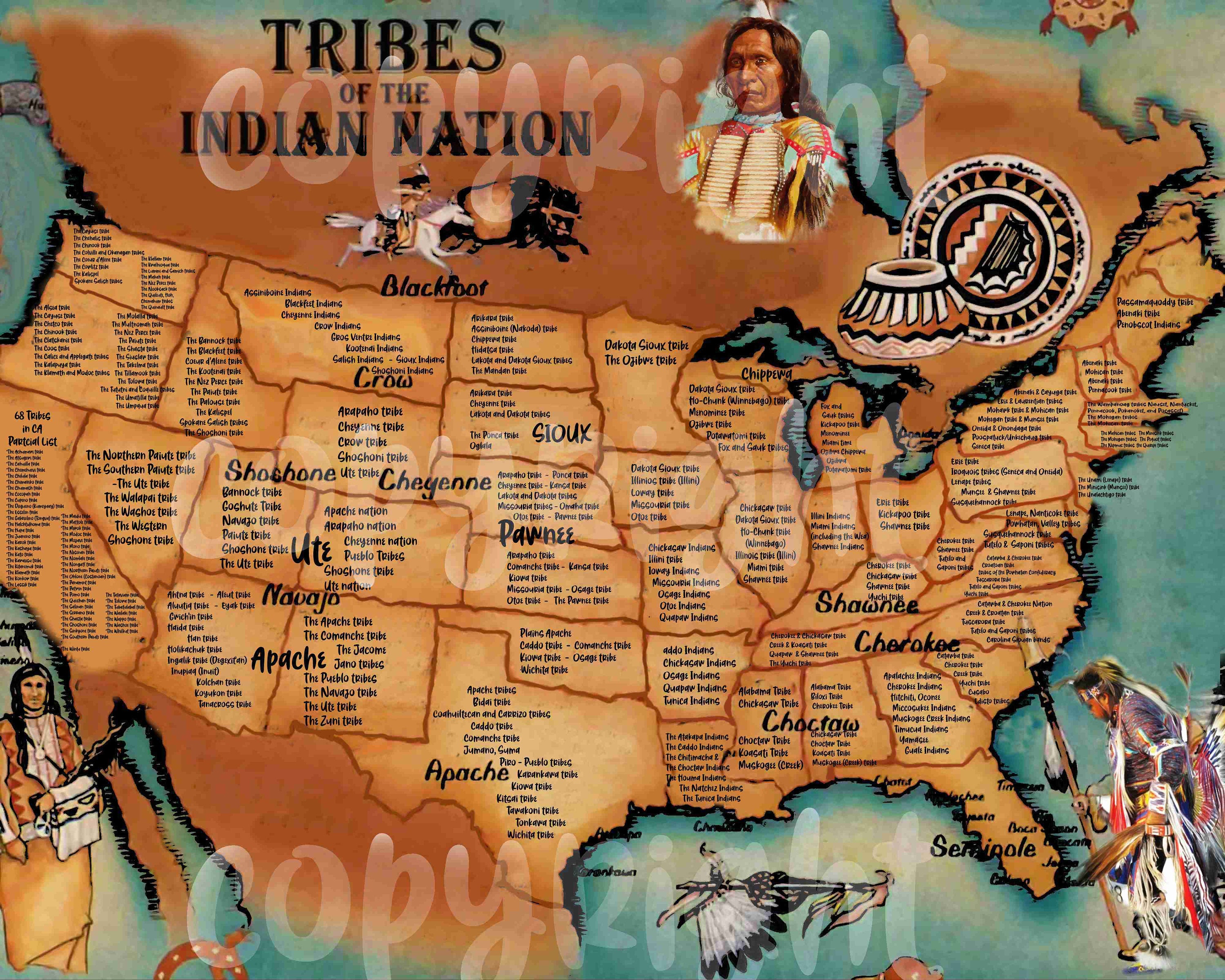
Visiting a Native American self-governance area is distinct from visiting a state park or a city. It requires a different mindset, a deeper level of respect, and a willingness to learn.
1. Preparation is Paramount:
Before arriving, consult the specific tribal nation’s official website. Do not assume; each nation has its own protocols, cultural norms, and visitor guidelines. Some areas may require permits for certain activities (e.g., hiking, fishing), others may have restricted zones, and many will have specific expectations regarding photography, drone usage, and respectful interaction. Learn about their history, their language (even a few words of greeting can go a long way), and their current initiatives.
2. Cultural Immersion and Education:
Many tribal nations actively welcome visitors to their cultural centers, museums, and educational programs. These are invaluable resources for understanding Indigenous perspectives, history, and contemporary life. Seek out:
- Tribal Museums and Cultural Centers: Often beautifully curated, these provide direct insights into a nation’s history, art, language, and worldview. They are vital for hearing stories directly from Indigenous voices.
- Powwows and Cultural Events: If your visit coincides with a public event, it can be a vibrant experience. However, remember these are not performances for tourists; they are sacred gatherings and community celebrations. Observe etiquette: ask before taking photos, respect dancers and elders, and avoid interrupting ceremonies.
- Art Markets and Galleries: Support Indigenous artists directly. Their work often embodies deep cultural meaning and provides a sustainable livelihood.

3. Economic Engagement with Integrity:
Many tribal nations have developed diverse economies, from gaming and hospitality to eco-tourism, agriculture, and renewable energy. When you visit:
- Stay at Tribal-Owned Businesses: This could be a hotel, resort, or campground.
- Dine at Tribal Restaurants: Sample traditional foods or support local Indigenous chefs.
- Purchase from Indigenous-Owned Shops: This ensures your money directly benefits the community.
- Participate in Guided Tours: Many nations offer guided tours of their lands, led by tribal members who can share firsthand knowledge of history, ecology, and culture. This is often the most authentic and respectful way to experience the land.
4. Respect for Land and Protocols:
Indigenous self-governance areas are often deeply connected to ancestral lands. Your presence should reflect this respect:
- Leave No Trace: Follow all environmental guidelines rigorously. Pack out everything you pack in.
- Stay on Marked Trails: This protects sensitive ecosystems and sacred sites.
- Ask Permission: Before entering private property, taking photos of people, or participating in ceremonies, always ask for permission. A "no" should be respected without question.
- Understand Sacred Sites: Many areas hold profound spiritual significance. They may be off-limits or require specific conduct.
The Maps as Your Moral Compass:
The act of consulting maps of Native American self-governance areas isn’t just about finding directions; it’s an act of decolonization. It means consciously shifting your perspective away from the dominant narrative of a homogenous "America" and recognizing the inherent sovereignty and distinct identities of hundreds of nations.
- Challenging the Void: These maps fill in the "blank spaces" that colonial maps created, spaces where Indigenous presence was deliberately erased. They reveal a rich tapestry of names, languages, and histories that predate and persist beyond settler boundaries.
- Connecting Past to Present: By seeing the historical treaty lands alongside modern reservation boundaries, a traveler can better grasp the immense losses suffered, the broken promises, and the incredible resilience required to maintain cultural integrity.
- Empowering Indigenous Voices: When travelers actively seek out and respect these mapped areas, they are tacitly affirming Indigenous sovereignty and supporting the self-determination efforts of these nations.
Why This Journey Matters: A Review of the Experience
Traveling with an awareness of Native American self-governance areas isn’t just a trip; it’s an education, a moral awakening, and a profound privilege.
- Authenticity (5/5 Stars): This is the most authentic way to engage with the true history and contemporary reality of North America. You’re not just observing; you’re often participating, learning directly from the source.
- Cultural Enrichment (5/5 Stars): The depth of cultural knowledge, spiritual practices, and artistic expression found in these communities is unparalleled. It offers perspectives on community, nature, and existence that are often absent from mainstream discourse.
- Impact (5/5 Stars): Your visit, conducted respectfully and ethically, directly supports Indigenous economies, cultural preservation efforts, and self-determination. It’s tourism with a purpose.
- Accessibility (3/5 Stars): While many tribal lands are accessible, the "accessibility" here refers more to the need for diligent research and respectful engagement. It’s not a turn-key tourist experience, nor should it be. It demands effort, which ultimately enhances the reward.
- Transformation (5/5 Stars): Few travel experiences have the potential to shift your worldview as dramatically as encountering the living cultures and sovereign presence of Native American nations. It fosters a deeper understanding of justice, resilience, and the interconnectedness of all things.
Final Thoughts: Your Next Adventure
As you plan your next journey, consider overlaying the maps of Native American self-governance areas onto your itinerary. Seek out the Navajo Nation in Arizona, the Cherokee Nation in Oklahoma, the Blackfeet Nation in Montana, the Mashpee Wampanoag Tribe in Massachusetts, or countless others. Each represents a distinct world, a sovereign entity with a story to tell and wisdom to share.
By understanding and respecting these invisible yet powerful lines of self-governance, you move beyond being a mere tourist. You become a thoughtful visitor, an ally, and a witness to the enduring strength and beauty of Indigenous nations. This isn’t just about seeing a "place" on a map; it’s about acknowledging the people who have stewarded that place for millennia, and learning from their ongoing journey of self-determination. It’s the ultimate destination for the conscious traveler.

