Beyond the Map: Tracing Ancient Echoes in Mesa Verde’s Indigenous Place Names
Imagine a map not drawn on paper, but etched into the very landscape – a living document of history, culture, and survival, where every peak, canyon, and spring tells a story. This isn’t a cartographer’s fantasy; it’s the essence of Native American maps, particularly those embedded in indigenous place names. For the traveler seeking more than just scenic vistas, understanding this profound connection between land and language offers an unparalleled journey into the heart of a place. My recent exploration of Mesa Verde National Park was precisely this kind of journey, a deep dive into how ancestral Puebloan place names, even those lost to time or reinterpreted, continue to shape our understanding of this UNESCO World Heritage site.
Mesa Verde, meaning "green table" in Spanish, is a name imposed by later explorers, a linguistic veneer over millennia of indigenous habitation. But beneath this modern designation lies a landscape saturated with meaning, a testament to the Ancestral Puebloans who called these mesas and canyons home for over 700 years, from 600 to 1300 CE. Their sophisticated cliff dwellings and mesa-top villages are world-renowned, but to truly experience Mesa Verde is to look beyond the architecture and begin to decipher the subtle, enduring "map" of indigenous place names that would have guided every aspect of life here.
The Land as Lexicon: What Indigenous Names Reveal
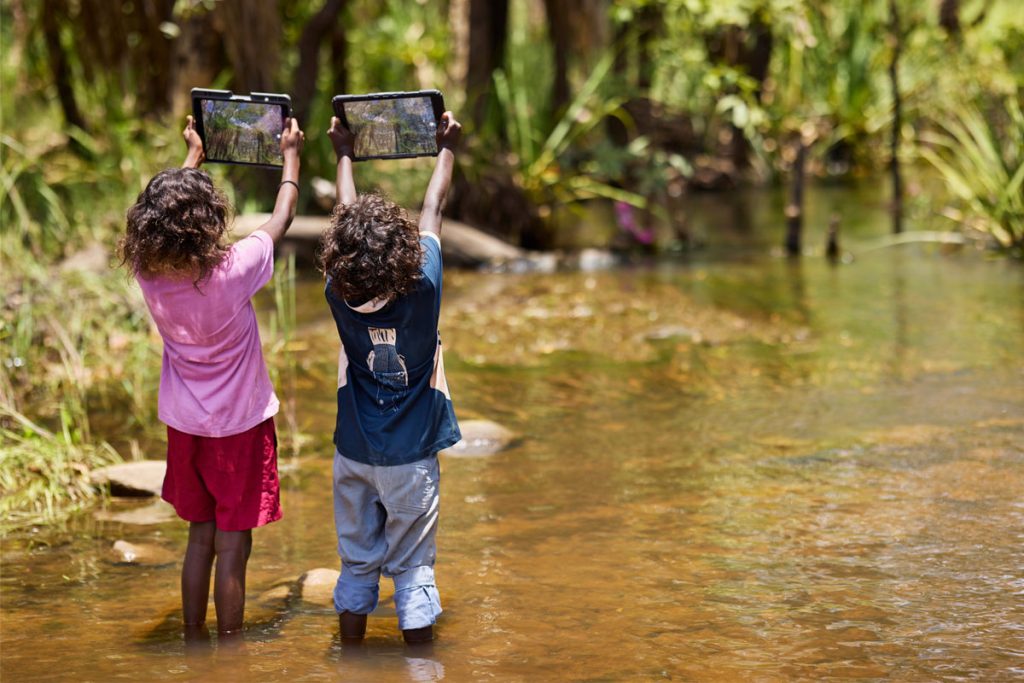
Unlike many Eurocentric maps that prioritize political boundaries or physical features for navigation, indigenous place names often convey layers of information: history, spiritual significance, practical knowledge (like the location of water or edible plants), and even social structures. A name might describe a landscape feature ("Big Rock Standing Up"), its ecological function ("Place Where Deer Drink"), a historical event ("Where the Battle Was Fought"), or a spiritual belief ("Mountain of the Thunder Beings"). These names were mnemonic devices, cultural touchstones, and vital navigational tools, allowing people to "read" their environment with an intimacy that modern maps rarely achieve.
For the Ancestral Puebloans, whose descendants include the Hopi, Zuni, and various Pueblo peoples of New Mexico, their world was a carefully observed and deeply respected entity. Their names for places were not arbitrary labels but reflections of a symbiotic relationship with the land. While the precise Ute or ancestral Puebloan names for every feature within Mesa Verde are largely unrecorded or lost to time, or are sacred and not for public sharing, the very act of considering what they would have been – what they must have conveyed – transforms the visitor’s experience. It shifts our perspective from merely observing ancient ruins to actively imagining a vibrant, named world.
Mesa Verde: A Journey into a Named Landscape
Arriving at Mesa Verde National Park, the first thing that strikes you is the vastness of the landscape. The park encompasses over 52,000 acres of high mesa country, deeply incised by canyons. The pinyon-juniper forests cling to the mesa tops, while the sheer cliff faces reveal the geological history of the region. This is not a flat, easily traversed land; it demands attention and respect. As I drove the winding roads, taking in the panoramic views, I began to consciously strip away the modern names – "Mesa Verde," "Cliff Palace," "Chapin Mesa" – and instead tried to envision how the original inhabitants would have named these dramatic features.

The Cliff Dwellings: Shelters with Stories
The iconic cliff dwellings are, of course, the main draw. Places like Cliff Palace, Balcony House, and Spruce Tree House are marvels of ancient engineering and community living. But what would the Ancestral Puebloans have called these incredible architectural achievements?
- Cliff Palace: The largest cliff dwelling in North America, this site is breathtaking. Its original name would likely have conveyed its grandeur, its strategic location, or perhaps a significant event that occurred there. "Place of the Great Gathering," "Village Beneath the Sky-Roof," or "Where the Sun Enters the Kiva" are possibilities that come to mind. Imagine the oral traditions tied to such a name, guiding children and adults alike through its history and purpose.
- Balcony House: Known for its intricate ladder climbs and defensive positions, this dwelling’s name might have described its accessibility or the unique vantage points it offered. "House of the Hidden Ascent," "Place of Overlooking," or "Where the Sentinels Watch" would speak to its protective nature and the daily lives of its inhabitants.
- Spruce Tree House: Accessible via a short, paved path, this well-preserved site is particularly evocative. Its current name derives from a large spruce tree that once grew at its entrance. An indigenous name might have referenced this prominent tree, a nearby water source, or a specific clan associated with the dwelling. "Home by the Tall Green Needle-Tree," "Spring of the Silent Ones," or "Shelter of the Bear Clan" offer a glimpse into the kind of descriptive, living names that would have been used.

Each dwelling, each kiva, each storage room, would have possessed a specific name, not just for identification but for narrative. These names would have been part of a rich oral tradition, guiding individuals through the social fabric and spiritual landscape of their community. To walk through these ruins is to trace the faint lines of an ancient map, trying to hear the echoes of names that once resonated through these canyons.
Mesa Top Sites: Agriculture, Astronomy, and Sustenance
Beyond the cliff dwellings, Mesa Verde also preserves numerous mesa-top sites, offering a different perspective on Ancestral Puebloan life. The Far View Sites, for instance, showcase a complex of surface structures, including kivas and reservoirs. Here, place names would have been intimately tied to agriculture, water management, and celestial observations.

- A mesa top dedicated to farming might have been called "Field of the Abundant Corn" or "Where the Rain Blesses the Seeds."
- The large reservoirs, crucial for survival in this arid land, would undoubtedly have had names signifying their life-giving properties: "Gathering Place of the Sky Water" or "The Lifeblood’s Reservoir."
- Sites like Sun Temple, whose function is still debated but suggests astronomical observation, would have held names reflecting celestial knowledge: "House of the Solstice Sun" or "Where the Sky Speaks."
These names are not just labels; they are entire narratives compressed into a few words, guiding people to resources, explaining the rhythm of seasons, and connecting them to the cosmos. As I stood on the mesa tops, gazing at the vast expanse, I felt the profound absence of these original names, yet their spirit permeated the land. The meticulous planning of the villages, the alignment with celestial events, the careful management of water – all point to a people who understood their environment with encyclopedic detail, a detail that would have been encoded in their language and place names.
The Pathways and Waterways: A Navigational Lexicon
The Ancestral Puebloans created an intricate network of trails and pathways connecting their various dwellings and resource areas. These weren’t just routes; they were named arteries of their world. A path might be named "Trail to the Bear Spring," "Path of the Rattlesnake," or "Way to the Far View." Each name would offer not just a destination but perhaps a warning, a historical anecdote, or a spiritual significance associated with that particular journey.
Water, the most precious commodity in this arid region, would have been at the heart of their naming conventions. Every seep spring, every seasonal wash, every reservoir would have been known by a name that indicated its reliability, its quality, or its sacred properties. "Water That Never Dries," "Sweet Water of the Canyon," or "Spring of the Hummingbirds" would have been crucial pieces of information, shared and remembered through generations, effectively creating a hydrological map embedded in language.
Reclaiming and Reimagining: The Enduring Power of Names
While many of the original Ancestral Puebloan names for Mesa Verde’s features are lost, or are held sacred by their descendants, the contemporary Ute Mountain Ute Tribe, whose reservation borders the park, maintains a deep connection to this land. Their language, Ute, is rich with place names that reflect their history and continued presence. Efforts are ongoing by indigenous communities across North America to reclaim and re-establish their traditional place names, not just as a matter of historical accuracy, but as a vital act of cultural preservation and self-determination.
For the traveler, this means approaching Mesa Verde with a different kind of awareness. It’s about recognizing that the names on our park maps are colonial overlays. It’s about taking the time to imagine the rich linguistic tapestry that once covered this land, and to appreciate the enduring connection that indigenous peoples have to their ancestral territories. It’s about understanding that every rock formation, every tree, every whisper of wind carries a story that was once, and in many ways still is, embedded in a name.
Practicalities of Your Journey
Visiting Mesa Verde is a truly transformative experience, and engaging with the concept of indigenous place names only deepens its impact.
- Best Time to Visit: Spring and fall offer pleasant temperatures for exploring. Summer can be hot, but all tours are operational. Winter offers a quieter, snow-dusted beauty, though many roads and tours are closed.
- Getting There: The park is located in southwestern Colorado, accessible by car. The nearest major towns are Cortez and Durango.
- Exploring the Park: Allow at least two full days to see the major sites. Guided tours of the cliff dwellings (Cliff Palace, Balcony House, Long House) are highly recommended and often require advance reservations. Spruce Tree House is self-guided and often open year-round.
- Visitor Centers: Start at the Mesa Verde Visitor and Research Center for an overview and to book tours. The Chapin Mesa Archeological Museum offers excellent exhibits on Ancestral Puebloan culture.
- What to Bring: Water, sturdy hiking shoes, sun protection, and layers of clothing are essential. Remember that many sites involve climbing ladders and navigating uneven terrain.
- Engage and Reflect: As you explore, consciously ask yourself: What would this place have been called by its original inhabitants? What story would that name have told? How would knowing that name change my perception of this place?
Conclusion: A Map of the Soul
Mesa Verde National Park is more than just a collection of ancient ruins; it is a profound historical and cultural landscape. By approaching it through the lens of Native American maps of indigenous place names, we move beyond mere sightseeing to a deeper form of engagement. We begin to understand that the land itself is a living archive, and its original names were the keys to unlocking its stories, its practical wisdom, and its spiritual significance.
This journey is not just about discovering a remarkable place, but about discovering a different way of seeing, of listening, and of understanding our shared human history. It reminds us that every place has a deeper story, a name that resonates with the echoes of those who first knew it. In Mesa Verde, these echoes are particularly strong, inviting us to imagine a map of the soul, drawn by hands long past, but still profoundly present in the silent majesty of the green mesa.

