
Uncharted Territories of the Soul: Journeying Through the Mapped Worlds of Unrecognized Indigenous Nations
Forget the well-trodden paths to famous landmarks or the curated experiences of bustling cities. True discovery, for the intrepid traveler, often lies in the landscapes that whisper forgotten stories, in the territories marked not by official lines, but by ancestral memory. My recent journey took me deep into just such a place: the sprawling, untamed heart of what I’ll call the “Echoing Riverlands,” a region in the American West whose breathtaking beauty belies a complex, often painful, history tied to Native American tribes still fighting for federal recognition. This isn’t a typical tourist destination; it’s a profound invitation to engage with a different kind of map – one etched in spirit, story, and an unwavering connection to the land.
My aim wasn’t merely to witness scenery, but to understand how indigenous peoples, particularly those unrecognized by the federal government, define and defend their homelands. These are nations whose existence, cultural continuity, and inherent sovereignty are often denied, leaving their historical territories vulnerable and their voices marginalized. To travel here is to step into a living testament of resilience, to learn about "maps" that predate colonial boundaries and continue to guide their descendants today, even as they remain largely invisible to the outside world.
The Landscape as a Living Archive
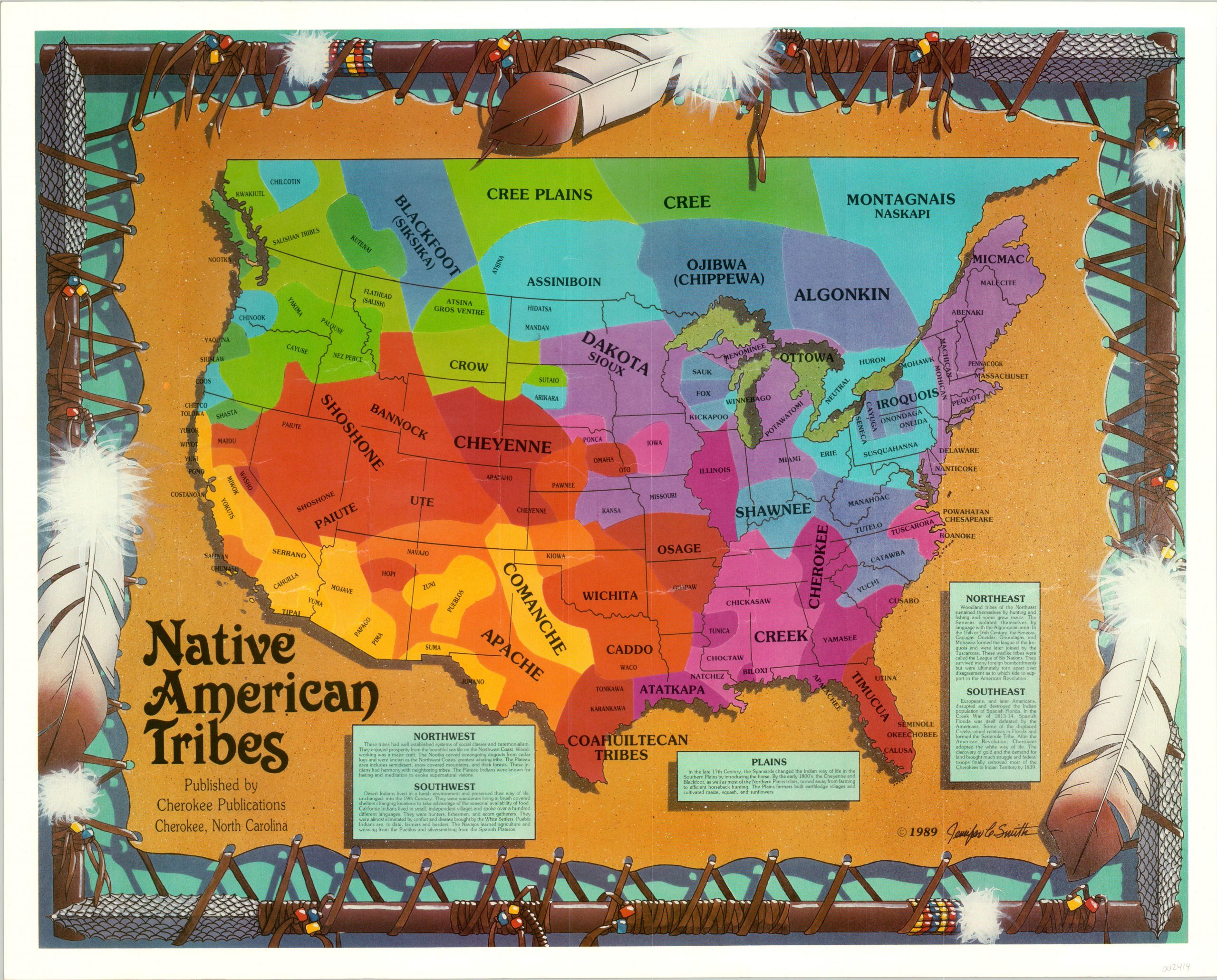
The Echoing Riverlands are a tapestry of dramatic canyons, high deserts, and the lifeblood of a mighty river that carves its way through millennia of geological time. Pinyon pines cling to red rock cliffs, and sagebrush perfumes the air. At first glance, it’s just stunning wilderness, a paradise for hikers and photographers. But armed with a different lens, the landscape transforms into a living archive. Every mesa, every seasonal stream, every ancient petroglyph site takes on a deeper meaning when viewed through the perspective of the original inhabitants – particularly those like the Nʉmʉnʉʉ (a composite name representing several unrecognized Ute-related groups in this region, whose historical territories overlap significantly with this area) who call this home.
Their ancestral maps aren’t just lines on paper; they are embedded in the land itself. For the Nʉmʉnʉʉ, the river isn’t merely a waterway; it’s a migratory route, a source of sustenance, a spiritual artery. The mountains aren’t just scenic backdrops; they are places of ceremony, sources of medicinal plants, and boundaries of kinship. My journey began with understanding this fundamental difference: official maps divide and conquer, while indigenous maps connect and sustain.
Unrecognized, Not Undefined: The Cartography of Memory
The concept of "unrecognized tribes" is crucial here. These are sovereign nations that existed long before the United States, yet for various reasons – often bureaucratic oversights, historical injustices, or a refusal to adapt to colonial definitions of "tribe" – they lack federal acknowledgment. This absence of recognition has devastating consequences, denying access to essential resources, legal protections, and the ability to reclaim ancestral lands.
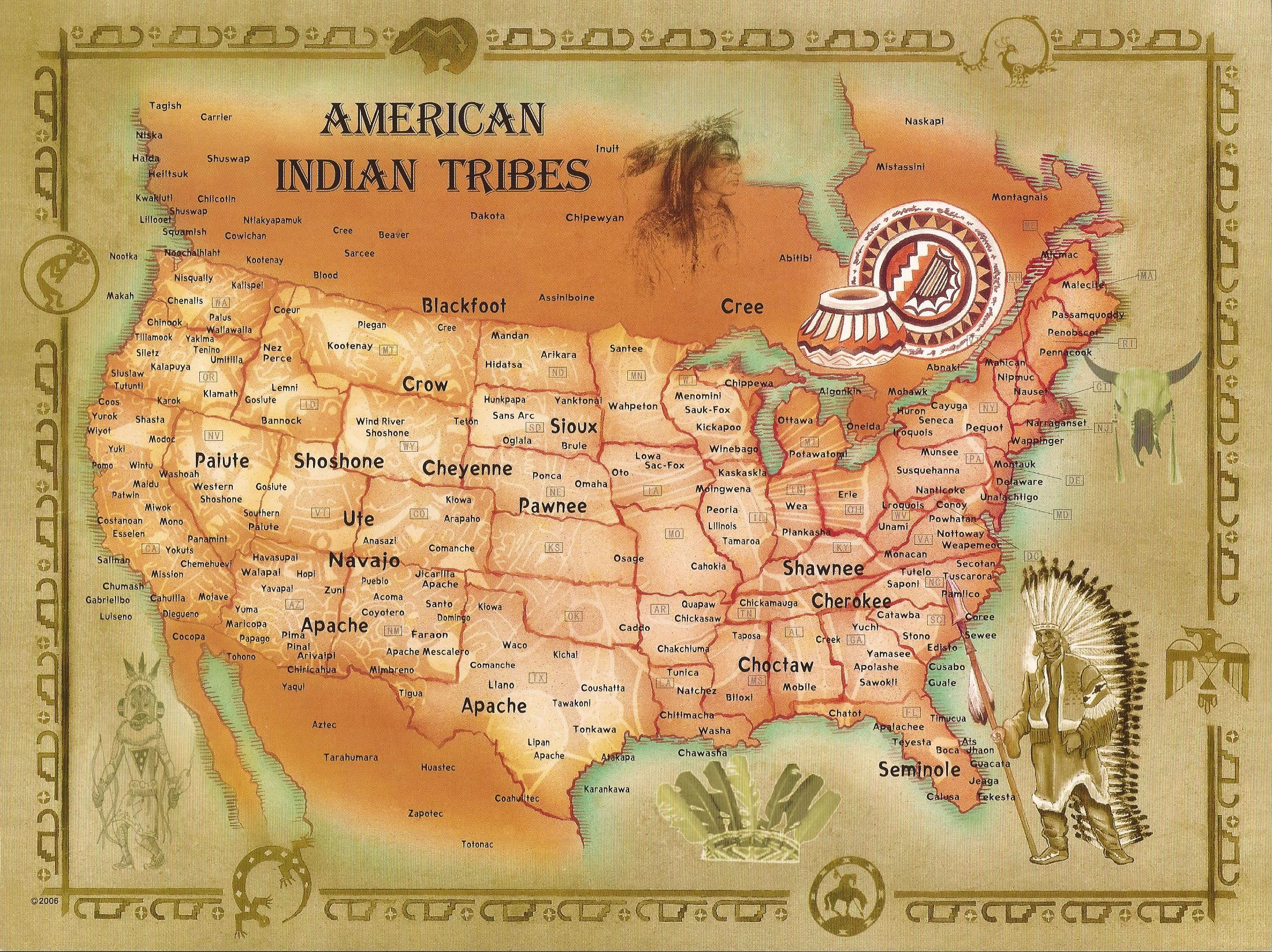
Yet, despite this official invisibility, these tribes have never ceased to exist. And their maps, though rarely printed on government-issued paper, are perhaps the most robust and enduring of all. They are maps of memory, passed down through generations via oral histories, songs, ceremonies, and the very act of living on the land.
One of the most striking examples of this "cultural cartography" I encountered was through local guides, descendants of the Nʉmʉnʉʉ, who led me to various sites. They didn’t pull out a GPS; they told stories. A particular canyon wasn’t just "Red Rock Canyon"; it was Paa’vʉh Kasa’a – "Water Elderberry Canyon" – named for a specific plant found there, indicating a prime foraging spot known for centuries. A high-altitude pass wasn’t merely a scenic overlook; it was Tuvupah Nii’a – "Sun Mountain Pass" – a place where ancestors would gather to watch the solstices, aligning their seasonal movements with celestial events.
These names are more than labels; they are directions, ecological guides, historical markers, and spiritual anchors. They delineate hunting grounds, gatherable plants, sacred springs, and the routes taken by ancestors for trade and ceremony. They are maps that embody an entire way of life, constantly reaffirmed by the physical presence and knowledge of the people.
Beyond the Tourist Trail: Engaging with the Unseen
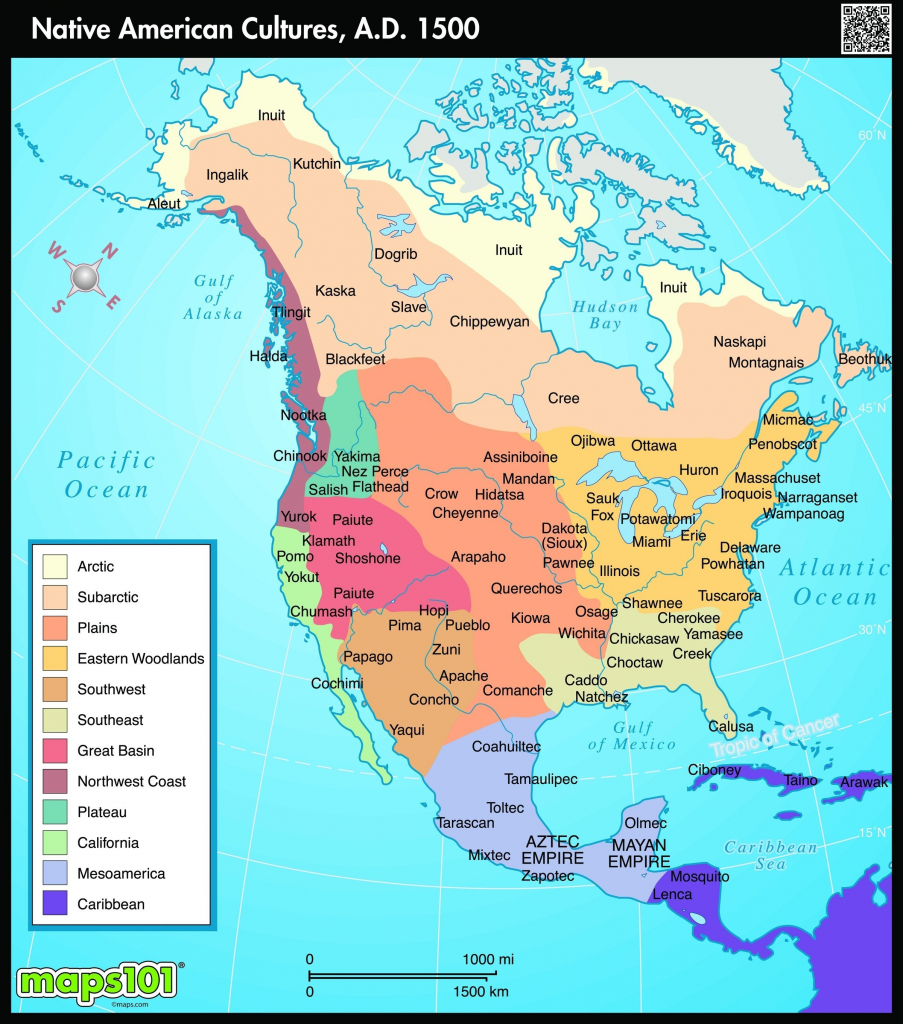
My experience in the Echoing Riverlands was not about visiting designated "Native American sites" (though some exist, often managed by recognized tribes or federal agencies). It was about seeking out opportunities to learn from and respectfully engage with the unrecognized communities themselves. This involved spending time at community centers (often modest and struggling for funding), listening to elders share histories, and supporting local Indigenous artists and craftspeople whose work often depicts their traditional territories and stories.
One particularly moving afternoon was spent with a Nʉmʉnʉʉ elder, who unfolded a worn, hand-drawn map on a piece of buckskin. It wasn’t to scale, nor did it adhere to Western cartographic conventions. Instead, it depicted the landscape through symbols: a series of interlocking circles representing familial bands and their seasonal camps, wavy lines showing migratory paths, and stylized mountains indicating sacred peaks. He explained that this was a "story map," a mnemonic device to remember the vastness of their territory and the intricate relationships between different groups and the land. It was a map of belonging, a testament to continuity despite displacement.
He spoke of how their original territory was vast, encompassing millions of acres, and how subsequent treaties (often violated) and the establishment of federal lands (national parks, forests, military bases) had fragmented their ancestral domain. Their struggle for recognition is, in essence, a struggle for the right to legally assert their connection to these maps, to these lands, and to continue their traditions without the constant threat of erasure.
The Weight of Absence: How Unrecognized Maps Highlight Injustice
Traveling through this region, the beauty was often tinged with a profound sadness. The very land I was enjoying for its wildness was, for the Nʉmʉnʉʉ, a fragmented homeland. The "empty" spaces on official maps, denoting federal lands or private holdings, were for them, brimming with the spirits of ancestors, the echoes of traditional songs, and the memory of forced removals.
The absence of their traditional place names on modern maps is a silent form of violence, erasing centuries of knowledge and cultural identity. The federal government’s refusal to recognize them is not just a bureaucratic hurdle; it’s a systematic denial of their sovereignty and a barrier to protecting their sacred sites, accessing healthcare, and preserving their languages. The fight for recognition is, in essence, a fight for their maps to be seen, acknowledged, and respected by the dominant society.

This journey underscored that "maps" are not neutral objects. They are instruments of power, reflecting who gets to define territory, who belongs, and whose history is deemed legitimate. For unrecognized tribes, their maps – whether on buckskin, in oral narratives, or in the very pattern of their lives – are acts of resistance, assertions of identity, and blueprints for survival.
Ethical Travel: Beyond the Gaze
Engaging with unrecognized tribes requires a heightened sense of ethical responsibility. This isn’t about "voluntourism" or seeking out exotic experiences. It’s about genuine learning, respectful listening, and supporting self-determination.
- Educate Yourself: Before you go, research the specific Indigenous nations whose ancestral lands you will be visiting. Understand their history, their struggles, and their current efforts for recognition.
- Seek Permission and Guidance: If you have the opportunity to interact with community members, approach with humility and respect. Ask how you can best support them. Consider hiring Indigenous guides where available; their knowledge is invaluable.
- Support Indigenous Businesses: Buy art, crafts, and services directly from Indigenous creators. This directly supports their economies and helps sustain their cultures.
- Listen More Than You Speak: Your role as a visitor is to learn. Be present, be attentive, and resist the urge to impose your own interpretations or solutions.
- Respect Sacred Sites: If you visit a site identified as sacred, follow all guidelines, whether explicit or implicit. Do not disturb artifacts, take photographs without permission, or leave anything behind.
- Advocate: Learn about the political issues facing unrecognized tribes and consider how you can use your voice to support their efforts for federal recognition and land rights.
A New Perspective on Place
Leaving the Echoing Riverlands, I carried with me more than just photographs and memories of stunning vistas. I carried a profound shift in perspective. I learned that true mapping goes far beyond lines on paper; it’s a dynamic, living process woven into the fabric of culture, language, and spiritual connection to the land. For the Nʉmʉnʉʉ and countless other unrecognized tribes, their maps are not relics of the past but vibrant blueprints for the future – a future where their sovereignty is honored, their histories are acknowledged, and their profound knowledge of the land is finally seen and valued by all.
This journey isn’t for every traveler. It requires an open heart, a willingness to confront uncomfortable truths, and a commitment to respectful engagement. But for those who embark on it, the reward is immeasurable: a deeper understanding of human resilience, the enduring power of place, and the unseen maps that continue to guide nations through their uncharted territories of the soul. It’s a journey that doesn’t just show you a place; it changes how you see the world.

