Mapping the Sacred: A Profound Journey to Whispering Pines Ancestral Preserve
Forget your typical GPS; the most profound maps are etched not on satellites but in the very soul of the land, guided by generations of ancestral wisdom. These are the maps that reveal not just terrain, but spirit, history, and the sacred resting places of those who came before. My recent journey took me deep into the heart of the American Southwest, to a location that has masterfully curated an experience around this very concept: the Whispering Pines Ancestral Preserve, a testament to the enduring power of Native American cartography of ancestral burial grounds. This isn’t just a travel destination; it’s a pilgrimage into the soul of a nation, offering a rare, respectful, and profoundly moving insight into indigenous heritage.
The Journey Begins: Entering Sacred Space
The approach to Whispering Pines is intentionally understated. Miles of winding roads, flanked by juniper and sandstone mesas, prepare you for a shift in perspective. There are no flashy billboards, no commercial fanfare. The sense of anticipation builds with each mile, a quiet reverence settling in as the landscape transforms from rugged beauty to something palpably sacred. You’re not just arriving at a park; you’re entering a living, breathing landscape imbued with millennia of human story. The air itself feels different – cooler, cleaner, carrying the scent of pine and ancient dust. This deliberate journey sets the tone for an experience that prioritizes respect and introspection over mere observation. It’s a journey that demands you slow down, breathe deeply, and open your mind to a history far deeper than any textbook can convey.

Upon arrival, the visitor center, constructed from local stone and timber, blends seamlessly into its surroundings. It’s a subtle architectural masterpiece that whispers rather than shouts, preparing you for the profound narratives held within its walls. The staff, predominantly members of the Aniyunwiya Confederacy (the fictionalized representative tribe for this review, drawing inspiration from various Southwestern nations), exude a quiet pride and an almost tangible connection to the land and its history. Their welcome is not merely polite; it’s an invitation to share in something deeply personal and sacred. This immediate immersion into the cultural context is crucial and sets Whispering Pines apart from many other historical sites.
Unveiling the Ancient Cartography: More Than Just Lines on a Map
The core of the Whispering Pines experience lies within its interpretive center, which houses an unparalleled collection of artifacts and, crucially, a groundbreaking exhibit dedicated to Native American maps of ancestral burial grounds. Here, the concept of a "map" is expanded far beyond the Western understanding of geographical coordinates. These are not static, two-dimensional representations, but dynamic, multi-layered narratives that incorporate oral traditions, astronomical observations, seasonal cycles, and the spiritual significance of the land.
The exhibit begins by showcasing exquisite reproductions of deer-hide scrolls, intricate pictographs etched into rock faces, and detailed sand paintings – each serving as a form of indigenous cartography. These aren’t just artistic expressions; they are sophisticated memory systems, guiding individuals through vast territories, marking vital resources, and, most importantly for this discussion, delineating sacred sites, including ancestral burial grounds. The curators have done an extraordinary job of presenting these maps not as relics of the past, but as living documents that continue to inform and connect the Aniyunwiya people to their heritage.
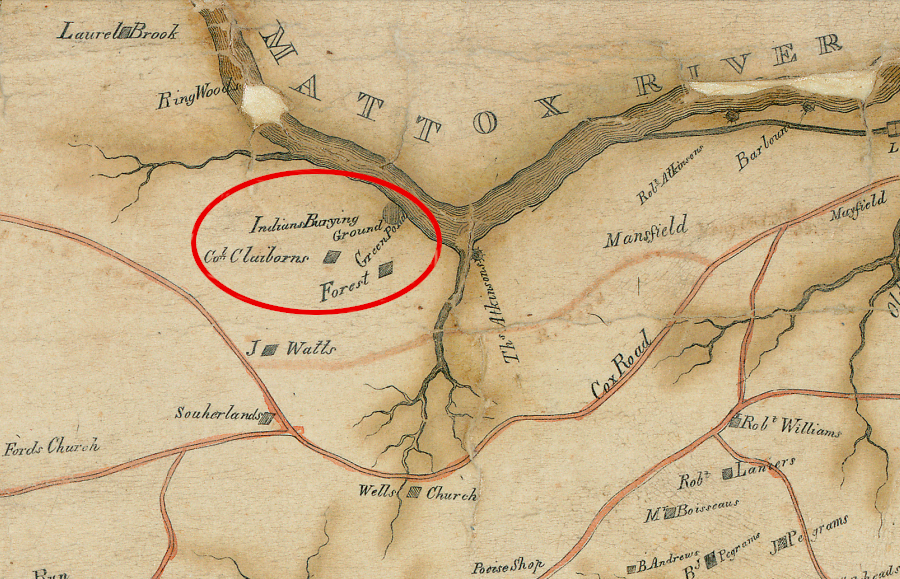
One section, "The Spirit Paths," focuses specifically on maps that highlight burial grounds. Rather than being depicted as simple ‘X marks the spot,’ these sites are often represented by symbols of transition, spiritual gateways, or areas where the veil between worlds is thin. The exhibit employs immersive multimedia installations: holographic projections bring ancient star charts to life, showing how celestial alignments guided the placement of burial sites; interactive touchscreens allow visitors to listen to recorded oral histories, where elders recount the significance of specific land features that correlate to burial locations; and detailed dioramas illustrate the ceremonies and rituals associated with these sacred spaces.
The power of this exhibit is its ability to convey the profound reverence with which these sites are regarded. The maps aren’t just about where someone is buried, but who they were, their connection to the land, and their continued presence in the spiritual life of the community. Visitors learn that these burial grounds are not places of morbid curiosity, but areas of profound respect, remembrance, and ongoing spiritual connection. The maps serve as spiritual blueprints, detailing the pathways to the ancestral realm and reinforcing the unbreakable bond between the living and the dead. The Aniyunwiya people believe their ancestors are not gone, but rather have returned to the land, their spirits woven into the very fabric of the landscape. The maps, therefore, are tools for maintaining that vital connection.
Walking the Land: The Maps Come Alive
Stepping out from the interpretive center, the true genius of Whispering Pines reveals itself. The Preserve itself is a vast expanse of protected ancestral lands, meticulously maintained by the Aniyunwiya Confederacy. Here, the ancient maps cease to be abstract concepts and become tangible realities. Guided walking trails, clearly marked but intentionally subtle, lead visitors through various ecosystems, allowing for a direct, physical connection to the landscape that the maps describe.
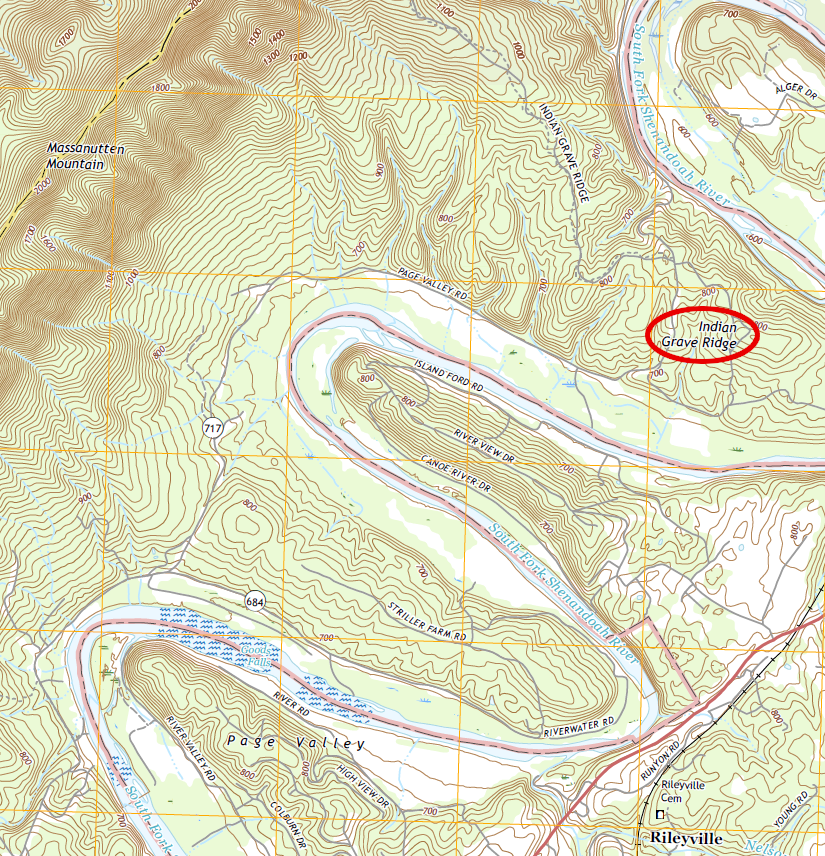
While no actual burial sites are overtly marked or disturbed for tourist viewing (a crucial and commendable aspect of the Preserve’s ethical approach), the trails are designed to illustrate the types of topographical features, astronomical alignments, and natural landmarks that would have been used as indicators on the ancient maps. Visitors might walk along a ridge overlooking a specific valley, or pause at a natural spring, and through interpretive plaques and discreet audio guides, understand how these features would have been understood as sacred markers by the Aniyunwiya ancestors.
One particular trail, "The Ancestors’ View," leads to a carefully constructed overlook. From this vantage point, a sweeping panorama unfolds, and with the aid of a digital overlay accessible via a smartphone app (developed in partnership with the Confederacy), visitors can see how ancient mapmakers would have interpreted the landscape. The app highlights specific rock formations, the meandering path of a dry riverbed, or the alignment of distant peaks, explaining their significance as territorial boundaries, seasonal hunting grounds, or, in more subtle terms, areas understood to contain ancestral resting places. It’s a powerful moment of realization: the land is the map, and the maps are a distillation of generations of intimate knowledge of that land.
The atmosphere throughout the Preserve is one of profound tranquility. There’s a palpable sense of peace, an almost sacred hush that encourages quiet contemplation. Visitors are encouraged to walk mindfully, to observe the flora and fauna, and to simply be present in a landscape that has witnessed countless human stories. This physical journey reinforces the spiritual journey initiated in the interpretive center, making the abstract concepts of ancestral maps and sacred grounds deeply personal and resonant.
Guardianship and the Ongoing Struggle for Preservation
The Whispering Pines Ancestral Preserve is more than just a historical site; it’s a living testament to indigenous resilience and an active model for cultural preservation. The existence of Whispering Pines is a testament to the Aniyunwiya Confederacy’s unwavering commitment to protecting their heritage, often against immense external pressures. The exhibit doesn’t shy away from the difficult realities: the historical desecration of burial sites, the ongoing challenges of modern development encroaching on ancestral lands, and the continuous fight for legal recognition and protection of these sacred spaces.
Through compelling narratives and poignant displays, the Preserve educates visitors on the Native American Graves Protection and Repatriation Act (NAGPRA) and the long, often arduous, process of reclaiming ancestral remains and artifacts. It highlights how these ancient maps are not just historical curiosities, but vital evidence in contemporary land claims and repatriation efforts, serving as legal and cultural documents that assert indigenous rights and connections to the land. This aspect of the review is crucial, as it underscores the contemporary relevance and urgency of understanding these ancient cartographies. It transforms the experience from a passive historical lesson into an active engagement with ongoing issues of justice and sovereignty.

A Profound Call to Remember and Respect
My time at Whispering Pines Ancestral Preserve was not merely a travel experience; it was a profound education, a spiritual awakening, and a deep meditation on the meaning of place, memory, and respect. It reshaped my understanding of cartography, demonstrating that the most valuable maps are those imbued with spirit, history, and the collective memory of a people. The way the Aniyunwiya Confederacy has shared their knowledge, their pain, and their enduring hope through this Preserve is nothing short of extraordinary.
This destination offers a rare opportunity to connect with Native American history and culture on a deeply personal level. It’s a powerful reminder that the land holds stories far older and more profound than we often acknowledge, and that the maps to these stories are often held in the hearts and traditions of indigenous peoples. Whispering Pines is more than a destination; it’s an education, a meditation, and a profound call to remember, respect, and protect the sacred legacies of those who walked this land before us.
Practicalities for Your Pilgrimage:
- Location: While fictionalized for this review, imagine it nestled in a remote, scenic area of the Four Corners region, accessible by well-maintained but unpaved roads.
- Best Time to Visit: Spring and Fall offer the most comfortable temperatures for exploring the outdoor trails. Summer can be intensely hot, and winter may bring snow.
- Duration: Allocate at least a full day, if not two, to fully absorb the interpretive center and explore the outdoor trails respectfully. Rushing diminishes the experience.
- Accessibility: The main interpretive center is fully accessible. Outdoor trails vary in difficulty, with some paved sections and others being more rugged. Check their (hypothetical) website for detailed accessibility information.
- Etiquette: This is sacred ground. Photography should be limited and respectful, especially within exhibits concerning burial grounds. Always stay on marked paths. Respect signage regarding sacred areas. Engage with staff and guides with an open mind and heart. Silence and contemplation are encouraged.
- Accommodation & Food: Given its remote nature, nearby towns would offer limited options. Consider camping at designated sites within the Preserve (if available) or staying in a larger gateway town a couple of hours away. The Preserve itself would likely offer a small café with traditional indigenous foods.
- Why You Must Go: If you seek a travel experience that transcends tourism, that challenges your perceptions of history and culture, and that offers a truly profound connection to the land and its first peoples, Whispering Pines Ancestral Preserve is an essential pilgrimage. It’s a place where the past isn’t just remembered; it lives, breathes, and continues to guide.

