
Unearthing Voices: A Traveler’s Journey Through Native American Language Maps at the NMAI
Forget the typical tourist map charting subway lines or historical landmarks. Imagine a map that traces not roads, but the sinews of identity; not political borders, but the vibrant, undulating territories of human speech. These are Native American maps of indigenous language areas – profound cartographies that offer an unparalleled gateway into the heart of North America’s original inhabitants. For the discerning traveler seeking more than just sightseeing, a visit to a place that brings these maps to life is an imperative. And for this extraordinary journey, few locations rival the National Museum of the American Indian (NMAI) in Washington D.C.
The NMAI is not just a museum; it’s a living testament to the resilience, creativity, and enduring spirit of Indigenous peoples across the Western Hemisphere. Nestled on the National Mall, its distinctive curvilinear architecture, reminiscent of a natural rock formation, immediately sets it apart. But it’s inside, within its thoughtfully curated exhibitions, that the true revelation occurs – particularly for those drawn to the intricate world of indigenous languages and their geographical expressions.
Upon entering, the traveler is immediately immersed in an atmosphere of respect and wonder. Unlike many colonial institutions that present Native cultures as relics of the past, NMAI emphasizes contemporary vibrancy and historical continuity. This perspective is crucial when engaging with indigenous language maps. These aren’t just historical documents; they are dynamic blueprints of cultural survival, territorial claims, and ongoing revitalization efforts. The museum serves as a powerful conduit, allowing visitors to grasp the monumental significance of these linguistic territories.
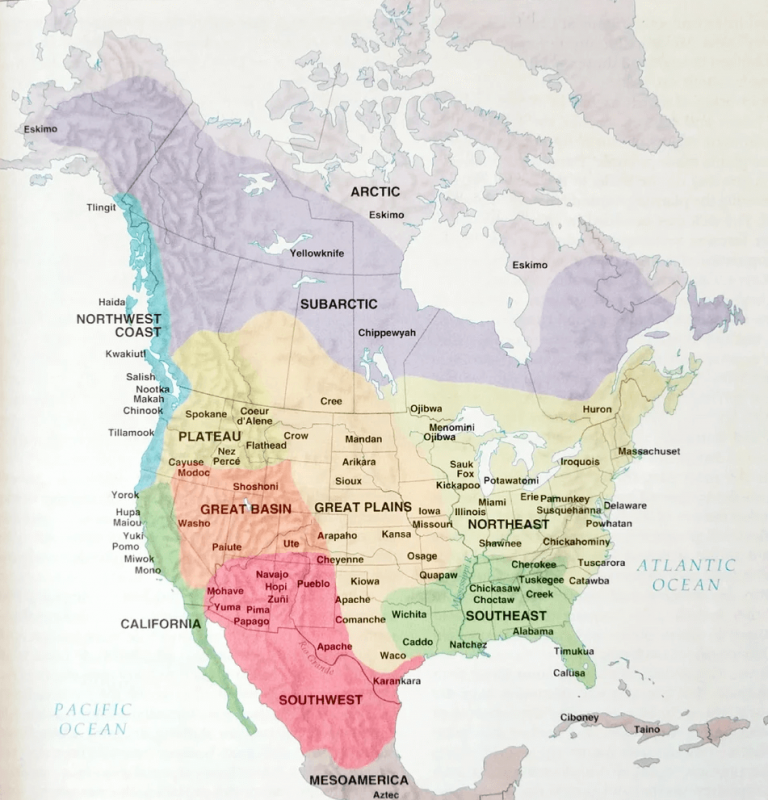
One of the most compelling aspects of the NMAI experience, related to indigenous language maps, is the way it contextualizes them. Colonial maps, often the only ones most people are familiar with, imposed arbitrary lines and renamed ancestral lands, effectively erasing the complex, pre-existing linguistic and cultural landscapes. At NMAI, you encounter a different narrative. Through various exhibits, often featuring digital interactives, historical documents, and contemporary art, the museum vividly illustrates the sheer linguistic diversity that once thrived, and in many places, continues to thrive, across the continent.
Imagine standing before a large, illuminated screen. Instead of modern state lines, you see a mosaic of colors, each representing a distinct language family – Algonquian, Iroquoian, Siouan, Athabaskan, Uto-Aztecan, and hundreds more. These are not just names; they are entire worlds of knowledge, philosophy, and history encapsulated in sound. The NMAI excels at demonstrating that each of these language areas represents a unique worldview, a specific relationship with the land, and a distinct set of cultural practices. You might see a historical map detailing the intricate network of trade routes that followed linguistic boundaries, or a contemporary one showcasing communities where language revitalization programs are bringing dormant tongues back to active daily use.
The museum’s approach goes beyond merely displaying maps. It delves into the stories behind them. You might encounter an exhibit discussing the role of "place names" in indigenous languages – how every mountain, river, and valley has a name that tells a story, often reflecting historical events, ecological knowledge, or spiritual significance. These are not merely labels; they are mnemonic devices, cultural anchors that tie a people to their ancestral lands in a way that colonial maps, with their generic, often foreign-derived names, simply cannot. The NMAI thoughtfully presents these narratives, often through the voices of Native people themselves, ensuring authenticity and depth.
For instance, an interactive display might allow you to click on a specific language area and hear greetings, traditional songs, or snippets of spoken narratives. This auditory dimension is transformative. It moves the concept of a "language area" from an abstract academic idea to a living, breathing reality. You don’t just see the map; you hear it. This multi-sensory engagement is crucial for a traveler seeking a profound understanding, rather than just superficial information. It underscores the fact that these languages are not dead, but actively spoken, taught, and cherished by communities today.

Beyond the explicit maps, the NMAI also features artifacts and artworks that implicitly speak to linguistic identity and territory. A beautifully woven basket from the California coast, a pottery piece from the Southwest, or an intricately carved mask from the Pacific Northwest – each of these objects carries within it the echoes of the language spoken by its creators. The symbols, patterns, and forms often derive from specific cultural narratives and linguistic traditions unique to their respective indigenous language areas. The museum’s masterful curation helps visitors connect these tangible objects to the broader linguistic and cultural landscapes from which they emerged, transforming them from mere curiosities into powerful expressions of identity.
One of the most moving aspects of experiencing these language maps at the NMAI is the realization of what has been lost, and what is being fought to regain. Colonialism brought not only territorial displacement but also linguistic suppression, leading to the endangerment and extinction of countless indigenous languages. The maps on display, therefore, become powerful symbols of both historical trauma and incredible resilience. They highlight the areas where languages are still strong, the communities where revitalization efforts are flourishing, and the profound commitment of Native peoples to keep their ancestral tongues alive. This aspect is often underscored by powerful narratives from language keepers, elders, and young learners featured in the exhibits.
As a travel destination, the NMAI offers more than just intellectual stimulation. The museum provides a space for contemplation and reflection. The vast, open spaces, the natural light, and the thoughtful placement of exhibits create an environment conducive to deep engagement. The Mitsitam Cafe, serving Indigenous-inspired cuisine, allows travelers to further immerse themselves in Native cultures through taste, offering dishes rooted in the culinary traditions of various regions, often linked to the very language areas explored in the exhibits. This holistic experience ensures that your journey through Native American language maps extends beyond the visual, engaging all your senses and intellect.
For the traveler keen on understanding the true depth of North American history and culture, visiting the NMAI to explore Native American maps of indigenous language areas is an unparalleled opportunity. It’s a chance to move beyond the superficial, to challenge preconceived notions, and to engage with a living, evolving history. These maps are not mere cartographic curiosities; they are vibrant testaments to the enduring spirit of Indigenous peoples, their profound connection to the land, and the invaluable wealth of knowledge embedded within their languages.
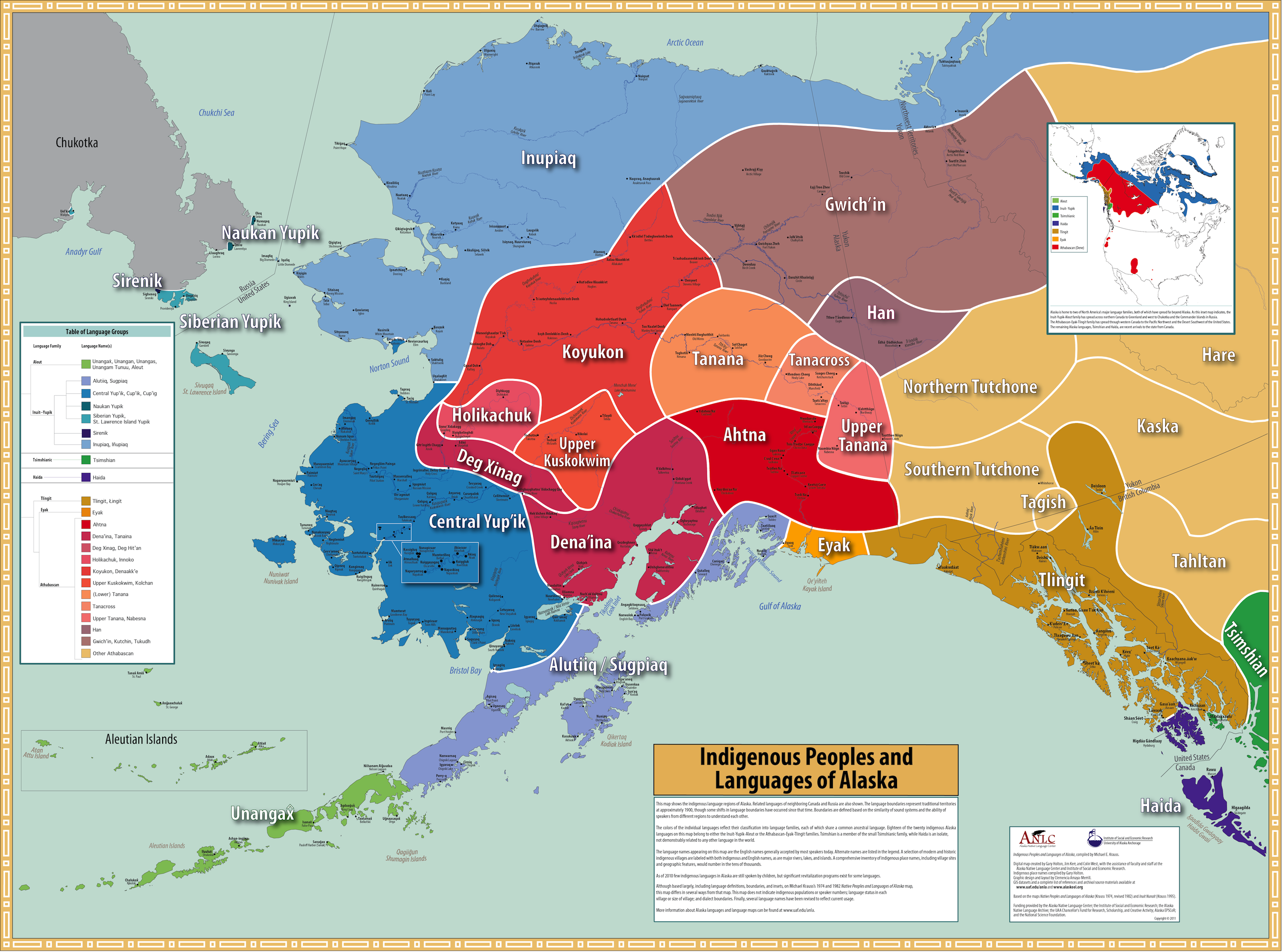
In conclusion, the National Museum of the American Indian in Washington D.C. stands as a beacon for those seeking to understand the intricate tapestry of indigenous languages and their geographical representations. It transforms abstract concepts into tangible, emotional experiences, allowing the traveler to trace the contours of identity, sovereignty, and survival through the lens of language. A journey through its halls, focusing on these profound maps, is not just a visit to a museum; it is an unforgettable expedition into the heart of America’s linguistic heritage, leaving you with a deeper appreciation for the resilience of Native cultures and the irreplaceable value of every human voice. It’s a reminder that some of the most important territories are not marked by fences, but by the living, breathing boundaries of language itself.


