Mapping Resilience: A Traveler’s Guide to Indigenous Cultural Revitalization
Forget the static lines on old parchment; the most profound maps of North America aren’t found in archives, but in the living, breathing landscapes of Indigenous cultural revitalization. These aren’t just guides to territory, but blueprints for a future woven from ancient wisdom and tenacious hope. As a traveler, seeking out these vibrant centers offers more than just a destination – it’s an invitation to witness resilience, learn from deep wisdom, and participate in a powerful story of resurgence.
This journey takes us beyond the well-trodden tourist paths, into the heart of communities where Native American nations are actively redrawing their futures, using their ancestral knowledge as their compass. We’re exploring not a single location, but a type of place – the cultural centers, land stewardship initiatives, and language immersion programs that serve as the nexus of these efforts. Imagine a place, perhaps nestled in the verdant valleys of the Pacific Northwest, or within the sun-drenched mesas of the Southwest, or along the ancient waterways of the Great Lakes region – a place where the air hums with purpose, and every stone, every song, every spoken word is a testament to an unbroken spirit. Let’s call this archetypal destination the "Ancestral Roots Revitalization Center," a composite representation of the many real-world initiatives shaping Indigenous futures.
The Map is the Message: Beyond Cartography
When we speak of "Native American maps," we aren’t just talking about geographical representations. We’re talking about intricate systems of knowledge that encode land, language, ceremony, and identity. These maps are oral histories passed down through generations, star charts that guide agricultural cycles, song lines that mark sacred sites, and a deep understanding of ecological relationships. Cultural revitalization efforts are, in essence, the act of actively living these maps again, of re-inscribing them onto the present and future.
Our "Ancestral Roots Revitalization Center" embodies this. It’s not a museum where culture is static and preserved behind glass; it’s a dynamic, living laboratory. Here, the map is a three-dimensional experience. The layout of the center itself might reflect traditional village structures, or be oriented to cardinal directions and celestial events significant to the local nation. Pathways might mirror ancient migration routes or ceremonial circuits. Every design choice, from the materials used in construction (locally sourced timber, adobe, stone) to the indigenous plants cultivated in its gardens, speaks volumes about a deep connection to place and a commitment to ancestral wisdom.
The Heartbeat: Language Immersion & Storytelling
One of the most critical elements of cultural revitalization, and a cornerstone of any truly impactful center, is language preservation. For centuries, colonial policies actively suppressed Indigenous languages, leading to a catastrophic decline in fluent speakers. The Ancestral Roots Revitalization Center offers a powerful antidote: a vibrant language immersion program.
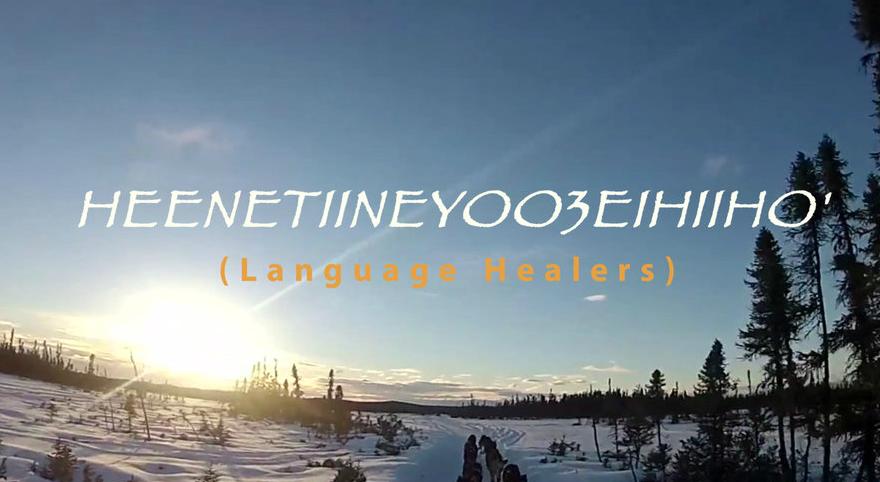
Step into one of the "Language Nests," and you might hear the melodic tones of a language that was once on the brink of extinction, now joyfully spoken by toddlers and elders alike. Imagine a classroom where children learn mathematics not through abstract symbols, but through counting traditional basket weaves, or where science lessons are rooted in the ecological wisdom embedded within their ancestral tongue. Elders, once forced to hide their language, are now revered teachers, their voices carrying the weight of generations.
For the respectful traveler, observing a language class, attending a public storytelling session, or even learning a few basic phrases of greeting offers an unparalleled insight into the soul of a nation. This isn’t just about vocabulary; it’s about worldview. Each Indigenous language carries unique ways of understanding the world, of relating to land, community, and spirit. To hear it spoken, to see it revitalized, is to witness the re-flowering of an entire epistemology. The stories shared here, often accompanied by traditional drumming or song, aren’t just entertainment; they are living maps of history, morality, and cosmology.
Reclaiming the Earth: Land Stewardship & Food Sovereignty
Indigenous maps are fundamentally land-based. They tell stories of stewardship, sustainable resource management, and a reciprocal relationship with the natural world. Cultural revitalization, therefore, is inextricably linked to land back movements and the resurgence of traditional ecological knowledge (TEK).
The Ancestral Roots Revitalization Center is likely situated on land that has been meticulously restored to its pre-colonial state. Imagine acres of native prairies flourishing where monoculture crops once stood, or ancient cedar forests thriving under the careful management of Indigenous foresters. Here, "maps" are drawn through the re-establishment of traditional food systems. Visitors might walk through "Three Sisters" gardens (corn, beans, squash) that have fed communities for millennia, or learn about the cultivation of traditional medicinal plants.
Food sovereignty is a powerful expression of self-determination. The center might host workshops on traditional hunting, fishing, or foraging techniques, connecting community members to healthy, culturally appropriate foods and severing dependence on industrial food chains. Travelers can participate in community harvests, learn about seed saving initiatives, or volunteer in ecological restoration projects. This isn’t just about farming; it’s about reconnecting with the land as a relative, honoring its bounty, and ensuring its health for future generations – a tangible manifestation of ancestral maps guiding present-day action.
Weaving Identity: Arts, Crafts & Ceremonies
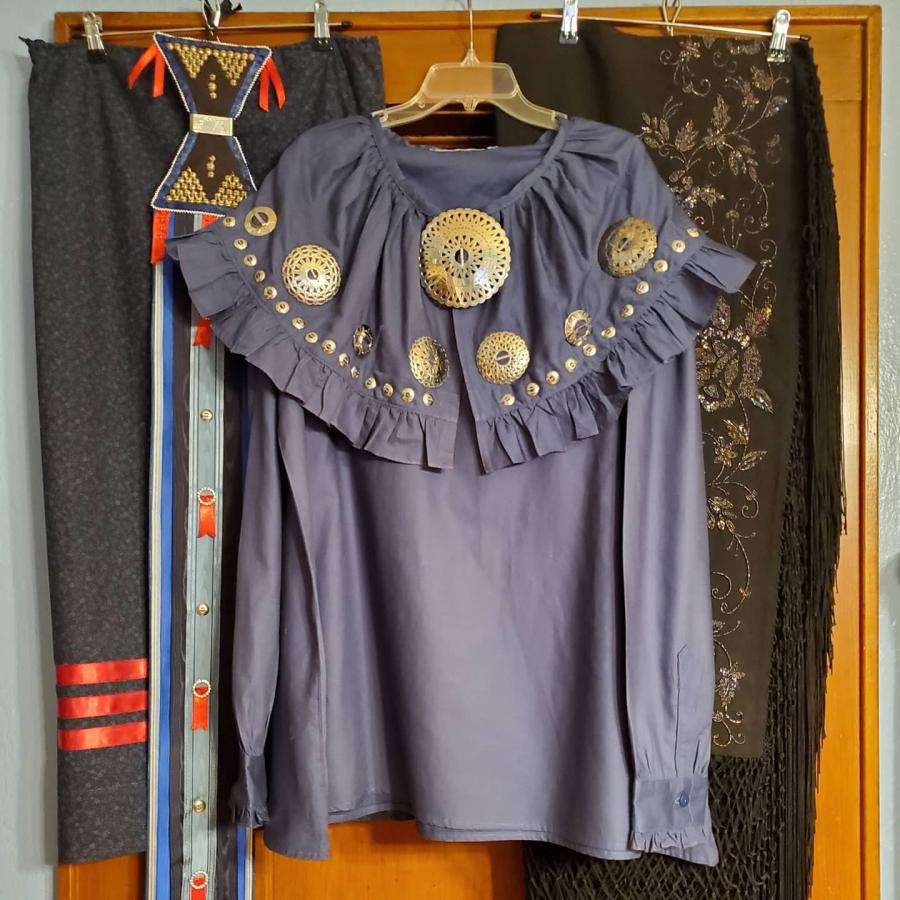
Indigenous art is not merely decorative; it is a living language, a narrative woven into textiles, carved into wood, painted onto hides, or shaped from clay. It is a visual map of identity, history, and spiritual connection. At the Ancestral Roots Revitalization Center, traditional arts are not just preserved; they are practiced, innovated, and celebrated.
Picture a bustling artisan studio where master weavers teach intricate patterns that carry specific clan histories, or where carvers transform raw wood into figures imbued with spiritual significance. Potters might demonstrate techniques passed down for hundreds of generations, while beadwork artists create vibrant designs that tell stories of resilience and beauty. These aren’t just crafts; they are expressions of sovereignty, tools for intergenerational knowledge transfer, and powerful statements of cultural continuity.
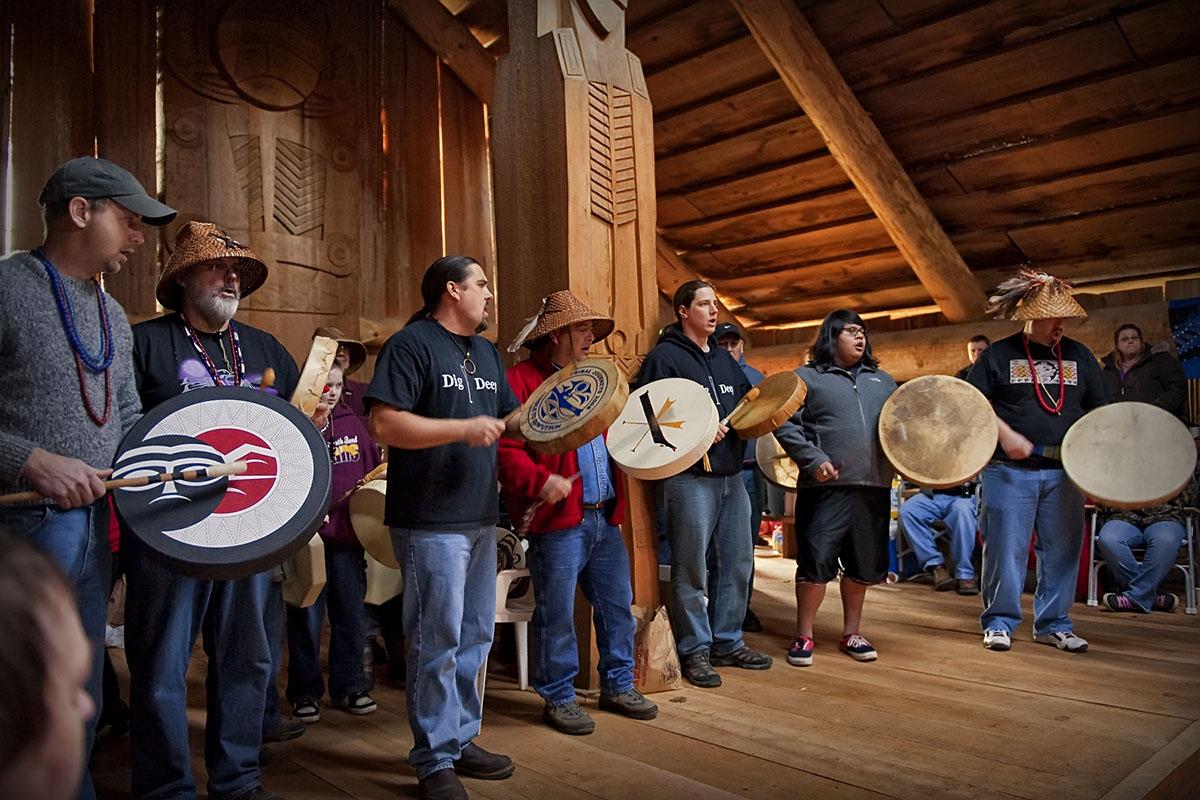
Travelers have the unique opportunity to engage respectfully with these art forms. Attending a public demonstration, purchasing authentic, ethically sourced art directly from Indigenous artists (supporting local economies and cultural preservation), or even participating in a beginner’s workshop offers a deeper appreciation. While sacred ceremonies are rarely, if ever, open to outsiders, the center might host public cultural performances – dances, drum circles, or songs – that share aspects of cultural expression while maintaining the sanctity of private traditions. These performances are not just shows; they are living prayers, stories, and expressions of community spirit.
The Next Generation: Youth Engagement & Future-Mapping
Cultural revitalization is not about static preservation; it’s about dynamic growth and adaptation. The Ancestral Roots Revitalization Center understands that the future lies in the hands of its youth. Here, "future maps" are being drawn by integrating traditional knowledge with contemporary tools and challenges.
Imagine youth programs that combine traditional storytelling with digital media creation, allowing young people to document and share their cultural heritage in new and engaging ways. Picture coding bootcamps where students develop apps for language learning, or GIS mapping projects that use traditional place names to map ancestral territories and resource management plans. This fusion of ancient wisdom and modern technology ensures that cultural knowledge remains relevant and accessible to the next generation.
Mentorship programs are crucial, pairing elders with youth to ensure the unbroken chain of knowledge transfer. These initiatives foster a strong sense of identity and purpose, empowering young Indigenous leaders to navigate a complex world while remaining grounded in their heritage. For the traveler, witnessing the infectious enthusiasm of young people engaging with their culture is a profound experience, a powerful testament to the enduring strength and adaptability of Indigenous nations.
The Traveler’s Compass: Responsible Engagement
Visiting a place like the Ancestral Roots Revitalization Center is not a passive tourist activity; it’s an opportunity for respectful learning and solidarity. As travelers, we hold a responsibility to engage ethically and mindfully.
- Listen and Learn: Approach your visit with an open mind and a willingness to learn. This isn’t just about what you see, but what you hear and feel.
- Respect Protocols: Always inquire about appropriate behavior, photography policies, and access to certain areas. When in doubt, ask. If a ceremony or area is deemed private, respect that boundary without question.
- Support Indigenous Economies: Purchase art, food, and other goods directly from Indigenous businesses at the center or in the surrounding community. This directly supports the revitalization efforts you are witnessing.
- Avoid Appropriation: Do not wear or mimic traditional regalia, symbols, or practices without explicit invitation and understanding. Your appreciation should not become appropriation.
- Go Beyond the Surface: Seek out opportunities for deeper engagement, such as educational workshops or community events, if offered and appropriate for visitors.
- Educate Yourself: Learn about the history and contemporary issues of the specific Indigenous nation whose lands you are visiting, before and after your trip.
By adhering to these principles, travelers become allies in the journey of revitalization, rather than mere spectators. Your visit can contribute meaningfully to the economic self-sufficiency and cultural flourishing of these communities.
A Journey of Connection and Hope
The Ancestral Roots Revitalization Center, and the many real-world initiatives it represents, offers a truly transformative travel experience. It is a place where ancient maps of wisdom are being re-read, re-interpreted, and re-drawn for a vibrant future. It’s a testament to the incredible resilience, creativity, and spiritual depth of Native American nations.
These centers are not just destinations; they are beacons of hope, living proof that culture, once thought to be lost, can be powerfully reclaimed and reimagined. They are places where the past informs the present, where the present builds the future, and where every act of cultural expression is a defiant, beautiful declaration of sovereignty. As you leave, you carry not just memories, but a deeper understanding of human resilience, a renewed appreciation for diverse worldviews, and perhaps, a new compass for your own journey through life. Seek out these living maps; they will change the way you see the world.

