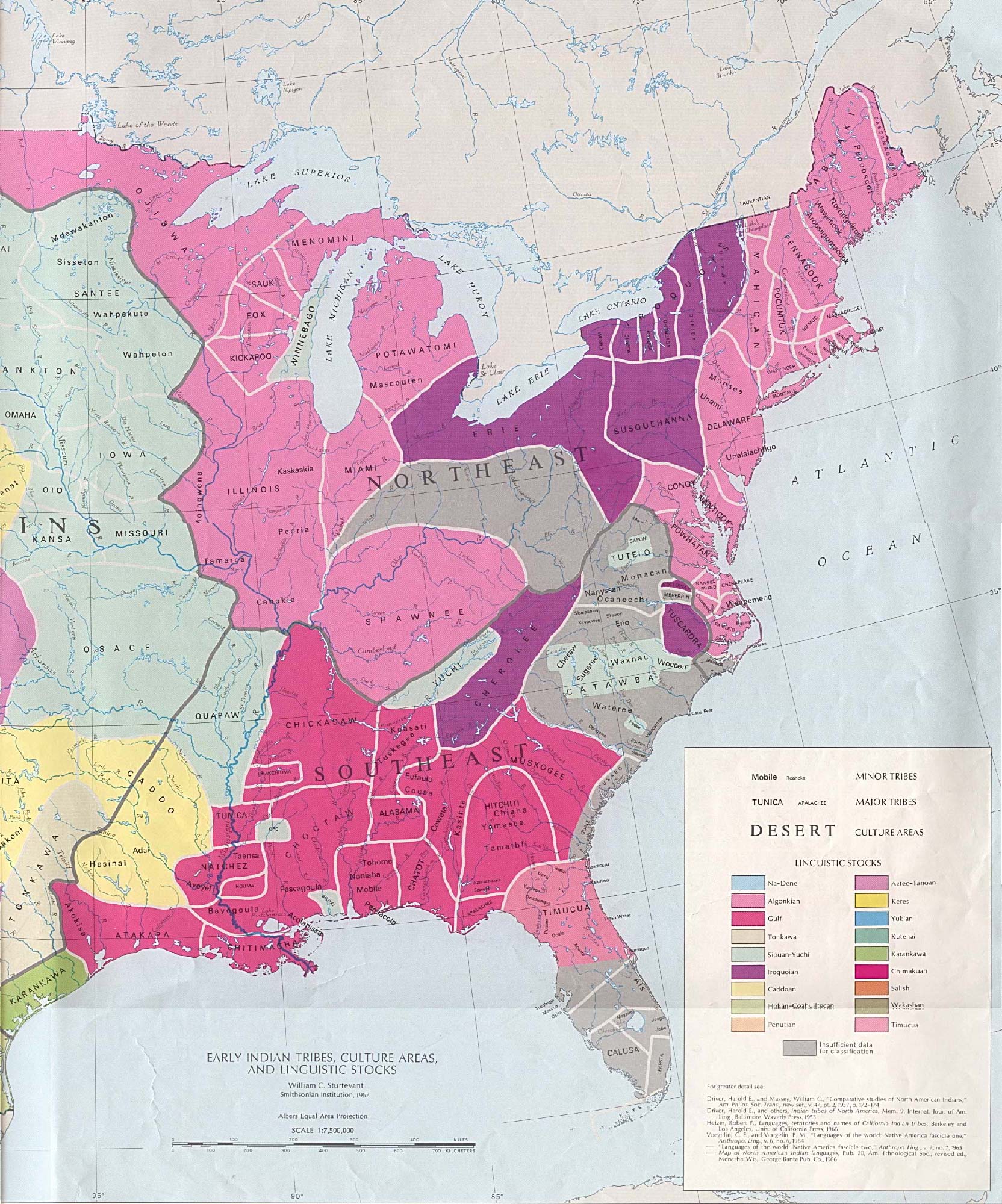
The ancient shores of what we now call the Pacific Northwest coast hum with a silent, profound narrative, one etched not just in archaeological strata but in the very consciousness of the land and its first peoples. To truly experience this landscape, to grasp the essence of its historical fishing villages, requires a unique kind of cartography: the intricate, multi-layered maps of Native American knowledge. These aren’t just lines on paper; they are stories, star alignments, tidal rhythms, migration patterns of salmon, and the sacred geography passed down through millennia. My journey into this profound heritage began not with a modern GPS, but with an immersion into the concept of these living maps, guiding me to a hypothetical yet deeply resonant location within the traditional territories of the Coast Salish and Kwakwaka’wakw peoples, a region where the ocean’s bounty shaped entire civilizations.
Imagine standing on a windswept bluff, the roar of the Pacific a constant companion, and the scent of salt and ancient cedars filling your lungs. This is not merely a scenic overlook; it is a meticulously chosen vantage point, a node on an ancient map. From here, ancestral eyes would have tracked the salmon runs entering the estuaries, identified the subtle shifts in current indicating prime halibut grounds, and observed the movement of whales and seals. The "maps" I speak of are less about fixed coordinates and more about dynamic, ecological blueprints. They detail not just where a village stood, but why it stood there: proximity to fresh water, defensible positions, access to specific fishing technologies like reef nets or fish weirs, and the seasonal availability of diverse resources. These were maps of sustainable living, intricate systems designed to ensure prosperity and continuity.
My exploration focused on tracing these invisible lines, seeking out the physical echoes of villages that once thrived, their populations sustained by the unparalleled richness of the coastal waters. The first tangible evidence often comes in the form of shell middens – massive mounds of discarded clam, oyster, and mussel shells accumulated over thousands of years. These aren’t simply ancient garbage dumps; they are deliberate, monumental constructions, often forming the foundations of homes, elevating villages above flood plains, and serving as fertile ground for specific plant species. Walking atop a midden, you’re not just treading on history; you’re standing on a testament to a sophisticated understanding of resource management and engineering. Each layer of shell, each fragmented bone, tells a story of feasts, of daily life, of a community deeply interwoven with its aquatic environment.
Further inland from the immediate shoreline, guided by the "map" of traditional ecological knowledge, I sought out the subtle depressions in the earth that betray the locations of ancient house pits. These were the longhouses, sometimes dozens of meters in length, sheltering multiple families, their cedar-planked walls now long since returned to the earth. Envisioning these structures, bustling with activity, smoke curling from central hearths, and the rhythmic sounds of weaving or carving, brings a vibrant life to the quiet landscape. The layout of these villages, their orientation to the water and sun, their proximity to gathering areas for berries or medicinal plants – all these details are encoded in the indigenous maps, revealing a holistic approach to settlement planning that integrated every aspect of survival and culture.
The heart of these historical fishing villages, however, lay in their ingenious fishing technologies. The "maps" detailed the optimal locations for elaborate fish weirs – fence-like structures built across streams or tidal flats to funnel fish into traps. They outlined the precise spots for reef net fishing, a highly sophisticated method used by the Coast Salish, involving large nets suspended between canoes to intercept salmon runs, often requiring intricate knowledge of tidal currents and fish behavior. These were not just practical tools; they were communal endeavors, requiring cooperation, precise timing, and deep generational knowledge of the environment. The remnants of these weirs, visible only at extreme low tides or through archaeological survey, serve as powerful reminders of the scale and ingenuity of ancient indigenous engineering.
Beyond the physical remnants, the true richness of Native American maps lies in their cultural dimension. These "maps" are imbued with the stories, legends, and ceremonies that defined life in these fishing villages. The salmon, for instance, was not merely a food source; it was a revered ancestor, a gift from the Creator, honored with First Salmon Ceremonies that ensured its return. The very act of fishing was imbued with spiritual significance, guided by protocols and respect. Oral histories, passed down through generations, function as living maps, detailing specific fishing spots, the characteristics of different currents, the movements of marine life, and the ethical frameworks for harvesting. These narratives provide a depth of understanding that no paper map ever could, connecting the land, the sea, and the people in an unbroken continuum.
Engaging with contemporary Indigenous communities is crucial to truly unlocking these maps. Modern-day elders, knowledge keepers, and cultural practitioners act as living repositories of this ancient wisdom. Visiting a cultural center, participating in a guided tour led by a tribal member, or simply listening to their stories allows one to see the landscape through their eyes. It’s an opportunity to understand the enduring connection to these ancestral territories, the ongoing efforts to protect traditional fishing rights, and the revitalization of language and cultural practices that are intrinsically linked to the land and water. The artistry – the intricate carvings on cedar, the vibrant patterns of woven baskets, the designs on canoes – often depicts the very creatures that sustained these villages, serving as visual components of these profound cultural maps.
My journey illuminated how the landscape itself functions as a living, breathing map. The towering cedars, vital for canoes, longhouses, and weaving; the berry bushes that provided sustenance and medicine; the specific rock formations that served as navigational markers or spiritual sites – each element held a specific meaning and purpose within the indigenous worldview. The ebb and flow of the tides, the seasonal changes in weather, the migration of birds – all were meticulously observed and understood, informing every aspect of village life. To travel here is to learn to read these subtle cues, to understand the interconnectedness of all things, and to appreciate the profound ecological literacy that allowed these cultures to thrive for thousands of years.

This exploration transcends typical tourism. It’s an invitation to step beyond the superficial and engage with a deep, layered history that continues to shape the present. It demands respect, a willingness to learn, and an open heart. Supporting indigenous-led tourism initiatives, purchasing authentic native art, and advocating for the protection of these ancestral lands and waters are not just acts of good will; they are essential components of understanding and honoring the "maps" that have guided these peoples for millennia.
Ultimately, my journey through the lens of Native American maps of historical fishing villages was a transformative experience. It revealed not only the ingenuity and resilience of ancient cultures but also the enduring wisdom embedded in their understanding of the natural world. It taught me that a map is not just a tool for navigation, but a testament to a way of life, a cultural blueprint, and a sacred connection to the land and its resources. To visit these places is to walk on hallowed ground, to listen to the whispers of ancestors, and to gain a profound appreciation for the rich, complex tapestry of human history woven into the very fabric of this remarkable coastal landscape. It is a journey that reshapes your perception of place, history, and the profound power of indigenous knowledge.


