Journeying Through Time: Unearthing Ancient Wisdom on Passamaquoddy Coastal Gathering Grounds
Forget the superficial postcard views. True travel, the kind that resonates deep within your soul, often involves a journey into the heart of a place’s oldest stories. Nowhere is this more profoundly experienced than along the rugged, tide-swept shores of Passamaquoddy Bay, where the very landscape whispers tales of centuries of human ingenuity, resilience, and intimate connection. This isn’t just a scenic vista; it’s a living archive, a sprawling natural map etched with the ancestral knowledge of the Passamaquoddy people. My recent expedition into what I’ve come to call the "Kci-Monihkuk Coastal Heritage Area" (a conceptual space encompassing significant traditional gathering grounds, inspired by the Passamaquoddy name for Moose Island) was less a trip and more an immersion into the sophisticated world encapsulated by Passamaquoddy ancestral maps of coastal gathering.
Stepping onto the rocky beach, the first thing that strikes you is the sheer, untamed power of the Bay of Fundy tides. They don’t merely lap at the shore; they surge and recede with a monumental force, exposing vast intertidal zones twice a day. This dramatic rhythm, a fundamental pulse of life here, is the very heartbeat around which the Passamaquoddy structured their existence for millennia. The ancestral maps weren’t just static drawings; they were dynamic, seasonal blueprints, guiding generations to the precise locations where the land and sea offered their bounty. These weren’t tourist maps; they were survival guides, spiritual compasses, and cultural encyclopedias, passed down through oral tradition and intimate, lived experience.
Imagine navigating this intricate coastline without a modern GPS, relying instead on a profound understanding of currents, lunar cycles, migratory patterns, and the subtle cues of the natural world. The "maps" were embedded in memory, reinforced by storytelling, and embodied in the landscape itself. They pointed to the prime clam flats, the deep-water fishing grounds for cod and pollock, the hidden coves where seals congregated, and the specific shores where rockweed and kelp grew thick, providing vital nutrients and materials. They marked the precise tidal windows for harvesting mussels from exposed ledges, and the strategic points for setting fish weirs that trapped migrating herring and salmon.
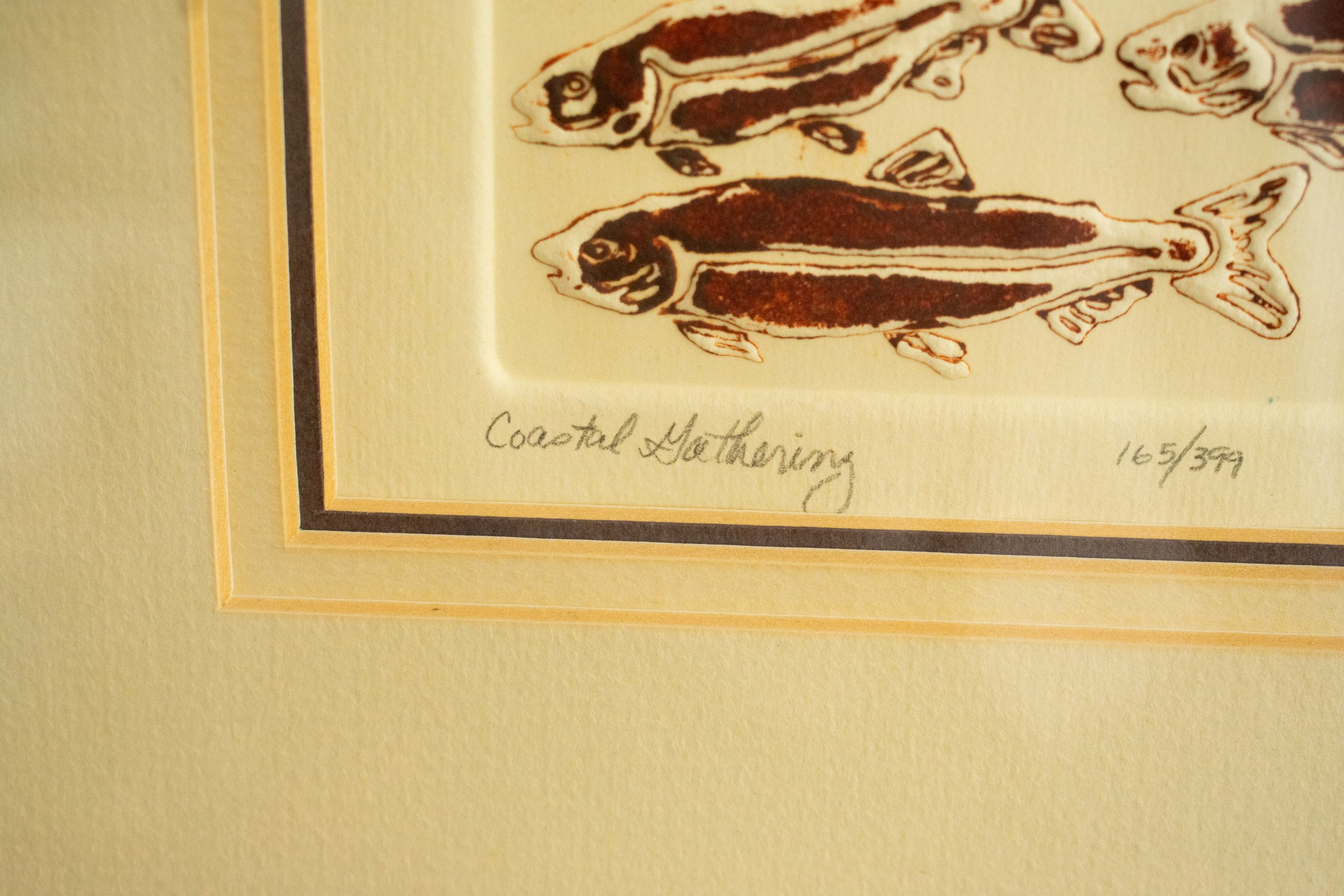
As I explored, kayak gliding silently over the dark, cold waters, I found myself constantly searching for these invisible markers. The current, strong and insistent, was one such guide, leading to eddies and calmer passages known only to those who truly understood its language. The sudden explosion of a porpoise pod breaking the surface, or the silent, watchful gaze of an eagle perched on a towering spruce, were not just wildlife sightings but potential indicators of productive fishing grounds. Every cove, every point, every island had a name, a story, and a purpose within this intricate system.
The true magic of visiting Kci-Monihkuk today lies in experiencing this landscape through the lens of those ancient maps. You don’t need a physical parchment; you need an open mind and a willingness to learn how to read the land and sea as the Passamaquoddy did. Take the humble clam flat, for instance. To the uninitiated, it’s just a stretch of mud and sand. But an ancestral map would highlight its specific contours, the type of substrate, the prevailing currents that bring nutrients, and the best times – and methods – for harvesting. It would differentiate between soft-shell clams (steamed or fried) and the tougher quahogs (perfect for chowder), knowing exactly where each thrived. Standing knee-deep in the mud, feeling the cool grit beneath my fingers as I dug, I felt a visceral connection to generations of Passamaquoddy people performing the same age-old ritual, their lives sustained by this same generous earth.
Beyond the practicalities of sustenance, the ancestral maps also delineated sacred spaces, ceremonial grounds, and places for spiritual reflection. These weren’t just about food; they were about worldview, about a reciprocal relationship with Pekwolihkomon (our Mother Earth). The act of gathering was always imbued with respect, gratitude, and an understanding of sustainability – taking only what was needed, leaving enough for future generations, and acknowledging the spirit of the place. Walking through ancient spruce forests that fringe the bay, the air thick with the scent of pine and salt, I could almost hear the echoes of ceremonies, the rustle of sweetgrass gathered for purification, the quiet conversations of families sharing stories by the shore.
One particularly striking aspect of the Passamaquoddy’s coastal gathering wisdom is their mastery of the intricate tide cycles. The Bay of Fundy boasts the highest tides in the world, with differences often exceeding 50 feet. An ancestral map wasn’t just a two-dimensional representation; it was a four-dimensional one, incorporating time. It understood when a certain island would become accessible by foot at low tide, or when a particular channel would be safe for canoe travel. It knew the precise moment to set a weir to catch the outgoing fish, or to collect periwinkles exposed on newly revealed rocks. This profound temporal understanding allowed them to maximize their resource utilization while minimizing risk. As I watched the tide surge in, transforming exposed mudflats into deep channels in a matter of hours, the genius of this knowledge became undeniably clear.

For the modern traveler, this heritage area offers a unique opportunity for both adventure and introspection. Kayaking along the coast, you’re not just paddling; you’re tracing ancient routes. Hiking coastal trails, you’re walking paths trodden for millennia. Tide pooling reveals a miniature world of marine life, a tiny ecosystem that sustained and fascinated the Passamaquoddy. Observing seabirds – guillemots, cormorants, eiders – you’re witnessing the same avian life that served as indicators and resources for their ancestors. The very act of collecting sea glass or driftwood becomes a meditative connection to the endless cycle of the ocean, a cycle deeply understood and revered by the original inhabitants.
This journey isn’t just about observing the past; it’s about understanding the present and informing the future. The Passamaquoddy people are still here, still connected to these lands and waters, actively working to preserve their culture, language, and traditional ecological knowledge. Visiting Kci-Monihkuk, or any ancestral Passamaquoddy territory, is an invitation to engage with this living heritage. It’s a call to respect the land, to learn about its history, and to appreciate the profound wisdom of those who have been its stewards for countless generations.
To truly grasp the essence of Passamaquoddy ancestral maps of coastal gathering, one must shed the modern reliance on external navigation and allow the landscape to speak for itself. Listen to the roar of the tide, feel the wind carry the scent of the ocean, watch the patterns of the birds and the movement of the currents. These are the elements that formed the basis of those maps, the very data points that guided a people to thrive in a challenging yet abundantly generous environment. This isn’t just a picturesque destination; it’s a classroom without walls, a living testament to an enduring relationship between people and place, a profound journey into the heart of ancestral wisdom that continues to echo across the waves of Passamaquoddy Bay. It reminds us that the most valuable maps are not always drawn on paper, but etched into the very soul of a people and the land they call home.

.png?format=750w "Journeying Through Time: Unearthing Ancient Wisdom on Passamaquoddy Coastal Gathering Grounds")

