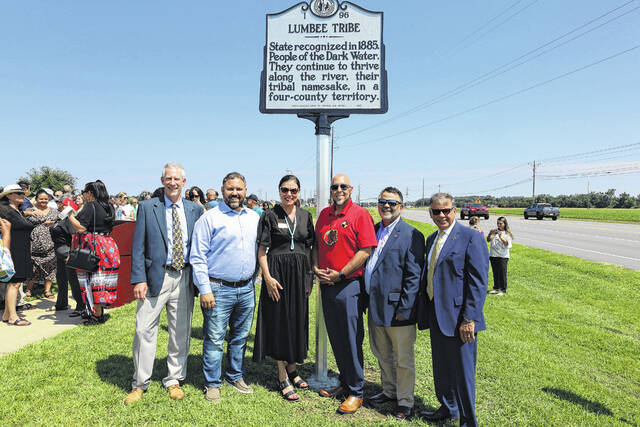
This is not a review of a single monument or a curated tourist attraction. This is a deep dive into a landscape, a living history, and a resilient identity, all revealed through the profound lens of the Lumbee Tribe’s maps of historical communities. Forget your conventional GPS; to truly understand this place, you need to consult the maps drawn by a people who have lived here for centuries, long before state lines or modern highways dictated the narrative. The "location" we are reviewing is not a static point, but the entire historical Lumbee homeland, primarily encompassing Robeson County and parts of surrounding counties in southeastern North Carolina, as articulated and remembered through these vital cartographic records.
The Maps: More Than Lines, They Are Lifelines
The Lumbee historical community maps are not merely academic exercises; they are testimonials to endurance. They chart the pre-colonial and post-colonial settlements, the family clusters, the churches, schools, and gathering places that formed the bedrock of Lumbee society. These maps depict a sprawling, interconnected network of communities like Prospect, Wakulla, Fairgrove, Union Chapel, Saddletree, and many more, each a vital node in the Lumbee story. When you look at these maps, you aren’t just seeing geography; you’re seeing generations, relationships, and an unwavering connection to the land.
My "review" focuses on the experience of traversing this landscape with these maps – conceptual or physical – guiding your understanding. It’s about how the modern landscape reveals, conceals, and resonates with the deep historical presence documented by the Lumbee people themselves.

Navigating the Heart: Pembroke and the Cultural Core
Our journey begins, as many do, in Pembroke, the undisputed cultural and political heart of the Lumbee Nation. Pembroke is not just a town; it’s a statement of Lumbee self-determination. Driving into Pembroke, the immediate impression is one of a vibrant, active community. Unlike historical sites that might feel preserved under glass, Pembroke thrives with an energy that speaks to a living culture.
The most prominent landmark, and a crucial point of reference for understanding Lumbee identity, is the University of North Carolina at Pembroke (UNCP). Founded in 1887 as the Croatan Normal School for the education of American Indians, UNCP stands as a testament to Lumbee foresight and commitment to education. Visiting the campus, you feel the weight of this history. The robust American Indian Studies department, the diverse student body, and the university’s deep ties to the Lumbee Tribe underscore its foundational purpose. This isn’t just a university; it’s a cultural anchor, a place where Lumbee history is taught, researched, and celebrated. For a traveler, UNCP offers a tangible connection to the Lumbee narrative, often hosting public events, lectures, and exhibitions that provide invaluable insights.
Nearby, the Lumbee Tribal Cultural Center (or similar tribal administrative buildings and community centers) serve as the contemporary manifestation of those mapped historical gathering places. While the specific architecture may be modern, the function remains the same: a central point for governance, community services, and cultural preservation. Here, you can find information, engage with tribal members, and often witness the ongoing work of maintaining and promoting Lumbee heritage. This is where the historical maps truly come alive – not as dusty relics, but as living blueprints for ongoing community organization.

Tracing the Water: The Lumbee River (Lumber River)
The Lumbee River, often referred to as the Lumber River on official maps, is the undisputed artery of the Lumbee homeland, and its centrality is evident in any historical map of the region. This slow-moving, blackwater river, winding through cypress and pine forests, is more than a geographical feature; it is an ancestral relative, a provider, and a silent witness to centuries of Lumbee life.
Driving along its banks, or better yet, paddling its dark waters, you begin to grasp the profound connection. The river provided sustenance, served as a natural highway between communities, and offered refuge during times of conflict. The historical maps implicitly highlight this by showing communities clustered along its tributaries and oxbows. When you see the river today, largely unchanged in its wilder sections, you are seeing a landscape that directly informed the placement and survival of those early Lumbee communities.
The experience of being on the river is meditative. The sounds of birds, the rustle of leaves, the quiet dip of a paddle – it strips away the modern world and connects you directly to the past. It’s a powerful reminder that while much has changed, the fundamental relationship between the Lumbee people and this land, defined by its waterways, remains unbroken. This is where the historical maps aren’t just showing where people lived, but how they lived, intimately tied to the natural world.

The Historical Communities: Echoes in the Landscape
This is where the "review" gets nuanced. Unlike a visit to a reconstructed colonial village, the Lumbee historical communities are not always marked with interpretive signs or neatly preserved structures. Many of the original homesteads are long gone, replaced by newer homes, cultivated fields, or reforested land. However, the spirit of these mapped communities persists.
Driving through areas like Prospect, Wakulla, or Union Chapel – names that appear consistently on Lumbee historical maps – you observe the continuity. You see family cemeteries nestled in groves of trees, some dating back generations. You see churches, many of which bear the names of these historic communities, serving as vital spiritual and social hubs, often founded by Lumbee families. These churches, some over a century old, are living monuments to the community spirit mapped out by Lumbee historians.
The land itself speaks volumes. The fertile fields, the distinctive longleaf pine forests, the swampy lowlands – these are the very elements that dictated settlement patterns and livelihoods for centuries. Understanding the historical maps means understanding why a particular cluster of homes emerged near a creek, or why a community like Prospect developed on slightly higher, drier ground.
For the traveler, this requires a different kind of engagement. It’s not about ticking off landmarks. It’s about slowing down, observing, and engaging your imagination. It’s about recognizing the subtle cues: a mail truck stopping at a rural mailbox, knowing that a family has lived on that very spot for generations; seeing a sign for a small, locally owned business, understanding it’s part of a continuing economic network. The historical maps provide the context for these observations, turning an ordinary drive through rural North Carolina into a profound historical journey.
Engaging with Living Culture: Beyond the Physical

The historical maps aren’t just about the past; they are about the present and future. The Lumbee people are not a relic; they are a vibrant, active community. To truly "review" the experience of engaging with their historical communities, one must engage with the living culture.
The annual Lumbee Homecoming, typically held in July, is the most vivid manifestation of this. It draws thousands of Lumbee people back to Robeson County, transforming Pembroke into a bustling hub of family reunions, cultural events, music, dance, and food. Attending Homecoming is like witnessing the historical maps come to life in a dynamic, celebratory way. It’s a powerful demonstration of the enduring bonds between the people and their ancestral lands, a testament to the strength of communities charted generations ago.
Beyond Homecoming, opportunities to engage with Lumbee culture can be found in local art galleries featuring Lumbee artists, community events, and simply by interacting with Lumbee people. The Lumbee are known for their hospitality, and respectful inquiry is often met with generosity and a willingness to share. This personal connection is arguably the most rewarding aspect of exploring the Lumbee homeland, as it brings the human story behind the maps to the forefront.
The Review: Strengths and Nuances for the Traveler
Strengths:
- Profound Historical Depth: The region, viewed through the lens of Lumbee historical maps, offers an incredibly rich and deep sense of history that goes far beyond colonial narratives. It’s a story of continuous occupation, adaptation, and resilience.
- Authentic Cultural Immersion: This is not a manufactured tourist experience. It’s an opportunity to engage with a living, thriving Indigenous culture on its own terms, in its own homeland.
- Beautiful Natural Landscape: The Lumbee River and the surrounding forests offer serene natural beauty, perfect for contemplation, paddling, and reconnecting with nature.
- Educational Value: For those interested in American Indian history, Southern history, or the complexities of identity and self-determination, this region provides invaluable insights. UNCP and the tribal centers are excellent starting points.
- Sense of Resilience and Pride: The overwhelming feeling one takes away is the strength, pride, and enduring spirit of the Lumbee people. The maps tell a story of survival against immense odds, and that story is palpable in the communities today.
Nuances/Considerations for the Traveler:
- Not a "Tourist Trap": If you’re looking for clearly marked historical sites, gift shops at every turn, or a highly structured tour, this is not that kind of destination. It requires an active, curious, and respectful approach.
- Requires Contextual Understanding: To fully appreciate the significance of what you’re seeing, some prior research into Lumbee history and their unique identity is highly recommended. The maps themselves provide the framework, but understanding the stories behind them enhances the experience immensely.
- Respectful Engagement is Key: Many historical sites are on private land or are community spaces (like churches) that require respect and sensitivity. Engaging with Lumbee people should always be done with courtesy and an open mind.
- Dispersed Nature: The historical communities are spread out across a rural county. Exploring them means driving through winding country roads, rather than walking a compact historical district. This contributes to the immersive feel but requires planning.
Practicalities for the Traveler:
- Best Time to Visit: While any time of year offers beauty, attending Lumbee Homecoming in July provides the most vibrant cultural experience. Spring and Fall offer pleasant weather for exploring the natural landscape.
- Resources: Start with the official Lumbee Tribe of North Carolina website, the American Indian Studies department at UNC Pembroke, and local historical societies. These resources can provide invaluable context and point you to specific places of interest.
- Support Local: Engage with local businesses, restaurants, and artisans. Your presence and patronage support the ongoing vitality of the Lumbee communities.
Conclusion: A Journey Through Living History
To review the "location" associated with the Lumbee Tribe’s maps of historical communities is to review an entire worldview. It’s an overwhelmingly positive experience for anyone seeking a genuine, deeply meaningful connection to American history and Indigenous culture. These maps are not just historical documents; they are a guide to a living landscape, a testament to enduring identity, and an invitation to understand a story that is both ancient and vibrantly contemporary.
The "place" isn’t just Robeson County on a government-issued map; it is the Lumbee Homeland, revealed in all its complexity, resilience, and beauty by the maps drawn from the heart of its people. It’s a journey not to be rushed, but to be savored, understood, and deeply respected. Go there, consult the maps, and listen to the land; it has much to tell you.

