Navigating Ancient Tides: Tracing the Tlingit Nation’s Historical Trade Routes
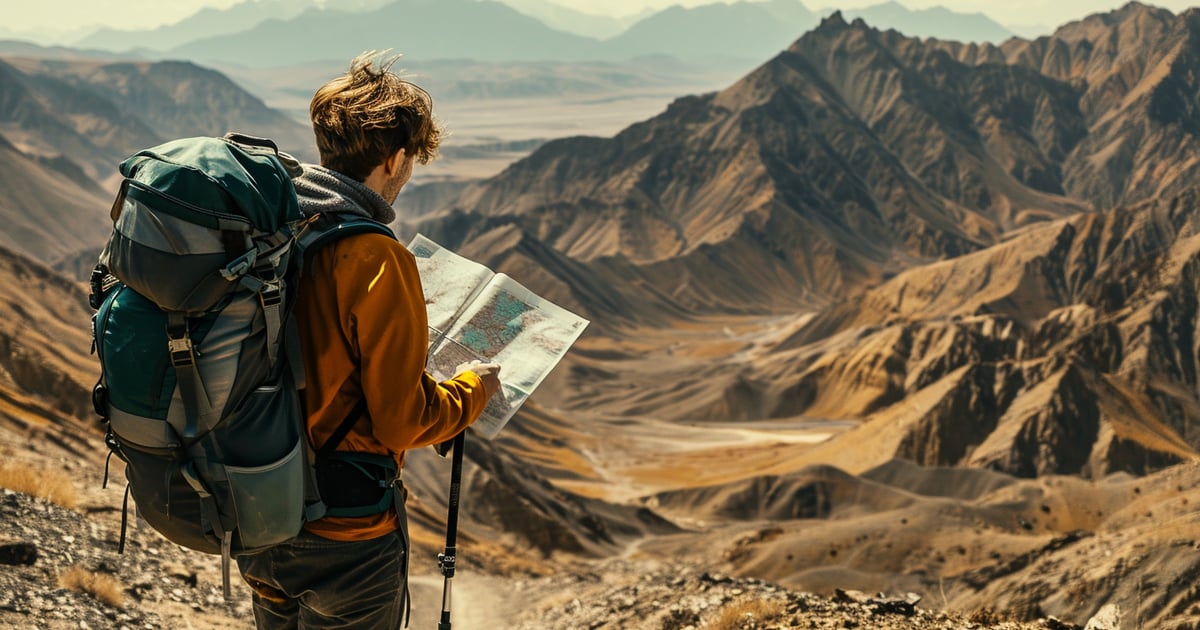
Forget sterile lines on a modern atlas. To truly understand the Tlingit Nation’s historical trade routes is to embark on a journey through a living, breathing map – one etched not on paper, but into the very fabric of the land, sea, and sky of Southeast Alaska, Northern British Columbia, and the Yukon. This isn’t just about tracing paths; it’s about immersing yourself in an ancient, sophisticated network of commerce, culture, and survival that predates colonial contact by millennia. It’s an adventure into the heart of a powerful maritime and interior nation, where every fjord, every river, and every mountain pass tells a story of ingenuity, resilience, and profound connection to place.
Imagine the vast, emerald expanse of the Inside Passage, where glacier-carved fjords meet temperate rainforests, and the distant peaks of the Coast Mountains loom like ancient sentinels. This intricate labyrinth of waterways was the Tlingit’s superhighway, a maritime thoroughfare navigated with unparalleled skill in magnificent cedar canoes. These aren’t merely "routes" in the Western sense of point A to point B; they are arteries of a vibrant economic system, pulsing with the exchange of goods, knowledge, and power.
The Inside Passage: A Liquid Lifeline

For the Tlingit, the ocean wasn’t a barrier; it was the ultimate connector. Their knowledge of currents, tides, weather patterns, and resource locations was their most valuable "map." From the northern reaches near Yakutat down to the southern territories around Ketchikan, Tlingit clans controlled vital segments of this aquatic highway. Their large, seaworthy canoes, carved from single cedar logs, could carry dozens of people and tons of cargo, traversing hundreds of miles.
What flowed through these routes? An astonishing array of goods. From the coastal communities came the prized oolichan (candlefish) grease, a highly sought-after commodity rich in fat and calories, used for both food and trade. Dried fish, especially salmon and halibut, as well as marine mammal products like seal oil and sea otter pelts, were crucial exports. Cedar planks, vital for construction and crafting, were another key item. From the interior, through specific land routes, came valuable resources like obsidian for tools, copper for adornment and wealth, furs from land animals, and even Dall sheep horn, used for crafting intricate spoons. Slaves, captured in raids or traded from other nations, also formed a significant, albeit tragic, part of the pre-contact economy.
Specific locations along the Inside Passage served as vital hubs. Hoonah, nestled on Chichagof Island, was a strategic location for accessing resources and connecting with interior routes. Sitka (Sheet’ká), with its rich marine resources and defensive advantages, was a powerful Tlingit settlement long before Russian arrival. The Stikine River, a major waterway emptying into the Passage near Wrangell (Ḵaachx̱an.áakʼw), served as a critical gateway to interior trading partners, making the Stikine Tlingit exceptionally wealthy and influential middlemen. These places weren’t just dots on a map; they were vibrant centers of trade, diplomacy, and cultural exchange, where Tlingit language, customs, and artistry flourished.
Beyond the Coast: The Chilkoot Trail – A Mountainous Artery

While the Inside Passage defined the Tlingit’s maritime prowess, their influence extended deep into the interior via arduous mountain passes. The most famous, and perhaps most challenging, of these "maps" was the Chilkoot Trail. Before the Klondike Gold Rush catapulted it into global infamy, the Chilkoot was a well-established and fiercely controlled trade route used by the Chilkoots (Daḵlʼaweidí clan of the Tlingit) for centuries.
Starting from Dyea (Deiyá) at the head of Taiya Inlet, a branch of the Inside Passage, the trail snaked 33 miles over the treacherous Chilkoot Pass, climbing 3,500 feet through dense forest, over boulder fields, and across glaciers, before descending to the headwaters of the Yukon River system. This was no leisurely hike. It was a brutal, vertical ascent, especially challenging when laden with heavy packs.
The Chilkoot Tlingit acted as indispensable middlemen. They transported coastal goods – oolichan grease, dried fish, shell currency (dentalium), and European trade goods after contact – over the pass to exchange with interior Athabascan-speaking peoples (Tagish, Southern Tutchone, Han) for furs, copper, and obsidian. Their deep knowledge of the trail, its weather, and its dangers was paramount. They were the guides, the porters, and the gatekeepers, charging tolls and setting prices, ensuring their strategic economic advantage. The trail was their "map," understood not just as a physical path but as a complex system of logistics, risk management, and intertribal relations.
Other vital land routes included the Dalton Trail (Áa Tleen Níkh), connecting Chilkat territory to interior Athabascan lands, and routes along the Alsek River, each with its own specific challenges, resources, and controlling clans. These interior routes demonstrate the Tlingit’s holistic understanding of their vast traditional territory – a map that encompassed both the abundant sea and the challenging, resource-rich mountains.
The Living Map: Oral Traditions, Place Names, and Ancestral Knowledge
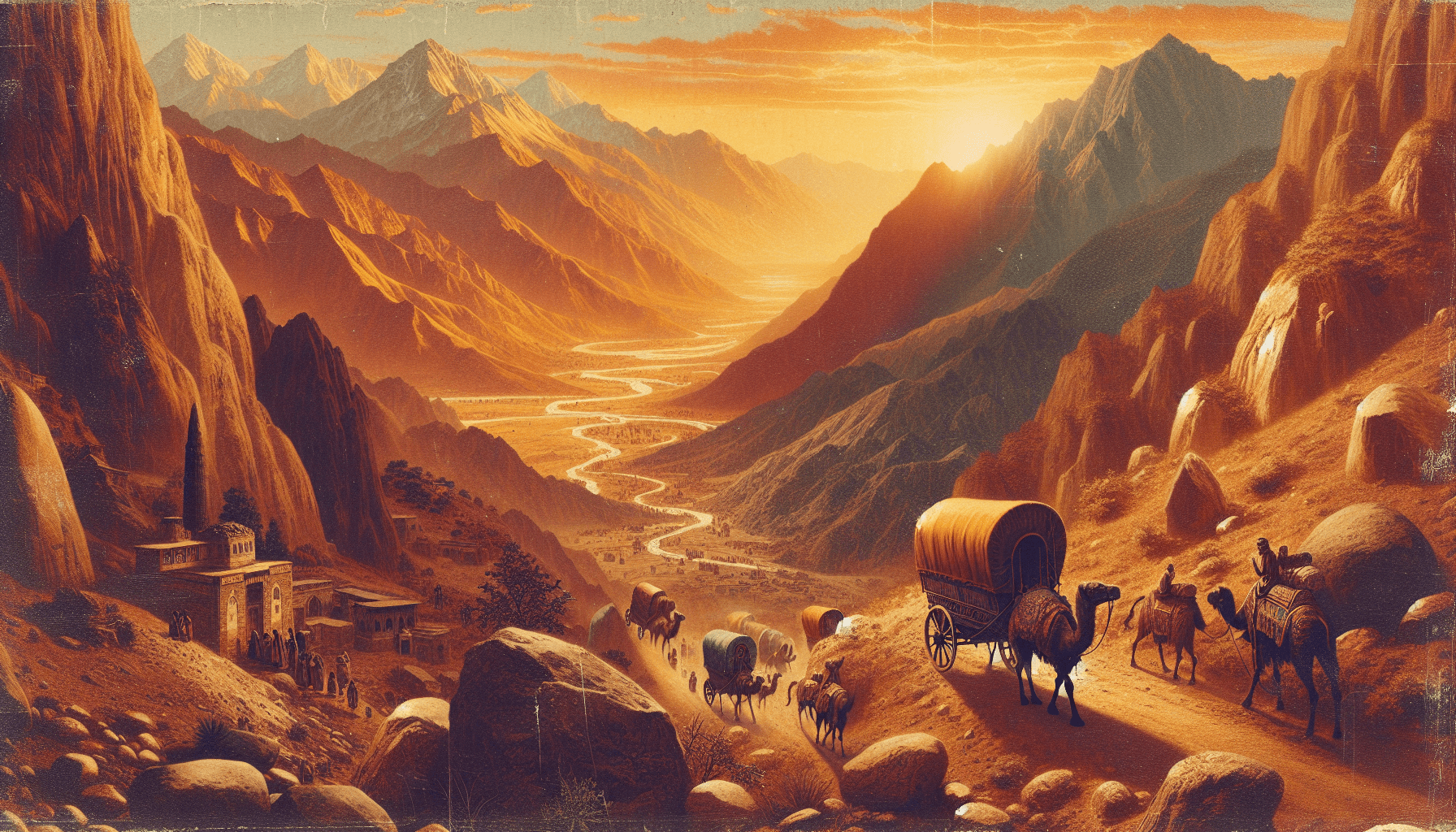
The "maps" of the Tlingit Nation were not static parchment or digital screens. They were dynamic, living repositories of knowledge passed down through generations. Oral histories, songs, and stories meticulously documented navigation hazards, resource locations, territorial boundaries, and historical events. Every island, every point, every stream had a Tlingit name, rich with meaning, often describing its characteristics, its resources, or a historical event that occurred there. These names served as mnemonic devices, guiding travelers and reinforcing collective memory.
For instance, a place name might denote "where the salmon are abundant in fall," or "the dangerous rapids," or "the place of the raven’s transformation." This sophisticated system of nomenclature was a navigational tool far more nuanced than any modern chart, integrating ecological understanding with cultural narrative. The ancestral knowledge of tides, the movement of fish and game, the seasonal availability of berries, and the properties of medicinal plants – all formed layers of this intricate, living map.
This deep connection to place extended to a spiritual dimension. The land and sea were not merely resources; they were imbued with spirit, cared for, and respected. Travelers understood they were moving through territories sustained by ancestral spirits, where every action had a consequence. This respect for the environment was an integral part of their "map," dictating sustainable practices and reinforcing the Tlingit’s stewardship of their homeland.
Experiencing the Ancient Routes Today: A Traveler’s Guide
For the modern traveler, retracing these ancient Tlingit trade routes offers an unparalleled opportunity for immersion and reflection. This isn’t just a scenic tour; it’s a journey into the soul of a living culture.

1. Navigate the Inside Passage:
- Cruise or Ferry: Take an Alaska Marine Highway ferry or a small expedition cruise. While luxury liners provide views, smaller vessels or ferries offer a more intimate connection, allowing you to stop in coastal communities like Juneau (Dzánti Kʼihíni), Sitka, Wrangell, and Ketchikan.
- Kayaking/Canoeing: For the adventurous, guided multi-day kayak trips through protected inlets and fjords offer the most authentic way to experience the Tlingit’s primary mode of transport. Paddle through the emerald waters, past towering cliffs and ancient forests, and you can almost hear the whispers of cedar paddles and ancestral chants.
- Wildlife Viewing: Keep an eye out for humpback whales, orcas, seals, and eagles – creatures that have shared these routes with the Tlingit for millennia and are integral to their stories and cosmology.
2. Hike the Chilkoot Trail:
- A Historic Trek: The Chilkoot Trail is now a joint U.S./Canadian National Historic Park. Hiking its 33 miles is a challenging but incredibly rewarding experience, typically taking 3-5 days. You’ll follow in the footsteps of both Tlingit traders and gold rush stampeders.
- Cultural Interpretation: Interpretive signs along the trail highlight its Tlingit history, including their role as guides and their control over the pass. It’s a stark reminder of their resilience and adaptability in the face of immense change.
- Permits and Planning: This is a serious wilderness trek requiring permits, extensive planning, and proper gear. But the views, the history, and the profound sense of accomplishment are worth every step.
3. Engage with Tlingit Culture:
- Cultural Centers: Visit the Sealaska Heritage Institute in Juneau, the Sitka National Historical Park (featuring Tlingit totem poles and a cultural center), and local museums in coastal towns. These institutions offer invaluable insights into Tlingit art, history, and language.
- Community Visits: Seek out opportunities to engage respectfully with Tlingit communities. Attend public cultural events, witness traditional dances, and listen to the stories of Elders. This direct interaction is the most powerful way to understand the enduring legacy of these routes and the vibrant culture they sustained.
- Support Tlingit Artists and Businesses: Purchase authentic Tlingit art and crafts, supporting the living traditions that continue to thrive.
4. Reflect on the "Maps" of Knowledge:
- Observe and Listen: As you travel, pay attention to the natural world around you. How do the tides move? Where do the salmon spawn? What trees grow here? This mindful observation echoes the Tlingit’s own deep ecological knowledge.
- Learn Place Names: If possible, learn some Tlingit place names. Understanding the meaning behind them offers a window into the historical and cultural significance of the locations.
The Tlingit Nation’s historical trade routes are more than just lines on a map; they are a testament to an ancient civilization’s profound understanding of its environment, its sophisticated economic systems, and its enduring cultural strength. To journey along these paths today is to connect with a history that pulses beneath the surface of modern Alaska and British Columbia – an invitation to witness the living legacy of master navigators, traders, and stewards of a magnificent land and sea. It’s an adventure that will not only show you breathtaking landscapes but also challenge your perceptions of history, commerce, and the very concept of a "map." Come, and let the ancient tides carry you into a story thousands of years in the making.

