Journey to the Heart of Blackfoot Alliances: A Review of Blackfoot Crossing Historical Park
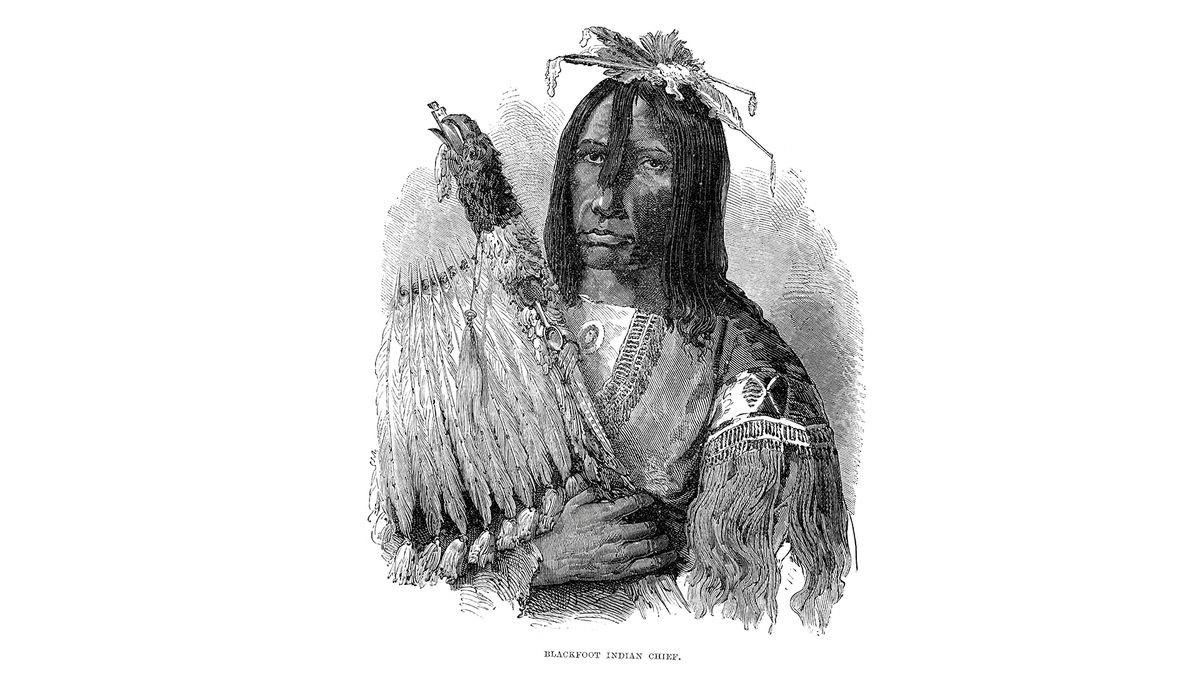
Blackfoot Crossing Historical Park, nestled on the Siksika Nation reserve in Alberta, Canada, is not merely a museum; it is a profound journey into the very fabric of the Blackfoot Confederacy’s existence, offering an unparalleled insight into their intricate “maps” of historical alliances and territorial dynamics. For the traveler seeking to move beyond superficial tourism and engage deeply with Indigenous history, this site is an essential pilgrimage, a living testament to a powerful nation and its enduring legacy.
From the moment you arrive, the expansive prairie landscape, framed by the distant Rockies and the winding Bow River, speaks volumes. This is the traditional territory of the Siksikaitsitapi, the People of the Blackfoot, and Blackfoot Crossing itself holds immense significance as the site where Treaty 7 was signed in 1877. But to truly understand the Blackfoot experience, one must first grasp the concept of their "maps" – not static cartographic lines, but fluid, dynamic territories defined by oral histories, sacred sites, trade routes, hunting grounds, and shifting relationships with neighboring nations. The park excels in bringing these intangible maps to life.
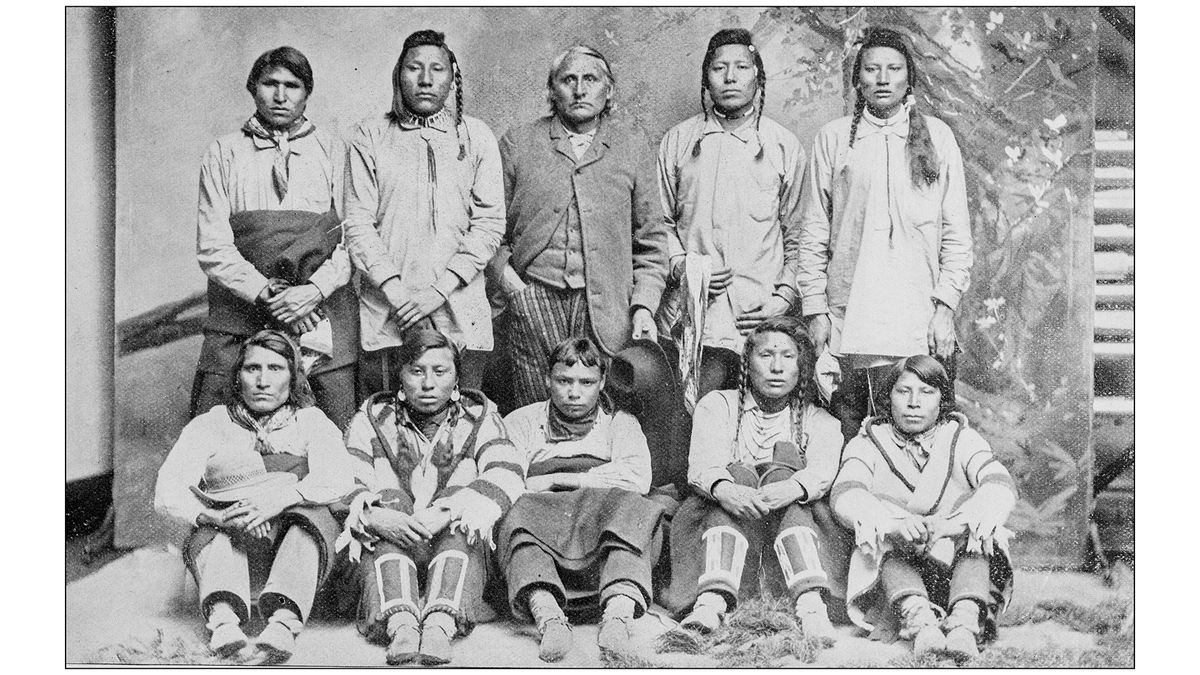
The Blackfoot Confederacy, comprising the Siksika (Blackfoot proper), Kainai (Blood), and Piikani (Peigan) of Canada, and the Aamsskáápipikani (Blackfeet Nation) of the United States, once commanded a vast territory spanning parts of present-day Alberta, Saskatchewan, and Montana. Their dominion was not simply asserted; it was meticulously maintained through a complex web of alliances, diplomacy, and, when necessary, strategic warfare. These "maps of historical alliances" were the very blueprint of their survival and prosperity on the northern Plains.
At Blackfoot Crossing, the exhibits meticulously deconstruct these ancient alliances. Through powerful visual displays, meticulously preserved artifacts, and compelling oral histories, visitors gain an understanding of who the Blackfoot’s traditional allies and adversaries were. The Crow Nation, for instance, often maintained a complex relationship with the Blackfoot – sometimes allies in trade and defense, at other times formidable rivals over buffalo hunting grounds. The Kootenai, residing west of the Rockies, were vital trade partners, exchanging furs, berries, and horses for pemmican and buffalo robes. Conversely, the Plains Cree and Nakoda (Stoney) were often historical adversaries, leading to centuries of territorial disputes and clashes over resources.
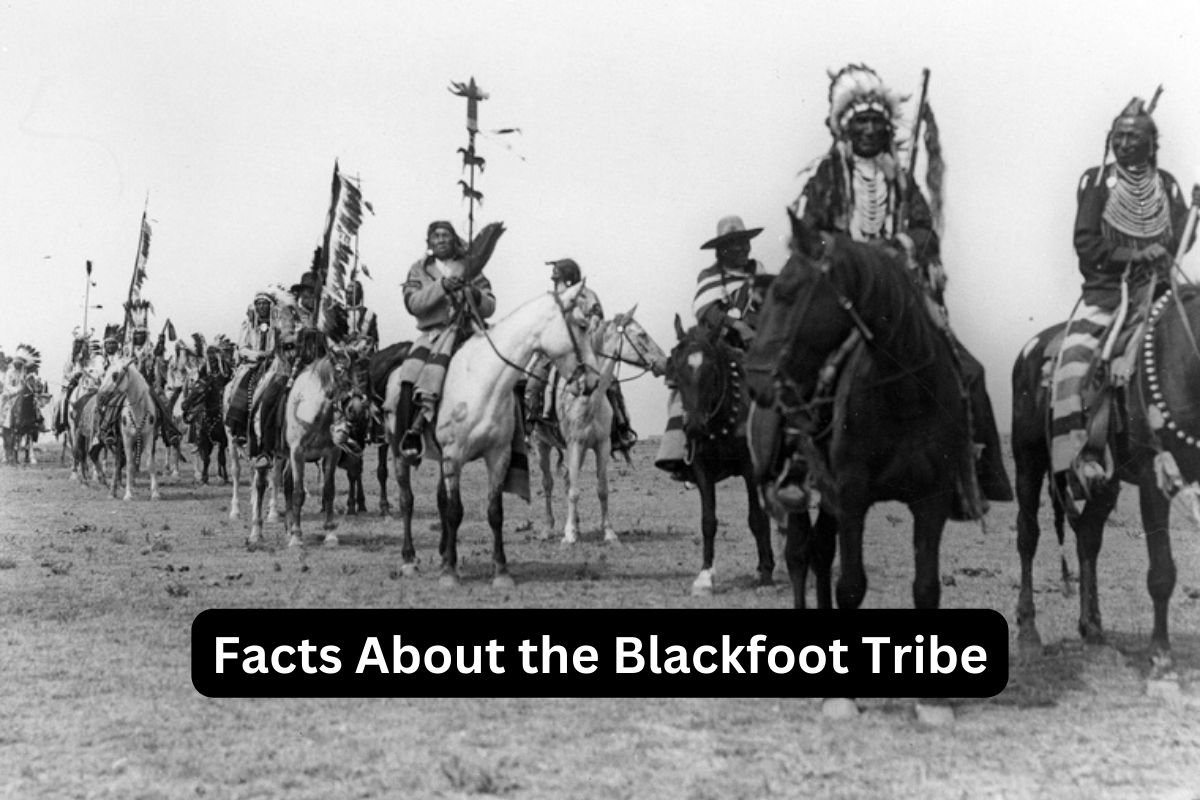
The park’s interpretive centre masterfully illustrates how these alliances were not just political but deeply economic and cultural. The movement of goods – horses, obsidian, shells, later firearms and European trade goods – across the vast Plains necessitated intricate networks of trust and negotiation. These trade routes were, in effect, arteries on the Blackfoot’s living map, connecting them to distant nations and influencing their territorial claims. The introduction of the horse in the 18th century revolutionized Blackfoot society, enabling them to hunt buffalo more efficiently and expand their territorial reach, thus altering existing alliances and creating new points of contention. The exhibits showcase how this pivotal shift directly impacted their relationships with other equestrian nations, either forging powerful partnerships or intensifying rivalries.
One of the most profound aspects of Blackfoot Crossing is its ability to convey the dynamic nature of these "maps." Unlike modern geopolitical borders, Blackfoot territories were not immutable. They expanded and contracted with the success of hunting seasons, the strength of military societies, and the ebb and flow of diplomatic ties. A successful alliance might secure access to prime buffalo ranges or strategic river crossings, while a broken one could lead to protracted conflict and territorial loss. The park utilizes interactive displays and immersive storytelling to help visitors grasp this fluidity, emphasizing that the land was not simply owned, but shared, negotiated, and defended based on a deep, reciprocal relationship with the environment and its resources.
Walking through the Treaty 7 exhibit, one gains a stark perspective on how these traditional "maps" were irrevocably altered by the arrival of European settlers and the imposition of colonial boundaries. The signing of Treaty 7 at Blackfoot Crossing marked a monumental shift, fundamentally changing the relationship between the Blackfoot Confederacy and their land, and by extension, their traditional alliances. The park does not shy away from the complexities and often tragic consequences of this historical moment, presenting it from an unapologetically Siksika perspective. This Indigenous-centric narrative is crucial for travelers, offering a vital counterpoint to Eurocentric historical accounts.
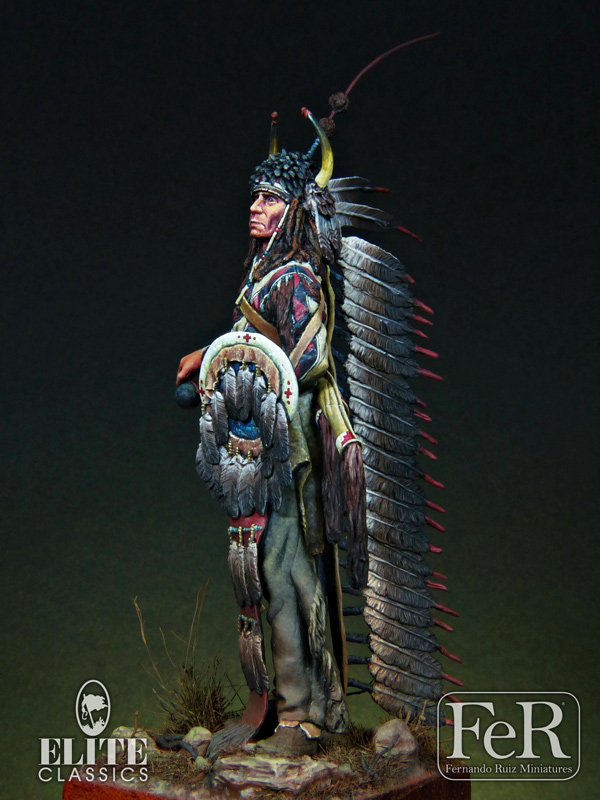
Beyond the indoor exhibits, Blackfoot Crossing offers a tangible connection to the past. The outdoor interpretive trails lead visitors to the very spot where Treaty 7 was signed, allowing for quiet contemplation of the profound decisions made there. A reconstructed tipi village provides a glimpse into traditional Blackfoot daily life, reinforcing the deep connection between their culture, the land, and the alliances that protected their way of life. Engaging with Indigenous guides, often Siksika Nation members themselves, is an invaluable part of the experience. Their personal stories, family histories, and deep cultural knowledge infuse the historical narrative with a powerful, living authenticity that no written word can fully capture. They bridge the gap between ancient maps and contemporary understanding, explaining how the legacy of these alliances and territorial claims continues to resonate within their communities today.
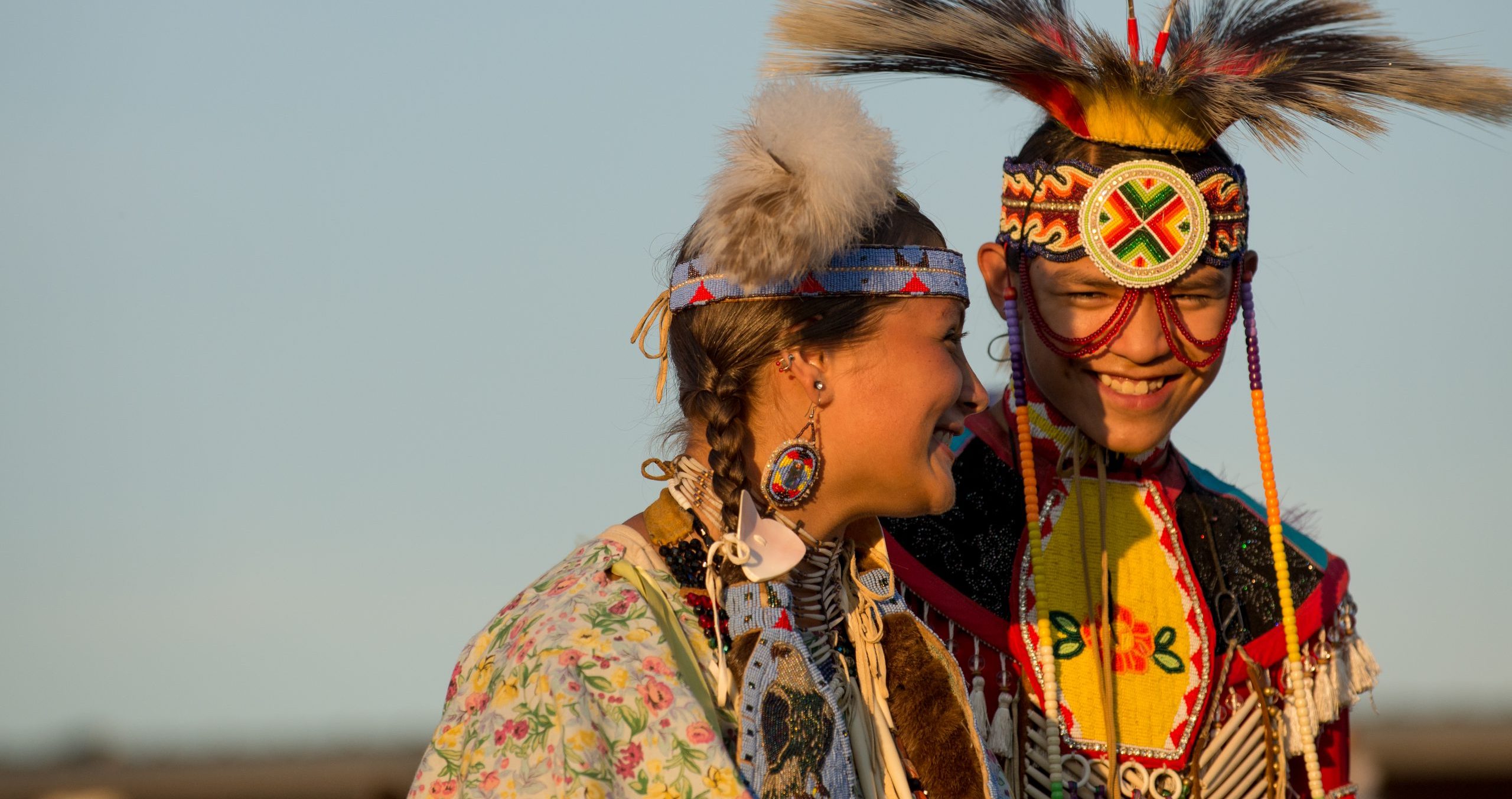
For the intrepid traveler, preparing for a visit to Blackfoot Crossing involves more than just checking opening hours. It requires an open mind and a willingness to learn, to challenge preconceived notions of history, and to listen with respect. The park’s commitment to education extends to workshops and cultural demonstrations, where visitors can learn about traditional Blackfoot crafts, ceremonies, and storytelling – all elements that were integral to maintaining the social fabric and diplomatic ties of the Confederacy. These experiences are not merely entertainment; they are windows into the spiritual and communal values that underpinned their "maps" of alliances.
In conclusion, Blackfoot Crossing Historical Park is far more than a stop on a travel itinerary; it is an educational imperative for anyone interested in the true history of North America. It offers a unique and profoundly moving opportunity to understand the Blackfoot Confederacy’s intricate “maps” of historical alliances – not as abstract concepts, but as the living, breathing reality of a powerful and resilient nation. The park’s ability to present complex history with clarity, respect, and an authentic Indigenous voice makes it an unparalleled destination. It challenges visitors to see the land differently, to understand sovereignty from an Indigenous perspective, and to appreciate the enduring strength of a culture whose past continues to shape its present. A journey to Blackfoot Crossing is a journey into the heart of a nation, leaving you with a deeper appreciation for the rich, nuanced, and often untold histories that define this continent.