The chill of the Oklahoman air, crisp and clear, felt like a clean slate, a stark contrast to the heavy history I was about to immerse myself in. I’d arrived at the Choctaw Cultural Center in Calera, Oklahoma, not just as a traveler seeking a new destination, but as someone compelled to understand the profound human story etched across the very maps of removal routes that defined a nation’s journey. This isn’t merely a museum; it’s a living testament, a vibrant echo of resilience born from unimaginable hardship.
From the moment you approach, the center makes an architectural statement. The buildings, designed with a deep reverence for Choctaw traditions, blend modern aesthetics with elements reminiscent of ancestral mound structures and traditional homes. The soaring lines and natural materials invite you in, promising not just information, but an experience. There’s no grand, intimidating entrance, but rather a welcoming embrace that prepares you for the stories within.
Stepping inside, the vastness of the space immediately impresses, yet it’s the quiet reverence that truly resonates. The journey through the exhibits begins long before the tragedy of removal, placing you firmly in the heart of the Choctaw homeland in what is now Mississippi, Alabama, and Louisiana. Here, the maps aren’t just lines on paper; they represent a vibrant, thriving culture. Detailed dioramas and interactive displays bring to life the intricate social structures, the deep spiritual connection to the land, the sophisticated agricultural practices, and the rich artistic traditions of the Choctaw people – a powerful nation known as the “Children of the Great Spirit.” You learn about their unique language, their stickball games, their matrilineal clans, and their profound understanding of the natural world. This segment is crucial, painting a vivid picture of what was lost and what was fought to preserve as the shadow of removal loomed. It grounds you in the prosperity and peace that preceded the forced exodus, making the subsequent narrative all the more poignant.
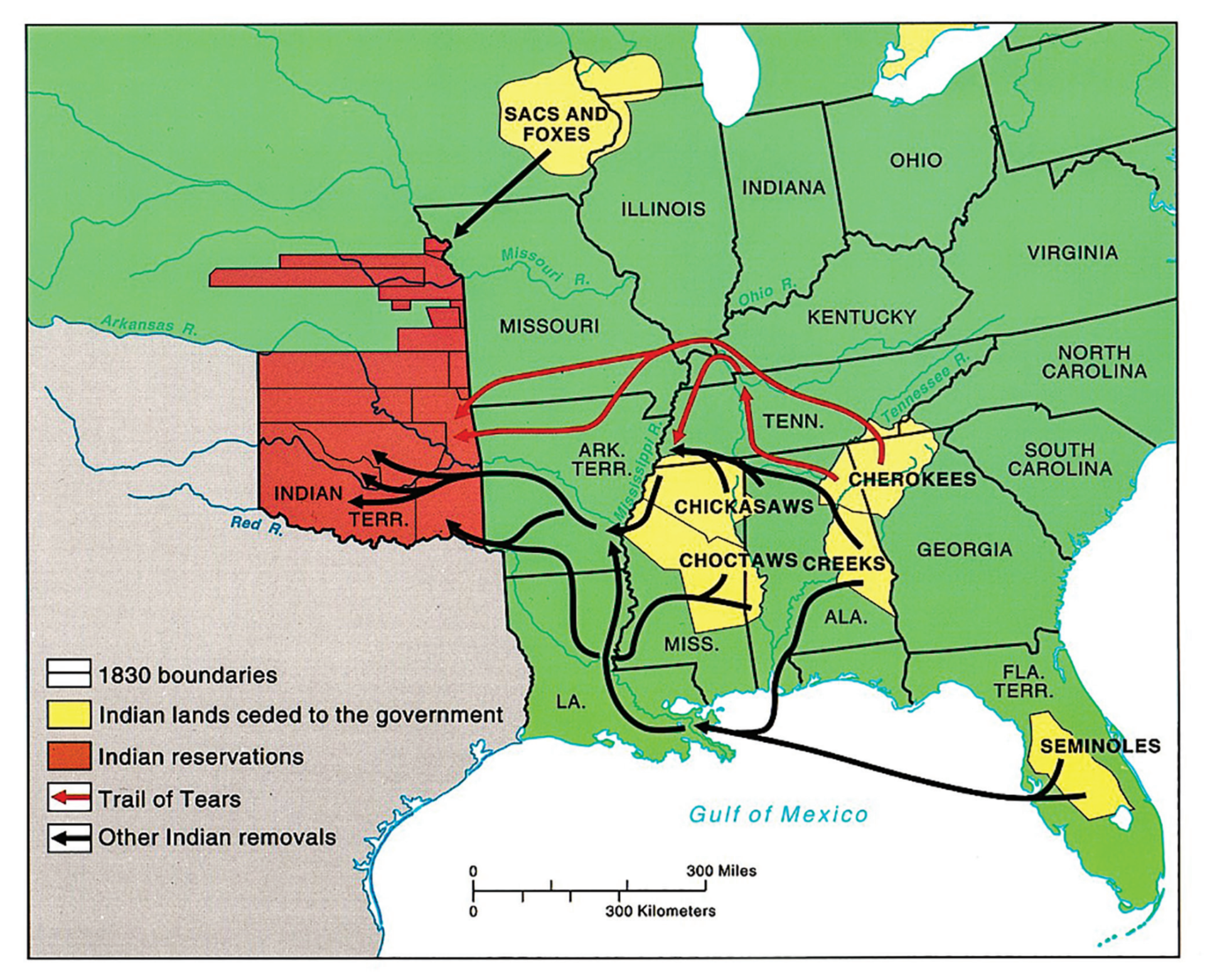
Then, the tone shifts. You move into the galleries that confront the harrowing period of the early 19th century. This is where the maps of removal routes cease to be abstract historical documents and become pathways of immense suffering and unwavering spirit. The center meticulously chronicles the series of treaties, often signed under duress and misrepresentation, that systematically stripped the Choctaw Nation of their ancestral lands. Exhibits detail the Treaty of Dancing Rabbit Creek in 1830, a turning point that sealed the fate of thousands. The sheer scale of the displacement, mandated by the Indian Removal Act, is laid bare.
What makes this center so impactful is its ability to personalize the historical data. Instead of just displaying old maps with red lines indicating routes, the exhibits use a blend of personal testimonies, original artifacts, and stunning visual reconstructions. You see copies of petitions from Choctaw leaders pleading for their rights, documents detailing the logistical nightmares of the forced marches, and heartbreaking accounts from survivors. One particularly moving section recreates the feeling of being on the Trail of Tears – not through morbid simulation, but through carefully curated sounds, visuals, and textual narratives that convey the cold, the hunger, the disease, and the constant fear that accompanied the thousands of Choctaw men, women, and children as they were driven westward.
The maps on display here are not merely geographic representations; they are emotional landscapes. You trace the routes from Mississippi and Alabama, across the Mississippi River, through Arkansas, and finally into Indian Territory, what is now Oklahoma. These aren’t just lines; they represent the footsteps of 15,000 people, the graves of thousands who perished along the way, the river crossings fraught with danger, and the makeshift camps where families huddled for warmth. The exhibits highlight the different methods of removal – by steamboat, by wagon, and most devastatingly, by foot. The center doesn’t shy away from the brutal realities: the lack of adequate food and supplies, the exposure to harsh weather, and the devastating toll of diseases like cholera and dysentery. Yet, even amidst this recounting of suffering, there’s an undercurrent of remarkable fortitude. The stories emphasize how families stayed together, how elders protected children, and how the Choctaw spirit, though tested, never broke.
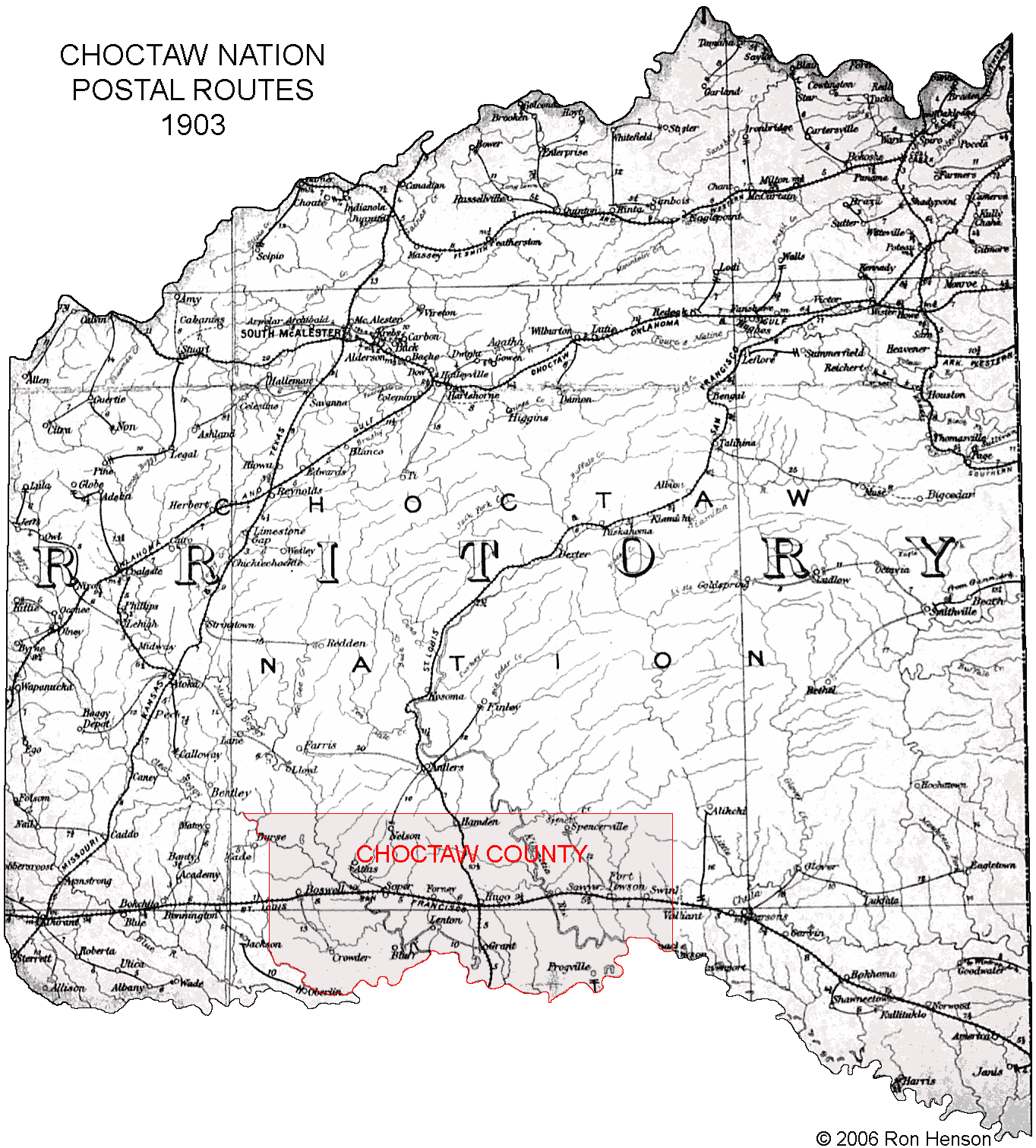
As you progress, the narrative shifts from the journey itself to the arrival and the arduous task of rebuilding a nation in a new, unfamiliar land. The maps now show the allocated lands in Indian Territory, a place they were forced to call home. The exhibits illustrate the challenges of establishing new farms, building new homes, and recreating their government and social structures from scratch. It’s a powerful testament to their resilience and adaptability. The Choctaw Nation, despite the trauma, re-established itself with a written constitution, schools, and a thriving economy, proving that a culture can be displaced but not destroyed.
Beyond the main historical narrative, the Choctaw Cultural Center offers a deeper dive into contemporary Choctaw life and continuing traditions. The language exhibit, Chahta Anumpa Aiikhvna, is a vibrant testament to the ongoing efforts to revitalize the Choctaw language. Interactive stations allow visitors to learn basic phrases, hear spoken Choctaw, and understand the nuances of its grammar. This living language, once threatened, is now flourishing, a direct legacy of the ancestors who carried it in their hearts along those removal routes. Art galleries showcase the incredible talent of Choctaw artists, both traditional and contemporary, providing a visual link between ancient craftsmanship and modern expression. From intricate basket weaving to contemporary painting, the art tells stories of identity, memory, and hope.
/https://tf-cmsv2-smithsonianmag-media.s3.amazonaws.com/filer_public/e8/14/e8147104-e888-408c-b7f8-36111de428e8/sepoct2023_e99_choctawirishconnection.jpg "Choctaw Nation maps of removal routes")
The center also includes outdoor exhibits that extend the experience. A reconstructed traditional Choctaw village, Tvshka Homma, offers a tangible sense of how the people lived before removal. Walking through the replicated homes, community buildings, and agricultural plots brings the history to life in a way that indoor exhibits alone cannot. It’s a space for contemplation, allowing you to imagine the sounds and rhythms of daily life that were so abruptly disrupted. The Stickball Field, a sacred ground for the Choctaw people, stands as a symbol of cultural continuity and communal spirit, reminding visitors that traditions endure and thrive.
My visit to the Choctaw Cultural Center was more than just a tour; it was an emotional pilgrimage. It’s impossible to walk through these halls and not feel the weight of history, but also the inspiring force of human perseverance. The center doesn’t just present facts; it fosters empathy. It challenges you to look at the maps of removal routes not as abstract historical lines, but as pathways saturated with human experience – loss, suffering, defiance, and ultimate triumph.
For any traveler seeking to understand the true depth of American history, this center is an indispensable destination. It’s a place that educates, inspires, and profoundly moves. It stands as a beacon of cultural preservation and a powerful reminder of the Choctaw Nation’s enduring spirit, a spirit that traversed those maps of removal and continues to thrive today. It’s a call to remember, to learn, and to honor a journey that shaped a nation. Leave ample time, open your heart, and prepare to be deeply impacted.