Forget the conventional tourist trails. To truly understand the heart of Upstate New York, one must first look to the maps drawn not with modern political borders, but with the ancient wisdom of the Onondaga Nation. These are not mere geographical outlines; they are living narratives, etched into the landscape, delineating traditional governance areas that speak of an enduring relationship between people and place spanning millennia. My journey into this profound landscape wasn’t about ticking off tourist attractions; it was an immersive exploration of history, sovereignty, and the deep, persistent pulse of Indigenous culture that continues to shape this region.
The term "traditional governance areas" might conjure images of dusty old maps in a museum, but to experience them is to feel the weight of history and the vibrant presence of a sovereign nation in the rustle of leaves, the flow of rivers, and the quiet dignity of the land itself. The Onondaga Nation, known as the Central Firekeepers of the Haudenosaunee (Iroquois) Confederacy, holds a sacred trust: to maintain the Great Law of Peace and to care for the lands that have sustained their people since time immemorial. Their traditional territory, a vast expanse that once stretched far beyond present-day Onondaga County, encompasses much of what is now central and eastern New York, touching parts of Pennsylvania, Vermont, and even into Canada. To review a "location" related to these maps is to review the very essence of a land that tells a continuous story, often unheard by the casual visitor.
My starting point for this unconventional review was the region immediately surrounding what is now Syracuse, New York, an area undeniably within the heart of Onondaga traditional lands. This isn’t a single "destination" in the typical travel blog sense; rather, it’s an interpretive journey across a living landscape. The modern city, with its concrete and commerce, sits atop layers of history, but a short drive in any direction reveals the deeper narrative.
The first place I sought to connect with was the land itself, specifically a stretch of the Onondaga Creek valley, a vital artery for the Nation. Standing by its banks, the water flowing steadily, it’s easy to envision the generations who have relied on this waterway for sustenance, transportation, and spiritual connection. The Onondaga maps of traditional governance areas aren’t just lines on paper; they represent intricate knowledge of water sources, hunting grounds, fishing spots, medicinal plant locations, and sacred sites. They are ecological blueprints, born from centuries of observation and sustainable interaction. As I walked a quiet, less-trafficked path along the creek, I wasn’t just seeing a stream; I was witnessing a living part of a governance system, a resource managed and revered. The air, crisp and carrying the scent of damp earth and decaying leaves, felt charged with stories. This wasn’t a curated park; it was a natural space, and understanding its significance through the Onondaga lens transforms it from a generic "pretty view" into a profound historical and cultural anchor.

Moving beyond the immediate creek banks, I extended my exploration to areas that, while now state parks or private lands, still echo the Onondaga presence. Take, for instance, the glacial Finger Lakes region, a stunning natural wonder just southwest of Syracuse. The Onondaga maps would not delineate these lakes as mere recreational spots, but as integral components of their homelands, teeming with resources and spiritual importance. Seneca Lake, Oneida Lake, Cayuga Lake – these aren’t just names; they are powerful geographical markers within the Haudenosaunee world. To stand on the shores of one of these vast, deep lakes, knowing that these waters have witnessed millennia of Onondaga life, trade, and governance, imbues the experience with an almost spiritual weight. I chose a less crowded spot at Robert H. Treman State Park, near Ithaca, which, while more to the west, still offers a tangible sense of the untouched beauty that would have characterized the broader territory. The towering cliffs, the cascading waterfalls of Enfield Glen, the ancient trees – they all speak of a timeless landscape. Here, the "governance" isn’t about rules imposed on the land, but about a reciprocal relationship, a deep respect for its life-giving power. The maps, in this context, are mental constructs, passed down through oral tradition, guiding responsible stewardship.
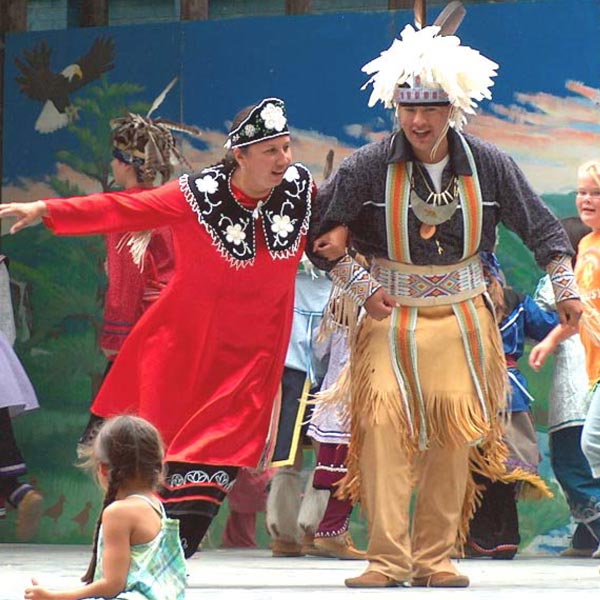
A crucial aspect of understanding Onondaga traditional governance areas is acknowledging their sovereignty. The Onondaga Nation is not merely a historical entity; it is a living, self-governing nation with its own distinct culture, language, and legal system, actively engaged in protecting its ancestral lands and educating the wider world about its history and continued presence. While direct tourist visits to the Onondaga Nation’s territory are generally not encouraged without specific invitation, there are avenues for respectful learning and engagement that illuminate the concept of their traditional governance.
One such avenue is through institutions that actively work with or acknowledge Indigenous history. The Onondaga Historical Association in Syracuse, for example, while not exclusively focused on the Onondaga Nation, offers exhibits and resources that provide context to the region’s Indigenous past and present. Engaging with their materials, I found detailed information on the Haudenosaunee Confederacy, the role of the Onondaga, and the historical impact of colonial expansion on their territories. This intellectual engagement is vital for any traveler seeking to understand the maps beyond their geographical lines. It transforms the abstract concept of "governance areas" into a tangible historical struggle for land rights, cultural preservation, and self-determination. The maps then become tools for understanding land claims, treaty violations, and the ongoing fight for environmental justice.
The most impactful aspect of reviewing these "governance areas" is the shift in perspective it demands from the traveler. It’s not about finding a single monument or attraction; it’s about seeing the entire landscape through a different lens. Every rolling hill, every dense forest, every flowing river in central New York was once – and in the Onondaga view, still is – part of a meticulously managed and deeply understood territory. The concept of "governance" here transcends modern legal frameworks. It speaks to a holistic approach to land management, where decisions were made with seven generations in mind, ensuring the health and sustainability of the environment for future descendants.
For instance, consider the Onondaga Lake area. Today, it’s a site of ongoing environmental remediation, a testament to the industrial pollution that severely degraded what was once a sacred and vital resource for the Onondaga Nation. When viewing the lake, it’s impossible to ignore this contemporary struggle. The Onondaga Nation has been a leading voice in the efforts to clean up the lake, asserting their inherent rights and responsibilities as traditional stewards. Their traditional maps, even if not physically present in my hand, guide this advocacy. They remind us that the lake is not just a body of water but a sacred place, a source of life, and a central feature of their traditional governance area, demanding protection and healing. My "review" of this specific location, therefore, becomes a recognition of both historical devastation and ongoing resilience, a call to acknowledge the profound connection between the Onondaga people and this polluted, yet sacred, waterbody.
My journey also led me to reflect on the importance of land acknowledgments. Many institutions and events in Upstate New York now begin with an acknowledgment that they are situated on the traditional lands of the Onondaga Nation or other Haudenosaunee nations. These are not mere formalities; they are invitations for travelers and residents alike to remember and respect the original custodians of the land. When I encountered such an acknowledgment at a community event, it resonated deeply with my understanding of the Onondaga maps. It was a verbal recognition of the invisible lines of governance, the enduring presence, and the historical truths that modern society often overlooks.
In conclusion, "reviewing" the locations related to Onondaga Nation maps of traditional governance areas is not a typical travel experience. There are no star ratings or "best times to visit" in the conventional sense. Instead, it is a profound journey of education, empathy, and recognition. It requires slowing down, listening to the land, and engaging with history not as a static past, but as a living, breathing present.
My recommendation for any traveler is this: approach central New York with an open mind and a willingness to learn. Seek out resources from the Onondaga Nation (such as their website, which often provides educational materials), visit local historical societies that work respectfully with Indigenous communities, and most importantly, simply spend time in the natural landscapes. As you walk through the forests, by the lakes, and along the rivers, imagine these spaces not as empty wilderness or mere recreation areas, but as territories stewarded by a people whose maps were drawn not with ink, but with generations of wisdom, respect, and deep connection. These maps represent a profound lesson in sustainability, sovereignty, and the enduring power of a culture intertwined with its land. It is an experience that transcends tourism, offering instead a rare glimpse into the heart of a nation and its timeless connection to its ancestral home. This journey irrevocably changes how one sees the land, transforming it from a mere backdrop into a vibrant, living testament to Indigenous resilience and ongoing governance.