Beyond the Scenic Vista: Unpacking the Map of Native American Incarceration Rates
As you traverse the vast and varied landscapes of North America, from the majestic Rockies to the serene Great Lakes, you are traveling through lands steeped in history – not just of geological formation or colonial conquest, but of vibrant Indigenous nations whose stories predate recorded history and continue to unfold. Many travel blogs focus on the picturesque, the adventure, the culinary delights. This article, however, invites you to look deeper, to understand a stark and often overlooked reality embedded within these lands: the disproportionately high incarceration rates among Native American populations, a phenomenon graphically illustrated by the "Map of Native American Incarceration Rates."
This map is not merely a collection of statistics; it is a searing indictment of systemic injustice, a visual representation of centuries of trauma, policy failures, and cultural erosion. For the conscientious traveler and history enthusiast, understanding this map is crucial to truly comprehending the complex identity and struggles of Native American communities today. It’s about moving beyond the romanticized image of "noble savages" or the tragic narrative of a "disappearing race" and engaging with the living, breathing, resilient nations that continue to fight for justice, sovereignty, and cultural survival.
The Map: A Stark Reality
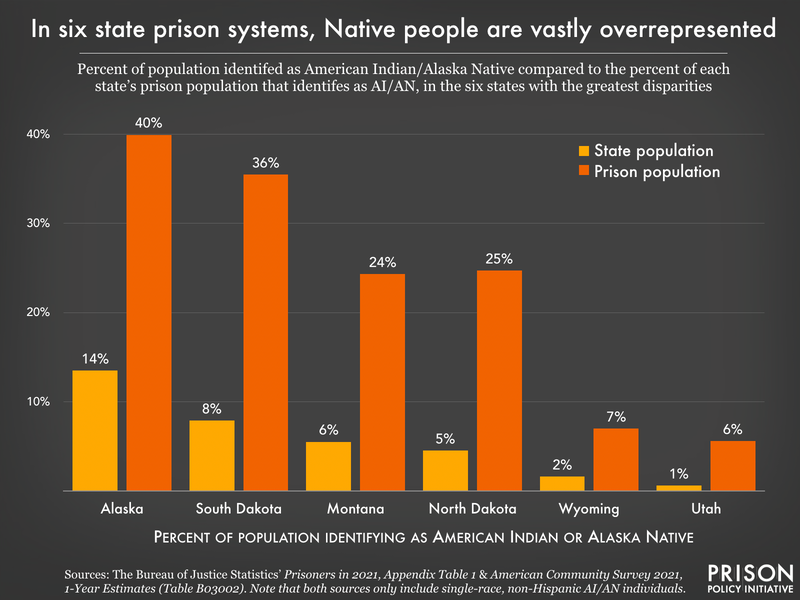
Imagine a map of the United States, but instead of showing state lines or population density, it highlights areas where Native Americans are incarcerated at rates far exceeding their proportion of the general population. What you would see are significant "hotspots," often clustered around or within close proximity to tribal lands, particularly in the West and Midwest. These areas reveal a pattern where Native Americans can be imprisoned at rates 2 to 6 times higher than white Americans, and in some specific jurisdictions, the disparity is even more staggering.
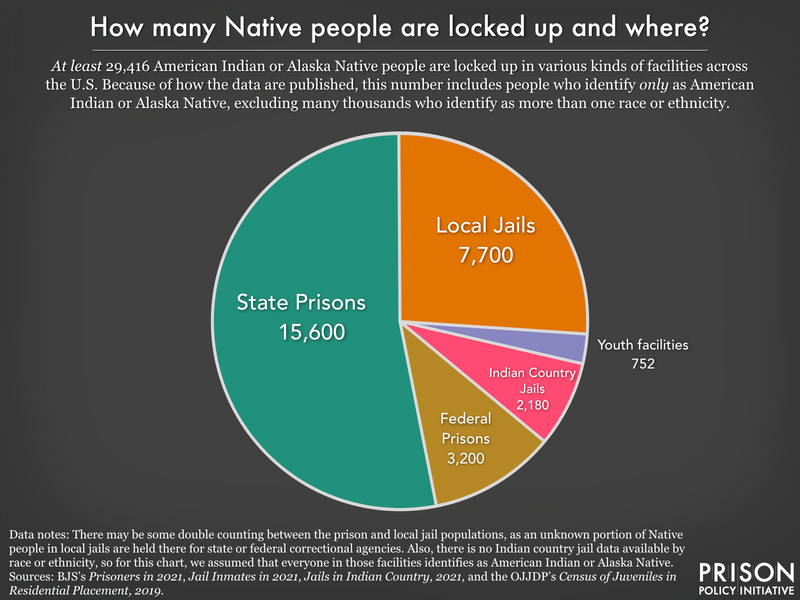
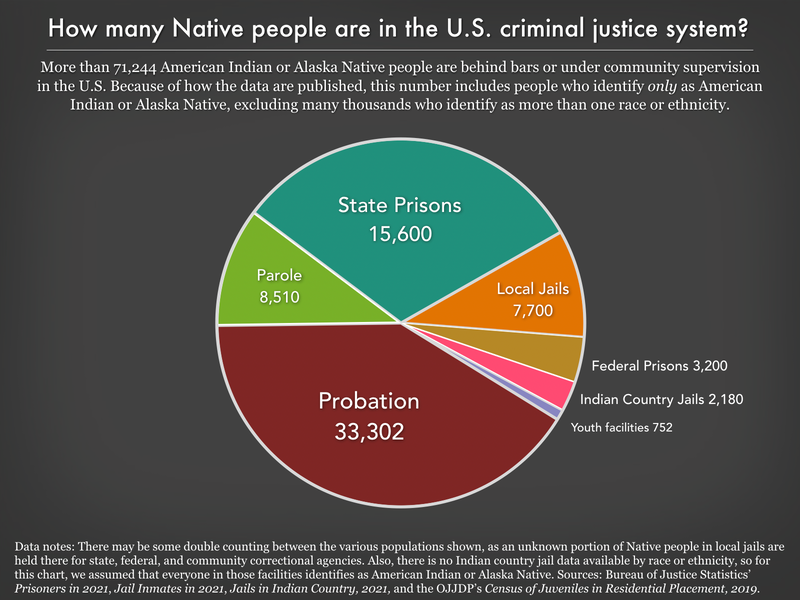
This isn’t random. It’s a geographical manifestation of deep-seated issues. It tells us that while Native Americans constitute a mere 1.7% of the total U.S. population, they make up a disproportionate 2.5% of the incarcerated population in state and federal prisons. In some states, like South Dakota, Native Americans are 8.8 times more likely to be incarcerated than white people. These numbers scream of a justice system that is failing, and often actively harming, Indigenous communities.
But to truly understand why this map looks the way it does, we must journey back through history, exploring the policies and events that have shaped this grim contemporary reality.
Historical Roots: Seeds of Injustice Sown
The disproportionate incarceration of Native Americans is not an accident of modern times; it is a direct, tragic consequence of a history marked by colonization, genocide, broken treaties, and systemic oppression.
1. The Assault on Sovereignty and Land (17th-19th Centuries):
The foundation of Native American identity is inextricably linked to land and sovereignty. European arrival initiated a relentless campaign of land dispossession, forced removal, and the systematic dismantling of tribal governance structures. The Indian Removal Act of 1830, the Trail of Tears, and the subsequent "reservation" system confined once-free nations to often resource-poor, isolated parcels of land. This loss of land meant the loss of economic bases, cultural practices tied to specific territories, and the ability to self-govern effectively. When traditional systems of justice were undermined, a void was created, eventually filled by an external, often hostile, legal framework.
2. The Allotment Era and Cultural Genocide (Late 19th – Early 20th Centuries):
Policies like the Dawes Act (1887) aimed to break up communal tribal lands into individual plots, further eroding collective identity and economic stability. Simultaneously, the infamous Indian boarding school system emerged, designed to "kill the Indian, save the man." Native children were forcibly removed from their families, forbidden to speak their languages, practice their spiritual traditions, or wear their traditional clothing. This brutal attempt at forced assimilation severed generations from their cultural roots, instilling deep-seated trauma that continues to manifest as mental health issues, substance abuse, and identity crises – all factors contributing to higher rates of involvement with the criminal justice system. The intergenerational trauma from these policies is profound, impacting family structures, parenting styles, and community health.
3. The Termination and Relocation Era (Mid-20th Century):
Following World War II, the U.S. government implemented the "Termination Policy," aiming to end the federal government’s recognition of tribal sovereignty and responsibility for Native American welfare. Over 100 tribes were "terminated," losing their federal recognition, land, and treaty rights. Concurrently, the "Relocation Program" encouraged Native Americans to move to urban centers, promising jobs and opportunities that often failed to materialize. Stripped of their tribal identities and support systems, many faced poverty, discrimination, and alienation in cities, contributing to social dislocation and increased vulnerability to criminal justice involvement.
4. Public Law 280 and Jurisdictional Chaos (1953):
Perhaps one of the most direct historical contributors to the map we see today is Public Law 280. Enacted in 1953, this law shifted criminal jurisdiction over Native Americans in certain states (initially California, Minnesota, Nebraska, Oregon, Wisconsin, and later others) from federal and tribal courts to state courts. While seemingly a move towards "equality," it often meant state law enforcement and judicial systems, largely unfamiliar with tribal cultures and legal traditions, now policed and prosecuted Native people on reservations. This created a complex jurisdictional labyrinth where tribal courts, state courts, and federal courts often clash, leading to inconsistent application of justice, under-resourced tribal law enforcement, and a system ripe for bias against Native defendants. This jurisdictional confusion continues to plague many tribal communities, leading to gaps in public safety and often harsher treatment for Native individuals.
Contemporary Factors: Fueling the Disparity
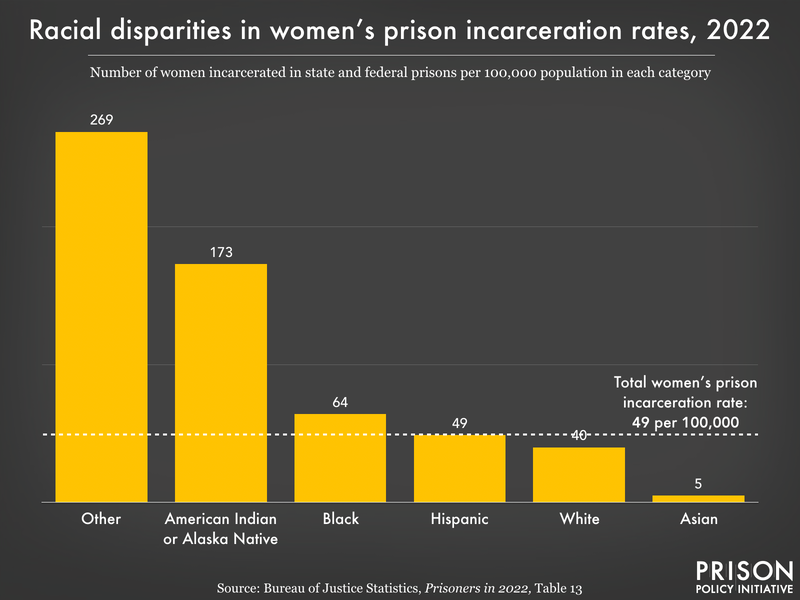
The historical injustices laid the groundwork, but several contemporary factors actively perpetuate the high incarceration rates seen on the map:
1. Poverty and Lack of Resources: Centuries of land theft, resource exploitation, and systemic underfunding have left many tribal nations struggling with extreme poverty. Limited access to quality education, healthcare, employment opportunities, and adequate housing creates cycles of disadvantage. Desperation can lead to crimes of survival, and a lack of economic alternatives means fewer pathways away from involvement with the justice system.
2. Substance Abuse and Mental Health Crises: The intergenerational trauma from boarding schools, forced removals, and cultural suppression manifests in high rates of substance abuse (alcohol, drugs) and mental health disorders (depression, anxiety, PTSD) within Native communities. These issues are often self-medicated and exacerbated by a severe lack of culturally competent healthcare and mental health services on reservations. Criminalization of addiction, rather than treatment, funnels individuals into the justice system.
3. Racial Bias and Stereotyping: Despite claims of impartiality, the criminal justice system is far from colorblind. Native Americans face racial profiling by law enforcement, are more likely to be arrested, and often receive harsher sentences than their non-Native counterparts for similar offenses. Implicit biases held by police, prosecutors, and judges contribute to this disparity, often fueled by long-standing stereotypes.
4. Jurisdictional Complexity (Continued): Public Law 280 and other jurisdictional arrangements continue to create a fragmented and often unjust system. Tribal courts often lack the resources and authority to prosecute serious crimes, forcing them into state or federal systems where outcomes are less culturally relevant and often more punitive. This "patchwork quilt" of authority means that justice can depend on where a crime occurs and the ethnicity of those involved, rather than the nature of the offense itself.
5. Under-Resourced Tribal Law Enforcement: Many tribal police departments are severely underfunded and understaffed, struggling to provide adequate public safety and often lacking the resources for robust community policing or restorative justice initiatives that could prevent incarceration.
Identity and Resilience: The Unyielding Spirit
The map of incarceration rates is not just about numbers; it’s about people, families, and communities. High incarceration rates tear at the fabric of Native American identity. They separate parents from children, elders from their cultural knowledge bearers, and individuals from their community support systems. They erode trust in institutions and perpetuate cycles of trauma.
Yet, amidst this stark reality, there is an unyielding spirit of resilience. Native American communities are actively working to reclaim their sovereignty, revitalize their cultures, and build their own pathways to justice. Tribal courts are increasingly implementing restorative justice practices that prioritize healing, community involvement, and rehabilitation over punitive measures. Language immersion programs, cultural revitalization efforts, and traditional healing ceremonies are combating the legacy of boarding schools and strengthening identity. Advocates are tirelessly working to reform the justice system, secure greater tribal jurisdiction, and address the root causes of crime through community-led initiatives.
The Traveler’s Role: Beyond the Postcard Image
For the mindful traveler and history enthusiast, understanding the map of Native American incarceration rates is not about guilt, but about knowledge and responsibility. When you visit a national park, drive through a reservation, or admire Native American art, remember that you are on lands with a profound and often painful history.
Here’s how you can engage meaningfully:
- Educate Yourself: Go beyond the surface. Read books by Native American authors, follow Indigenous news sources, and delve into the specific histories of the tribes whose ancestral lands you are visiting. Understand the policies that led to their current circumstances.
- Support Tribal Economies: Seek out and support Native-owned businesses, cultural centers, and artists. Your tourism dollars can help build economic stability and self-determination within these communities.
- Visit with Respect and Humility: If you have the opportunity to visit tribal lands, do so with respect for their sovereignty, customs, and privacy. Recognize that these are living communities, not just historical sites.
- Listen to Indigenous Voices: Seek out opportunities to hear directly from Native people about their experiences, struggles, and hopes. Attend cultural events, visit tribal museums, and engage with educational programs.
- Advocate for Justice: Learn about current legislative efforts to strengthen tribal sovereignty, reform the justice system, and address historical injustices. Use your voice to support these initiatives.
The map of Native American incarceration rates is a powerful visual reminder that the past is not past. It lives in the present, shaping lives and communities. By understanding its deep historical roots and contemporary manifestations, we can move beyond superficial engagement and become allies in the ongoing journey towards justice, healing, and true sovereignty for Native American nations. Your journey through these lands can be more than just a trip; it can be an act of thoughtful engagement and a step towards a more just future.

