
The Invisible Map: Navigating Native American Law Enforcement and Sovereignty
For the traveler seeking more than just scenic vistas, or the student of history eager to peel back layers of national identity, understanding the "Map of Native American Law Enforcement" offers a profound journey. This isn’t a physical map dotted with police stations, but an intricate, ever-evolving mosaic of jurisdiction, history, and sovereignty that defines security and justice within the boundaries of Native American lands. It’s a map etched by treaties, shaped by court decisions, and maintained daily by men and women dedicated to protecting their communities, often against immense odds.
To truly appreciate this invisible map, one must first grasp the foundational concept: tribal sovereignty. Before European contact, hundreds of distinct Native American nations governed themselves, each with their own sophisticated legal systems, councils, and methods of maintaining order and resolving disputes. Their laws were intrinsically tied to their cultures, spiritual beliefs, and the well-being of the community. The arrival of colonizers and the subsequent formation of the United States did not erase this inherent sovereignty, though it was profoundly challenged and diminished. Treaties, initially agreements between sovereign nations, became tools of land cession, yet they often preserved the right of tribes to govern themselves on their remaining lands.
The U.S. Supreme Court, in the early 19th century, articulated the unique status of tribes as "domestic dependent nations" in the landmark Marshall Trilogy cases (Cherokee Nation v. Georgia, Worcester v. Georgia). This legal framework recognized tribes as having a unique governmental status, neither foreign nations nor merely subdivisions of states, but distinct political entities with inherent powers of self-government. It’s from this complex legal and historical bedrock that the modern "map" of Native American law enforcement emerges.

The Labyrinth of Jurisdiction: Who Polices Where?
The most critical aspect of this invisible map is the concept of jurisdiction – who has the authority to investigate, arrest, prosecute, and punish crimes. On Native American lands, this is not a simple question, and the answer depends on several factors: the location of the crime, the tribal affiliation (or lack thereof) of the victim, and the tribal affiliation (or lack thereof) of the perpetrator.
1. Tribal Lands and Tribal Police:
At the heart of the map are the tribal police departments. These are the primary law enforcement agencies on most reservations and trust lands. Staffed by tribal members and non-Natives alike, these officers are deputized by their respective tribal governments and uphold tribal laws. Their presence is a powerful manifestation of tribal sovereignty and self-determination. They understand the cultural nuances, speak the languages, and have deep ties to the communities they serve.

However, the authority of tribal police and courts is not absolute, and this is where the map becomes intricate. Two critical legal decisions dramatically reshaped the jurisdictional landscape:
- The Major Crimes Act of 1885: Following the Supreme Court’s decision in Ex parte Crow Dog (1883), which affirmed tribal jurisdiction over crimes committed by Native Americans against other Native Americans on reservations, Congress passed the Major Crimes Act. This Act transferred jurisdiction over seven major crimes (later expanded to over a dozen, including murder, rape, arson, and robbery) from tribal courts to federal courts when committed by a Native American in "Indian Country." This was a significant erosion of tribal sovereignty, effectively creating a dual system where tribes retained jurisdiction over minor offenses, but the federal government stepped in for serious crimes.
- Oliphant v. Suquamish Tribe (1978): This Supreme Court decision dealt a severe blow to tribal law enforcement. It ruled that tribal courts lack criminal jurisdiction over non-Native Americans who commit crimes on tribal land. This means if a non-Native person commits any crime – from a minor traffic violation to murder – on a reservation, tribal police can investigate and detain them, but they cannot prosecute them in tribal court. Instead, the case must be referred to state or federal authorities, depending on the specifics. This ruling created a dangerous "jurisdictional void" where crimes involving non-Natives on tribal lands often fall through the cracks due to a lack of clear responsibility, resources, or political will from external agencies.

2. Public Law 280 (PL 280): A Patchwork of State Jurisdiction:
Adding another layer of complexity is Public Law 280 (1953). This federal statute unilaterally transferred criminal (and in some cases, civil) jurisdiction over certain Indian reservations from the federal government to specific state governments. The mandatory PL 280 states are California, Minnesota (except the Red Lake Nation), Nebraska, Oregon (except the Warm Springs Reservation), Wisconsin (except the Menominee Tribe), and Alaska (with specific conditions). Other states could opt in, and some have since retroceded.
In PL 280 states, state and local law enforcement (county sheriffs, state police) have jurisdiction over crimes committed on reservations, even if both victim and perpetrator are Native American. This further complicates the map, as tribes in these states may still maintain their own police departments and courts for civil matters or tribal code violations, but serious criminal matters fall to the state. Critics argue that PL 280 states often fail to adequately fund law enforcement on reservations, leading to safety disparities and a feeling of abandonment among tribal communities.
3. Federal and State Involvement:
Beyond tribal police and PL 280 states, federal and state agencies play crucial roles:
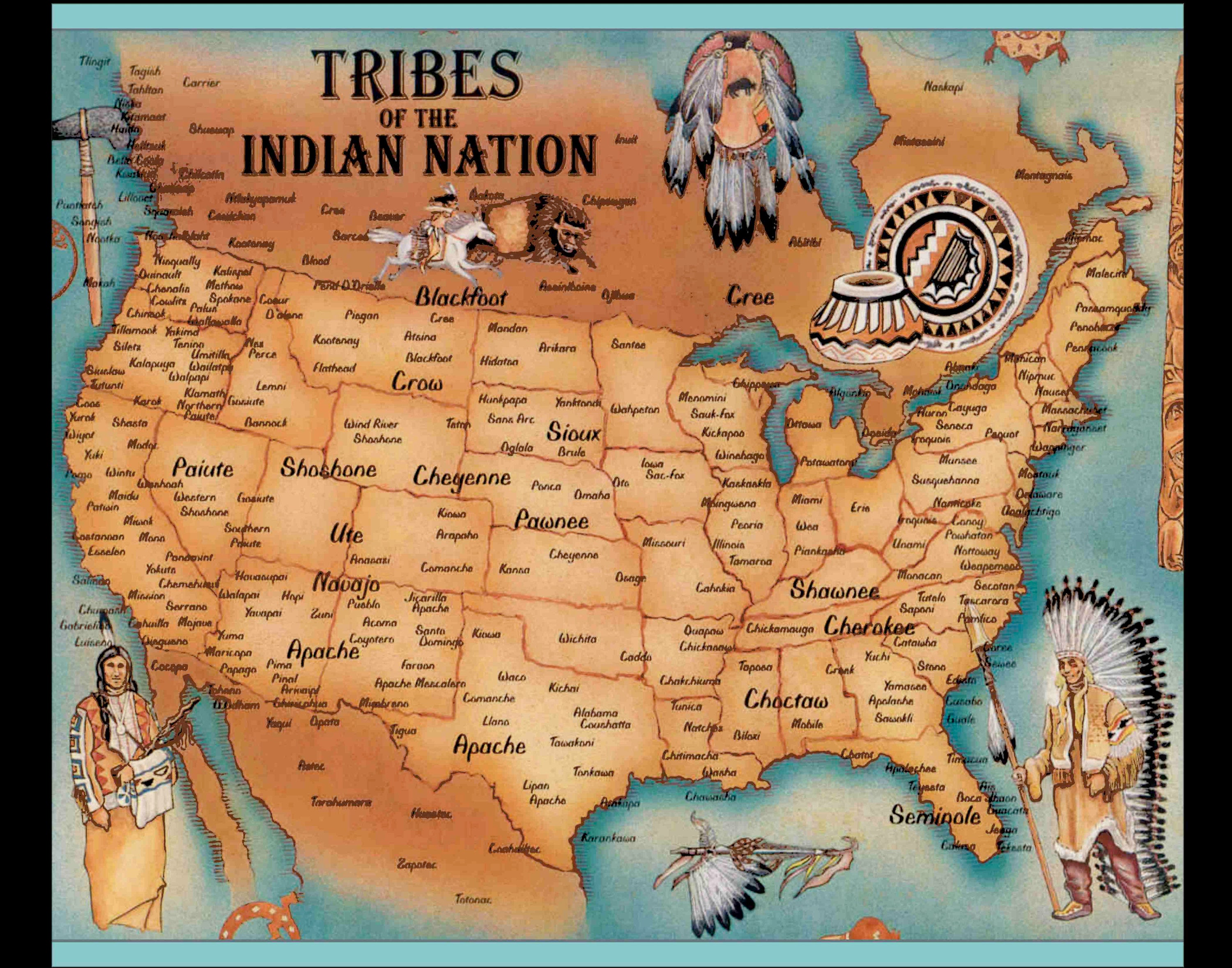
- Bureau of Indian Affairs (BIA) Office of Justice Services (OJS): The BIA OJS serves as the federal law enforcement agency for Indian Country. They provide direct policing services to some tribes (especially smaller or less resourced ones) through contracts or self-governance agreements, and they often assist tribal police with training, investigations, and specialized resources.
- Federal Bureau of Investigation (FBI): The FBI has jurisdiction over major crimes committed in Indian Country when a Native American is involved (due to the Major Crimes Act) and also investigates other federal offenses like drug trafficking, organized crime, and public corruption on reservations.
- U.S. Marshals Service, Drug Enforcement Administration (DEA), etc.: Various other federal agencies have specific jurisdictional mandates that can extend to Native lands.
- State and County Law Enforcement: In non-PL 280 states, state and local authorities generally have jurisdiction over crimes committed by non-Natives against non-Natives on "fee land" within reservation boundaries (privately owned land not held in trust by the federal government for the tribe). They also frequently enter into "cross-deputization" agreements with tribal police, allowing officers from both agencies to enforce each other’s laws, helping to bridge some jurisdictional gaps.
Identity and Self-Determination: More Than Just Law and Order
The "Map of Native American Law Enforcement" is not merely a legal diagram; it’s a profound statement of identity and an ongoing struggle for self-determination. For many tribes, operating their own police force is a visible, tangible expression of their inherent sovereignty and their commitment to protecting their people and preserving their culture.
- Cultural Competency: Tribal police officers often possess an invaluable understanding of their community’s history, traditions, language, and social dynamics. This cultural competency allows for more effective crime prevention, victim support, and community engagement, fostering trust that external agencies often struggle to build. They can navigate complex family structures, address historical trauma, and incorporate traditional peacemaking practices where appropriate.
- Addressing Disparities: Tribal law enforcement is on the front lines of critical issues like the epidemic of Missing and Murdered Indigenous Women, Girls, and Two-Spirit People (MMIWG2S). The jurisdictional complexities and historical neglect have created an environment where Indigenous women and girls face alarmingly high rates of violence, with many cases going unsolved or uninvestigated. Tribal police, often working with limited resources, are key advocates and investigators in these cases, striving for justice for their relatives.
- Reclaiming Authority: The fight for full criminal jurisdiction over all crimes committed on their lands, regardless of the perpetrator’s race, is a central tenet of modern tribal sovereignty. Tribes argue that the Oliphant decision undermines their ability to protect their communities effectively and is a legacy of colonial policies that denied their inherent governmental powers. Bills like the Violence Against Women Act (VAWA) reauthorizations have made incremental progress by restoring some tribal jurisdiction over non-Native perpetrators in specific domestic violence and dating violence cases, demonstrating a slow but vital shift towards empowering tribal justice systems.
- Resource Challenges: Despite their vital role, tribal law enforcement agencies are consistently underfunded compared to their state and federal counterparts. This impacts everything from officer salaries, training, equipment, and technology to the availability of specialized units. The struggle for adequate resources is a constant battle, yet tribal police continue to serve with dedication and resilience.
Navigating the "Map": Implications for Travelers and Understanding
For travelers venturing onto Native American lands, understanding this invisible map is not just an academic exercise; it’s a matter of respect, safety, and responsible engagement.
- Acknowledge Sovereignty: The most fundamental step is to recognize that you are entering a distinct nation with its own laws, government, and cultural norms. This respect underpins all other interactions.
- Know Who to Call: In an emergency, it’s crucial to know which law enforcement agency has primary jurisdiction. Many tribal nations have their own emergency services (911 equivalent), or you may need to contact tribal police directly. Familiarize yourself with the specific tribal nation you are visiting. Signage often indicates who to call.
- Laws May Differ: While major federal and state laws apply, tribal nations also have their own codes and ordinances. These can pertain to everything from alcohol sales, gambling, environmental regulations, cultural resource protection, and even driving offenses. Ignorance of tribal law is not an excuse.
- Support Tribal Efforts: Appreciate the critical, often understated, role tribal police play. They are working to create safer, more stable communities under challenging circumstances.
- Educate Yourself: Before visiting, take the time to learn about the specific tribal nation, its history, government, and contemporary issues. Many tribal tourism offices or cultural centers provide this information.
Conclusion: A Living, Breathing Map
The Map of Native American Law Enforcement is a living document, constantly being redrawn by history, legal battles, legislative actions, and the unwavering determination of tribal nations. It’s a testament to the resilience of Indigenous peoples, their commitment to justice, and their enduring fight for self-determination. What appears on the surface as complex jurisdictional overlap is, in reality, a deep narrative of survival, identity, and the ongoing assertion of inherent sovereignty against centuries of colonial pressure.
For the curious traveler and the engaged student, understanding this invisible map transforms a simple visit into a profound encounter with a vital, dynamic aspect of American history and contemporary Indigenous life. It encourages a deeper respect for tribal nations, their struggles, their achievements, and their continuous efforts to chart their own course for justice and security. It is a map that teaches us that true understanding comes not from drawing simple lines, but from appreciating the rich, intricate tapestry of self-governance.

