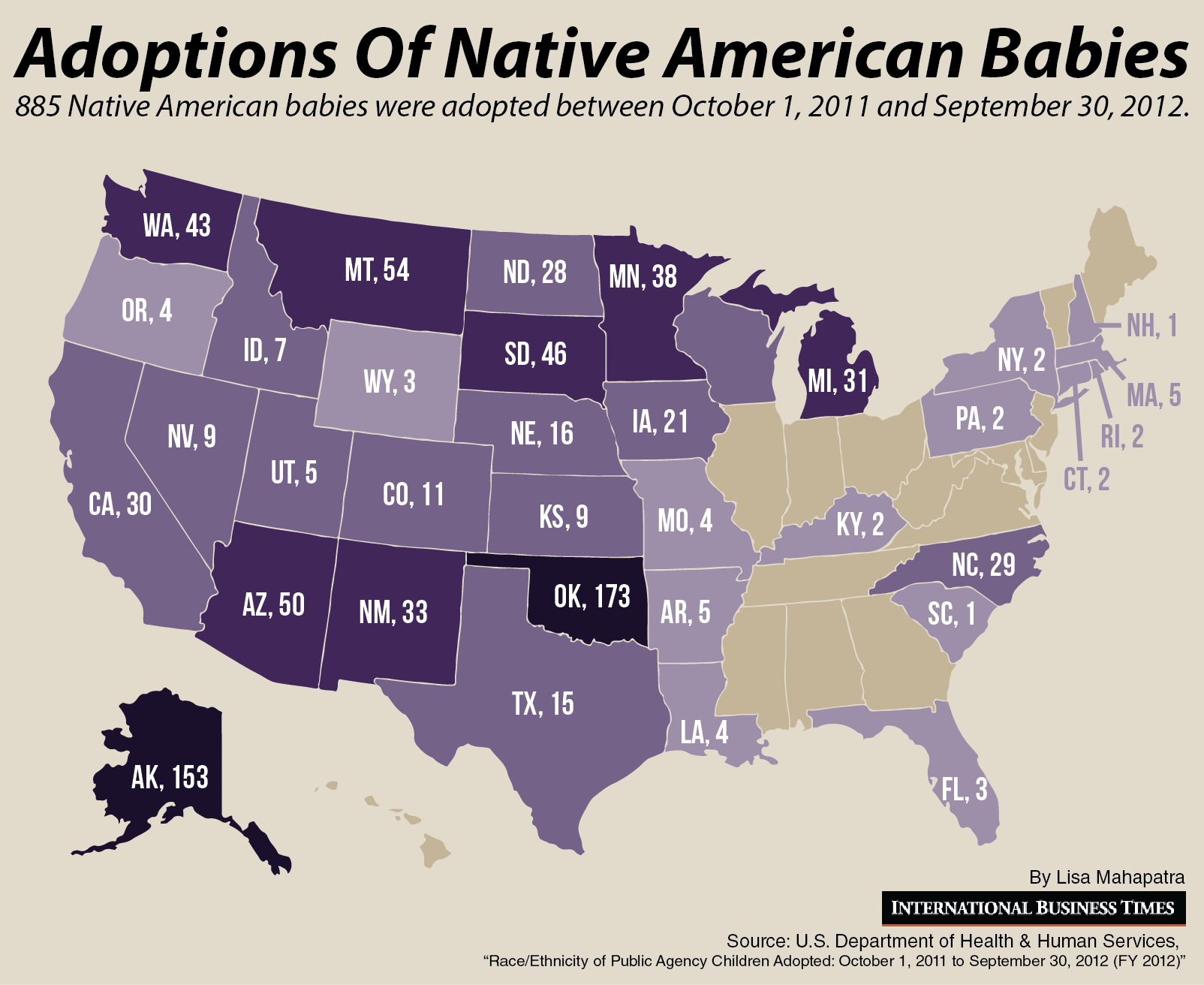
>
Mapping Resilience: A Journey Through Native American Child Welfare, History, and Identity
Forget the tourist maps showing only scenic routes and landmarks. There’s another map, far more profound and vital, etched across the heartland of North America: the Map of Native American Child Welfare. This isn’t a physical document you can unfold, but a conceptual overlay – a complex tapestry woven from history, identity, legal battles, and the enduring spirit of Indigenous peoples. For anyone traveling through or learning about the diverse landscapes of the United States and Canada, understanding this "map" is essential to grasp the true depth of Native American experience, past and present.
At its core, this map represents the ongoing struggle and remarkable resilience of Native American, Alaska Native, and First Nations communities to protect their most sacred resource: their children. It charts not just geographical locations, but the historical trajectories of forced assimilation, the legal frameworks designed to prevent further harm, and the vibrant, culturally-rooted efforts tribes are undertaking to heal and thrive.
The Historical Topography: A Legacy of Removal
To understand the contours of this map, we must first journey through its historical layers, a landscape scarred by centuries of colonial policies. Before European contact, Indigenous societies across North America had intricate, community-based systems of child-rearing. Children were cherished, seen as gifts from the Creator, and raised within extended family networks, where their identity, language, and cultural practices were deeply embedded.
The arrival of settlers, however, brought a devastating disruption. Early policies focused on displacement and conquest, but as the United States and Canada solidified their borders, a new, insidious form of control emerged: forced assimilation. The philosophy was starkly articulated as "kill the Indian, save the man." This era, spanning from the late 19th century through much of the 20th, saw the systematic removal of Native children from their families and communities, often under the guise of "education" or "welfare."
The most infamous instruments of this policy were the Indian Boarding Schools (known as Residential Schools in Canada). Thousands of children, some as young as three, were forcibly taken from their homes, often by federal agents or church officials, and sent to institutions far from their families and cultural context. Here, their hair was cut, their traditional clothing replaced with uniforms, and their Native languages strictly forbidden – often punished with severe physical or psychological abuse. The goal was to erase their Indigenous identity, sever their connection to their heritage, and indoctrinate them into Euro-American society. The trauma inflicted in these schools, from physical and sexual abuse to cultural genocide, created intergenerational wounds that continue to affect Native communities today.
Even after the boarding school era began to wane, other forms of removal persisted. During the "Termination Era" of the 1950s and 60s, federal policies aimed to dissolve tribal governments and assimilate Native people fully into mainstream society. This led to a massive increase in the number of Native children being removed from their homes by state child welfare agencies, often for reasons rooted in poverty or cultural misunderstanding rather than actual abuse or neglect. These children were then frequently placed in non-Native foster homes or adopted by non-Native families, further severing their ties to their culture, language, and identity. Estimates suggest that by the 1970s, between 25-35% of all Native American children were removed from their homes, and 90% of those placed outside their families were placed with non-Native families. This was a crisis of monumental proportions, threatening the very survival of tribal nations.
Charting a Path to Protection: The Indian Child Welfare Act (ICWA)
The devastating impact of these policies eventually led to a powerful movement for change, culminating in the passage of the Indian Child Welfare Act (ICWA) in 1978. This landmark federal law, a crucial landmark on our conceptual map, was a direct response to the systemic removal of Native children and the recognition of tribal sovereignty.
ICWA fundamentally shifted the legal landscape. It affirmed that tribal nations have an inherent governmental interest in their children, recognizing them not just as individuals but as future citizens and culture-bearers of their respective tribes. Its primary purpose is "to protect the best interests of Indian children and to promote the stability and security of Indian tribes and families."
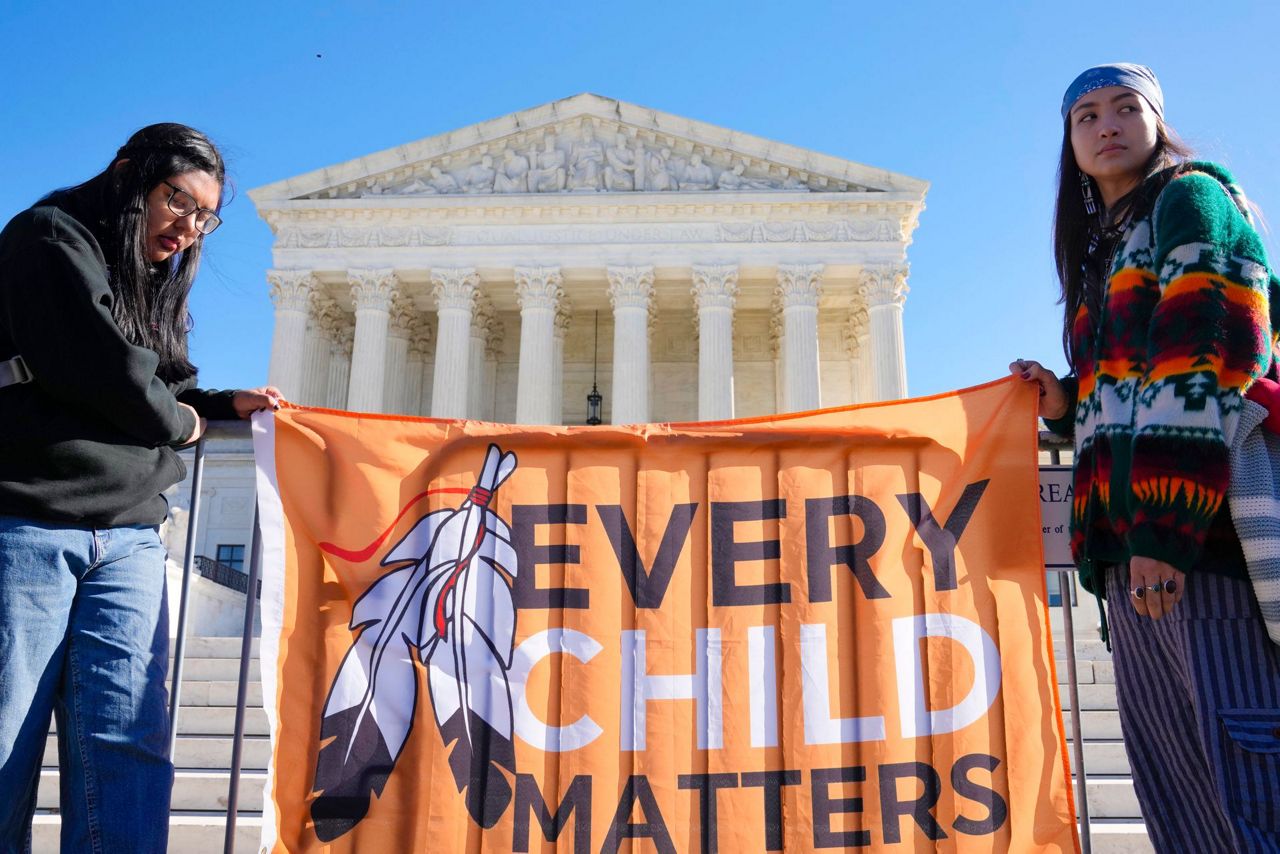
Key provisions of ICWA include:
- Tribal Jurisdiction: Giving tribal courts primary jurisdiction over child welfare cases involving Native children.
- Active Efforts: Requiring state agencies to make "active efforts" to prevent the breakup of Indian families before any removal.
- Placement Preferences: Establishing a hierarchy of placement preferences for Native children who must be removed: first with a family member, then with other members of the child’s tribe, and finally with other Native American families.
- Notice and Intervention: Ensuring tribes are notified of child welfare proceedings involving their children and have the right to intervene.

ICWA was a revolutionary step, acknowledging past injustices and empowering tribes to protect their future. It is not merely a child welfare law; it is a human rights law, a tribal sovereignty law, and a cultural preservation law, all rolled into one. It aimed to stop the bleed of cultural loss and allow Native children to grow up knowing who they are and where they come from.
The Identity Compass: Belonging as a Birthright
Central to the "Map of Native American Child Welfare" is the profound concept of identity and belonging. For Native children, their identity is not just personal; it is communal. It is interwoven with their tribal nation, their language, their ceremonies, their land, and the generations that came before them. Being connected to one’s tribe is not merely a preference; it is a fundamental aspect of well-being, resilience, and spiritual health.
When Native children are removed from their families and placed outside their culture, they often experience a profound sense of loss and disconnection. They may struggle with their identity, feeling caught between worlds, or feeling like they don’t fully belong anywhere. This can lead to increased risks of mental health issues, substance abuse, and a general sense of displacement. The intergenerational trauma from boarding schools and past removals means that even children not directly impacted by those policies may still carry the weight of that historical pain.
ICWA attempts to redirect this compass, ensuring that children grow up with a strong sense of who they are. It recognizes that for a Native child, the "best interest" includes maintaining connections to their heritage, culture, and tribal community. These connections provide a foundation of strength, a sense of self-worth, and access to traditional knowledge and healing practices that are invaluable.
Navigating Contemporary Challenges and Strengths
Even with ICWA, the map of Native American child welfare continues to show areas of significant challenge. Native children are still disproportionately represented in state foster care systems compared to their population numbers. This disparity is often linked to the lingering effects of historical trauma, systemic poverty, inadequate resources, and continued cultural bias within mainstream child welfare agencies. Legal challenges to ICWA itself, often framed as "race-based" discrimination, continue to threaten its protections, demonstrating that the fight for tribal sovereignty and child well-being is ongoing.
However, this map also highlights incredible strengths and innovative solutions. Tribal nations across North America are leading the way in developing culturally-relevant child welfare programs, foster care systems, and healing initiatives. They are reclaiming traditional parenting practices, revitalizing languages, and establishing community-based support systems that are tailored to the unique needs and cultural values of their people. These programs often integrate traditional teachings, elder guidance, and ceremonies to provide holistic care that addresses not only physical needs but also spiritual, emotional, and cultural well-being.
These tribal-led efforts are not just about compliance with ICWA; they are about self-determination, self-healing, and building a stronger future for their children and their nations. They represent a powerful act of resistance against centuries of assimilation and a vibrant affirmation of Indigenous identity.
For the Traveler and Learner: A Call to Deeper Understanding
For those of us drawn to the vast landscapes and rich histories of North America, understanding the "Map of Native American Child Welfare" is not just an academic exercise; it’s a call to deeper engagement and respectful travel. When we visit Native lands, engage with Indigenous cultures, or simply appreciate the beauty of this continent, we are walking on ground that bears the imprint of these struggles and triumphs.
This map reminds us that the stories of Native American people are not confined to history books; they are living, breathing narratives that shape contemporary communities. It urges us to look beyond stereotypes, to recognize the profound resilience of Indigenous nations, and to acknowledge the ongoing importance of tribal sovereignty.
By learning about ICWA, supporting tribal-led initiatives, and advocating for the rights of Native children, we contribute to a future where every Indigenous child can grow up rooted in their culture, connected to their family, and proud of their identity. The "Map of Native American Child Welfare" is a testament to what has been lost, what has been fought for, and what continues to be built – a beacon of hope for cultural survival and the flourishing of future generations. It’s a journey worth taking, not just across physical lands, but through the heart of human experience.

