Here is an article of approximately 1200 words, directly addressing the map of Native American education programs, with a focus on history, identity, and its relevance for travel and educational blogs.
>
The Living Map: Navigating Native American Education, Identity, and Resilience
The concept of a "map of Native American education programs" is far more profound than a simple geographic overlay of schools and institutions. It is a living, breathing testament to resilience, a powerful narrative of cultural reclamation, and a critical guide to understanding the ongoing journey of Indigenous identity in North America. For the discerning traveler and history enthusiast, this map is not merely a collection of data points; it is an invitation to explore the deep, interconnected threads of history, sovereignty, and the vibrant future of Native American nations.

Beyond the Dots: What This Map Represents
Imagine a map dotted with hundreds of locations: early childhood centers, K-12 tribal schools, language immersion programs, and the cornerstone of Indigenous higher education – Tribal Colleges and Universities (TCUs). Each dot represents an educational endeavor, but collectively, they paint a comprehensive picture of self-determination. This map illustrates a complex ecosystem designed not just to transmit knowledge, but to preserve languages, perpetuate cultural practices, and empower Native youth with an education that is both academically rigorous and deeply rooted in their ancestral heritage.
These programs vary wildly in scope and scale, reflecting the immense diversity of the over 574 federally recognized tribes in the United States, alongside numerous state-recognized and unrecognized Indigenous communities. From the vast Navajo Nation, which operates its own sophisticated educational system, to smaller bands fighting to revive near-extinct languages through intensive immersion, each program addresses unique community needs while sharing a common goal: to educate Native children and adults on their own terms, blending traditional wisdom with contemporary skills.
A Shadowed Past: The Genesis of Modern Indigenous Education

To truly appreciate the significance of this educational map, one must first confront the historical landscape that necessitated its creation. For millennia before European contact, Indigenous education was holistic, experiential, and seamlessly integrated into daily life. Children learned through observation, storytelling, ceremony, and direct participation in community activities, guided by elders and kin. Knowledge was communal, practical, and spiritual, ensuring the survival and cultural continuity of the tribe.
This sophisticated system was systematically dismantled with the arrival of colonizers. Early mission schools, followed by federal "Indian Boarding Schools," became the primary instruments of a brutal assimilation policy. From the mid-19th century through the mid-20th century, hundreds of thousands of Native children were forcibly removed from their families and communities, often transported hundreds or thousands of miles away to institutions like the infamous Carlisle Indian Industrial School.
The motto, "Kill the Indian, Save the Man," encapsulates the genocidal intent behind these schools. Children were stripped of their traditional clothing, forbidden to speak their native languages, forced to cut their hair, and often subjected to physical, emotional, and sexual abuse. The aim was to eradicate Indigenous cultures and identities, replacing them with Euro-American values, language, and religion. This era inflicted profound intergenerational trauma, leading to widespread loss of language, cultural practices, and family cohesion – wounds that many communities are still healing from today. The map of modern education programs exists as a direct response to this legacy, an attempt to rebuild what was systematically destroyed.
The Turn Towards Self-Determination: Reclaiming Educational Sovereignty

The mid-20th century brought a slow but significant shift in federal policy, largely driven by Native American activism and the broader Civil Rights Movement. The Indian Self-Determination and Education Assistance Act of 1975 was a landmark piece of legislation, allowing tribes to assume control over federal programs previously administered by the Bureau of Indian Affairs (BIA), including education. This act marked a pivotal moment, empowering tribes to design and operate their own schools, curriculum, and educational philosophies.
This era saw the burgeoning of culturally responsive education. No longer was education a tool of assimilation; it became a vehicle for revitalization. This is where the map truly comes alive, showcasing:
-
Tribal Colleges and Universities (TCUs): These institutions are the crown jewels of Native American educational sovereignty. Established by tribal nations, TCUs offer associate, bachelor’s, and even some master’s degrees, often in areas directly relevant to tribal economic development and cultural preservation. They blend academic excellence with Indigenous languages, histories, and worldviews. Examples include Navajo Technical University, Salish Kootenai College, and Haskell Indian Nations University. These institutions are not just places of learning; they are cultural anchors, fostering a sense of belonging and identity that mainstream universities often cannot provide for Native students.
-
K-12 Tribal Schools: Many tribes now operate their own K-12 schools, ensuring that children receive an education that incorporates their tribal language, history, and cultural values alongside standard academic subjects. These schools are crucial for early language acquisition and cultural immersion, counteracting the historical damage inflicted by boarding schools.
-
Language Immersion Programs: Recognizing the critical threat to Indigenous languages, many programs focus intensely on language revitalization. From preschool immersion programs where children learn entirely in their native tongue, to adult language camps, these initiatives are literally bringing languages back from the brink of extinction, understanding that language is a direct conduit to cultural identity and worldview.
-
Community-Based Programs: Beyond formal schooling, the map also implicitly includes a vast network of community-led initiatives – elder mentorship programs, traditional arts workshops, environmental stewardship projects rooted in Indigenous ecological knowledge, and cultural camps – all contributing to a holistic educational environment that reinforces identity and intergenerational learning.
Identity and the Power of Indigenous Education
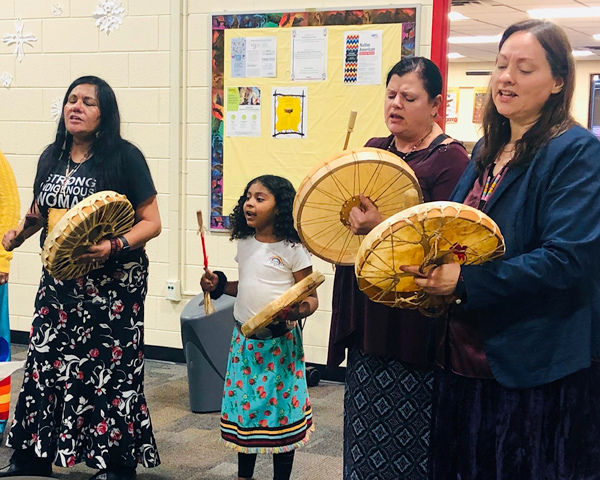
At the heart of every dot on this educational map is the unwavering commitment to Indigenous identity. For Native American communities, education is not simply about job skills or academic degrees; it is about strengthening cultural ties, fostering self-esteem, and empowering individuals to be proud members of their respective nations.
- Language Revitalization: Language is often described as the soul of a culture. The loss of language due to assimilation policies created a profound identity crisis for many. Modern educational programs prioritize language acquisition and fluency, recognizing that a vibrant language is essential for transmitting traditional knowledge, storytelling, and cultural practices. It connects individuals directly to their ancestors and reinforces a unique worldview.
- Cultural Preservation: Curricula in Native American schools integrate tribal histories, traditional arts (like weaving, pottery, beading), ceremonial practices, and governance structures. This ensures that younger generations learn not just about their culture, but from it, and are equipped to carry it forward.
- Sovereignty and Self-Determination: By controlling their own educational institutions, tribes are exercising their inherent sovereignty. This allows them to define what success looks like for their people, educate future leaders, and build sustainable communities that reflect their values and aspirations.
- Healing and Resilience: The act of learning one’s own history, language, and culture within a supportive, Indigenous-led environment is profoundly healing. It counters the historical trauma of forced assimilation and fosters a powerful sense of pride and resilience. Students learn about their peoples’ struggles and triumphs, understanding that their identity is a source of strength, not a burden.
The Map for Travelers and Educators: Ethical Engagement
For those interested in historical education and meaningful travel, understanding this map is crucial. It offers a framework for engaging with Native American communities ethically and respectfully:
- Visit Tribal Colleges and Universities (TCUs): Many TCUs have cultural centers, museums, or host public events that welcome visitors. These visits offer direct insight into contemporary Indigenous life, education, and cultural revitalization efforts. Always check their websites or call ahead for visitor policies and event schedules.
- Support Culturally-Focused Initiatives: Look for opportunities to support tribal schools, language programs, and cultural centers through donations or by purchasing authentic Native-made goods directly from tribal enterprises. This directly contributes to the financial sustainability of these vital programs.
- Engage with Interpretive Centers and Museums: Many national parks, state parks, and tribal lands feature interpretive centers or museums that tell the story of local Indigenous peoples. Seek out those developed in partnership with or directly by Native nations, as they offer authentic perspectives.
- Educate Yourself Before You Go: Before visiting any Indigenous community or site, research the specific tribe(s) of that region. Understand their history, contemporary issues, and cultural protocols. This demonstrates respect and enhances your learning experience.
- Respect Sovereignty: Remember that Native American nations are sovereign entities. Their lands, laws, and cultural practices deserve the same respect accorded to any foreign nation. Be mindful of privacy, ask for permission before taking photos, and adhere to all posted regulations.
Conclusion: A Future Forged in Knowledge and Identity
The map of Native American education programs is more than just a geographic representation; it is a powerful symbol of a journey – from the depths of colonial oppression to the heights of self-determination and cultural flourishing. Each school, each language program, each tribal college represents a defiant act of hope, a commitment to healing, and a vision for a future where Indigenous identity is celebrated, sustained, and passed on to generations yet to come.
For the traveler and the student of history, engaging with this living map offers an unparalleled opportunity to move beyond stereotypes and encounter the vibrant, dynamic realities of Native American nations today. It’s an invitation to witness firsthand the extraordinary power of education when it is rooted in culture, driven by community, and dedicated to the enduring spirit of a people. Understanding this map is not just about appreciating a historical narrative; it’s about acknowledging ongoing struggles, celebrating profound resilience, and supporting a future where Indigenous knowledge and identity thrive.

