
The Contested Atlas: Mapping Native American Identity and Sovereignty in a Shifting World
Maps are never neutral. They are powerful instruments that reflect, shape, and often dictate history, identity, and power. For Native American nations, the story of their identity is inextricably linked to the maps drawn over millennia – from the intricate mental and oral maps of ancestral territories to the stark, often violent, lines imposed by colonial powers, and the complex, dynamic cartographies of today’s sovereignty movements. Understanding this contested atlas is crucial for any traveler seeking a deeper, more respectful engagement with Indigenous cultures and for anyone interested in the profound intersection of history and identity politics in the United States.
The Land Before the Lines: Indigenous Cartographies of Connection
Before European contact, what is now North America was a vast, vibrant tapestry of hundreds of distinct Native nations, each with its own language, governance, spiritual practices, and deep connection to specific lands. Their "maps" were not static lines on parchment but living, breathing narratives etched into memory, ceremony, and the very landscape. These were maps of seasonal migration, hunting grounds, sacred sites, trade routes, kinship networks, and stories passed down through generations. They understood their territories not as property to be owned, but as relationships to be maintained, responsibilities to be honored. The land was not merely a resource; it was an ancestor, a relative, a source of identity and spiritual sustenance.

These Indigenous cartographies were holistic and dynamic, reflecting a profound ecological knowledge and a reciprocal relationship with the environment. They understood the flow of rivers, the cycles of animals, the sacred geometry of mountains, and the patterns of the stars. While these "maps" might not have looked like the grid-based systems Europeans would later impose, they were incredibly precise and functional, guiding complex societies for thousands of years. They were, in essence, identity maps – telling each person who they were, where they belonged, and their place within the cosmic order.
The Cartography of Conquest: Imposing New Lines, Erasing Old Identities
The arrival of European colonizers fundamentally altered this Indigenous world. Europeans brought with them a different understanding of land – as property to be claimed, exploited, and divided. Their maps were instruments of conquest, tools to delineate claims, establish borders between empires, and later, to facilitate the expansion of the United States. Terms like "terra nullius" (empty land) were used to justify the seizure of Indigenous territories, despite the clear presence of thriving nations.
The first major shift in mapping came with treaties. Often negotiated under duress, these treaties purportedly established boundaries between Native nations and the encroaching colonial powers. Yet, they were frequently violated, reinterpreted, or simply ignored as the U.S. expanded westward. Each broken treaty chipped away at Indigenous land bases, visually represented by shrinking tribal territories on subsequent maps.
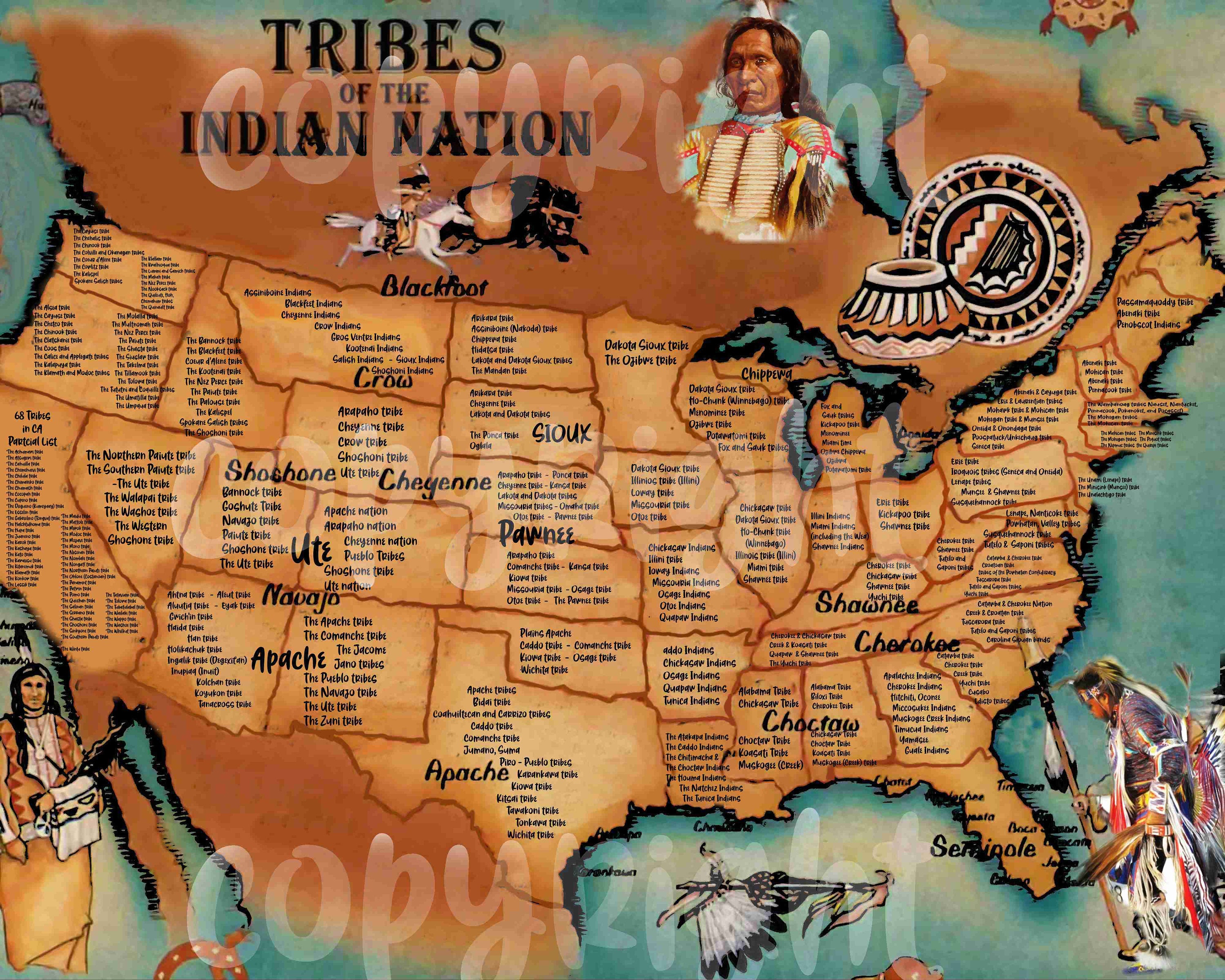
The most devastating cartographic imposition was the forced removal of Native nations from their ancestral lands to designated "Indian Territory" or reservations. The Trail of Tears, where the Cherokee, Choctaw, Chickasaw, Creek, and Seminole nations were forcibly marched thousands of miles from their southeastern homelands to Oklahoma, is a stark example. This was a physical re-mapping of identity, severing people from their sacred landscapes, disrupting cultural practices, and inflicting generational trauma. Reservations, initially conceived as temporary holding pens, became permanent, albeit vastly reduced, land bases. These were not chosen by Native peoples but imposed upon them, often in areas deemed undesirable by settlers. The very act of being confined to a "reservation" became a defining, often stigmatizing, aspect of Native identity in the colonial imagination.
Lines of Assimilation and Resistance: The Dawes Act and Beyond
The late 19th century brought another assault on Native American land and identity through the Dawes Act (General Allotment Act of 1887). This policy aimed to break up communally held tribal lands into individual allotments, believing that private property ownership would "civilize" Native people and assimilate them into American society. The act also declared "surplus" lands, after allotments were made, open for non-Native settlement. The maps from this era show a further fragmentation of tribal land bases, with reservations becoming "checkerboards" of Native-owned, non-Native-owned, and trust lands. This not only dramatically reduced Native landholdings but also eroded tribal sovereignty and communal identity, making land management and self-governance incredibly complex – a challenge that persists today.
Despite these efforts to erase Indigenous identity through cartographic and legislative means, Native nations resisted. They fought in courts, organized politically, and maintained their cultural practices, often in secret. The Indian Reorganization Act of 1934 marked a shift, halting allotment and encouraging tribal self-governance, allowing tribes to create their own constitutions and re-establish their land bases, albeit still within the confines of federal law. This was a crucial step towards Native nations beginning to remap their own destinies, even if the lines were still largely drawn by the federal government.

The Modern Map: A Tapestry of Identity Politics
Today, the map of Native America is incredibly complex, reflecting centuries of history, resilience, and ongoing struggles for self-determination. It is a map defined not just by geography, but by layers of identity politics, legal status, and cultural revitalization efforts.
Federal Recognition: The most prominent feature on many contemporary maps of Native America is the delineation of federally recognized tribes. Federal recognition grants tribes a government-to-government relationship with the United States, acknowledging their inherent sovereignty. This status brings access to federal programs, treaty rights, and the ability to exercise jurisdiction over their lands and citizens. The process to achieve federal recognition is arduous, expensive, and highly political, requiring extensive genealogical and historical documentation. The map of federally recognized tribes (currently 574) represents a powerful assertion of identity and sovereignty, yet it also implicitly excludes those who are not recognized.
Unrecognized and State-Recognized Tribes: Beyond federal recognition, there are numerous Native American groups who identify as distinct nations but lack federal status. Some are recognized by individual states, which offers some benefits but not the full scope of federal sovereignty. Others are entirely unrecognized, existing in a liminal space, often fighting for their right to exist as distinct peoples in the eyes of the law. Their "maps" are often internal – the enduring memory of ancestral lands, the strength of their communities, and their commitment to cultural survival. The struggle for recognition is a battle over identity itself: who gets to define who is "Indian" and what constitutes a "tribe"?
Blood Quantum and Tribal Enrollment: Adding another layer of complexity are the internal "maps" of tribal membership. Many tribes use a system of "blood quantum" – a measurement of ancestral Native American blood – often a colonial construct initially imposed by the federal government, but now adopted and modified by many tribes as a criterion for enrollment. This system, along with other criteria like lineal descent from original tribal rolls, creates internal identity politics, raising questions about belonging, authenticity, and the very definition of "Indianness" within and outside tribal communities. While tribes have the sovereign right to determine their own citizenship, these criteria are often rooted in a history of attempts to reduce the Native population and dilute tribal identity.
The "Land Back" Movement: A contemporary and increasingly visible movement, "Land Back" seeks to reclaim Indigenous lands and sovereignty. This isn’t just about physical territory; it’s about restoring Indigenous governance, cultural practices, and ecological stewardship. The movement uses modern mapping technologies (GIS) to visualize ancestral lands, document traditional ecological knowledge, and advocate for the return of sacred sites and stolen territories. It’s a fundamental re-mapping of power and justice, challenging the colonial lines that still dominate most conventional maps.
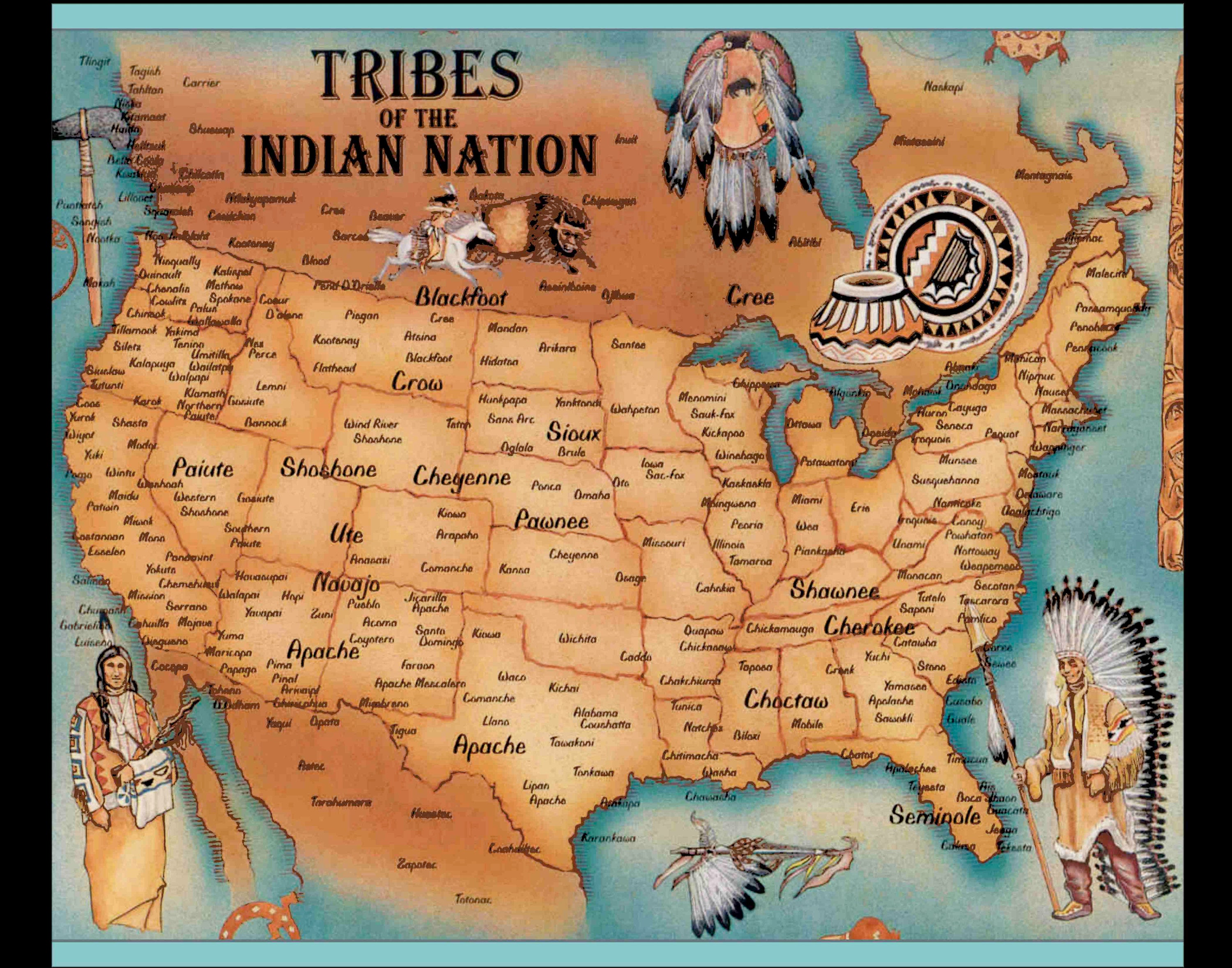
Cultural and Spiritual Maps: Beyond political and legal boundaries, Native American identity is profoundly shaped by cultural and spiritual maps. These include maps of language revitalization efforts, aiming to revive endangered Indigenous languages as crucial carriers of worldview and identity. They include maps of sacred sites, often located far beyond reservation borders, which remain vital to spiritual practices and cultural memory. They encompass the traditional use areas for hunting, gathering, and ceremonial purposes, which extend far beyond legally recognized boundaries. These are the maps that reaffirm the enduring connection to land, regardless of external recognition.
Beyond the Lines: A Living, Evolving Atlas
The map of Native American identity politics is not static; it is a living, evolving atlas. It is a testament to immense resilience, adaptation, and an unwavering commitment to cultural survival. For travelers and educators, understanding these layers of mapping offers an invaluable lens through which to appreciate the depth and diversity of Native American experiences.
When you visit a national park, recognize that it likely sits on ancestral Indigenous lands. When you encounter a reservation, understand that its boundaries tell a story of both confinement and determined self-governance. When you learn about a specific tribe, acknowledge that their identity is woven into the unique landscape they call home, whether recognized by the government or not.
The "map" of Native American identity politics is a dynamic space where history, law, culture, and sovereignty constantly intersect. It challenges us to look beyond simplistic lines and recognize the enduring presence, profound diversity, and ongoing self-determination of Indigenous peoples. By engaging with this complex atlas, we not only gain a richer understanding of American history but also contribute to a more respectful and equitable future.

